
What Is the Difference Between Gross Pay and Net Pay?
Key takeaways
- Gross pay is everything you earn before deductions. Net pay is what reaches your bank account.
- The gap between the two is usually 20 to 35 percent of gross pay for most United States employees.
- Pre-tax deductions lower the income that tax is calculated on, so two people on the same gross pay can take home different amounts.
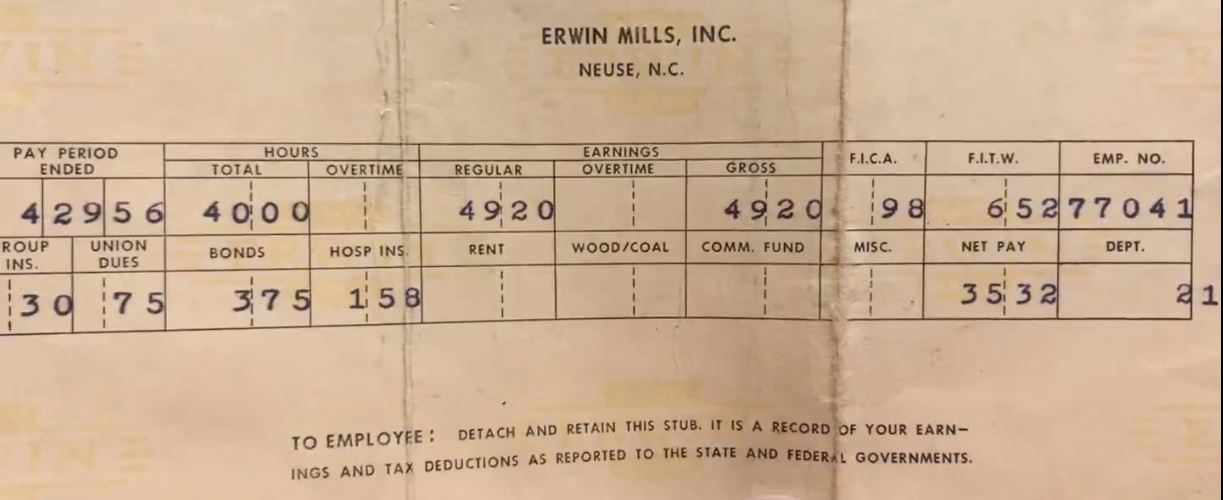
Gross pay is the total amount you earn for your work before anything is taken out. Net pay is what is left after taxes and other deductions are subtracted. The two numbers describe the same paycheck from opposite ends, and the distance between them is where payroll math lives.
This article explains what gross pay includes, what net pay includes, what sits between the two, how to calculate each one, and how to read your pay stub.
What gross pay means
Gross pay is the amount you are owed before withholding taxes and other deductions. Patriot Software defines it this way: gross pay is not the amount you pay your employee, but the figure you use to calculate net wages. For an hourly worker, gross pay is the hourly rate multiplied by hours worked.
For a salaried worker, it is the annual salary divided by the number of pay periods in the year.
Gross pay includes more than base wages. According to Profitjets, it covers base salary or hourly wages, overtime pay, bonuses, commissions, shift differentials, and certain taxable benefits. Paid time off that is paid out also counts.
A quick example from Paylocity shows the hourly math. An employee who earns 15 dollars per hour and works 40 hours in a week has gross pay of 600 dollars for that week. Add 10 hours of overtime at 20 dollars per hour, and the gross rises to 800 dollars.
Salaried math works the same way in reverse. Paylocity gives the example of a 50,000 dollar annual salary paid over 24 pay periods, which comes to 2,083.33 dollars of gross pay per period. The same salary paid monthly would be 4,166.66 dollars per period, since there are only 12 periods.
What net pay means
Net pay is what an employee takes home after deductions. Patriot Software puts it plainly: net pay is the amount you give to your employee. It is the deposit that lands in the bank account, or the figure printed on the check.
The formula is short. Net pay equals gross pay minus deductions. Everything in this article comes back to that one subtraction.
Net pay can move from one pay period to the next even when gross pay stays flat. Paylocity notes that net pay can fluctuate because of changes to gross pay, tax rates, benefit elections, and other deductions. A new health plan election, a retirement contribution change, or a bonus can each shift the take-home figure without changing the salary.
What sits between the two
The gap between gross and net pay is made up of a short list of items. Profitjets groups deductions into mandatory taxes, voluntary benefits, and garnishments. Naming each one makes every paycheck easier to read.
Federal income tax is withheld based on what the employee declared on Form W-4, including filing status. State income tax applies in most states, though a handful of states have no state income tax. Local income tax applies in some cities and counties.
Then comes FICA, the combined Social Security and Medicare tax. Profitjets cites the employee rates for 2025: Social Security at 6.2 percent up to a wage base of 176,100 dollars, and Medicare at 1.45 percent on all wages with no cap. Together they come to 7.65 percent of gross pay up to the Social Security wage base.
Patriot Software uses the same 7.65 percent figure in its worked example.
Voluntary deductions come next. These include the employee share of health, dental, and vision insurance premiums, retirement plan contributions such as a 401(k), and deposits to a health savings account or flexible spending account. Garnishments, such as court-ordered child support or a tax levy, are mandatory and cannot be refused by the employer.

Why the order of deductions matters
Pre-tax deductions come off before some taxes are calculated. Post-tax deductions come off after. That ordering is why two employees on identical gross pay can take home noticeably different amounts, as Profitjets points out.
A pre-tax 401(k) contribution lowers taxable income, so the income tax on the remaining pay is smaller. A post-tax deduction, such as a Roth 401(k) contribution, does not lower taxable income. The take-home effect of the two is different even when the contribution amount is the same.
This also explains why a raise does not always lift take-home pay by the same amount. If the raise pushes part of the pay into a higher withholding bracket, or if benefit premiums rise at the same time, the net gain is smaller than the gross gain.
A worked example: from 960 dollars to 835.56 dollars
Patriot Software walks through a complete biweekly example. An employee earns 12 dollars per hour and works 80 hours in the pay period. Gross pay is 960 dollars (12 dollars times 80 hours).
Deductions in this example are limited to taxes. Federal income tax is 51 dollars, based on IRS Publication 15-T for a single filer. FICA tax at 7.65 percent of 960 dollars comes to 73.44 dollars.
Total deductions are 124.44 dollars.
Net pay is 960 dollars minus 124.44 dollars, which equals 835.56 dollars. That is the amount the employee receives. The employer remits the 124.44 dollars in deductions to the IRS.
A second worked example from Profitjets uses a larger salary. An employee earns 60,000 dollars per year and is paid biweekly, which is 26 periods. Gross pay per period is 2,307.69 dollars.
Estimated deductions in that example total about 694 dollars: roughly 230 dollars of federal income tax, 176.54 dollars of FICA, a 150 dollar health insurance premium share, and a 138.46 dollar 401(k) contribution at 6 percent of pay. Net pay comes to about 1,614 dollars per period.
The two examples show the same pattern at different income levels. The gross figure is the starting point. The deductions decide what survives.
How to read your pay stub
A pay stub lists gross wages, deductions, and net wages for the period, plus year-to-date totals. Patriot Software notes that employees can consult pay stubs when they have concerns about the difference between gross and net pay, and that pay stubs show year-to-date figures for the whole year.
Start with the earnings section. Check that hours, rate, overtime, and any bonus match what you expect. Then read the deductions section line by line.
Taxes should appear as separate lines for federal, state, Social Security, and Medicare. Benefit and retirement lines should match the elections you chose.
Then look at the year-to-date column. It shows total gross, total deductions, and total net for the year so far. If a deduction starts, stops, or changes size without explanation, the year-to-date column is often where the change first becomes visible.
Employers must keep payroll documents containing gross and net pay information for at least three years, according to Patriot Software, citing United States Department of Labor recordkeeping rules. Payroll registers hold the same details for all employees and are kept for the employer's records rather than distributed.
Why gross and net both matter
Gross pay is the number employers quote in offer letters and employment contracts. It is the only figure an employer can guarantee, because net pay depends on personal variables such as filing status, state of residence, health plan choice, and retirement contributions. Lenders also look at gross pay when they evaluate loan and credit applications, as Paylocity notes.
Net pay is the number that runs a household budget. Rent, groceries, and savings all come out of net pay, not gross pay. Profitjets reports that the typical gap runs 20 to 35 percent of gross pay for most United States employees, which is why budgeting on the gross figure leads to shortfalls.
Gross pay also understates what an employee costs the employer. Above gross pay sit the employer's share of employment taxes, unemployment contributions, workers' compensation insurance, and the employer's cost of benefits. Anyone pricing work or planning a hire should use that fully loaded figure, not the salary alone.
Common questions
Is my annual salary gross or net?
Almost always gross. Job postings, offer letters, and contracts state compensation before taxes or deductions. Your take-home pay is the smaller net figure after withholding.
Why did my take-home pay change when my salary did not?
A rate, threshold, benefit election, or year-to-date limit changed. Common causes include a new health premium, a retirement contribution change, a bonus taxed under a different withholding method, or passing the Social Security wage base.
Are bonuses taxed more heavily than salary?
Bonuses often have tax withheld under a different method, which can make the withholding look higher. Profitjets notes that bonuses can be taxed at the supplemental withholding rate of 22 percent federal. The final tax is settled when you file, so withholding is not the same as the final tax bill.
Does overtime change gross pay?
Yes. Overtime earnings are part of gross pay. Under the Fair Labor Standards Act, eligible nonexempt employees generally must receive at least 1.5 times their regular rate for hours over 40 in a workweek, and those earnings are subject to payroll taxes and withholding.
The bottom line
Gross pay is what you earn. Net pay is what you keep. Deductions for taxes, benefits, retirement, and garnishments sit between the two, and their order matters.
Read your pay stub line by line, watch the year-to-date column, and budget on net pay rather than gross pay. This article is for general information, not financial advice.
Tags: gross pay, net pay, paycheck, payroll deductions
Latest in Finance
- Exchange Rates and What Your Money Is Worth Abroad
- Pension or Retirement Saving: How It Works
- The Difference Between Needs and Wants in a Monthly Budget
- Why an Insurance Deductible Matters at Claim Time
Subscribe for one clear money explainer each week.
Related stories

How your APR is divided by 365 to get daily interest
Lenders divide your APR by 365 for a daily rate, then apply it to your average daily balance. This guide walks through every step

What is the difference between APR and effective annual rate?
APR ignores compounding inside the year; the effective annual rate includes it. A 12.99% APR card really costs 13.80% a year. Worked

APY vs interest rate: what compounding does to your money
APY includes compounding; the interest rate does not. A 5% rate compounded monthly is really 5.12% APY. Here is how the math works and what