
FTC sues Dollar General for overcharging shoppers: 29,265 price complaints
Web StoryWatch this story in 15 seconds →Key takeaways
- The FTC and 20 states sued Dollar General on October 26, 2026. They say register prices were higher than shelf prices.
- The complaint cites 29,265 pricing complaints filed from 2023 to early 2026. They came from all 48 states where the chain operates.
- Dollar General rejects the claims. It says it will defend the lawsuit vigorously.
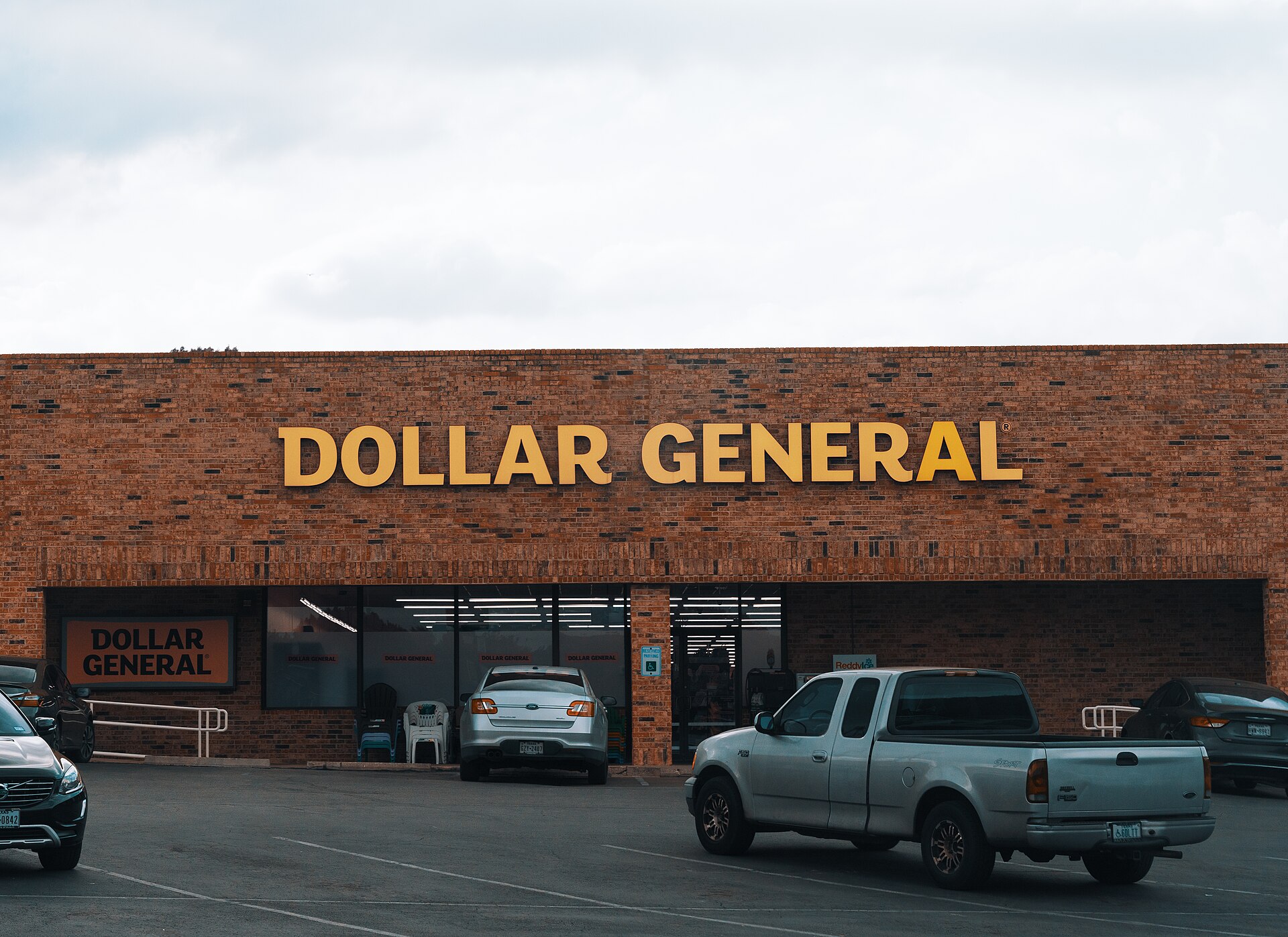
The Federal Trade Commission and 20 states have sued Dollar General. They say the chain charged shoppers more at the register than shelf prices.
The lawsuit was filed on Monday, October 26, 2026.
What happened
The FTC filed the case in federal court in Tennessee. The Middle District of Tennessee will hear it.
Twenty state attorneys general joined the filing.
The accusation is simple. Shelf tags showed one price. The register charged a higher one.
The FTC says this pattern lasted for years. It affected millions of purchases across the country. The agency also says the company knew about the problem and failed to fix it.
"Although Dollar General promises convenience, low prices, and value," the complaint stated. "The company has routinely charged customers more at the register than the prices on its shelves," according to USA Today.
The numbers behind the case are large. The chain received at least 29,265 pricing complaints. They were filed between January 2023 and March 2026. They came from all 48 states where Dollar General operates.
The complaint also names individual shoppers. In Ohio, a customer said milk marked $3.95 scanned at $4.25 when paid. In Massachusetts, a customer said trail mix listed at $2.75 scanned at $5 at the register.
That customer also said the wrong sign was still posted the next week. These accounts are allegations in the complaint. They are not proven facts.
The lawsuit cites more than customer complaints. It also cites state inspections that the chain failed. And it cites undercover FTC shopping trips.
The legal claims say the pricing breaks the FTC Act. It also cites the Gramm-Leach-Bliley Act and state consumer protection laws.
Christopher Mufarrige leads the FTC's Bureau of Consumer Protection. He used strong language in the agency's announcement.
"Dollar General has betrayed the trust of millions of American consumers," he said. He added that the company caused "significant financial harm" to families. These families are "struggling to make their paychecks last," he said.
This is not the first time the chain has faced such claims. Since 2019, the chain has paid $6 million in pricing settlements. Reuters reported this.
Ohio also sued the company back in 2022. That case ended with a $1 million settlement.
Dollar General's response
Dollar General rejects the allegations. The company published a statement on its website.
It said the lawsuit suggests the chain "abandoned our mission." It also said it was accused of "willfully disregarding" its customers' needs. "Nothing could be further from the truth," the company said.
Dollar General said it learned of the FTC's concerns in February. It said it worked with the agency to try to resolve the matter.
The company said it was surprised when the FTC sued instead of continuing talks. It now plans to "defend this litigation vigorously."
The company also described its pricing goal. "Our goal is 100% accuracy between shelf and register prices in every store," it said.
Occasional mistakes can happen, it added. When they do, store teams are expected to "make things right for the customer."
Ohio Attorney General Andy Wilson backed the lawsuit. "The prices on store shelves are what customers should be paying," he said.
He said Dollar General kept overcharging its own customers. They are "the very people who keep its lights on."
Why it matters
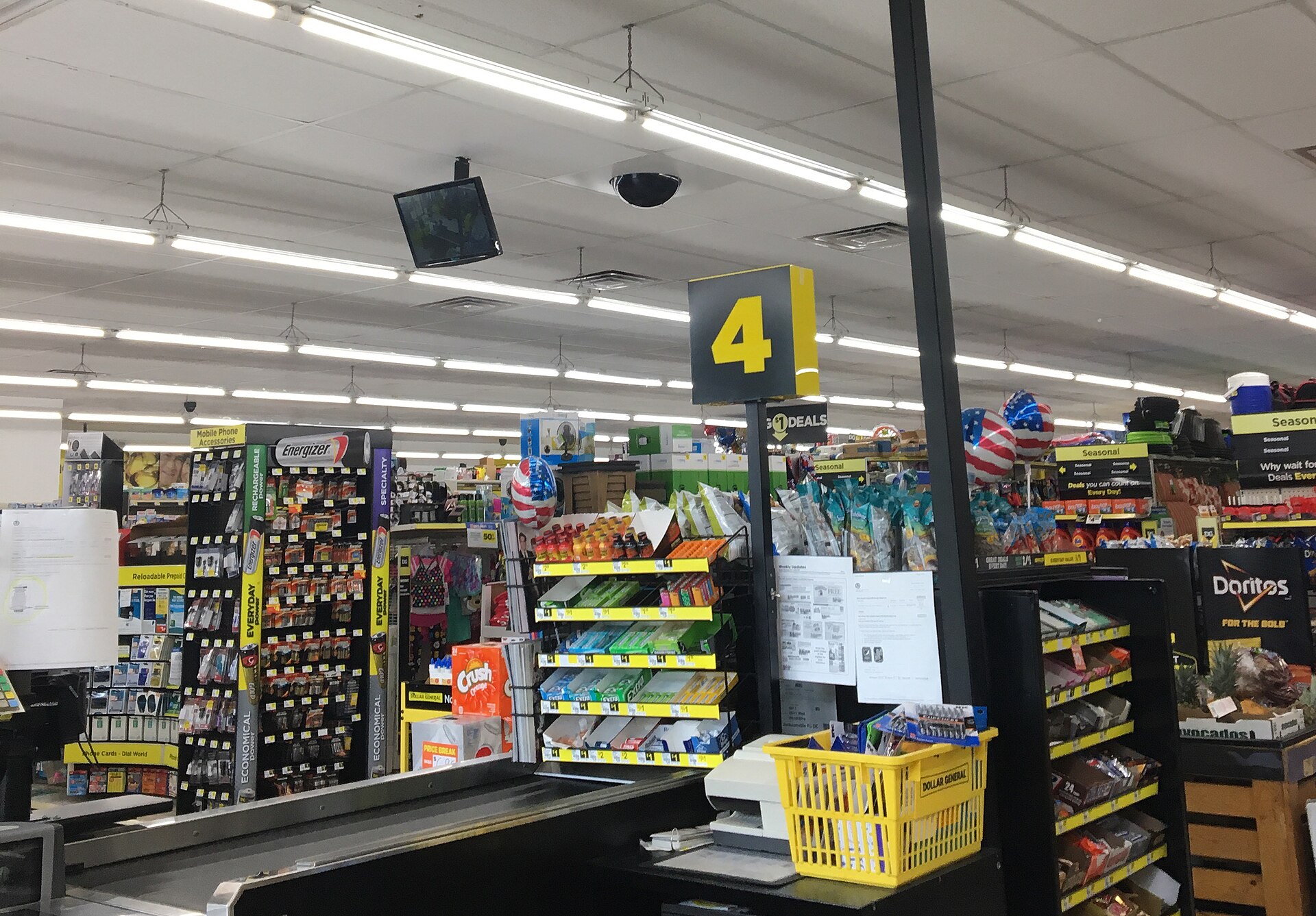
Dollar General sells itself as a low-price option. It sells household goods that many shoppers can afford.
The chain runs more than 21,000 stores across the United States. Many of them sit in small towns and rural areas.
That reach is exactly why the case matters. The FTC says the alleged overcharges hurt low-income shoppers most. These customers depend on exact prices to plan their spending.
Even a small overcharge on milk or bread can break a tight weekly budget.
The case also tests a simple idea. Shoppers should be able to trust the price they see.
A shelf tag is a promise. When the register shows a different number, that promise breaks.
Regulators say repeated failures like this count as deception.
There is also a wider pattern. The FTC is looking more closely at checkout pricing across retail. State lawmakers are pushing new rules on fees and surcharges.
This lawsuit is the largest recent move in that push. Its outcome could set the tone for other chains.
For everyday shoppers, the stakes are practical. Money lost at the register does not come back easily. Many shoppers never notice a few extra cents.
But the complaint says those small amounts added up to millions of dollars over time.
What happens next
The lawsuit is now in federal court. The FTC and the states want a permanent injunction. That is a court order that would force the company to fix its pricing.
They are also seeking money back for consumers. State fines are also on the table.
None of the allegations have been decided by a court. Dollar General has not yet answered the claims in court.
The case could take many months to resolve. Both sides could also settle, as Dollar General has done before.
The company has said it remains open to a deal. At the same time, it plans to fight the case. Shoppers will watch what the chain changes in its stores while the case moves forward.
Consumer advocates have simple advice for shoppers. Check your receipt before leaving the store. It is easier to fix a wrong price on the spot.
Take a photo of the shelf tag or sale sign. That gives you proof when you ask for a fix.
If a store refuses to fix a clear error, report it. Contact your state consumer protection office.
You can also report it on the FTC fraud-reporting website.
The case is a reminder about rising costs of living. When prices rise, every dollar counts more.
Shoppers are already changing habits to save money. Trusting the price on the shelf is part of that.
This article is for information only and is not legal or financial advice.
Related stories
How your APR is divided by 365 to get daily interest
Lenders divide your APR by 365 for a daily rate, then apply it to your average daily balance. This guide walks through every step
What is the difference between APR and effective annual rate?
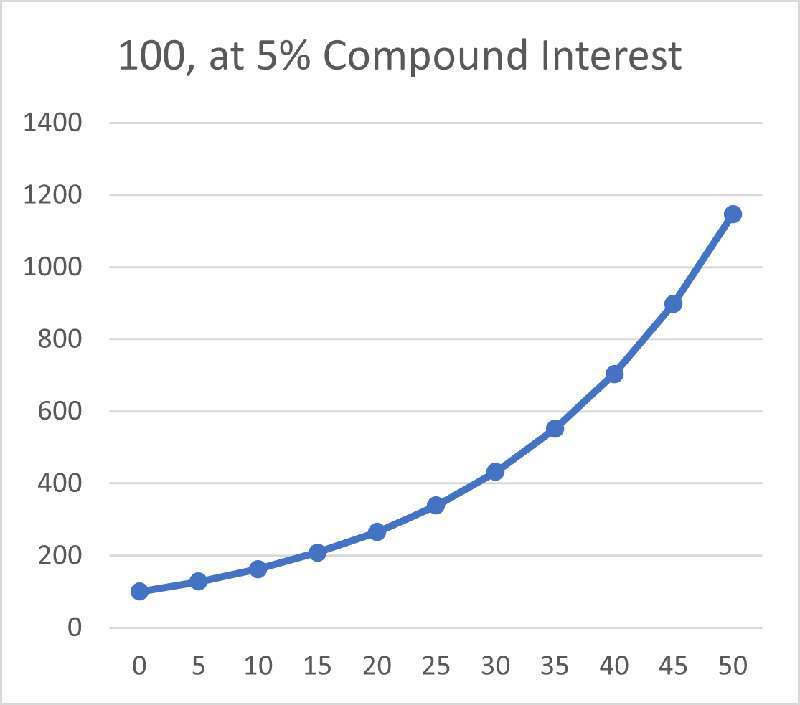
APR ignores compounding inside the year; the effective annual rate includes it. A 12.99% APR card really costs 13.80% a year. Worked

APY vs interest rate: what compounding does to your money
APY includes compounding; the interest rate does not. A 5% rate compounded monthly is really 5.12% APY. Here is how the math works and what