
Jio shares jump 21% on market debut after record India IPO
Web StoryWatch this story in 15 seconds →Key takeaways
- Jio Platforms shares opened at 1,358 rupees on October 28, 2026.
- That is 21.36% above the IPO price of 1,119 rupees per share.
- The debut made Jio India's second most valuable listed firm.
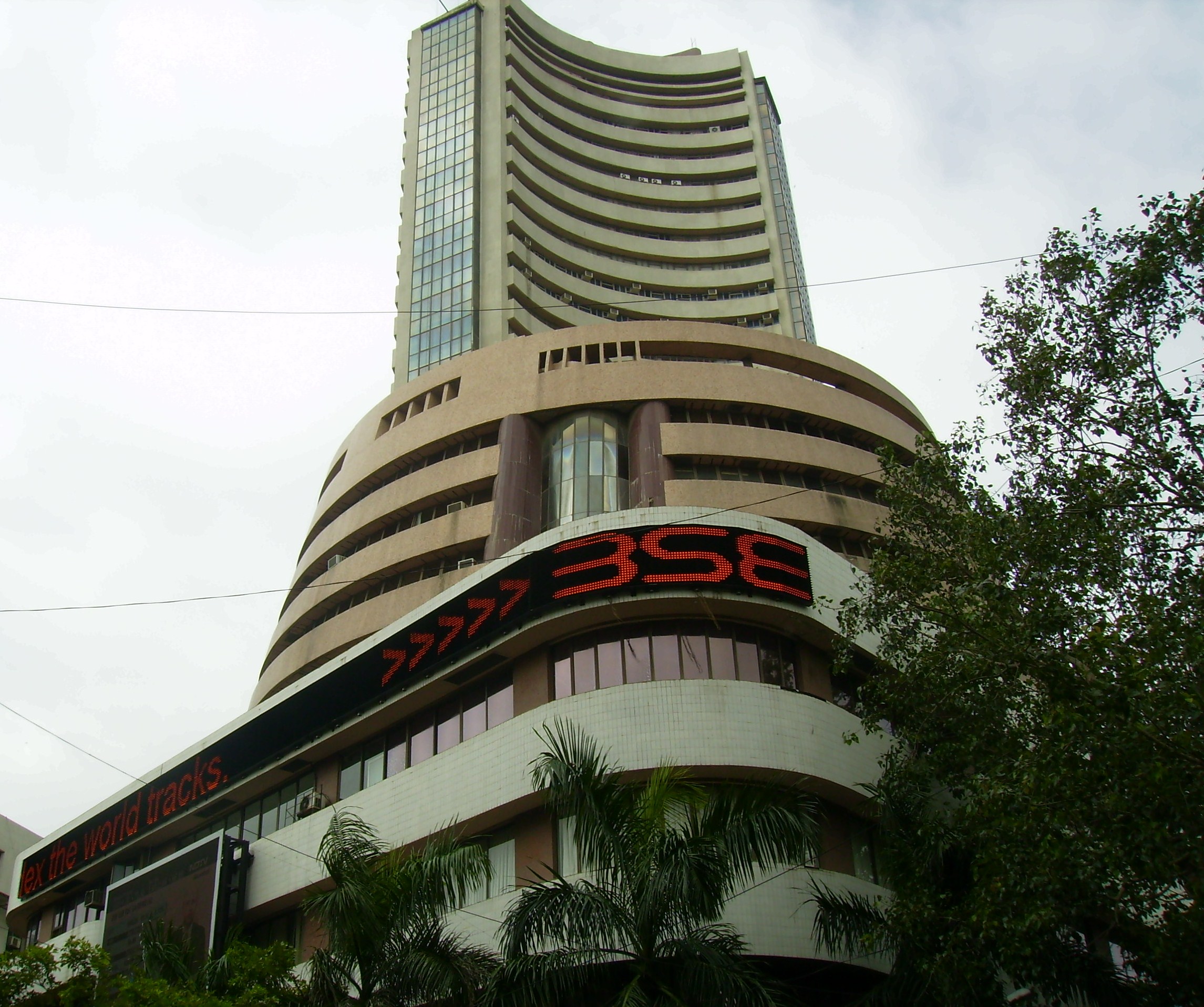
Jio Platforms shares jumped about 21% on their first day of trading. They opened at 1,358 rupees in Mumbai on Wednesday, October 28, 2026. The IPO price was 1,119 rupees per share.
An IPO is the first sale of shares to the public. A share is a small piece of ownership in a firm. Jio Platforms is the digital arm of Reliance Industries, led by Mukesh Ambani.
What happened
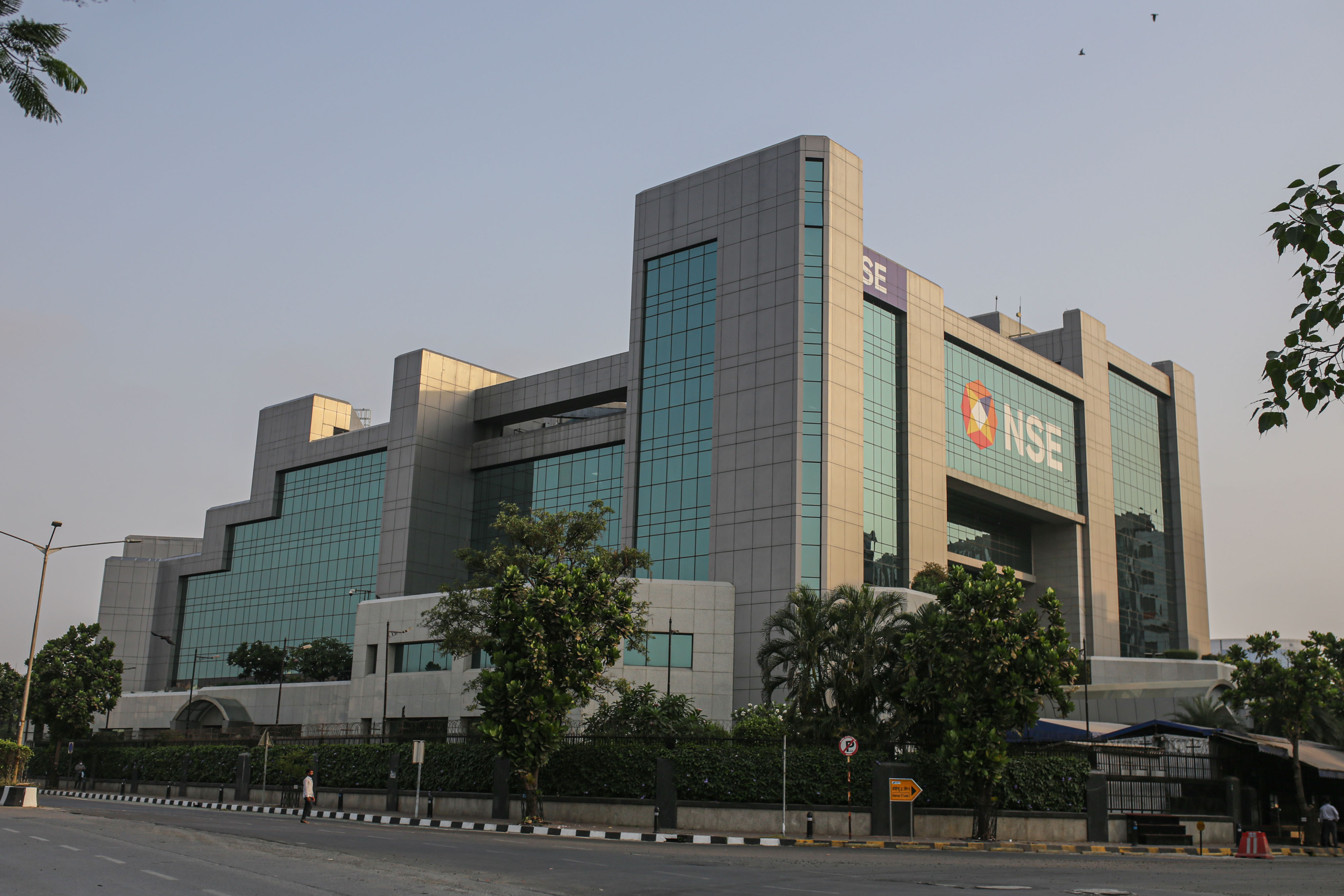
Jio shares started trading on the NSE and the BSE in Mumbai. They opened at 1,358 rupees on both exchanges, according to PTI. That was a gain of 21.36% over the offer price.
The listing made Jio India's second most valuable listed firm. Its market value reached about $131.5 billion, according to CNA. It passed Bharti Airtel and HDFC Bank in the rankings.
Only its parent firm, Reliance Industries, ranked above it. Reliance kept the top spot, according to reports of early trade. Jio's early market value stood at 12.5 lakh crore rupees.
The Ambani family rang the bell at the NSE in Mumbai. Mukesh Ambani attended with his wife Nita Ambani, according to CNA. Their son Akash Ambani is Jio's managing director.
Akash Ambani spoke at the listing ceremony in Mumbai, according to PTI. He said the firm aims to spread tech that can change Indian lives.
His words at the ceremony were clear. "We promise to take Jio to greater heights of growth and excellence," he said.
A record share sale
The IPO raised 302 billion rupees, or about $3.2 billion. It was India's largest ever IPO, according to Reuters. The firm offered 270 million shares at 1,119 rupees each, according to CNBC.
The sale ran from October 21 to October 23, 2026. It drew bids worth about $77 billion, according to Reuters. Demand was more than 22 times the shares on offer, according to PTI.
On the first day, the offer filled up in about 100 minutes. That made it India's fastest-filled mega share sale, according to PTI. Before the sale, Jio raised about 8,110 crore rupees from 212 anchor investors.
Anchor investors are large buyers who commit funds before a sale opens. BlackRock, Capital Group and GIC joined that group, according to CNBC. Reliance owns a 66.4% stake in Jio, according to PTI.
Meta holds nearly 10% through an affiliate, according to CNBC. Google holds 7.7%, according to LSEG data cited by CNBC. Both firms backed Jio long before this listing.
Why it matters
Jio is India's largest telecom firm by users. Its telecom arm serves more than 530 million customers, according to Reuters. That user count is second only to China Mobile for one country, according to CNA.
Jio launched its mobile service in 2016 with very low prices. Cheap data plans brought millions of Indians online for the first time. The firm has since moved into digital services and artificial intelligence.
The listing is the first from the Reliance group in two decades. It fits a plan to shift Reliance from oil and chemicals toward tech. Reuters said the goal is an "everything company" spanning consumer goods and tech.
India is now the world's busiest IPO market by deal count. It has seen 246 listings so far in 2026, according to LSEG data.
By money raised, it ranks fourth at $13.5 billion. It trails the US, China and Hong Kong.
Analysts at Nomura started coverage of the stock with a buy rating. They set a target price of 1,340 rupees, according to CNBC. That target sits 19.7% above the IPO price of 1,119 rupees.
Nomura pointed to a mostly finished build-out of networks, according to CNBC. It also expects a sharp rise in free cash flow. Free cash flow is cash left after a firm pays for its operations and assets.
What it could mean for phone bills
The BBC reported a warning from analysts about cheap tariffs. Tariffs are the prices users pay for mobile plans. A listed firm must answer to outside shareholders, not just its owners.
Some analysts think the era of ultra-low prices may fade. Nitya Shah of KamayaKya Wealth Management spoke to the BBC. She said cheap tariffs as a tool to win share may be ending.
Future growth may come from earning more per user, not just adding users. That could mean 5G upgrades, price revisions and home broadband growth. Motilal Oswal shared that view with the BBC.
Rivals could also raise prices if they fear undercutting less, the BBC reported. Vodafone Idea could gain most from that shift, according to Shah. Price-sensitive users may switch to the cheapest plan if bills rise.
There is also a plus side for investors and watchers. Moody's said the listing adds transparency, according to the BBC. A standalone value for Jio is now clear, apart from Reliance's oil and retail arms.
What happens next
Jio shares will now trade each market day like other listed firms. Their price will move with results, user growth and market mood. The first quarterly results as a listed firm will draw close watch.
Watchers will track whether Jio raises tariffs in the months ahead. They will also track growth in 5G, home broadband and digital services. Akash Ambani said the firm aims to offer connectivity from space, according to PTI.
Risks remain, even after a strong debut. Brokerages flagged tough competition, heavy spending and telecom rule changes, according to Reuters. Rule changes could cover spectrum, licences and fees.
Spectrum is the radio airwave space that mobile networks use. Licences are the permits firms need to run telecom services. Both affect how much it costs Jio to serve its users.
A debut jump does not lock in future gains for any stock. Prices can fall as fast as they rise on weak news. This article is for information only and is not financial advice.
Readers who want the basics can start with buying shares and saving and investing. Those guides explain shares and investing in plain words. They do not tell you which stock to buy.
Related stories
How your APR is divided by 365 to get daily interest
Lenders divide your APR by 365 for a daily rate, then apply it to your average daily balance. This guide walks through every step
What is the difference between APR and effective annual rate?
APR ignores compounding inside the year; the effective annual rate includes it. A 12.99% APR card really costs 13.80% a year. Worked
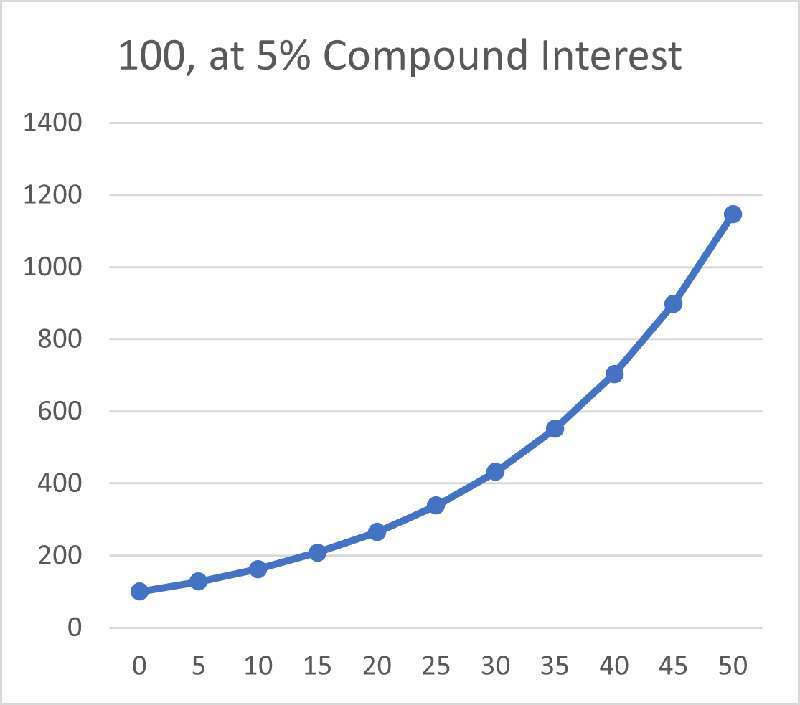
APY vs interest rate: what compounding does to your money
APY includes compounding; the interest rate does not. A 5% rate compounded monthly is really 5.12% APY. Here is how the math works and what