
NAB cuts 2,500 jobs in sweeping corporate overhaul
Web StoryWatch this story in 15 seconds →Key takeaways
- National Australia Bank will cut up to 2,500 roles, about 6 percent of staff.
- Up to 1,500 jobs go before the end of 2026, with corporate teams hit first.
- The bank will book a restructuring charge of A$300 million. Full details come on November 5.
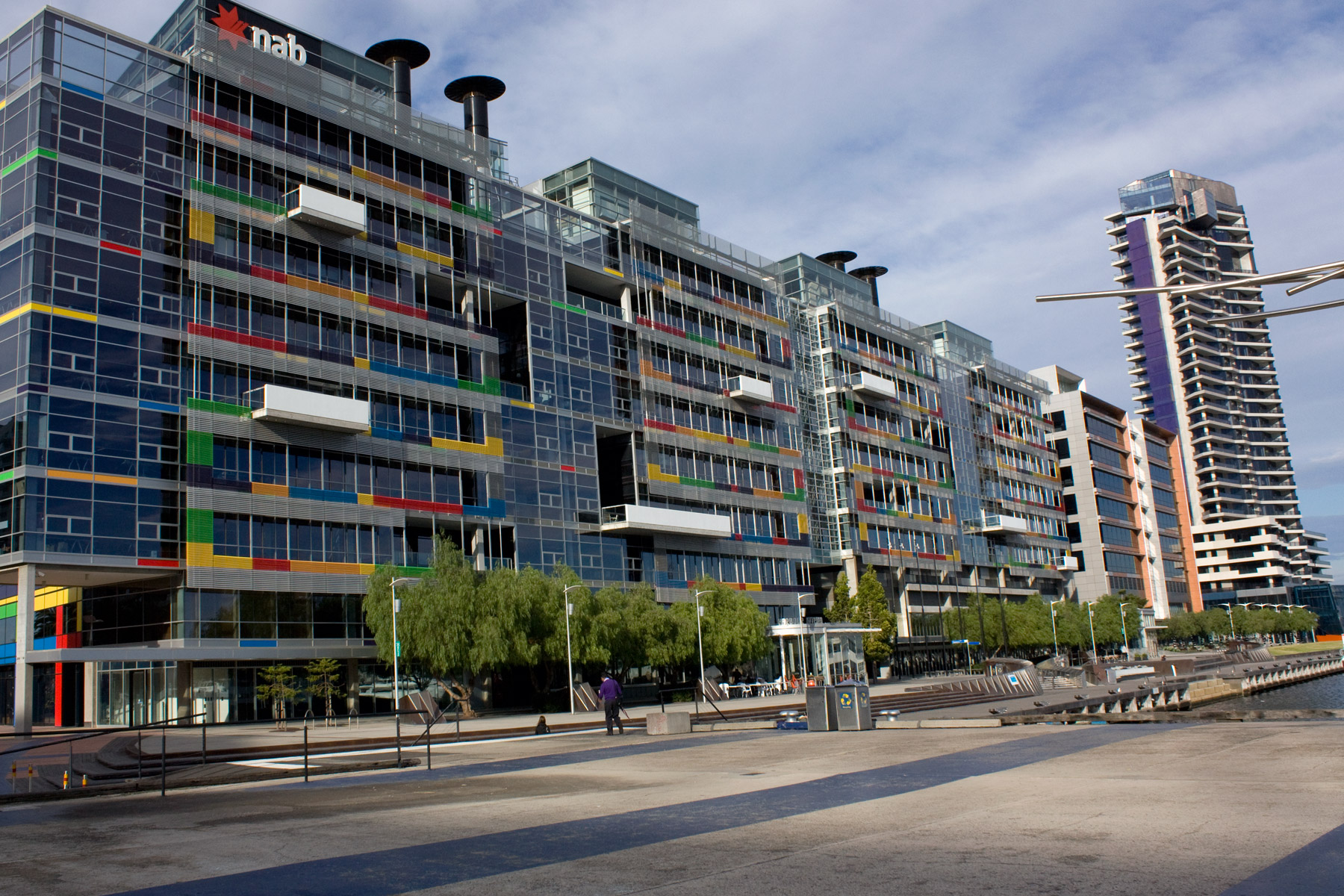
National Australia Bank will cut up to 2,500 jobs. The bank announced the plan on October 20, 2026. The cuts equal about 6 percent of its workforce.
Head-office teams will feel the deepest pain. Branch staff are mostly safe.
What happened
NAB told the Australian Securities Exchange about the cuts on Tuesday morning. The bank plans to remove up to 2,500 roles by the end of its financial year. That financial year ends on September 30, 2027, according to the bank's filing.
Up to 1,500 of those roles will go before the end of 2026. That is the fastest part of the cut.
The cuts target corporate functions and senior management. Areas in scope include strategy, transformation, and project management. Back-office, compliance, risk, and business services teams are also affected.
The bank will also cut its use of consultants and external contractors. It wants to reduce duplication across the organisation.
Chief executive Andrew Irvine said customers will benefit. "These changes are expected to improve outcomes for customers by reducing duplication and speeding up decision making," Irvine said. He added that the bank deliberately cut deeper into senior management.
NAB employed 41,880 people worldwide as of September 30, 2025. That number comes from its latest annual report, reported by The Straits Times. The 2,500 cuts equal roughly 6 percent of that workforce.
It is one of the largest rounds of bank job cuts in Australia this year. The overhaul also carries a big one-time cost. NAB expects a pre-tax restructuring charge of about A$300 million.
That charge covers redundancy payouts, redeployment, and redesign costs. It is far larger than recent years. The bank booked about A$80 million in each of 2025 and 2026. Those figures come from NAB itself.
Why it matters
Banks are under pressure from many sides. Housing activity has weakened in Australia. Competition between banks has grown stronger.
Operating costs keep rising. Together, these forces are squeezing bank profits.
NAB warned about trouble back in August. It said housing credit growth would slow sharply in 2027. Federal property tax reforms had weakened demand from buyers and investors.
Higher interest rates and global uncertainty were also hurting customers. Irvine said this at the time. Today's cuts show the bank is now acting on that warning.
NAB is a giant in Australian business. It is the country's biggest business lender. It is also the third-largest home lender.
When a bank this size cuts jobs, people listen. Big banks sit close to the property market and the wider economy.
Their hiring choices often signal what other large employers will do next. Our explainer on Australia's recession warning covers the wider economic picture.
NAB is not cutting alone. Rival ANZ announced 3,500 job cuts in 2025. That was about 8 percent of its staff. The cuts were part of a simplification drive under ANZ chief executive Nuno Matos.
Across the sector, head-office jobs are the first to go. More services now move online.
The word "technology" appears in NAB's announcement. The bank pointed to "rapid technological change" as one force it must navigate. But it did not mention artificial intelligence by name.
That silence has drawn questions. Helen Bird studies governance at Swinburne University of Technology. She said NAB should be open about AI.
"What isn't being talked about, but is absolutely critical, is the use of technology, including AI, to replace staff involved in administrative, monitoring and oversight functions," Bird said.
The market reacted at once. NAB shares fell nearly 2.5 percent on October 20. That was the biggest drop of Australia's "Big Four" banks that day. The wider S&P/ASX 200 index fell 0.9 percent.
What happens next
The first step is union talks. NAB will start consultation with the Finance Sector Union this week. Under Australian law, large employers must consult staff before big redundancies.
The union has already attacked the timing. "To take a wrecking ball to 6% of one of Australia's largest workforces this close to Christmas is disgraceful," said Nicole McPherson. She is the union's national assistant secretary.
For a look at how bank-union talks have played out before, see our piece on Commonwealth Bank's union pay deal.
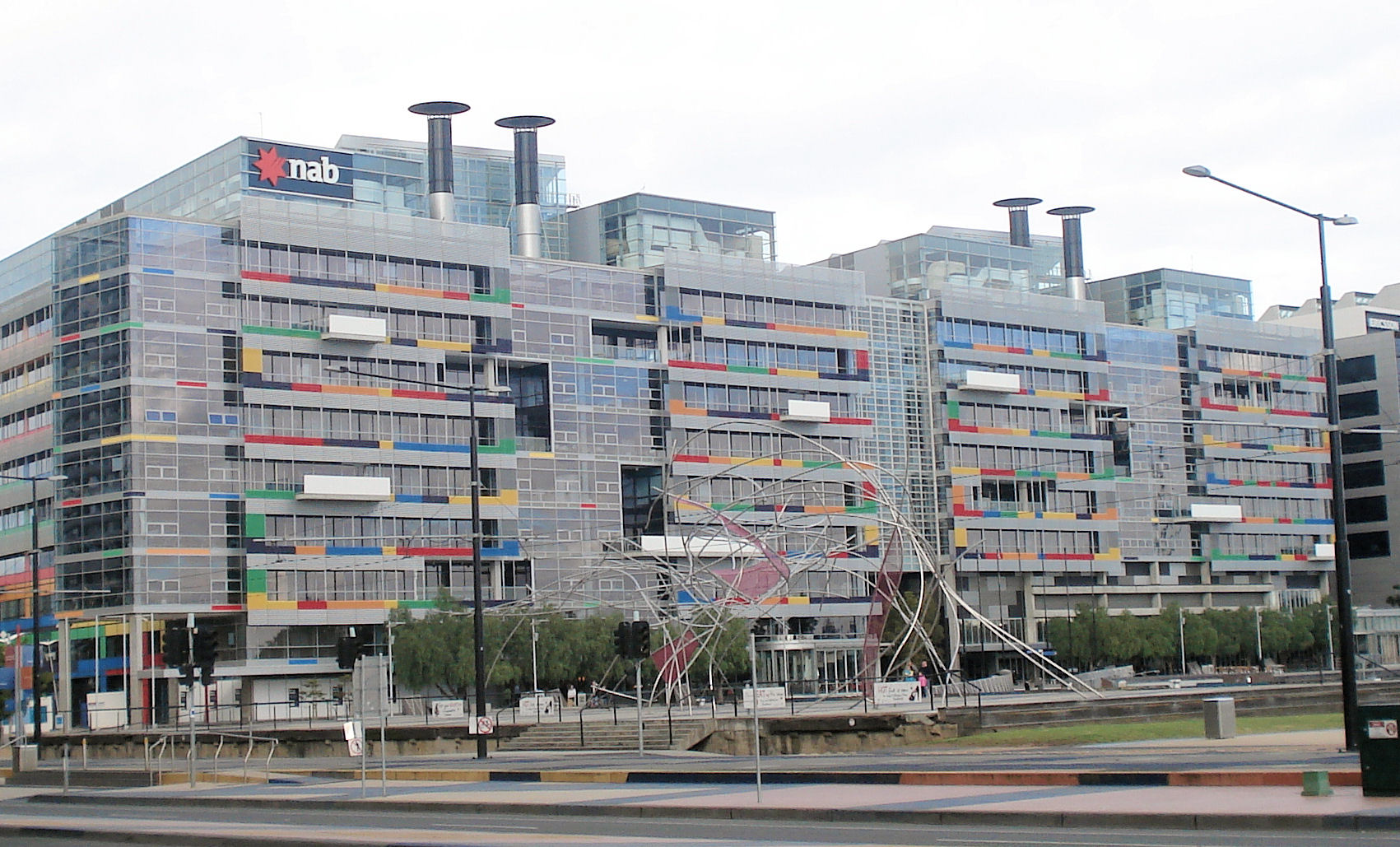
The next key date is November 5, 2026. NAB reports its full-year results then. The bank promised more detail on the restructure at that time.
Investors will want exact numbers on savings. Staff will want to know which teams are affected first.
For the workers who stay, life will change. Fewer managers means wider roles for those who remain. Irvine said the bank wants faster decisions and less duplication.
For workers who leave, the path is hard. Losing a job near Christmas is a real blow. The bank says it will treat affected staff with dignity and respect.
It has also promised redeployment where possible. Workers facing a sudden income gap may find our guide on budgeting with irregular income useful.
NAB says its strategy has not changed. It wants to grow business banking, deposits, and home lending. The cuts should free money for those goals, according to Irvine.
Whether the plan works will become clear over the next year.
This article is for information only and is not financial advice.
Related stories

How your APR is divided by 365 to get daily interest
Lenders divide your APR by 365 for a daily rate, then apply it to your average daily balance. This guide walks through every step
What is the difference between APR and effective annual rate?
APR ignores compounding inside the year; the effective annual rate includes it. A 12.99% APR card really costs 13.80% a year. Worked

APY vs interest rate: what compounding does to your money
APY includes compounding; the interest rate does not. A 5% rate compounded monthly is really 5.12% APY. Here is how the math works and what