
What Is Overdraft Protection and Why Does It Cost So Much?
Key takeaways
- Overdraft protection links your checking account to a backup source, such as savings, a credit line, or a credit card, that covers shortfalls automatically.
- The average overdraft fee is $26.77, and banks can stack three or four fees in a single day, turning a small shortfall into $80 to $100 in charges.
- In 2019, banks collected an estimated $15.47 billion in overdraft and NSF fees, with fewer than 9% of accounts producing about 80% of that revenue.
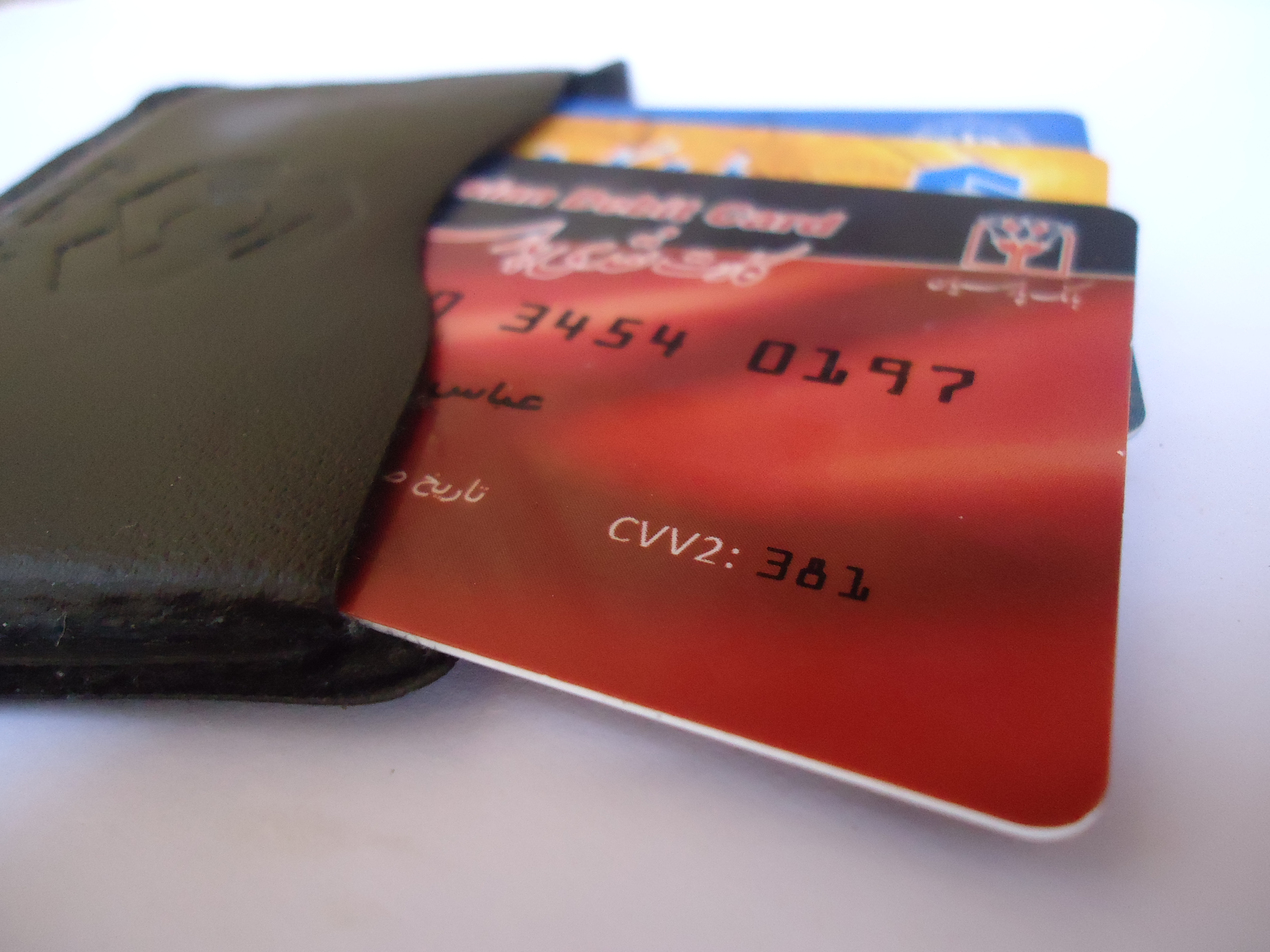
Overdraft protection is a bank service that covers a transaction your checking account cannot. When your balance falls short, the bank pulls the difference from a linked savings account, a line of credit, or a credit card, so the payment goes through instead of bouncing.
The catch is the price: Bankrate's latest checking account fee survey puts the average overdraft fee at $26.77 per item, and many large banks charge $35 or more. A few small purchases on a bad day can turn a $10 shortfall into $100 in fees.
This article explains what overdraft protection is, how it differs from overdraft coverage, why the fees run so high, what the 2010 opt-in rule changed, and cheaper ways to cover a shortfall.
What is overdraft protection?
An overdraft happens when you spend more than your checking account holds. Without backup, the bank declines the transaction or returns the check, and fees may follow either way.
Overdraft protection connects your checking account to a second funding source. The moment a transaction would push your balance below zero, the bank automatically shifts enough money to cover it, so your card is not declined and your checks clear.
Banks generally offer three backup sources at very different prices. A linked savings account is the most common and usually cheapest: most banks charge nothing for these transfers, according to Bankrate.
A line of credit is a small loan covering each shortfall. You pay interest on what you borrowed, which stays cheap if you repay within days.
A linked credit card is the priciest choice. The bank treats the transfer as a cash advance, often with a $10 or 3% fee plus interest that starts immediately. Bankrate calls this the most expensive option.
How overdraft protection differs from overdraft coverage
The two terms sound alike, but they describe different deals. Overdraft protection is the linked-account setup described above, where your own money moves to fill the gap. Transfer fees, where they exist at all, usually run $0 to $12.
Overdraft coverage, sometimes called standard overdraft service, means the bank pays the shortfall out of its own funds. The transaction clears, and you owe the bank both the amount it fronted and a flat fee, typically around $27 per item.
U.S. Bank draws this line explicitly: protection links your accounts, while coverage decides how the bank handles transactions that exceed your available balance.
There is a third outcome worth knowing. If the bank simply declines the transaction, you may face an NSF (nonsufficient funds) fee instead. The payment bounces, and you still pay a penalty averaging $16.82, per Bankrate.
A bounced rent check can also trigger a returned-check fee from your landlord, making NSF the double-penalty option.
So the price ladder is clear. Linked-account protection usually costs nothing or a few dollars. Overdraft coverage costs roughly $27 a pop.
NSF fees cost around $17 while leaving your bill unpaid. The names matter because they show up on different lines of your account disclosures, and they carry different opt-in rules.
Why overdraft fees are so expensive
The short answer is that overdraft fees are not priced to cover the bank's cost. They are a profit center, and the numbers show how central they are.
CFPB research estimated that overdraft and NSF fees generated $15.47 billion in 2019 across the American banking system. Three banks, JPMorgan Chase, Wells Fargo, and Bank of America, collected 44% of the total reported by banks with more than $1 billion in assets.
The fees made up close to two-thirds of reported fee revenue, which the CFPB described as evidence of banks' heavy reliance on them.
The burden falls on a small slice of customers: fewer than 9% of accounts paid 10 or more overdrafts per year, yet that group produced close to 80% of all overdraft revenue, per the CFPB. The fee structure harvests most of its money from people whose balances run thin between paychecks.
Stacking makes each incident worse: banks can charge three to four overdraft fees in a single day, adding $80 to $100 for a handful of small purchases. A $4 coffee and a $7 sandwich can each trigger a separate $35 fee.
"Rather than competing on quality service and attractive interest rates, many banks have become hooked on overdraft fees to feed their profit model," said CFPB Director Rohit Chopra when the bureau released the research.
Relief was briefly on the table: the CFPB finalized a rule in late 2024 capping overdraft fees at $5 for banks and credit unions over $10 billion in assets, starting October 1, 2025. Congress repealed it through the Congressional Review Act in May 2025, and President Trump signed the repeal, so banks still set their own fees.
Totals keep climbing: the Financial Health Network estimated consumers paid $12.1 billion in overdraft and NSF fees in 2024, up from $11.8 billion in 2023. Competition has lowered the average fee from its 2021 peak, but fee volume has more than made up for it.
The 2010 opt-in rule for debit transactions
Before 2010, banks could enroll you in debit-card overdraft coverage automatically and charge fees without asking. That changed with a Federal Reserve rule amending Regulation E.
The Board published the final rule on November 17, 2009, and it took effect January 19, 2010, with mandatory compliance from July 1, 2010. For older accounts, banks could not charge overdraft fees on ATM or one-time debit transactions after August 15, 2010, without an opt-in.
The rule is narrower than many people assume. It covers ATM withdrawals and one-time debit card purchases only.
Checks, automatic bill payments, and recurring debit transactions, like a monthly gym membership, sit outside it. For those, the bank's standard coverage still applies whether you opted in or not.
Banks must give a clear written notice describing the program and fees, and offer the same account terms whether you opt in or not. You can revoke your opt-in at any time.
One caution from the CFPB: opting in can be an expensive way to manage a checking account. Declining to opt in means your debit card is simply rejected when funds run short, which is cheaper than a string of $35 fees for some budgets.
That is also why your paycheck shows gross pay vs net pay.
Cheaper ways to cover a shortfall
The cheapest overdraft plan is one you rarely use. When a shortfall happens, the tool you pick decides whether it costs nothing or $35.
Linking a savings account is the strongest move for most people. Bank of America, Chase, and TD Bank charge $0 for these transfers, and most banks follow suit. The transfer happens automatically, the payment clears, and no fee appears.
An overdraft line of credit is the runner-up. You pay interest on the borrowed amount rather than a flat fee, which is usually cheaper if you repay within days. You must apply and qualify first.
Some banks removed the fee entirely. Capital One stopped charging overdraft fees in early 2022, ending an estimated $150 million in annual revenue.
Ally Bank made its elimination permanent in June 2021, with its CoverDraft service covering up to $250 for qualifying customers at no penalty. Citibank followed in June 2022.
Others cut instead of killing the fee: Bank of America reduced its overdraft fee from $35 to $10 in 2022 and stopped charging NSF fees entirely, while several regional banks cap daily fees and offer grace periods to cure a negative balance first.
Habits cost nothing and prevent most incidents. Set a low-balance alert at $50 or $100 so your phone warns you before the account runs dry. Keep a $100 to $200 cushion in checking that you treat as untouchable.
And review which bank holds your money: switching to one of the no-fee banks above can save hundreds of dollars a year. High fees are not unique to checking: store credit cards carry a similar markup story.
Is overdraft protection the same as overdraft coverage?
No. Protection links your checking account to your own backup funds, usually a savings account, and moves money automatically.
Coverage means the bank fronts the money itself and charges a flat fee per item. Protection is almost always cheaper.
Does overdraft protection cost money?
It depends on the funding source. Linked savings transfers are free at most banks. Lines of credit charge interest on the borrowed amount.
Linked credit card transfers usually add a cash advance fee plus immediate interest, making them the costliest option.
Can I opt out of overdraft coverage?
Yes. Under the Regulation E opt-in rule, your bank needs your consent before charging overdraft fees on ATM and one-time debit card transactions. You can revoke that consent at any time.
Do overdraft fees hurt my credit score?
Not directly. The fees do not appear on your credit report.
But if an account stays overdrawn, the bank can close it and send the balance to collections, which does damage your score. Overdrawn accounts also get reported to ChexSystems, which can block you from opening new bank accounts for up to five years.
Why do banks charge overdraft fees instead of just declining the card?
Because the fees earn billions, as the CFPB's $15.47 billion figure shows. Some banks do decline transactions instead, especially those with no-fee policies like Capital One and Ally.
If your bank charges steep fees, asking it to decline overdrafts, or switching banks, removes the problem. The rule of 72 shows what avoided fees could become if invested.
And if past fees pushed you toward credit, a secured credit card is designed for exactly that rebuilding stage.
This article is for general information, not financial advice.
The bottom line
Overdraft protection works well when it links to your savings for free, but the broader overdraft system is priced to profit from the thinnest balances. A $26.77 average fee, stacked several times daily, turns tiny shortfalls into big charges.
The practical move: link a savings account for automatic transfers, set a low-balance alert, and check whether your bank still charges $35 per item. If it does, switching to a $0-overdraft-fee bank could save you hundreds this year.
Tags: overdraft protection, overdraft fees, checking accounts, CFPB, bank fees
Latest in Finance
- What Is a Secured Credit Card and Who Is It For?
- Why Do Store Credit Cards Have Such High APRs?
- What Is the Rule of 72, Explained With Examples?
- What Is Tax Withholding and Why Do You Get a Refund?
Get one clear money explainer like this in your inbox each week. Subscribe to the Rive News newsletter.
Related stories

How your APR is divided by 365 to get daily interest
Lenders divide your APR by 365 for a daily rate, then apply it to your average daily balance. This guide walks through every step

What is the difference between APR and effective annual rate?
APR ignores compounding inside the year; the effective annual rate includes it. A 12.99% APR card really costs 13.80% a year. Worked

APY vs interest rate: what compounding does to your money
APY includes compounding; the interest rate does not. A 5% rate compounded monthly is really 5.12% APY. Here is how the math works and what