
What Is a Secured Credit Card and Who Is It For?
Key takeaways
- A secured credit card works like a normal credit card, except you put down a refundable cash deposit that sets your credit limit.
- It is built for people with no credit history or damaged credit who cannot qualify for a regular card yet.
- Used responsibly for several months, it can raise your score and graduate into an unsecured card with your deposit returned.

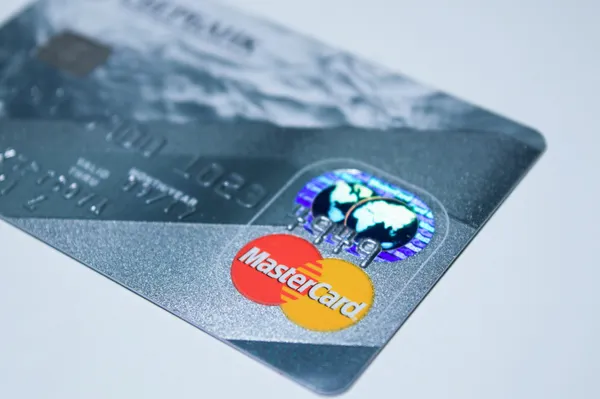
A secured credit card is a real credit card backed by a cash deposit you put up when you open it. That deposit acts as collateral, which is why the card is called "secured."
The card works almost exactly like a traditional credit card for everyday spending. You swipe, tap, or enter the number online, get a monthly bill, and pay at least the minimum due.
This article takes a closer look at what a secured card is, including how it works, who it is designed for, what it costs, and how to use it to build credit.
What is a secured credit card?
A secured credit card is a credit card that requires a refundable security deposit from the cardholder. The deposit amount usually becomes your credit limit. Put down $500, and you can typically spend up to $500 on the card.
Most issuers accept deposits between $200 and $5,000, according to US Bank's consumer guide. The deposit sits in reserve while the account is open. It is not available to spend, and it is not used to pay your monthly bill automatically.
What makes the card powerful is reporting. Unlike a debit card or a prepaid card, a secured card sends your payment history to the credit bureaus. Clark Howard of Clark.
com explains the distinction plainly: a secured card "is a real credit card that typically is reported to all three credit bureaus unlike a debit card or a prepaid credit card. "
That reporting is the whole point. Every on-time payment builds a track record. Every missed payment damages one.
The deposit protects the issuer, but your behavior is what moves your score.
Who is a secured credit card for?
Secured cards are designed for two groups: people building credit from scratch, and people rebuilding after a setback.
The first group includes young adults, new immigrants, and anyone with a "thin file," meaning a credit report with too little history for lenders to judge. Investopedia notes that secured cards are often issued to subprime borrowers or those with poor or limited credit histories, because the deposit compensates the issuer for the extra risk.
The second group includes people recovering from late payments, charge-offs, collections, or bankruptcy. For them, the card is a controlled way to prove reliability again. Experian's card guide puts it directly: secured cards are "specifically designed for people with poor credit, a limited credit history or no credit at all.
"
Clark Howard has a memorable way of framing the audience: "For someone who has never had credit or has a history of bad credit, a secured card can be a bridge to you establishing real credit. They work as long as you can maintain paying as you should," he told Clark.com.
Who is it not for? If you already have good credit, a secured card offers nothing extra. You would be locking up cash for no benefit.
It is also a poor fit if you cannot afford the deposit or cannot commit to paying on time, since the same reporting that builds credit will also record mistakes.
How does a secured credit card work?
Opening one looks like any other card application. You apply online or in person, and the issuer usually runs a hard inquiry on your credit report. Approval standards are lower than for unsecured cards, but most issuers still check.
Once approved, you pay the deposit. From there, the card behaves like a standard card. Purchases earn a billing statement each month.
You owe at least the minimum payment by the due date. Interest accrues on any balance you carry, at rates that tend to be high. Investopedia reports that secured-card APRs often sit above 20 percent, roughly in line with the national average credit card rate.
Your credit limit equals your deposit in most cases, though a few issuers set the limit at 50 to 100 percent of the deposit. Some lenders will raise the limit over time if your payments are steady.
The exit path matters most. Many issuers review your account periodically and may "graduate" you to an unsecured card. Discover, for example, reviews secured accounts monthly starting at eight months to decide whether to return the deposit and convert the account.
When you graduate, or when you close a paid-off account, you get the deposit back.

What does a secured credit card cost?
The deposit is not a fee. You get it back. The real costs are the fees and interest that can surround it, and they vary widely by issuer.
Start with the annual fee. Several major issuers, including Capital One and Discover, offer secured cards with no annual fee. Others charge one, and Clark.
com's guide urges shoppers to treat the card as a temporary bridge and to pay as little as possible while crossing it.
Then look for what Clark Howard calls "junk fees": setup or activation fees, monthly maintenance fees, fees for credit limit increases, and balance inquiry fees. These eat into your available credit and can make a cheap-looking card expensive.
Interest rates run high on secured cards, often above 20 percent APR, per Investopedia's review. The standard defense is simple: pay the balance in full every month. If you do that during the grace period, you owe no interest at all.
One grace period warning from Clark Howard deserves attention. Some less reputable secured issuers offer no grace period on purchases, meaning interest starts accruing the moment you swipe. He warns that with such cards, "you're paying a very high rate of interest, even if you're paying your balance in full every month.
" Always confirm the grace period in the card agreement before you apply.
The math of overdraft protection and other high-cost credit products offers a useful comparison. A secured card used correctly costs you only the deposit you get back. A secured card used carelessly, carrying balances at 25 percent interest, costs real money for no benefit.
How to build credit with a secured card
Getting the card is step one. Using it well is what actually builds the score. The playbook is short.
First, keep spending small. Credit scoring models weigh your utilization ratio, which is how much of your limit you use. Experts commonly recommend keeping it under 30 percent, and lower is better.
On a $500 limit, that means spending under $150 a month.
Second, pay on time, every time. Payment history is the single largest factor in most credit scores, and a secured card reports both good and bad behavior. Set up autopay for at least the minimum so a forgotten bill never becomes a 30-day late mark.
Third, pay in full when you can. Carrying a balance does not help your score. It only costs interest.
The rule of 72 shows how fast high-interest balances compound against you, so treat the monthly payoff as non-negotiable.
Fourth, give it time. Building a meaningful history takes several months to a couple of years, according to Investopedia. Patience is part of the design.
The card is a training program, not a quick fix.
Finally, watch for graduation. Check whether your issuer reviews accounts for automatic upgrades, and ask about the timeline. Once you are upgraded, the deposit comes back and your history continues on the same account.
Alternatives worth comparing
A secured card is not the only on-ramp to credit. Compare it against two common alternatives before you apply.
A credit-builder loan, offered by many credit unions and online lenders, works in reverse: the lender holds the loan amount in a savings account while you make payments, then releases the money when the loan is done. It builds payment history without a credit line.
Becoming an authorized user on a family member's established card can also add history to your report. It requires no deposit, but it depends on the primary cardholder's good behavior, and not all issuers report authorized-user activity.
Clark Howard suggests a third route: check your local credit union first. Many credit unions run "fresh start" programs with secured cards that carry no annual fee, report to the bureaus, and come with a clear path to a traditional card. Since credit unions are member-owned, he argues, they have a vested interest in your success as a borrower.
If you already carry a balance at a high rate, adding another card is almost never the answer. Focus on one tool, use it cleanly, and graduate out.
Frequently asked questions
How much deposit do I need for a secured credit card?
Most issuers require between $200 and $5,000, and your deposit typically becomes your credit limit. A $200 deposit usually means a $200 credit limit.
Is a secured credit card the same as a prepaid card?
No. A prepaid card spends your own loaded money and is never reported to credit bureaus. A secured card extends a real credit line, bills you monthly, and reports your payment history, which is what builds credit.
How long does it take to build credit with a secured card?
Expect several months of consistent on-time payments before you see meaningful movement, and a couple of years for a strong record. Discover reviews accounts for graduation starting at eight months.
Do I get my deposit back?
Yes, as long as the account is in good standing. You get it back when you close the account with a zero balance, or when the issuer graduates you to an unsecured card.
Can I be denied for a secured credit card?
Yes. Issuers still run credit checks, and applications can be denied for reasons like an active bankruptcy, unpaid tax liens, or insufficient income. Approval standards are lower than for unsecured cards, but they are not zero.
The bottom line
A secured credit card is a training-wheels credit card: your own deposit removes the lender's risk, and your monthly payments build the history that lenders trust. It suits first-time borrowers and anyone rebuilding after credit damage. Choose one with no annual fee and a clear graduation path, keep balances low, pay in full every month, and treat it as a bridge to a regular card.
This article is for general information, not financial advice.
Tags: credit cards, credit score, building credit, personal finance
Latest in Finance
- How Do Credit Card Points Actually Get Their Dollar Value?
- What Is Overdraft Protection and Why Is It So Expensive?
- What Is Overdraft Protection and Why Is It So Expensive?
- What Is the Rule of 72, Explained With Examples?
Get more personal finance explainers like this in your inbox every week.
Related stories

How your APR is divided by 365 to get daily interest
Lenders divide your APR by 365 for a daily rate, then apply it to your average daily balance. This guide walks through every step

What is the difference between APR and effective annual rate?
APR ignores compounding inside the year; the effective annual rate includes it. A 12.99% APR card really costs 13.80% a year. Worked

APY vs interest rate: what compounding does to your money
APY includes compounding; the interest rate does not. A 5% rate compounded monthly is really 5.12% APY. Here is how the math works and what