
Social Security may cut benefits 22% in 2032: what it means for your check
Web StoryWatch this story in 15 seconds →Key takeaways
- The 2026 Trustees report says the retirement trust fund runs out in late 2032. Without action from Congress, benefits would drop 22%.
- A 22% cut equals about $459 a month for the average retired worker. That is over $5,500 a year.
- Senators elected in the 2026 midterms will still be in office in 2032. Their votes will decide how the shortfall gets fixed.
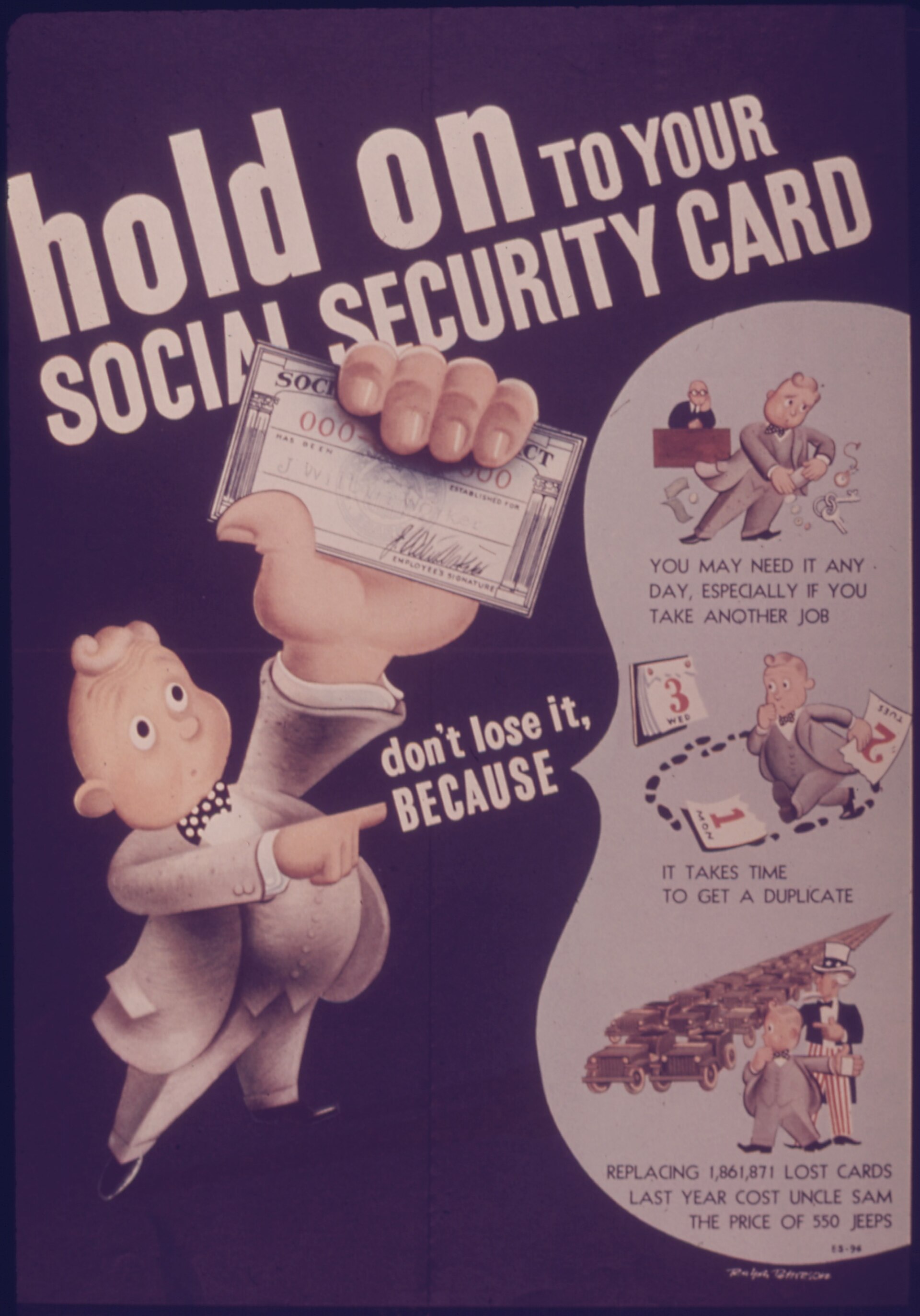
Social Security retirement benefits may be cut by 22% in late 2032. That is the warning in the 2026 annual report of the Social Security Board of Trustees. The report says the retirement trust fund runs out in late 2032. After that, the money coming in would cover only 78% of promised benefits.
What happened
Every year, the Social Security trustees publish a report on the program's finances. The June 2026 report moved the depletion date forward. Last year's estimate pointed to early 2033. The new date is the fourth quarter of 2032.
The trustees blamed three forces. Birth rates are lower than expected. Net immigration is lower too.
And a 2025 tax law reduced the tax revenue flowing into the trust funds.
CNBC reported the story on November 1, 2026. The Congressional Budget Office has a darker forecast, CNBC said. The CBO says the fund could run dry by mid-2032. It puts the cut at 26%.
Another estimate comes from the Committee for a Responsible Federal Budget. Its June 2026 report used a 24% cut. On that math, the average beneficiary would lose about $500 a month.
Retirees in 29 states would see even bigger average cuts, the group said.
Why it matters
Social Security pays monthly benefits to around 71 million Americans, Yahoo Finance reported. For 43% of seniors, it is the majority of their income. Those figures come from the Social Security Administration and AARP.
A 22% cut would hit wallets hard. The average retired worker got $2,087.52 a month in August 2026. A 22% cut removes $459 from that check. That is a loss of $5,508 a year.
Younger workers have more to lose. CNBC laid out what a new retiree would give up each year, in 2026 dollars. The example: someone turns 65 in 2033 and claims benefits at 67.
A very low earner would lose $3,419 a year. That is out of a scheduled $15,541. A low earner would lose $4,483.
A medium earner would lose $7,406. A high earner would lose $9,774. A maximum earner would lose $12,017.

Most people do not know this is coming. Yahoo Finance called it the "2032 blind spot." A TIAA survey found a knowledge gap.
More than one in five Americans do not know this. Their checks could shrink by about 20% in six years. That is according to Tim Pitney, who leads lifetime income distribution at TIAA.
The trust fund problem is old, but the deadline is now close. Shai Akabas of the Bipartisan Policy Center spoke to Yahoo Finance.
He called the depletion "one of the most predictable events in public policy." He said a 22% across-the-board cut "has started coming into clear focus."
A cut is not the same as bankruptcy. That is a common mix-up. Even if the trust fund runs dry, payroll taxes keep flowing.
Workers and employers would keep paying in. The program would keep paying out, just at 78 cents on the dollar.
The numbers also feed the wider debate over federal debt. Social Security's shortfall is part of the long-term budget picture. Fixing it now is cheaper than fixing it later, budget analysts say.
The Committee for a Responsible Federal Budget gave three options. One: raise payroll taxes by 34%. Two: cut all benefits by 25%.
Three: cut benefits 30% for new retirees only. Waiting makes the fix bigger.
What happens next
Congress is the only body that can fix this. The trustees urged lawmakers to act "in a timely way," the Burlington County Times reported.
Early action lets changes phase in slowly. That gives workers and retirees time to adjust.
The 2026 midterms put the issue on the ballot. Thirty-five Senate seats will be contested, MS NOW reported. The senators elected this November will still be serving in 2032. They will be the ones voting on any fix.
The last big fix came in 1983. That bipartisan deal raised the full retirement age from 65 to 67 in slow steps. It also raised payroll taxes. A similar mix of tax hikes and benefit trims is on the table now.
The ideas under discussion are straightforward. One option: raise the payroll tax rate. Workers and employers now each pay 6.2% on wages up to a cap.
The self-employed pay the full 12.4%. The cap rises to $192,300 in 2027, up from $184,500 in 2026, Yahoo Finance reported.
Another option: lift or remove that cap. The Tax Foundation gave a big number. Removing the cap entirely would raise $1.5 to $3.5 trillion over ten years.
That estimate came from MS NOW. Senator Roger Marshall of Kansas backs removing it. Senator Susan Collins of Maine also supports raising it.
A third option: trim benefits. That could mean a higher retirement age or slower growth in the annual cost-of-living adjustment. In 2020, Joe Biden endorsed raising payroll taxes on earnings above $400,000. That idea never moved forward.
One bolder idea goes further. It would have Social Security borrow heavily and invest the money in stocks.
Yahoo Finance reported that proposal. That idea is far from mainstream.
Politics will decide which mix wins. The 1983 deal shows that big fixes are possible. But they need both parties.
With the economy shaping the midterms, voters may push candidates to take a stand.
For workers, the practical move is to plan as if benefits will be smaller. Financial planners often suggest saving outside Social Security.
A personal retirement account can cushion a future cut. Waiting to claim benefits can also raise the monthly check.
The deadline is no longer far away. Six years pass fast. The senators sworn in after this November's vote will own the answer.
This article is for information only and is not financial advice.
Related stories

How your APR is divided by 365 to get daily interest
Lenders divide your APR by 365 for a daily rate, then apply it to your average daily balance. This guide walks through every step

What is the difference between APR and effective annual rate?
APR ignores compounding inside the year; the effective annual rate includes it. A 12.99% APR card really costs 13.80% a year. Worked

APY vs interest rate: what compounding does to your money
APY includes compounding; the interest rate does not. A 5% rate compounded monthly is really 5.12% APY. Here is how the math works and what