
US national debt hits 100% of GDP: why the milestone matters
Web StoryWatch this story in 15 seconds →Key takeaways
- Debt held by the public reached 100.03% of GDP in fiscal year 2026. It is the first triple-digit reading since 1946.
- The annual deficit was nearly $2 trillion, or 6.2% of GDP. Debt service costs hit a record $1.36 trillion.
- The ratio could still move when GDP figures are revised. The CBO expects pressure to grow for years.
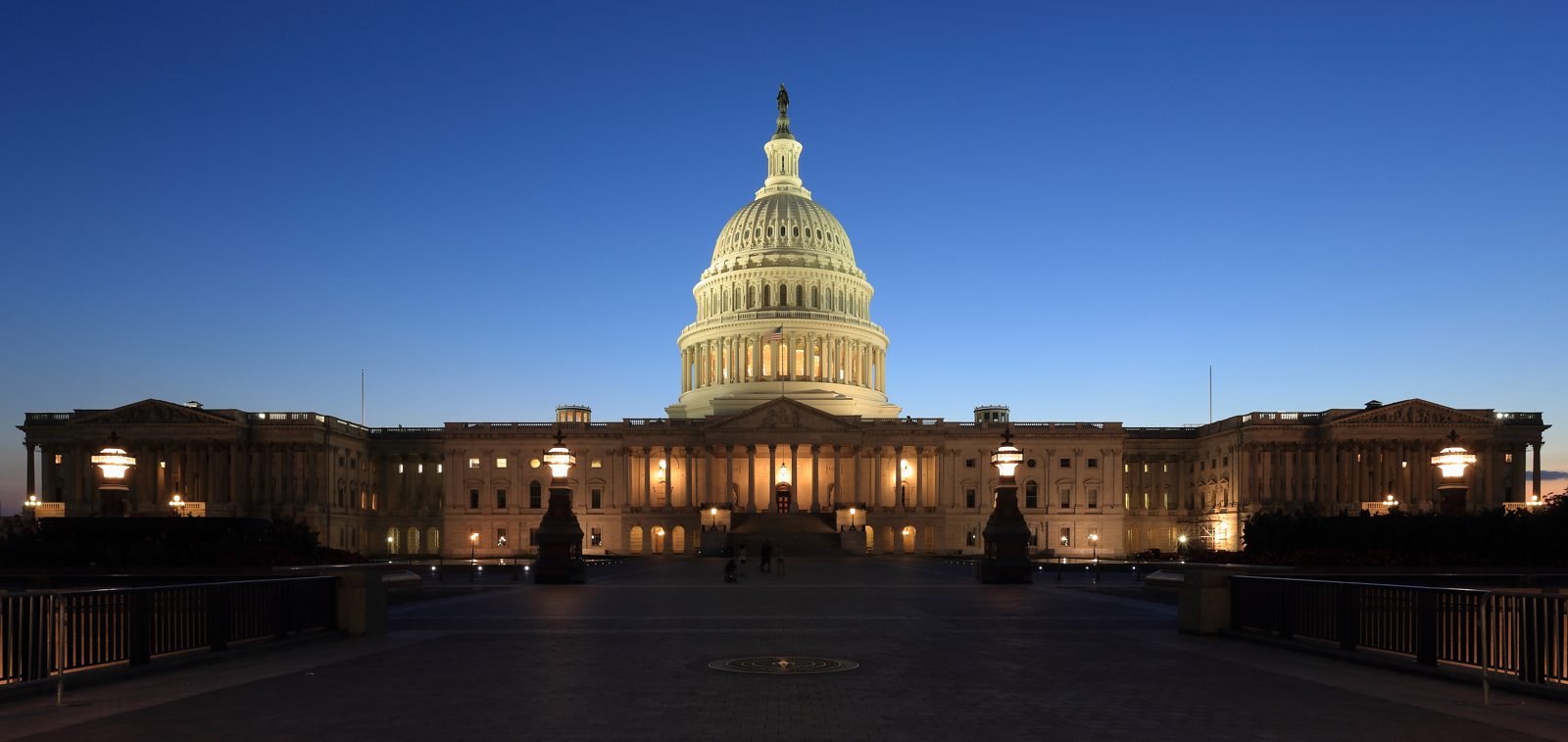
America now owes the public more than its economy makes in a year. Debt held by the public reached 100.03% of GDP. That covers the fiscal year that ended September 30.
It is the first triple-digit reading since 1946. Back then, the country was paying for World War II.
What happened
The Treasury had already reported the debt figure. Publicly held debt stood at $32.2 trillion on September 30. GDP was the missing piece.
The first estimate of third-quarter output came out on Thursday. That let economists finish the math. The $32.2 trillion equals 100.03% of yearly GDP.
The Wall Street Journal reported the result.
The ratio is up from 99.4% a year earlier. It sits below the budget office's February forecast of 100.6%.
The words "held by the public" matter. This counts money owed to outside lenders. It skips about $8 trillion the government owes itself.
Social Security's trust fund holds some of that internal debt. Economists prefer the public-debt measure. They say it shows the real burden of borrowing.
The wider gross debt passed $40 trillion in August. Reuters reported the figure. That number makes headlines.
It includes internal IOUs that never reach a private lender.
The yearly deficit tells the other half of the story. The gap between spending and revenue was nearly $2 trillion. That equals 6.2% of US GDP.
Reuters said the deficit grew 12% from the year before. It was the largest since the pandemic spending surge. Debt service alone cost a record $1.36 trillion.
A watchdog group ran its own numbers. The Committee for a Responsible Federal Budget estimated net interest at $1.1 trillion. That is 3.4% of GDP.
Interest is now the second-largest budget item. Only Social Security costs more. Interest payments beat both defense and Medicare.
The country is nearing the all-time record. That record is 106%, set in 1946. The record came from borrowing to fight World War II.
One caveat remains. The ratio could still move. Thursday's GDP number was only a first estimate.
Later revisions may push the reading up or down.
Why it matters
This marks a sharp turnaround from 2000. Back then, public debt was 33.7% of GDP. It was also falling.
The late 1990s produced real budget surpluses. Strong growth helped. So did spending restraint and dot-com tax revenue.
In 2001, Fed Chairman Alan Greenspan had a strange worry. He fretted about markets if the debt were paid off. That never happened.
Instead, Congress cut taxes and raised spending. The September 11 attacks brought emergency borrowing. So did the 2008-09 financial crisis.
The 2020 pandemic added another wave. An aging population raised Social Security and Medicare costs. Outlays have beaten revenue every year since 2002, the watchdog found.
What stands out about fiscal 2026 is the lack of a crisis. There was no pandemic. There was no recession or major war.
Yet the deficit neared $2 trillion. The economy grew fast in the third quarter. Borrowing grew just as fast, the Journal reported.
Higher debt also raises costs for families. More government borrowing means more competition for investors' money. That pressure pushes interest rates up.
The 30-year mortgage rate recently hit 7.40%. Freddie Mac reported the figure. That is far from the 3% rates of the 2010s.
Auto loans and credit cards feel the same pressure. Rising inflation and weak wage growth add to the squeeze.
The strain will not fix itself. Social Security may hit insolvency in 2032. That could trigger automatic benefit cuts.
Congress would have to act to stop it. The CBO says net interest will climb by more than 1% of GDP in ten years. Its forecast even used rates below today's levels.
If rates run 0.1 point higher, interest costs rise $379 billion more over a decade.
What happens next
Politics will decide the next chapter. The Trump administration promises an economic expansion. It says growth will head off trouble.
Reuters reported that no concrete deficit cuts have come yet. The administration also points to tariffs. It says import taxes will ease the fiscal pain.
That claim looks shakier now.
The Supreme Court struck down many of the tariffs this year. The government had to pay $145 billion in refunds. Reuters reported the figure.
That erased much of the tariff windfall. Tariff money was always a small slice of the budget gap.
Carolyn Bourdeaux leads the policy group Concord Action. She told Reuters that every 2026 candidate should face a budget question. They should explain how to put spending on a stable path.
Without real action, she warned of an "ominous fiscal crisis." She said it would come sooner than Washington admits.
The midterm elections land on November 3. Polls show costs as the top voter issue. Higher borrowing costs feed straight into those costs.
If Democrats win a chamber of Congress, tariff policy could change. Spending fights would look different too.
CBO director Phillip Swagel spoke at an event this month. He said many lawmakers grasp the scale of the problem. "I think there is understanding about the challenging fiscal trajectory," he said.
"Of course, the difficulty is that the nation is divided," he added. "We are divided politically and socially."
The CBO baseline already points past this milestone. It projects debt at 120% of GDP by 2036. That is $56.2 trillion.
The watchdog warns reality could look worse. Its backers push a bipartisan goal. They want the deficit down to 3% of GDP by 2030.
The 100% line is a milestone, not a cliff. Economists split on whether a tipping point exists. They call a US default highly unlikely.
Still, each year of triple-digit debt raises borrowing costs. It also shrinks room to respond to the next crisis. Washington has run out of excuses.
Whether it acts is the story to watch.
This article is for information only and is not financial advice. For household impact, see how savings account rates react to rate moves.
Related stories

How your APR is divided by 365 to get daily interest
Lenders divide your APR by 365 for a daily rate, then apply it to your average daily balance. This guide walks through every step

What is the difference between APR and effective annual rate?
APR ignores compounding inside the year; the effective annual rate includes it. A 12.99% APR card really costs 13.80% a year. Worked

APY vs interest rate: what compounding does to your money
APY includes compounding; the interest rate does not. A 5% rate compounded monthly is really 5.12% APY. Here is how the math works and what