
S&P 500 rebounds as oil prices fall: stocks recover from Friday sell-off
Web StoryWatch this story in 15 seconds →Key takeaways
- US stocks rose on Monday, November 2, after a brutal Friday sell-off.
- Oil prices fell nearly 7% as hopes grew for a diplomatic deal with Iran.
- Apple and Palantir report earnings after the market closes on Monday.
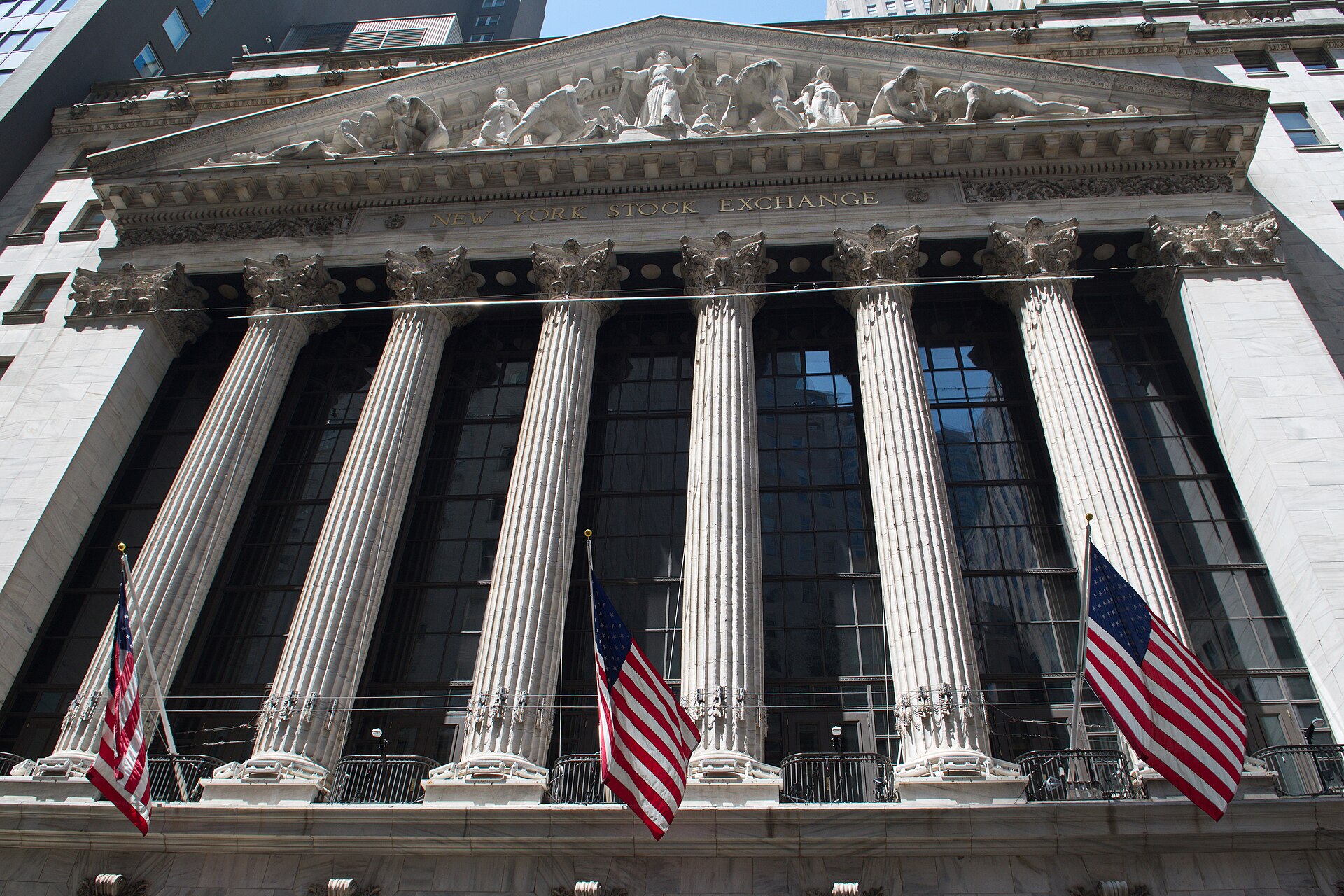
US stocks bounced back on Monday, November 2. The Dow Jones rose about 1%. The S&P 500 gained roughly 0.6%. The Nasdaq added about 0.7%.
The rebound came after a very bad Friday. Falling oil prices gave the market a lift. Investors now hope for a diplomatic deal between the US and Iran.
What happened
Trading started strong on Monday. The Dow Jones Industrial Average rose more than 500 points in midday trading. That is a gain of about 1%.
The S&P 500 added nearly 49 points. That pushed it to 7,628.90. It was up about 0.6%, according to TradingView data.
The Nasdaq Composite rose more than 211 points. That is a gain of about 0.8%. It closed the session near 25,648.
These numbers matter because Friday was ugly. US stocks fell sharply on Friday. It was the worst single day since June, according to AP business writers.
Investors dumped technology stocks on Friday. They are worried about big spending on artificial intelligence. They fear the money will not pay off soon enough.
Tech giants led the selling. Intel, Amazon, and Google's parent Alphabet all took hits. Friday's rout pushed the Nasdaq to its biggest monthly loss since March 2025.
Oil prices did the heavy lifting
Oil was the biggest story on Monday. US crude oil futures fell nearly 7%. They dropped below $100 a barrel to about $97.
Brent crude fell too. It is the global benchmark for oil prices. It dropped about 7.5% to around $105 a barrel.
Why did oil fall? Investors hope for peace. The US and Iran may reach a diplomatic deal.
That would lower the risk to oil supplies from the Middle East.
US Secretary of State Marco Rubio spoke over the weekend. He said the US would "prefer to do it peacefully," according to Investopedia. That eased fears of a strike.
Iran's foreign minister also made hopeful comments. He said Iranian negotiators were in Qatar. They were discussing a proposal to reopen the Strait of Hormuz, according to the AP.
The Strait of Hormuz is a narrow waterway. A large share of the world's oil passes through it. Any threat to it pushes oil prices up.
When oil falls, stocks often rise. Lower oil prices cut costs for many companies. Airlines, shipping firms, and manufacturers all benefit.
Airline stocks flew higher on Monday. United Airlines rose about 6%. American Airlines and Delta each gained more than 4%.

Why it matters
The S&P 500 is the index most beginners hear about. It tracks 500 large US companies. Many retirement plans invest in it.
If you have a 401(k) or a similar retirement account, it likely holds S&P 500 funds. A 0.6% gain sounds small. But on a $50,000 balance, that is $300 in one day.
This also shows how oil and stocks connect. When oil prices spike, companies pay more for fuel and transport. Their profits shrink.
Stock prices often fall.
When oil falls, the reverse happens. Costs drop. Profits grow.
Stock prices rise. That is what played out on Monday.
The rally also signals something about fear. Last week, fear of runaway AI spending ruled the market. US markets have been shaky for days, and even Australia's ASX 200 has been sliding as rate fears spread across the globe.
On Monday, a different fear took over: missing the rebound. Investors who sold on Friday rushed back in. That buying pushed prices higher still.
Bond markets told a calmer story. The yield on the 10-year Treasury note fell to 4.89%. That is its lowest level since early September.
Lower yields often help stock prices. To understand why, see how bond prices move when rates change.
Gold rose too. It climbed about 2% to $3,980 an ounce. Investors still want some protection.
They are not fully relaxed yet.
What happens next
The week ahead is packed. Several big events could move the market.
First, earnings. Apple and Palantir report after the market closes on Monday. Apple is one of the world's most valuable companies.
Its results move the whole market.
Tech stocks were mixed on Monday. Investors held back before these reports. Chip giant Nvidia rose about 1%.
Amazon and Tesla each gained more than 2%.
But other chip stocks fell. Advanced Micro Devices dropped about 3%. Intel fell 5%.
It had already plunged nearly 30% on Friday.
Second, elections. US midterm elections are on Tuesday. Voters are worried about inflation and the economy.
Results could shift market mood fast.
Third, jobs data. The October jobs report comes out on Friday. It shows how many jobs the US added last month.
A strong report can lift stocks. A weak one can hurt them.
September's report was weak. Employers added only 29,000 jobs. The unemployment rate ticked up to 4.2%.
That is still low, but the trend worries economists.
The big question is simple. Will Monday's rebound last? Or was it just a one-day bounce?
The S&P 500 sits about 2.8% below its all-time high, according to the Korea Times. That means a full recovery is close. But the AI spending debate is not over.
Every new earnings report is a test. If Apple and Palantir calm investors, the rally can grow. If they disappoint, Friday's fear could return fast.
One thing is clear for now. Oil is the market's mood meter. If diplomacy with Iran moves forward, oil stays low and stocks stay supported.
If talks break down, expect the opposite.
This article is for information only and is not financial advice. It explains how market moves connect to everyday costs like fuel, much like how rising rates move [bond prices](/finance/bond-prices-fall-interest-rates-rise/).
Related stories
How your APR is divided by 365 to get daily interest
Lenders divide your APR by 365 for a daily rate, then apply it to your average daily balance. This guide walks through every step
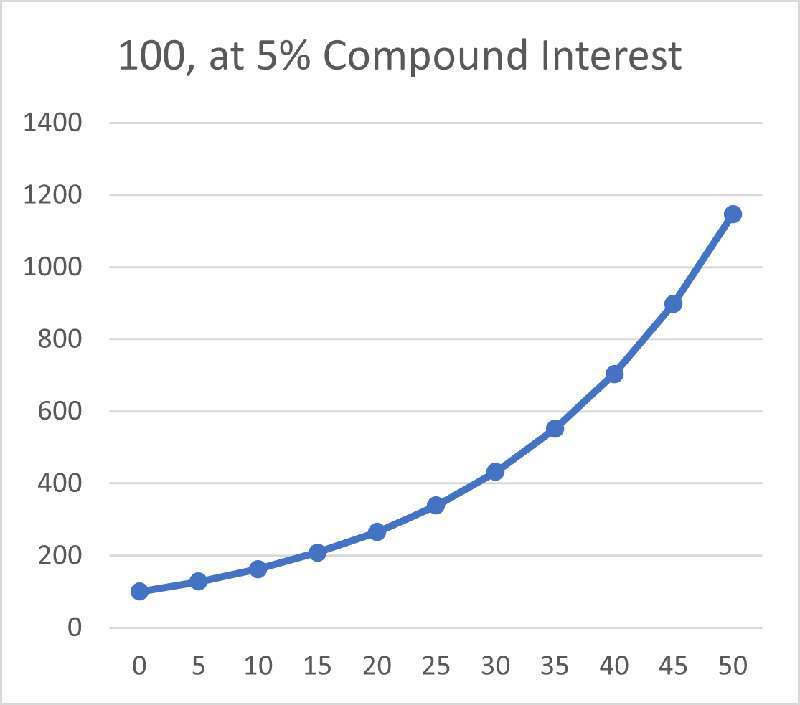
What is the difference between APR and effective annual rate?
APR ignores compounding inside the year; the effective annual rate includes it. A 12.99% APR card really costs 13.80% a year. Worked

APY vs interest rate: what compounding does to your money
APY includes compounding; the interest rate does not. A 5% rate compounded monthly is really 5.12% APY. Here is how the math works and what