
Why do store credit cards have such high APRs?
Key takeaways
- Store cards averaged 30.14 percent APR in Bankrate's July 2026 survey, versus 20.12 percent for general-purpose cards.
- Easier approval, higher delinquencies, small balances, and flat-rate pricing all push store-card rates up.
- Deferred-interest promotions can charge interest back to the purchase date if any balance remains.
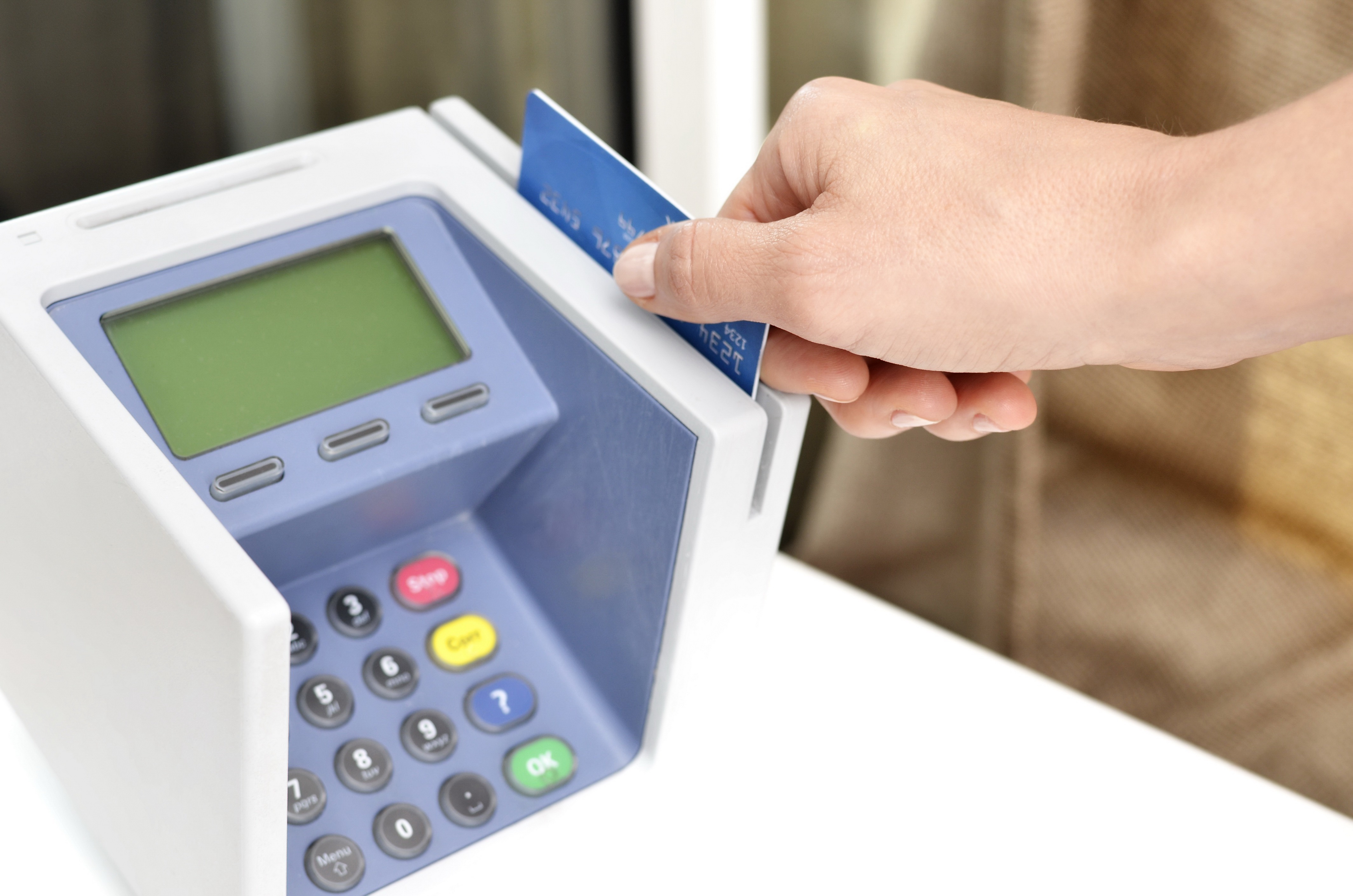
You are standing at checkout, and the cashier offers 20 percent off if you sign up for the store card right now. It sounds like free money on a receipt you are already holding. What the offer does not mention is the interest rate waiting on the other side.
Store credit cards charge some of the highest interest rates in consumer credit. The gap between their rates and ordinary credit card rates is wide, and it has grown over the past few years.
This article explains why store credit cards have such high APRs, including the survey numbers, the five reasons issuers charge more, the deferred-interest trap, why retailers keep pushing these cards, and when one might still make sense.
What a store credit card is
A store credit card is a credit card issued in a retailer's name. There are two main kinds, and the distinction matters for both the rate and where you can use the card.
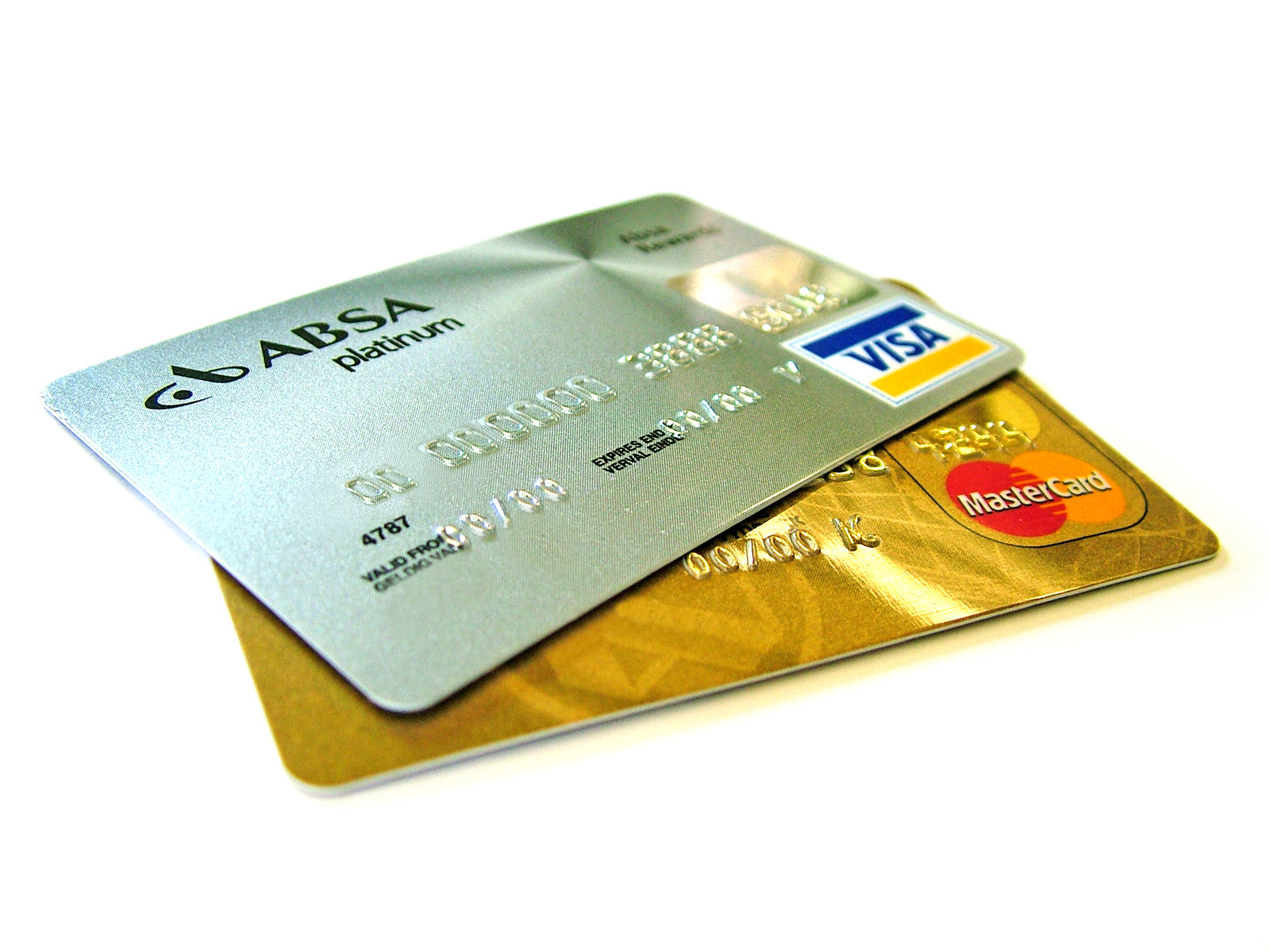
Store-only cards, also called private-label cards, work at a single retailer or chain. You can use them at that store and nowhere else. Co-branded cards carry a Visa or Mastercard logo alongside the retailer's name, and they work anywhere that network is accepted.
Co-branded cards tend to charge slightly lower rates than store-only cards. They also tend to look more like ordinary credit cards, with broader acceptance and sometimes richer rewards.
Both kinds are usually issued by a partner bank, not by the retailer itself. Four banks, Synchrony Financial, Citibank, Capital One, and Bread Financial, issue more than 80 percent of all retail credit cards on behalf of retailers, according to Debt Discipline.
The numbers behind the gap
Bankrate's July 2026 survey of 110 store credit cards from the nation's top 100 retailers found an average APR of 30.14 percent. That was the second-highest rate recorded since Bankrate began tracking retail cards in 2008.
Store-only cards averaged even higher, at 31.64 percent. Co-branded cards carrying a Visa or Mastercard logo averaged 28.65 percent. The average general-purpose credit card charged 20.12 percent over the same period.
That means a typical store card now costs roughly one and a half times more to carry a balance than the card already sitting in most wallets. The gap is not a rounding error. It is the whole story.
Twelve retailers tied for the highest rate Bankrate found, all charging 35.99 percent APR. The list included Academy Sports and Outdoors, Burlington, Michaels, Petco, Saks, Victoria's Secret, and the jewelry chains Banter, Jared, Kay, Sterling, and Zales.
A few cards sit well below the pack. The Amazon Secured Card charges 10 percent, the Military Star Card charges 14.49 percent, and Circle K's Holiday Smart Savings card charges 16.20 percent. Checking a card's actual rate before applying takes less time than the checkout line itself.
Reason 1: Easier approval means higher risk
Store cards approve a wider range of applicants than general-purpose cards do. Shoppers with thin credit files or borderline scores can often get a store card when a bank would decline them for a standard card.
Issuers say that wider approval comes with higher losses. Ted Rossman, Bankrate's senior industry analyst, said issuers justify the gap because store cards are easier to qualify for and delinquencies on them have increased.
Consumer Reports reported the same logic from an earlier CreditCards.com survey. One reason store cards have higher rates is that they tend to attract higher-risk applicants than other card issuers do.
Easier approval comes with a steeper price attached, whether or not a cardholder ever misses a payment. The rate is set for the pool of applicants as a whole, not just for the riskiest ones.
Reason 2: Small balances need high rates to pay off
Store cards often come with low credit limits. A lower limit means smaller balances, and smaller balances generate less interest income at any given rate.
Kevin Morrison, a retail banking senior analyst at the Aite Group, told Consumer Reports that store cards often have a lower credit limit, so a higher rate helps issuers make money from those smaller balances.
That is a structural reason, not a penalty for bad behavior. Even a careful borrower with a small balance is, from the issuer's side, a low-revenue account unless the rate is high.
Reason 3: Flat-rate pricing instead of risk tiers
Most general-purpose cards price by credit tier. A borrower with excellent credit gets a lower rate than a borrower with fair credit, because the issuer adjusts for risk person by person.
Many store cards do the opposite. They apply one fixed, higher rate to nearly every approved applicant instead of adjusting by credit tier. That is why even a shopper with a strong credit score can face a 30 percent rate on a store card.
Debt Discipline notes that this flat pricing shows up in late-fee revenue too. Private-label cards make up about a third of retail card accounts industry-wide but produce 46 percent of all late-fee revenue.
The practical lesson is blunt. A good credit score does not protect you from a store card's rate the way it does on a general-purpose card.
Reason 4: The deferred-interest trap
Many store cards, especially at furniture, electronics, and home improvement retailers, advertise no interest if paid in full promotions. Those promotions run six, twelve, or even twenty-four months. The catch sits in the word deferred.
If any balance remains when the promotional period ends, even a few dollars, the issuer can charge interest back to the original purchase date rather than just on what is left. That retroactive charge is what makes deferred interest different from a true zero-percent offer.
A Consumer Financial Protection Bureau analysis modeled exactly this scenario using a 4,500 dollar furniture purchase carrying a 31.99 percent APR. Leaving just 180 dollars unpaid when the promotional period ended triggered 1,439.55 dollars in retroactive interest charges, nearly eight times the size of the remaining balance itself.
Read the promotion terms before you sign. If the words deferred interest appear, the safe plan is to pay the full balance well before the deadline, not on the last day.
Reason 5: The cards are profit centers for retailers
Store cards stay profitable well beyond the interest they collect. Card programs accounted for roughly 36 percent of net income at some major retailers between 2018 and 2023, once financing revenue is counted separately from merchandise sales, according to Debt Discipline.
That helps explain why the offer comes at checkout, in the moment, with a discount attached. The card is not a side product. For some retailers, the financing business is a major source of profit.
Financial advisor Joe Roseman told WVLT that those credit cards are sometimes more profitable than actually selling the merchandise. Once a shopper is paying interest every month, the retailer has a steady revenue stream that does not depend on the next visit.

When a store card might still make sense
A store card can be worth opening if you plan to pay the full balance every statement and the discount genuinely offsets what you would have spent anyway. The math turns against you the moment a balance carries over to a second month at a rate above 30 percent.
Store cards can also serve as a stepping stone for people who are new to credit or rebuilding a score. Rossman told Consumer Reports that a shopper can be more easily approved for a store card than for a regular card. The condition is strict: keep the balance low and pay bills on time, or high rates will undermine the effort.
If you shop frequently at one store, weigh the rate, how likely you are to pay off the debt each month, and how often you need to shop there to benefit from the perks. A general-purpose cashback card may beat the store card even at your favorite shop.
Rossman advises against deciding at the register. He told Consumer Reports that shoppers should go home and think about it, and consider whether a general-purpose card with cash back or other rewards would serve them better.
Frequently asked questions
Are store credit cards ever worth opening?
They can be, if you pay the full balance every statement and the discount offsets spending you would have done anyway. The math turns against you the moment a balance carries past the first month at a rate above 30 percent.
Why are store-card rates so much higher than regular cards?
Store cards approve a wider range of applicants and charge most of them the same fixed, higher rate rather than pricing by credit tier. Issuers say higher approval rates and elevated delinquencies justify the cost.
What happens if I do not pay off a deferred-interest promotion in time?
The issuer can charge interest back to the original purchase date on the entire amount financed, not just the outstanding balance. A small remaining balance can trigger a disproportionately large interest charge.
Do store cards affect my credit score differently?
Not structurally. But a fast-growing balance on a card with a steep rate can raise your credit utilization and pull your score down if payments slip.
Should I cancel a store card after paying it off?
Rossman told Consumer Reports that most store cards carry no annual fee, so there is no cost to keeping a paid-off card. Cancelling it, by contrast, can temporarily ding your credit score.
The bottom line
Store cards charge high APRs because they approve more applicants, carry smaller balances, price most customers at one flat rate, and sit inside a retail business that profits from financing. Deferred-interest promotions add a trap that can turn a small leftover balance into a large retroactive charge.
If a 20 percent discount is worth having, plan to pay the full balance before the first statement closes. This article is for general information, not financial advice.
Tags: credit cards, APR, retail, interest rates
Latest in Finance
- Why Do Mortgage Rates Differ From the Federal Funds Rate?
- What Is PMI on a Mortgage and How Does It Work?
- How Cashback Apps Make Money If They Pay You
Subscribe for one plain-English money explainer each week.
Related stories

How your APR is divided by 365 to get daily interest
Lenders divide your APR by 365 for a daily rate, then apply it to your average daily balance. This guide walks through every step

What is the difference between APR and effective annual rate?
APR ignores compounding inside the year; the effective annual rate includes it. A 12.99% APR card really costs 13.80% a year. Worked

APY vs interest rate: what compounding does to your money
APY includes compounding; the interest rate does not. A 5% rate compounded monthly is really 5.12% APY. Here is how the math works and what