
Why does your heart rate stay elevated after exercise? EPOC and recovery
Key takeaways
- A gradually falling heart rate after exercise is normal; the body needs minutes to restore its resting state.
- The scientific name for the process is EPOC: the body consumes extra oxygen to refuel muscles, clear waste, and cool down.
- The harder and longer the workout, the longer the elevation lasts, and fitter people recover faster.
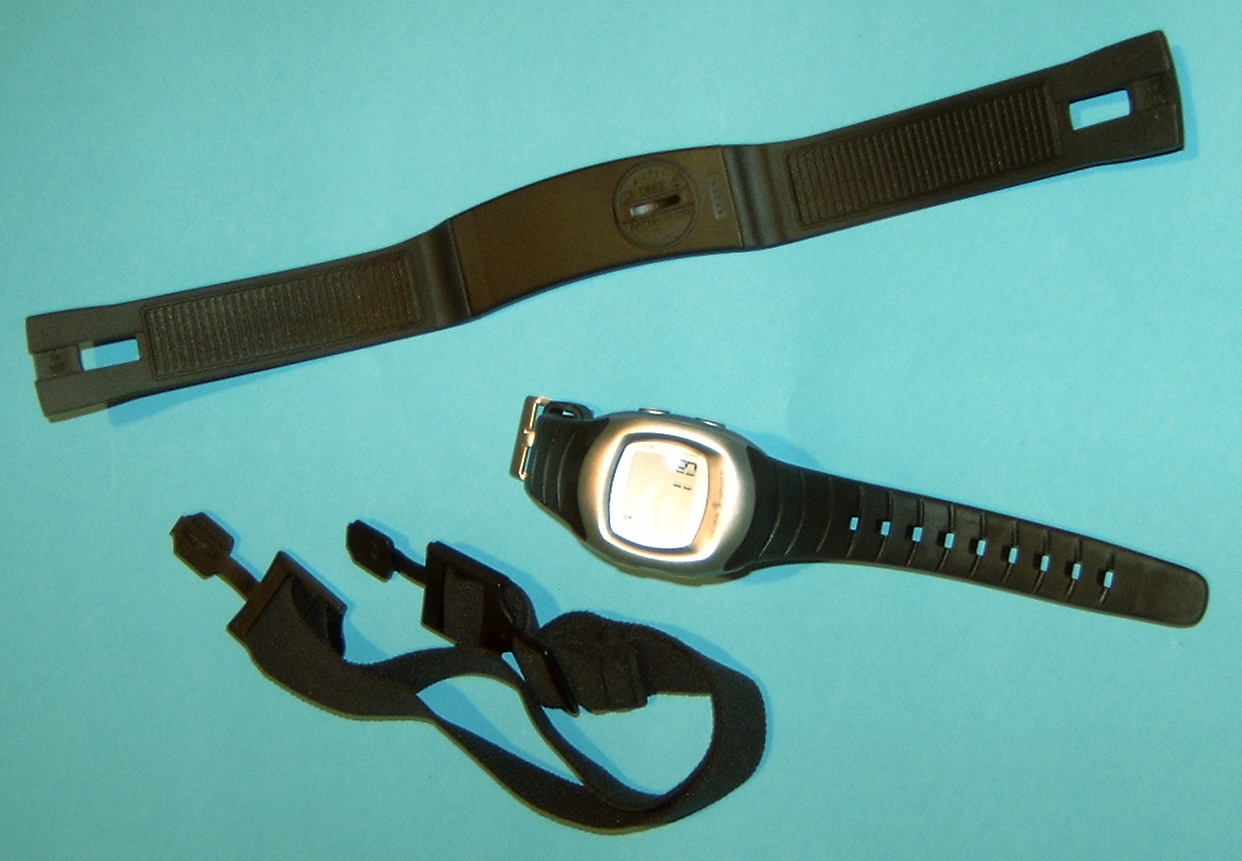
Your heart rate stays elevated after exercise because your body is still working. The workout may be over, but muscles need refueling, waste needs clearing, and core temperature needs lowering. The heart keeps pumping harder to power all of that.
This is normal, and the drop back to resting is supposed to be gradual. This article explains what drives the elevated rate, how long it typically lasts, what speeds up recovery, and when a stubbornly high heart rate deserves medical attention.
The body does not switch off instantly
"When you stop exercising, it does not immediately return to your resting heart rate. The body needs some time to gradually return to its normal state."
That was cardiologist Dr. Akhil K. Rustagi, senior director and head of cardiology at ShardaCare-Healthcity, speaking to the Hindustan Times.
During exercise the heart pumps more blood to muscles to meet their demand for oxygen. Heart rate rises with intensity.
When the movement stops, demand does not vanish at once. The body's oxygen and nutrient needs remain elevated while repair and rebalancing get underway.
"After a workout, the heart rate should gradually come down rather than suddenly return to the resting level," Dr. Rustagi added. A slow, steady decline is the healthy pattern.
EPOC: the science behind the afterburn
Exercise scientists have a name for this state: EPOC, or excess post-exercise oxygen consumption. It describes the elevated oxygen intake after a workout as the body repays an oxygen debt and restores its resting conditions, according to MyProgressPics.
What exactly is being repaid? Researchers Reynolds and Kravitz (2001), cited by Myzone, list the jobs: replenishing energy stores, re-oxygenating the blood, restoring circulatory hormones, decreasing body temperature, and returning breathing and heart rate to normal.
In plain terms, the body must rebuild its fuel tanks (ATP and phosphocreatine), clear lactate from the blood, repair muscle proteins, and refill glycogen. All of that costs oxygen, so the heart keeps beating faster to deliver it.
How long the elevation lasts
There is no single timer. Most of the extra oxygen consumption happens within the first hour after exercise and tapers off gradually, according to MyProgressPics.
Research cited by Myzone puts the full recovery window anywhere from 15 minutes to 48 hours (Vella and Kravitz, 2004), though most studies measured elevated oxygen use within 24 hours. Light exercise produces an EPOC lasting only minutes. High-intensity training can extend the effect for several hours.
The harder the session, the bigger the debt. "The higher the intensity (and the more the exercise disrupts our homeostasis), the greater the magnitude and duration of EPOC," Myzone's summary states. Intensity is the main driver, with longer sessions adding to the effect.
What changes the recovery time
Workout intensity tops the list. HIIT, tempo runs, heavy resistance training, and circuit training produce the largest EPOC responses, according to Vella and Kravitz (2004).
Fitness level matters too. "How quickly it falls can depend on the intensity of exercise, a person's fitness level and other factors," Dr. Rustagi told the Hindustan Times.
A fitter cardiovascular system returns to baseline faster. That is why heart rate recovery is used as a fitness marker: a quick drop signals good aerobic conditioning, which also tracks with a higher VO2 max.
Everyday factors also play a role.
Dr. Rustagi names dehydration, heat, stress, lack of sleep, and caffeine as things that can keep the heart beating faster after a workout. A hot, dehydrated session will extend the cooldown window.
The calorie afterburn, honestly measured
EPOC does burn extra calories after the workout. The honest numbers are modest.
Most research reviewed by Myzone showed an additional 50 to 200 calories of expenditure following resistance and interval training. More calories are burned during the exercise session itself than in the afterburn.
Still, small amounts compound. Myzone illustrates the math: three weekly workouts with an average EPOC of 100 calories each add up to an extra 300 calories beyond what the sessions burned. It is a real bonus, not a metabolic miracle.
How to bring your heart rate down well
A deliberate cool-down helps. "Instead of stopping suddenly after intense exercise, walking slowly for a few minutes allows the heart rate and breathing to come down gradually," Dr. Rustagi advised.
That walking transition keeps blood from pooling in the legs and gives the heart a gentler ramp back to rest. Hydrating, cooling off, and avoiding a big caffeine dose right after hard training also shorten the window.
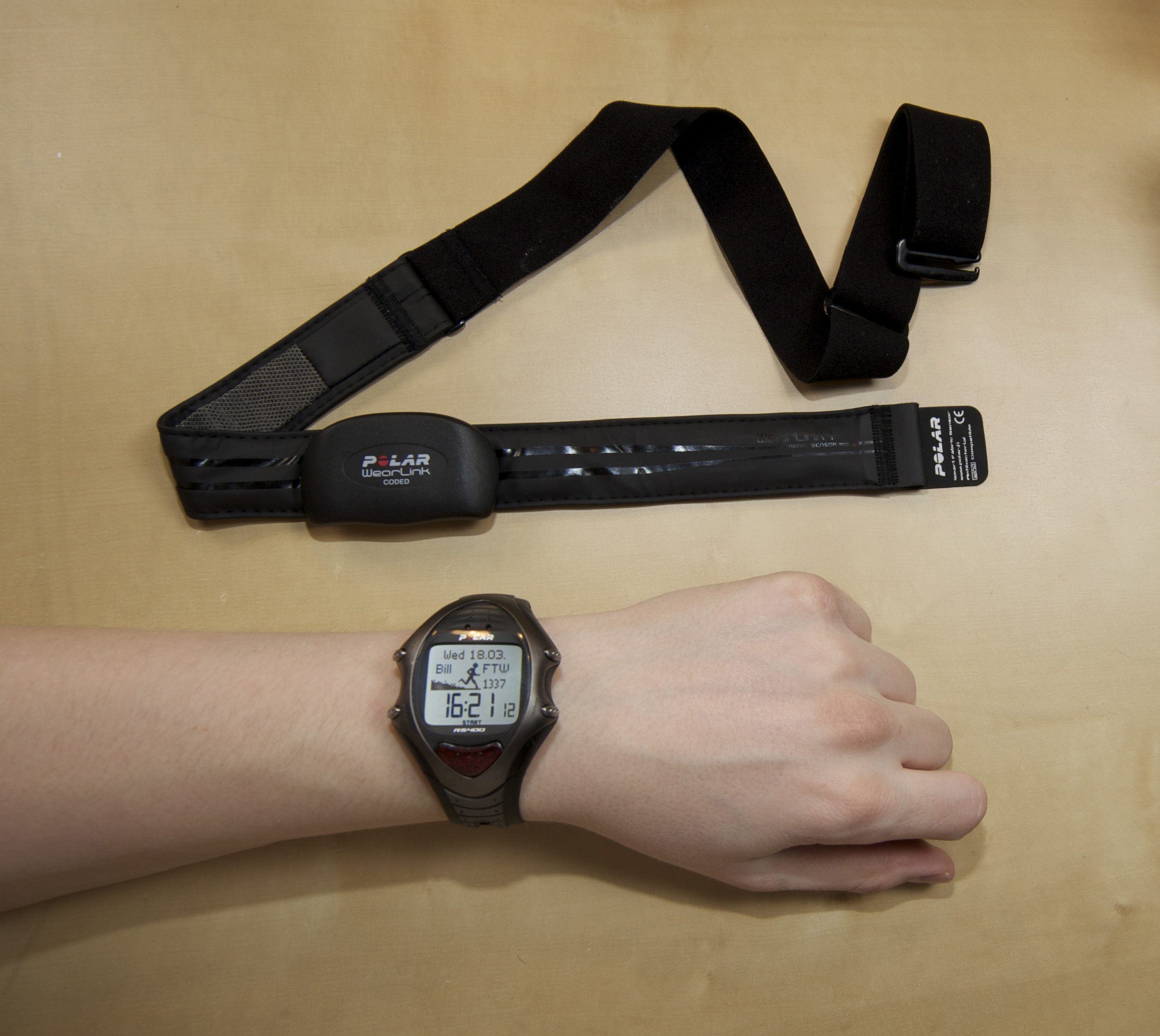
Tracking the pattern teaches you something useful. If your recovery time shrinks over weeks of training, your conditioning is improving. If a familiar workout suddenly leaves your pulse unusually high, that can flag fatigue, dehydration, or illness.
When a high heart rate after exercise is a warning sign
Most of the time, a lingering elevated pulse is physiology, not pathology. Dr. Rustagi sets out the exceptions clearly.
A heart rate that stays unusually high for longer than expected after a relatively light workout deserves attention, especially if it happens repeatedly. It is also worth discussing with a doctor if your heart rate runs much higher than usual during the same workout you have done before.
Symptoms change the picture entirely.
Dr. Rustagi lists the red flags: chest pain or pressure, unusual breathlessness, dizziness, feeling faint, extreme weakness, and a fast or irregular heartbeat during or after exercise. "If your heart rate remains unusually high, this happens repeatedly or is accompanied by symptoms such as chest pain, dizziness or difficulty breathing, it is better to speak to a cardiologist rather than dismissing it as a normal part of exercise," he said.
This article is for general information, not medical advice. See a clinician about symptoms like chest pain, dizziness, or fainting.
The bottom line
Your heart rate stays elevated after exercise because recovery is active work: the body repays its oxygen debt, refuels muscles, clears waste, and sheds heat. Harder workouts stretch the process out, and fitter bodies finish it faster. Help it along with a walking cool-down and fluids, and treat an unusually stubborn or symptom-accompanied elevation as a reason to see a cardiologist.
By Rive News, Research desk. Rive News publishes plain-language explainers built from named sources and verified facts.
Latest in Fitness
- What Is VO2 Max in Simple Terms, and Why Runners Care About It
- Why Do You Feel Nauseous During Intense Workouts?
- What Is Zone 2 Cardio and Why Is It Popular?
- How Does Caffeine Improve Workout Performance?
Get one clear fitness explainer in your inbox each week. Subscribe to the Rive News newsletter.
Related stories

How long does it really take to build noticeable muscle?
Strength gains start in week one, but visible muscle takes 8-12 weeks for most beginners. What the Oklahoma CT-scan study measured,

Why you feel dizzy after a workout: the 5 common causes
Post-workout dizziness usually comes from a blood pressure dip, dehydration, or low blood sugar. The numbers behind each cause, and when

Why Do Knees Hurt When Squatting but Not Running?
Knees hurt when squatting but not running because deep bends multiply force on the kneecap. Learn the mechanics, common causes, fixes,