
How to Make Walking Count as Real Exercise
Key takeaways
- Brisk walking counts as exercise when you can talk but not sing. Aim for at least 3 mph, or a pace that warms you up.
- Adults need 150 minutes of moderate activity each week. Five brisk 30-minute walks cover the full target.
- Speed beats step count. Hills, intervals, and two strength days each week turn routine walks into training.
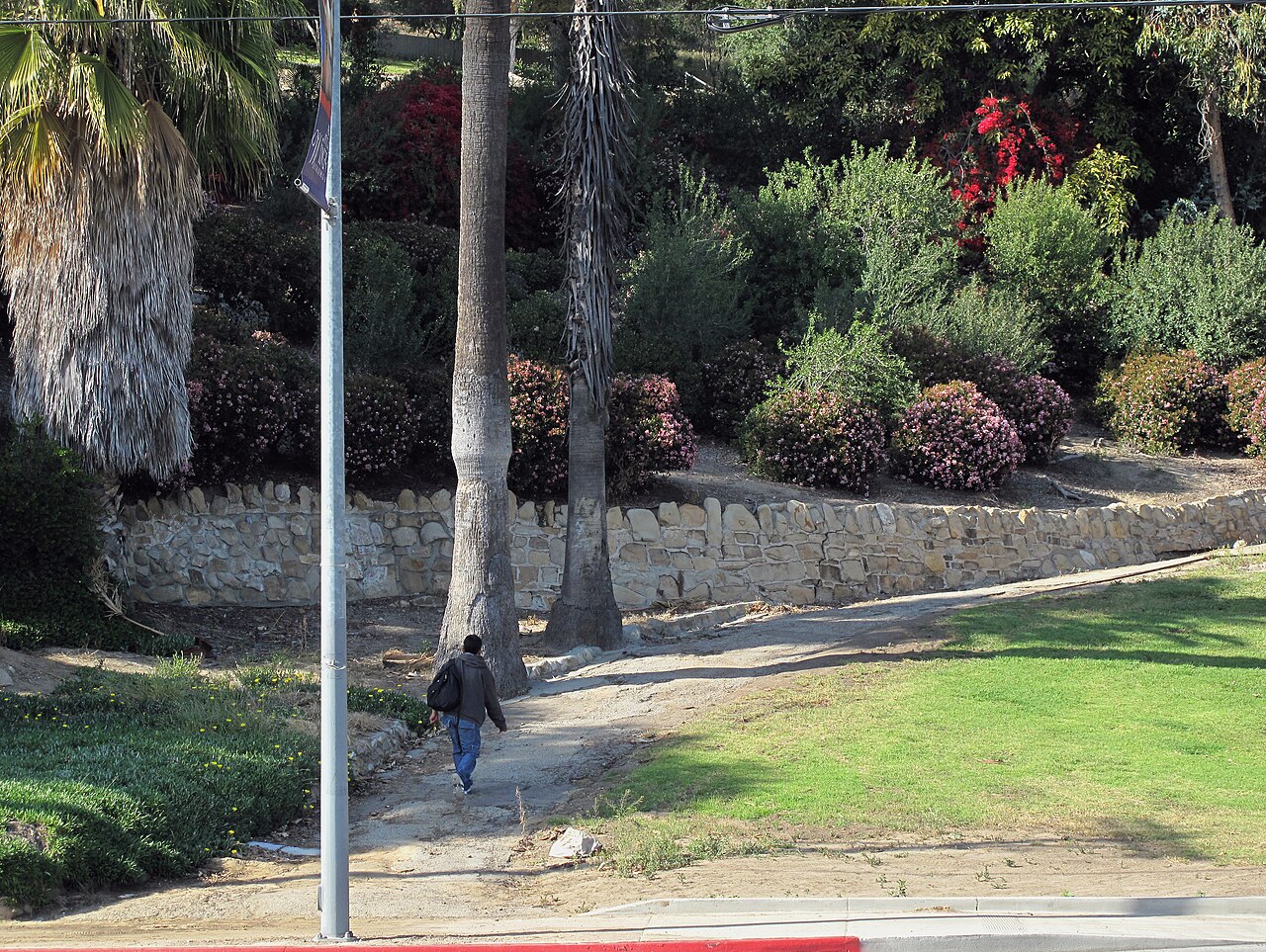
Walking counts as real exercise when it is brisk enough to raise your heart rate and warm your body. A slow stroll has value, yet it does not train your heart the way a purposeful walk does.
The difference is pace, not distance. Ten thousand slow steps can leave your breathing unchanged, while a focused 30-minute brisk walk can leave you warm, breathing harder, and clearly worked.
This article explains what counts as real exercise, how to find your brisk pace, how to build the weekly minutes, how to add hills and intervals, and how to make walking stick.
What counts as real exercise
Public health guidance measures exercise by intensity and minutes, not by step totals. The CDC advises adults to get at least 150 minutes a week of moderate-intensity activity, such as brisk walking, plus muscle-strengthening activity on at least 2 days a week.
Moderate intensity has a simple field test. At that effort, you can talk but you cannot sing, according to the CDC guidance quoted in walking advice. Your heart rate rises, you breathe faster, and you may feel a bit warm.
Step counts alone miss this point. The 10,000-step target began as marketing for a Japanese pedometer in the 1960s, ahead of the Tokyo Olympics, and it carries no medical reasoning behind the number itself.
That does not make step counts useless. They track how much you move, and more movement beats less. Still, a walker who chases steps at a dawdle will gain less than a walker who covers fewer steps at a brisk pace.
Dr Zoe Williams, clinical champion of physical activity at the Royal College of GPs, puts it plainly: "What is most important is the speed at which you walk." She adds that a slow strolling pace will not raise your heart rate, so the health benefits would be minimal.
Research backs the pace-first view. A 2023 analysis reported that 11 minutes of brisk walking at moderate intensity could prevent one in 10 early deaths worldwide. Short brisk walks are not a consolation prize, since they carry real weight.
Find your brisk pace
Brisk walking means at least 3 mph for most adults, according to Williams. That pace feels purposeful, like walking to catch a bus you can still see.
Use the talk test on your next walk. If you can chat in full sentences with ease and sing a line of a song, you are walking too slowly. If you can talk but not sing, you are in the right zone.
If you cannot finish a sentence without gasping, you have crossed into vigorous effort. That is fine for short bursts, yet it is hard to hold for a full 30 minutes, so ease back a notch.
Posture helps you hold pace. Stand tall, relax your shoulders, swing your arms naturally, and take smooth steps rather than long lunges. Short, quick steps beat overstriding, which jars the knees and slows you down.
Shoes matter more than gadgets. A pair with cushioning, grip, and room for your toes will carry you further than any tracker, and worn-out soles are a common reason walks start to hurt.

Track pace with time, not guesswork. Walk a known route, note how long a mile takes, and aim to trim that time over weeks. A mile in 20 minutes or less is a solid brisk benchmark for many adults.
A phone app can help if you like numbers. The free NHS Active 10 app tracks walking and speed, and one brisk 11-minute walk each day already gives clear benefit.
Build the weekly minutes
The 150-minute target sounds large until you split it. Five walks of 30 minutes cover it, and so do shorter walks spread across the week.
Start where you are. If you walk little today, begin with 10 minutes a day and add 5 minutes each week. Small steps held for a month beat a heroic week followed by a month on the couch.
Three brisk 10-minute walks in a day count the same as one 30-minute walk for weekly minutes. A walk at lunch, a walk after dinner, and a walk to the shop all add up.
Put walks on your calendar like appointments. A walk scheduled for 7am or for the lunch hour happens far more often than a walk planned for "later."
If you hate the gym, walking is one of the easiest ways back into regular movement. It needs no membership, no special kit, and no commute to a facility.
Pair walking with a habit you already keep. Walk while you call a friend, walk after your morning coffee, or walk the long way to the bus stop. Habits stacked on habits tend to survive busy weeks.
Add hills, intervals, and strength
Once brisk flat walking feels easy, add variety. Hills raise effort without raising speed, and they build leg strength at the same time.
Try a simple hill loop. Walk up at a steady brisk pace, recover on the way down, and repeat two or three times. Keep your steps short on the climb and let your arms swing.
Intervals add fitness fast. Walk briskly for 3 minutes, then push hard for 1 minute, then return to brisk. Repeat that cycle four to six times across a 30-minute walk.
Carry light effort, not heavy weights. A backpack with a few books on a hilly route adds challenge, while hand weights can strain shoulders and elbows. If you want strength, do it properly after the walk instead.
Walking alone does not cover strength. The CDC pairs its 150-minute guidance with muscle-strengthening activity on at least 2 days a week, working all major muscle groups.
At home, press-ups against a wall, sit-ups, lunges, squats, and biceps curls with water bottles all count. Williams notes that without resistance exercise, people lose muscle mass from the age of 40, and more rapidly after 60.
If you are getting back to exercise after months off, add strength gently. One short session a week beats none, and two sessions cover the guidance.
Make walking stick
Motivation fades, so build systems instead. Lay out shoes and clothes the night before, keep a rain jacket by the door, and choose a route you enjoy rather than one you dread.
Walk with someone when you can. A partner turns a workout into a social hour, and a standing appointment with another person is harder to skip than a solo plan.
Change routes to keep walks fresh. Parks, riverside paths, markets, and hill trails all train the body a little differently, and a new view keeps the habit alive.

Track what matters to you. Some walkers count minutes, others count miles, and others simply tick off days on a calendar. Pick the measure that pulls you out of the door.
Expect bad days. Rain, late meetings, and sore legs will break the routine at times, and one missed walk is not a failed plan. If you lose motivation for exercise, shrink the next walk to 10 minutes and start again.
Pay attention to warning signs. Chest pain, severe breathlessness, dizziness, or joint pain that grows worse each walk all deserve a prompt check with a clinician. Walking should feel like effort, not punishment.
Breathing matters on faster walks too. Learning how to breathe properly while running uses the same ideas of rhythm and belly breathing that help brisk walkers.
Does 10,000 steps a day matter?
Steps track movement, yet pace decides training effect. Research reported by Patient.info found benefits levelled off beyond 7,000 steps a day, and 7,000 steps carried a 47 percent lower risk of dying from heart or blood vessel disease than 2,000 steps.
How fast is brisk walking?
Brisk means at least 3 mph for most adults. The talk test works well: you can talk, but you cannot sing, and you feel warm after a few minutes.
Can short walks count toward the 150 minutes?
Yes. Bouts of 10 minutes or more add up across the day and the week. Three brisk 10-minute walks equal one 30-minute walk for weekly minutes.
Do I need special gear to start walking?
No. Supportive shoes, water, and weather-appropriate clothing cover most walks. A tracker or app is optional, and comfort beats kit every time.
The bottom line
Walking counts as real exercise when it is brisk, regular, and part of a weekly plan. Hit 150 minutes at a pace where you can talk but not sing, add hills and two strength days, and a simple walk becomes serious training.
Tags: walking, exercise, fitness, cardio
Latest in Fitness
- Start Exercising If You Hate the Gym
- Exercise at Home With No Equipment
- Get Back to Exercise After Months Off
- Lose Motivation for Exercise
Subscribe for one practical fitness guide in your inbox each week.
Related stories
How long does it really take to build noticeable muscle?
Strength gains start in week one, but visible muscle takes 8-12 weeks for most beginners. What the Oklahoma CT-scan study measured,
Why you feel dizzy after a workout: the 5 common causes
Post-workout dizziness usually comes from a blood pressure dip, dehydration, or low blood sugar. The numbers behind each cause, and when
Why Do Knees Hurt When Squatting but Not Running?
Knees hurt when squatting but not running because deep bends multiply force on the kneecap. Learn the mechanics, common causes, fixes,