
Marathon runner Rachel Apa dies in New York City race
Web StoryWatch this story in 15 seconds →Key takeaways
- Rachel Apa, 24, collapsed in Central Park near mile 24 of the New York City Marathon on November 1. She died at Mount Sinai hospital about eight hours later.
- Her father, Steve Apa, told the New York Times she died from rhabdomyolysis. In this condition, damaged muscle tissue breaks down fast and can poison the body.
- Apa was running her first marathon as a charity runner. She ran for the Parkinson's Champions team in memory of her grandfather, who died in 2022.
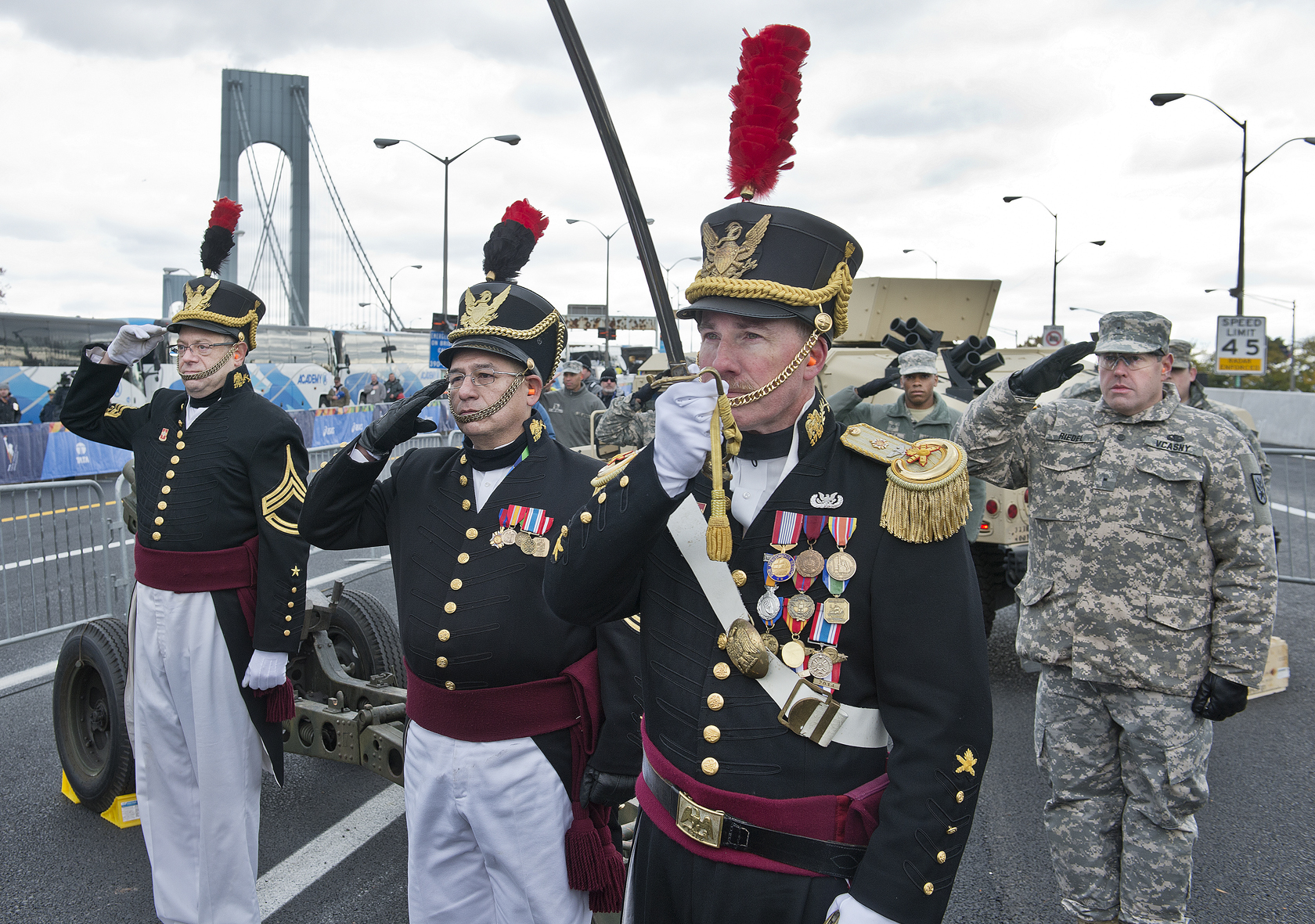
Rachel Apa was 24. She ran her first New York City Marathon on November 1 to honor her grandfather. She collapsed in Central Park near mile 24. She died at Mount Sinai hospital around 9:40 PM that night.
What happened
Apa came from Lewisberry, Pennsylvania. She was a former field hockey player at Bucknell University. She played as a forward on the Division I team and started every game of her senior season in 2023, according to Marathon Handbook.
She worked as a product manager at an electrical component company. She had just started an MBA at Charleston Southern University. She ran with the Parkinson's Champions team.
She raised money in memory of her grandfather. He died from Parkinson's disease in 2022.
"My grandfather was my role model growing up," she wrote on her fundraising page, as quoted by PEOPLE. "He taught me to stay active, push my limits, and embrace challenges."
Her parents followed her race from far apart. Her mother, Michelle Apa, was on the course in New York. She filmed a happy video of Rachel near mile 14.
Her father, Steve Apa, stayed home in Lewisberry. He tracked her on the marathon app and texted her at every mile. The last texts were short.
At mile 18, Rachel replied "Ow." At mile 19, she wrote "Ow ow." She sent no more replies after that.
Her father texted "Final stretch" when she reached mile 23. The message went unanswered, the New York Post reported. She collapsed around 1:30 PM local time, near mile 24 in Central Park.
That was a little more than two miles from the finish line. A spectator was the first to reach her. Michaela Nicholas, a hospital social worker, ran over with her fiancee and started CPR.
Race medical staff arrived with a defibrillator. Paramedics rushed Apa to Mount Sinai hospital. Her mother followed in a second ambulance.
Doctors worked to save her for about six hours. They declared her dead around 9:40 PM.
"It is unfathomable," her father told the New York Times. "Perfect health, perfect shape, 24 years old."
Why it matters
Her father said the cause was rhabdomyolysis. The word is hard to say, but the idea is simple. Muscles break down when they are badly overworked or injured.
Their contents spill into the blood. The kidneys then have to clean up the mess. If the load is too heavy, the cleanup fails and the body can go into crisis.
Cleveland Clinic says about 26,000 cases happen in the United States each year, the Post reported. Hard exercise is one known trigger. The condition can be life-threatening without fast treatment.
Up to half of patients develop sudden kidney injury, according to Marathon Handbook. This is rare at marathons, but it is not unheard of.
Doctors from Mount Sinai and Lenox Hill Hospital counted 24 runners treated for rhabdomyolysis after the 2022 New York City Marathon, Marathon Handbook reported. Across the 2017, 2018, 2019, 2021 and 2023 races combined, they counted 15.
None of those cases ended in death. The 2022 race was hot, with temperatures near 75 degrees and heavy humidity. Sunday's race was much cooler, with highs near 60.
Weather alone does not explain what happened. Everything known so far about the cause comes from her family.
A study in JAMA looked at heart stops at American races. It counted 176 cardiac arrests among more than 29 million marathon and half-marathon runners between 2010 and 2023.
It found the death rate had fallen by about half compared with the decade before. Faster bystander CPR and on-course defibrillators earned much of the credit.
This fall has seen other young runner deaths too. Two 25-year-old men died at the Great North Run in September. Trey Lara, a 24-year-old pastor, went into cardiac arrest at the Portland Marathon in October.
Each case is different, but together they keep one question alive for first-time marathoners: how hard is too hard? That question sits at the core of marathon running.
A marathon pushes the body past normal limits. Training builds the ability to handle that stress. But even fit runners can cross a line they cannot feel in the moment.
Pain late in a race is normal. Sudden, sharp pain is a warning sign.
This article is for information only. It is not medical advice.
What happens next
Race organizers New York Road Runners issued a statement. The group said it was "deeply saddened by the death of one of our runners following yesterday's race."
This was the first runner death at the event since 2024. The race itself was historic.
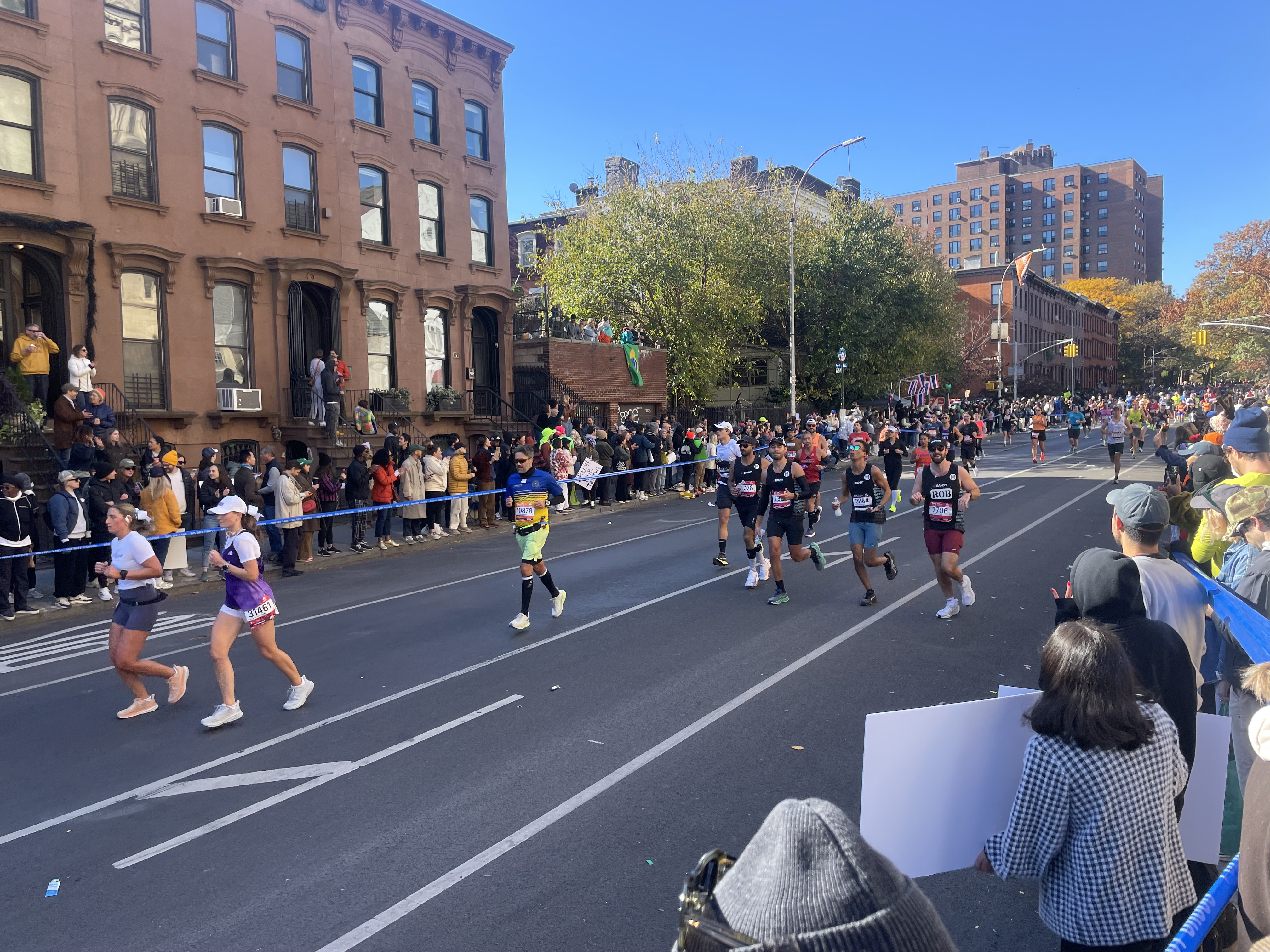
About 61,146 runners finished this year's marathon. New York Road Runners said it broke the world record for the largest marathon ever. It was the third year in a row the record fell.
Sweden's Andreas Almgren won the men's race in about 2 hours and 6 minutes. Kenya's Sheila Chepkirui won the women's race in about 2 hours and 24 minutes.
Apa's fundraising page stayed open after the news broke. It had raised more than $5,400 against a $4,000 goal, according to Marathon Handbook.
Her grandfather's lesson drove her training all year. Now the money she raised goes to Parkinson's research. No official medical report has been released.
Her family has shared what they know. More details may follow in the coming days. The story has drawn attention because of her age, her fitness, and how close she was to the finish line.
A finish line she nearly reached
She trained for months. She ran 24 miles on race day. She was running for someone she loved.
The marathon community knows this kind of story hits hard. Thousands of first-timers ran the same course on Sunday and came home safe. One did not.
Her family, her team, and the running world are asking why. The honest answer, for now, is that doctors and her family are still the only ones who can say.
Related stories
How long does it really take to build noticeable muscle?
Strength gains start in week one, but visible muscle takes 8-12 weeks for most beginners. What the Oklahoma CT-scan study measured,
Why you feel dizzy after a workout: the 5 common causes
Post-workout dizziness usually comes from a blood pressure dip, dehydration, or low blood sugar. The numbers behind each cause, and when
Why Do Knees Hurt When Squatting but Not Running?
Knees hurt when squatting but not running because deep bends multiply force on the kneecap. Learn the mechanics, common causes, fixes,