
How to Get a Toddler to Eat Vegetables Without a Fight
Key takeaways
- It can take 10 or more tries before a toddler accepts a new food, so repeated calm offers beat any single trick.
- Nagging, forcing, bargaining, and bribing create power struggles that make vegetable refusal worse.
- Small choices, dips, and cooking together give toddlers control and lower the pressure at the table.
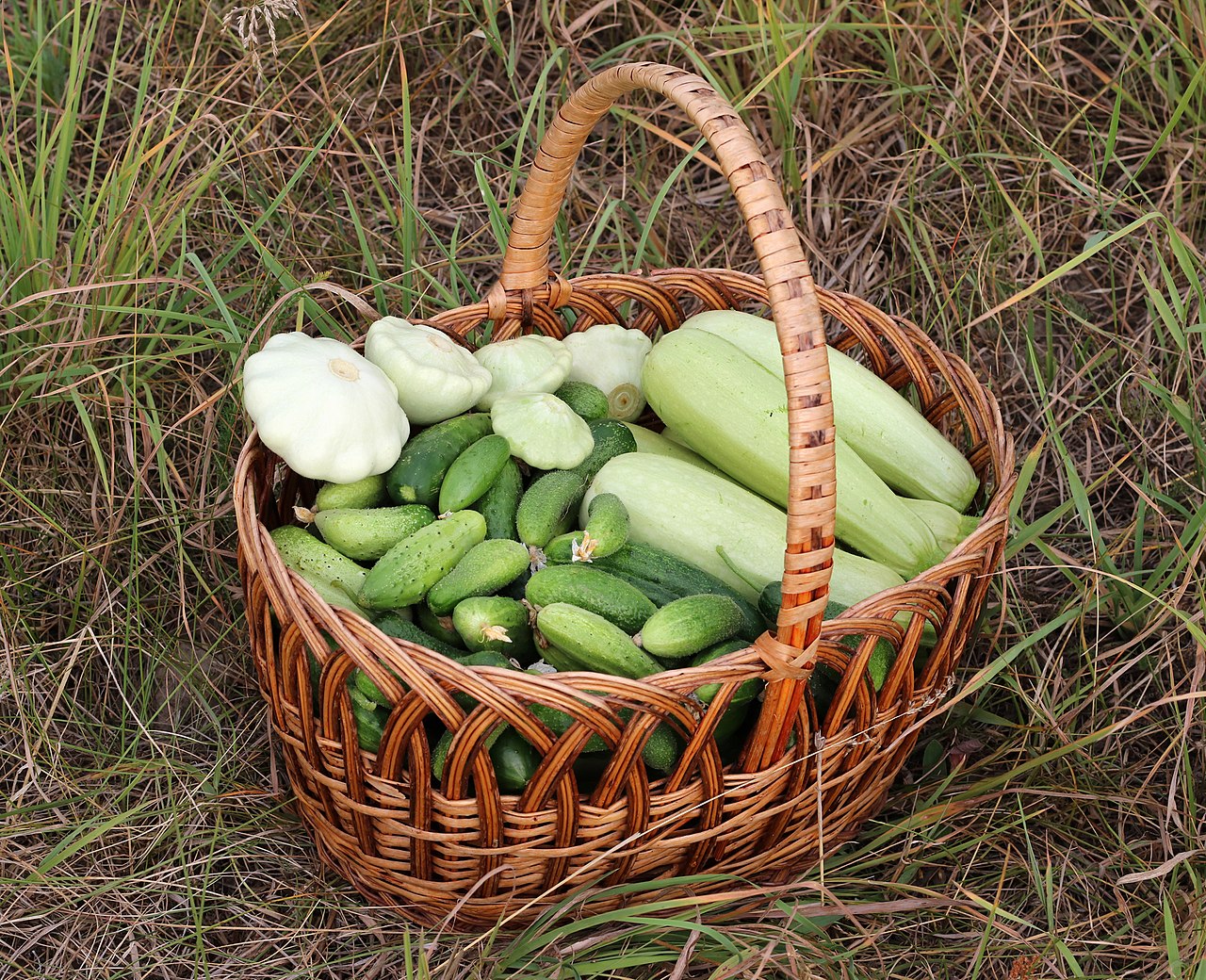
Dinner ends the same way most nights. The vegetables sit untouched, the toddler pushes the plate away, and the parent feels the urge to bargain, bribe, or insist on one more bite. That urge is normal, and acting on it usually backfires.
There are two things you cannot force a child to do: eat and sleep. This is especially true of toddlers, who often assert their independence through eating, or not eating, the foods you put on their plates. That line comes from KidsHealth, and it frames the whole problem.
The work is not to win the dinner battle. The work is to create calm, repeated chances for the child to explore vegetables until curiosity wins. This article explains how to get a toddler to eat vegetables without a fight, including exposure, timing, choices, dips, play, and cooking together.
Why toddlers refuse vegetables
Refusal is usually a phase, not a verdict. Many toddlers go through a stage where they reject foods they once ate happily. New flavors, bitter notes, and unfamiliar textures all trigger caution in a small child who is wired to be careful about what goes in the mouth.
Toddlers also test control. Food is one of the few areas where a two-year-old can say no and make it stick. A power struggle at the table teaches the child that vegetables are the battleground, which makes the next meal harder, not easier.
KidsHealth advises parents not to give in to a food jag, the phase when a child wants the same food day after day. Serving a variety of foods, including vegetables, encourages the child to be more flexible when hungry. The point is to keep offering, not to force eating.
Taste also changes with time. A toddler who spits out broccoli at two may eat it happily at four. The parent's job in between is to keep the door open without turning the table into a courtroom.
When a toddler refuses every new food, not just vegetables, and meals end in tears, the wider problem may be food neophobia. The tactics here still apply, and the related guide on getting a toddler to try new foods without tears covers that pattern in more depth.
Offer, offer, and offer again
Repeated exposure is the most reliable tool parents have. KidsHealth states that research has shown it may take 10 or more tries before a child accepts a new food. Other guides put the range at 10 to 15 exposures.
The key is that each exposure must stay low pressure. Put a small portion on the plate. Eat some yourself.
Say nothing if the child ignores it. If the child declines, a calm "maybe next time" ends the moment without a scene.
Serve a small portion so it looks less overwhelming. Pair the new vegetable with something the child already likes.
Try a different preparation next time: steamed one day, roasted the next, raw with dip after that. A new texture can succeed where the old one failed.
Do not count exposures out loud, and do not announce that this is try number eight. The child does not need a scoreboard.
Serve vegetables first
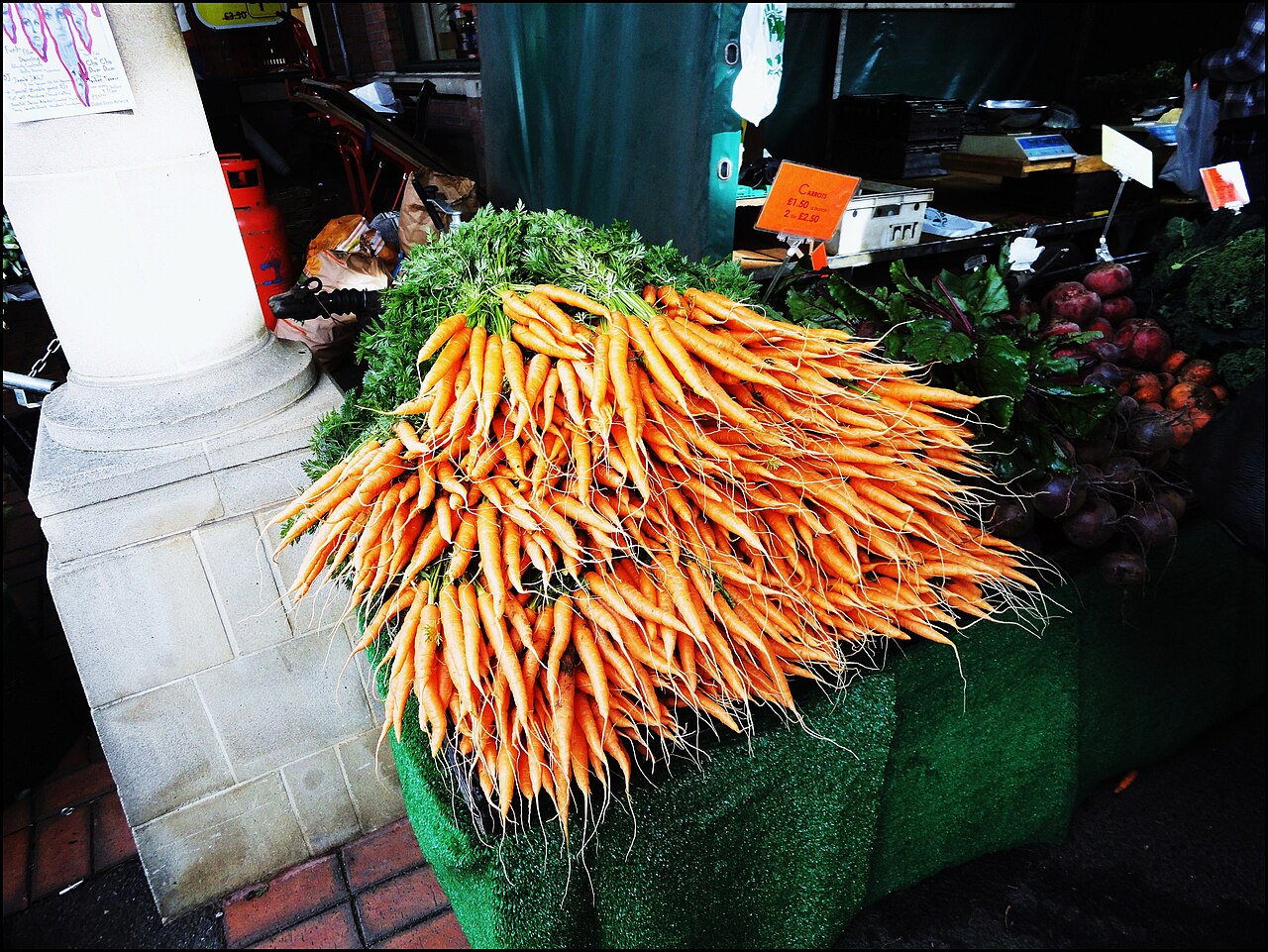
Timing matters. Offer vegetables as the first course when the toddler sits down hungry, before the more appealing foods reach the table. A small bowl of steamed carrots or cucumber slices before dinner gives vegetables their best chance.
Hunger overrides pickiness. Once bread, pasta, or chicken appears, vegetables cannot compete. The first course works because the child is hungry and the plate holds only one option.
Keep the first course small and simple. Two or three pieces of one vegetable are enough. A large pile looks like a chore, and a chore invites refusal.
This tactic pairs well with a short wait before the main course. Two or three minutes of hungry picking is plenty. The goal is a taste, not a full serving.
Give choices, not orders
Toddlers love to feel in control. Instead of saying "eat your vegetables," ask "would you like carrots or cucumbers?" Giving options increases the chance the child says yes.
KidsHealth suggests letting the child decide whether dinner includes green beans or broccoli, or whether you will bake zucchini or carrot muffins. Simple choices give the child a sense of control without handing over the menu.
Choices can also cover preparation. Ask whether the carrots should be raw and crunchy or soft and steamed. Ask which dip goes with the cucumbers.
Each small decision turns the child from a passive eater into an active participant.
Keep choices to two options. Three or more becomes a negotiation, and a negotiation at the table rarely ends with vegetables eaten.
Avoid framing vegetables as a duty. Saying "Mommy has to eat her vegetables too" teaches the child that vegetables are a chore adults endure. Eating them with visible enjoyment sends the opposite message.
Let them dip, play, and help cook
Dips make vegetables more fun and flavorful. Hummus, guacamole, yogurt-based ranch, ketchup, and nut butters all work. Let the child choose the dip, since that choice adds ownership.
Pediatrician Leah Alexander told Mom Loves Best: "Some of my patients love a particular condiment or seasoning. Ketchup seems to be a favorite."
Her recommendation to parents is that if their child will eat the vegetables when ketchup is added, then go ahead and use it. The dip is a bridge, not a failure.
Play helps too. Make a veggie face with cucumber eyes, a tomato nose, a green bean mouth, and shredded carrot hair. Arrange colorful slices into a rainbow plate.
Use cookie cutters to shape roasted sweet potato into stars or hearts. Fun lowers defenses.
Cooking together is one of the strongest tools. Solid Starts advises letting the child help wash and prepare vegetables, tear kale leaves, break asparagus stalks, smash potatoes, or mix vegetables with oil and seasoning.
Put on music, stay close, and have fun. When the child watches you taste the food as you cook, the child may join in without being asked.
Offer exploration away from the table as well. Solid Starts suggests a veggie snack plate around 3 to 4 in the afternoon, when most toddlers are hunting for a snack.
Include a dip, show the child how to dip, and accept play as a fine outcome. No pressure at snack time means more willingness at dinner.
A tantrum in public often starts with the same control struggle as a mealtime fight. The same calm, choice-based response works in both places: stay steady, offer two options, and do not escalate.
What not to do
KidsHealth is blunt about the tactics to avoid: nagging, forcing, bargaining, and bribing. All of these create power struggles and are doomed to fail in the long run. Keep mealtime moods upbeat and continue offering vegetable choices.
Do not label the child as someone who hates vegetables. Saying "you are still learning to like them" keeps the door open. Labels stick, and a child who hears "picky eater" often lives up to it.
Do not hide vegetables and call it a win. Blending vegetables into sauces and muffins can add nutrition, and it is fine as a supplement.
But hidden vegetables never teach the child to eat visible ones. Once a child enjoys a veggie-packed meal, naming the ingredient builds trust and curiosity.
Do not make dessert depend on vegetables. "No pudding until you eat your broccoli" turns broccoli into the price of something good. It also teaches the child that pudding is the prize and vegetables are the punishment.
Do not compare siblings. "Your sister eats her peas" adds shame to refusal and starts a second fight. Each child has a separate path to accepting new foods.
Safety and portions
Raw vegetables and hard fruits can be a choking hazard for young children. KidsHealth advises cooking vegetables well and cutting them into small enough pieces so they are not a choking risk. Thinly slice rounds like carrots and grapes, and cook hard vegetables until soft.
Keep portions toddler-sized. A tablespoon or two of each food is a realistic serving for a two-year-old. A heaped adult portion looks impossible and invites refusal before the first bite.
If the child eats almost no vegetables for months, loses weight, gags on most textures, or shows signs of a feeding problem, talk to a pediatrician. This article covers normal picky phases, not medical feeding disorders. A doctor can check growth and rule out sensory or medical causes.
A calm mealtime routine
Routine does quiet work. Serve meals at roughly the same times each day, with one planned snack between meals. A toddler who grazes all afternoon arrives at dinner full and uninterested in anything, vegetables included.
Eat together when you can. Family meals let the child see you eating a variety of foods yourself, and toddlers are more likely to eat what their peers eat. Look for chances to eat healthfully with friends, such as a playdate lunch with vegetables on the table.
Keep meals short. Twenty to thirty minutes is enough for a toddler. A meal that drags on for an hour becomes a standoff, and a standoff ends with nobody eating vegetables.
A steady evening routine helps the whole day run better, including meals. A calm structure at bedtime also steadies the dinner table.
FAQ
How many times should I offer a vegetable before giving up?
At least 10 to 15 calm offers, across different preparations. One refusal is not a verdict. If the child still refuses after many tries, pause that vegetable for a few weeks and try again later.
Should I hide vegetables in other foods?
Hiding them can add nutrition, but it does not teach the child to eat visible vegetables. Use hidden vegetables as a supplement, and keep offering visible ones alongside. Name the hidden ingredient once the child enjoys the dish.
What if my toddler eats no vegetables at all?
Keep offering, vary preparations, and add dips and choices. If the refusal lasts months, involves most textures, or comes with weight loss or gagging, talk to a pediatrician to rule out a feeding or sensory issue.
The bottom line
Serve vegetables first, offer them calmly again and again, give the child small choices, add a dip, and let the child help cook. Skip nagging, forcing, bargaining, and bribing, since those tactics turn the table into a fight. Most toddlers come around with time and patience, and each pressure-free offer brings that day closer.
Tags: toddler, picky eating, vegetables, parenting
Latest in Parenting
- Get a Toddler to Try New Foods Without Tears
- Handle Tantrums in Public Without Panicking
- Make Bedtime Easier for a Hyper Child
Subscribe for one practical parenting guide in your inbox each week.
Related stories
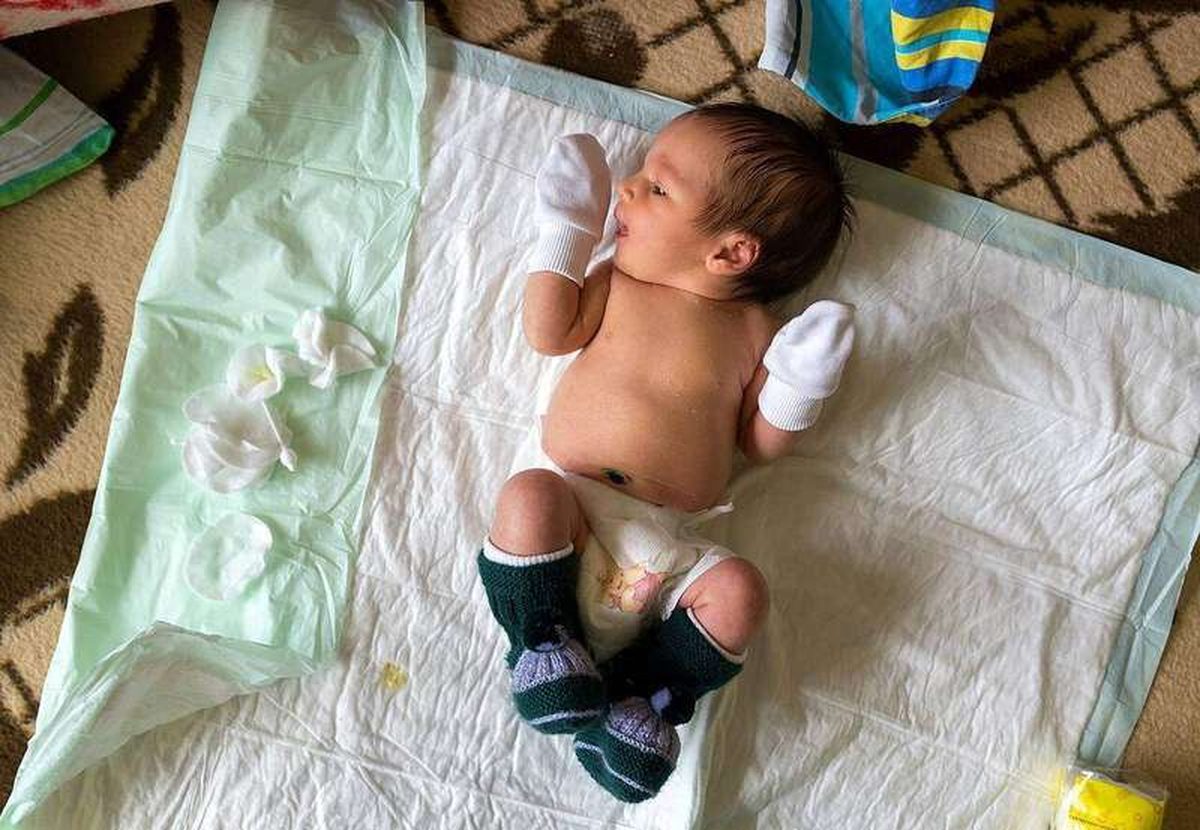
Why babies cry more in the evening: the witching hour explained
The witching hour is the fussy evening stretch most newborns hit daily. Why overtiredness, cluster feeding, and overstimulation stack up
When Do Babies Start Sleeping Through the Night by Month?
Most babies sleep through the night between 3 and 6 months, with regressions at 4 and 8 to 10 months. See the month-by-month table

Why Your Baby Wakes Up the Second You Put Them Down
Newborns wake when put down as the startle reflex, light sleep, and lost warmth hit at once. It is normal and peaks early, fading