
Parenting stigma hurts families, and support can ease it
Key takeaways
- New Cornell research says parents of children with mental health problems often face stigma.
- Support from clinicians and loved ones may ease self-blame, the study suggests.
- A separate school debate asks if gentle parenting harms behaviour in class.
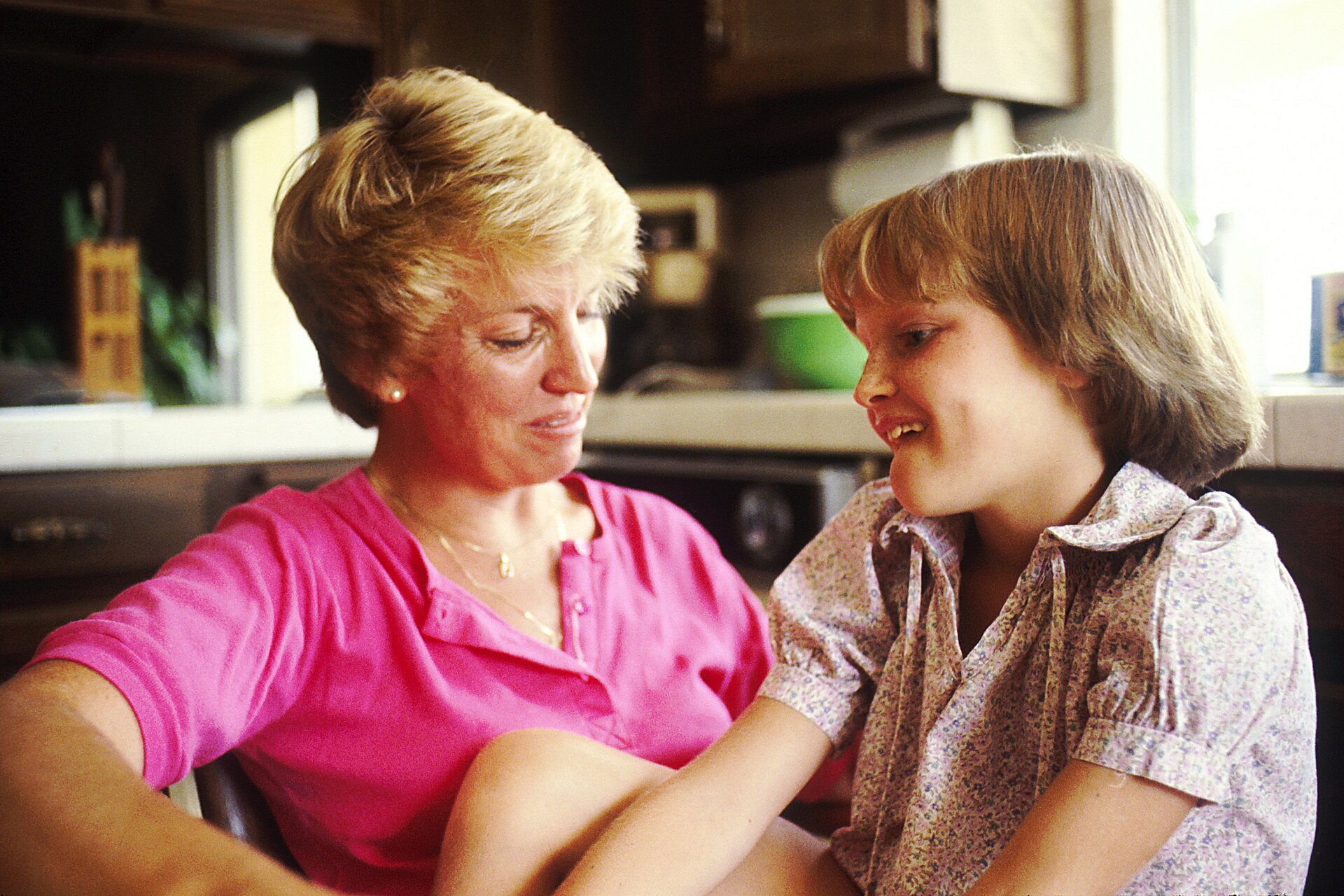
Support may ease the stigma parents feel when a child has a mental health problem. That is the key finding of new Cornell research. The study asked parents about shame, blame, and what helped.
What happened
Researchers at Weill Cornell Medicine led the work. Teams from Columbia University and NewYork-Presbyterian joined them. The study appeared online on October 6, 2026, in Psychiatric Services.
The team held interviews with 24 parents. Each parent had a child with ADHD, depression, or drug use problems. ADHD affects focus and self-control.
Tim Becker led the study. He is a child psychiatrist at Weill Cornell Medicine. He also works at NewYork-Presbyterian Westchester Behavioral Health.
Stigma means unfair shame or blame. In this study, it grew when parents felt they failed as good parents. The feeling came from inside and from other people.
Parents named five marks of good parenting. They were emotional support, open talk, and clear limits. They also named a good example and care for well-being.
Family, teachers, neighbours, and health workers added to the blame. Parents said they felt judged for not doing enough. Some said they felt alone and looked down on.
Becker pointed to earlier research on this stigma. That work links stigma to more parental depression.
It also links it to a lower quality of life. And it can make parents slow to seek help for a child.
Why it matters
Stigma can block care. A parent who feels blamed may avoid a school meeting.
The same parent may skip a clinic visit. The child then waits longer for help.
This is why the study urges clinicians to see the parent too. Care plans should weigh the stigma a parent feels. Shame and self-doubt can weaken a family's part in treatment.
Support can break this loop. The researchers say help with the five good-parenting marks may cut self-blame.
That means real help with support, talk, limits, example, and care. It does not mean blame or lectures.
"To support children, we also need to support parents," said Becker. Well-being runs both ways in a family.
Better days for children help parents. Better days for parents help children. Each side lifts the other.
The old tool is psychoeducation. That word means teaching parents about a child's condition.
Clinicians explain the illness, its signs, and its treatments. Becker said this teaching alone misses daily stigma.
Parents want to work with clinicians as partners. When clinicians coach parents in plain steps, both sides gain.
Parents feel more able. Children get steadier care at home.
Gentle parenting and the school debate
A second debate runs in schools. Some teachers blame gentle parenting for worse pupil behaviour.
The claim is loud on social media. But the link is not proven.
Gentle parenting means care with limits. Sarah Ockwell-Smith coined the term. Her 2016 book sets out empathy, respect, limits, and discipline.
Up to three in four millennials said they used gentle parenting in 2024. Those surveys were small, according to Tes. The style is common, but its meaning is loose.
Many people mix it up with permissive parenting. Permissive parenting means letting a child do as they please.
Gentle parenting still says no. It just says no with calm words and clear reasons.
Gentle parenting still sets limits. Parents can hold a firm line with calm words. Handling tantrums without yelling gives one example of that calm approach.
Big feelings can look like bad behaviour. A tantrum is not the same as a meltdown. The two need a different response.
Teachers report real strain. Two in three teachers told the National Education Union that behaviour hurt lessons. They said this happened often or all the time, according to Tes.
Children often act one way at home and another at school. Why kids behave worse with parents than teachers explores that gap. The school debate sits inside that wider puzzle.
But Tes found no clear proof that gentle parenting causes the slide. Tom Bennett advises the government on school behaviour.
He said parenting alone is not to blame. He also pointed to the pandemic and to poverty.
Clear limits sit at the heart of both debates. The Cornell study names limits as one mark of good parenting.
The school debate asks if limits have gone soft. Both sides agree on one point: children need firm, kind limits.

What happens next
The team is now testing a video. In it, an actress plays a parent of a child with mental health problems.
She talks about stigma, getting help, and feeling like a good parent again. The team will test if the video cuts stigma and lifts help-seeking.
Care teams may change how they work. They may ask parents about blame and shame.
They may build parent support into each care plan. The study is early and small, so more research must follow.
It covered 24 parents. Its results point a way, not a final answer. Bigger studies can test if parent support truly cuts stigma over time.
This article is for information only and is not medical advice.
Parents, schools, and clinics can move in the same direction. They can drop blame and build support.
They can set clear limits with care. If that shift holds, children and parents may both feel the gain.
Related stories

Why babies cry more in the evening: the witching hour explained
The witching hour is the fussy evening stretch most newborns hit daily. Why overtiredness, cluster feeding, and overstimulation stack up

When Do Babies Start Sleeping Through the Night by Month?
Most babies sleep through the night between 3 and 6 months, with regressions at 4 and 8 to 10 months. See the month-by-month table

Why Your Baby Wakes Up the Second You Put Them Down
Newborns wake when put down as the startle reflex, light sleep, and lost warmth hit at once. It is normal and peaks early, fading