
Why do airlines overbook flights and how does bumping work?
Key takeaways
- Airlines legally sell more tickets than seats because some passengers always miss their flights. The forecasts are built on years of no-show data.
- When everyone shows up, airlines first ask for volunteers, and only bump involuntarily as a last resort under DOT rules.
- US law requires cash compensation for involuntary bumps: up to 200% or 400% of the one-way fare, with caps of $1,075 and $2,150.
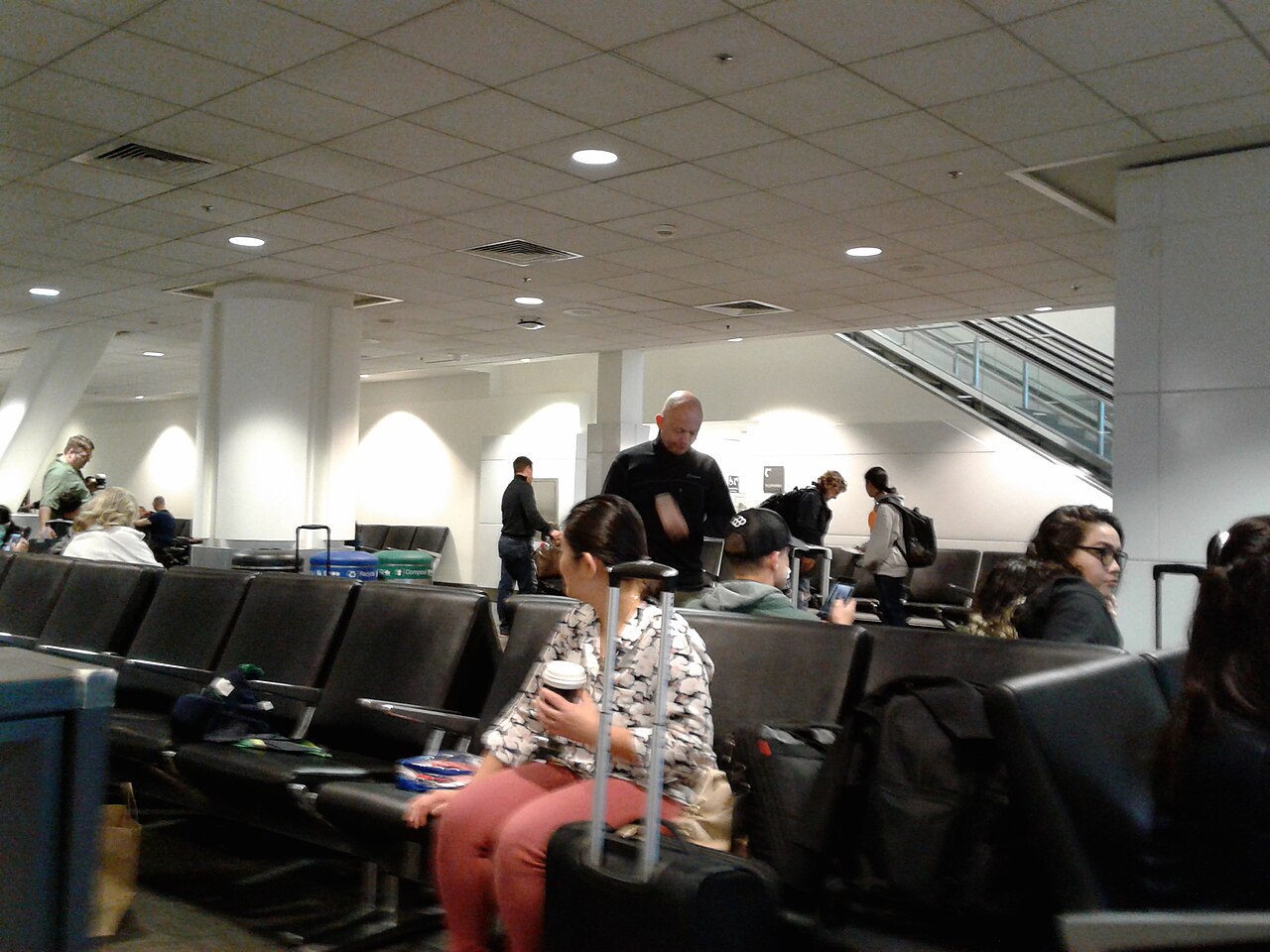
Selling the same seat twice sounds like fraud. In aviation, it is a deliberate and legal business practice, and it works so quietly that most passengers never notice it happening.
The logic is statistical. On any given flight, a predictable slice of ticket holders never shows up: missed connections, changed plans, no-shows. Airlines would rather fly full planes than empty seats, so they sell a few extra tickets and bet the forecasts hold.
This article explains why airlines overbook flights: how no-show forecasts work, what happens when everyone boards, how volunteers and involuntary bumps are chosen, and what compensation the rules require.
Why selling extra tickets makes sense
No-shows are not guesses. Airlines study years of booking patterns on each route to predict how many passengers typically miss a flight. If a route has a 5% no-show rate, the airline oversells by roughly that margin.
Modern forecasting is sharper than the old averages. Airlines now use machine learning models that factor in seasonality, traveler behavior, day of week, and even weather. The goal is to land the plane exactly full: every seat sold, nobody bumped.
The economics explain why they bother. An empty seat on a departed flight earns nothing, ever. A bumped passenger costs the airline compensation and rebooking, but only occasionally. Across thousands of flights, the math favors overselling, and regulators accept the practice as long as the rules protect passengers.
It is worth saying plainly: overbooking is not illegal. "It is not illegal for airlines to overbook their flights," the U.S. Government Accountability Office states in its GAO-20-191 report on denied boarding practices. What is regulated is what happens when the forecast fails.
What happens when everyone shows up
Most oversold flights resolve without drama. Some passengers do not show, the numbers work out, and nobody is the wiser.
When too many passengers do arrive, the process follows a strict order. The gate agent announces that the flight is oversold and asks for volunteers willing to take a later flight in exchange for compensation, usually a travel voucher or credit plus a confirmed seat on the next departure.
Airlines sweeten the offer until enough hands go up. On heavily oversold flights, volunteer compensation can climb into four figures. Passengers with flexible schedules sometimes hunt these auctions deliberately.
If nobody volunteers, the airline moves to involuntary denied boarding. Under the Department of Transportation's oversales rule, 14 CFR Part 250, no one may be denied boarding against their will until the airline first asks for volunteers. Boarding priority rules must be published in advance, and carriers typically rank passengers by check-in time, fare paid, and frequent flyer status. The lowest-ranked passengers go first.
Oversales are not the only trigger. Denied boardings also happen after aircraft swaps to smaller planes, maintenance issues, or when seats must go to repositioning crew, as when the FAA's 2019 grounding of the Boeing 737 MAX forced airlines onto smaller aircraft and bumped large numbers of passengers.
The numbers: who bumps and how often
The Department of Transportation tracks every involuntary bump. Its February 2026 Air Travel Consumer Report shows how uneven the practice is across carriers.
American Airlines and its regional partners involuntarily bumped 14,758 passengers in 2025, about 60% of the 24,596 involuntary bumps nationwide. Delta, which carried 186.7 million passengers across its network that year, bumped none. The gap is not luck. It reflects different forecasting and different tolerance for the practice.
Regional jets do most of the damage. Just over half of American's bumps happened on its American Eagle regional partners, where the bump rate was 1.36 passengers per 10,000, nearly three times the mainline rate of 0.48. Small planes have less slack when forecasts miss.
The scrutiny has consequences. In October 2026, an internal American memo made zero involuntary bumping a company requirement rather than a goal, directing gate staff not to close an aircraft door until a volunteer had taken every oversold seat.
What you are owed if you are bumped
Volunteer compensation is whatever deal you negotiate. Cash, vouchers, upgrades, meals, and hotels are all on the table, and the amount is entirely up to your bargaining. Experienced travelers hold out as the offer climbs.
Involuntary bumps have fixed legal minimums. In the United States, the DOT requires cash compensation, not just a voucher: 200% of the one-way fare for shorter delays and 400% for longer ones, currently capped at $1,075 and $2,150. If the replacement flight gets you there within an hour of schedule, nothing is owed.
The airline must also rebook you and provide a written statement explaining your rights and the compensation. Ask for that document at the gate before you leave.
Rules differ elsewhere. In the European Union, Regulation EC 261 sets fixed cash payouts based on flight distance and delay length, separate from any refund. International itineraries outside these regimes fall back on the Montreal Convention and the airline's own conditions of carriage.
FAQ
Can I refuse to give up my seat?
Yes. Volunteering is voluntary. But if not enough passengers volunteer, the airline can deny you boarding involuntarily under DOT rules, following its published priority criteria.
Does checking in early protect me from being bumped?
Usually. Most airlines rank passengers partly by check-in time, so early check-in pushes you up the priority list. Late check-in is the most common way to end up at the bottom of it.
Is the compensation cash or a voucher?
For involuntary bumps in the US, it must be cash or a check, not just a voucher, per DOT rules. Volunteers get whatever they agree to, which is usually travel credit.
Do airlines still overbook in 2026?
Yes. Overselling remains standard industry practice, and the DOT continues to allow it. The trend is toward more volunteering and fewer involuntary bumps, as American's 2026 zero-bumping policy shows.
The bottom line
Overbooking is a statistical bet that usually pays off for everyone: fuller planes, lower fares, and no one turned away. When the bet fails, the system is designed to buy its way out with volunteers first. Know the order of operations, check in early, and if you ever get bumped against your will, know the compensation figures before you leave the gate.
Rive News is the research desk behind this article. We explain how everyday systems work, using published sources and documented guidance rather than guesswork.
Subscribe to the Rive News newsletter for one practical travel explainer every week.
Rive News publishes explainers that pass its internal QA: no invented facts, no fake bylines, named sources for every key claim. Corrections are logged with timestamps, never made silently.
Related stories

The 3-1-1 liquids rule for planes: what each number means
TSA's 3-1-1 rule limits carry-on liquids to 3.4-ounce containers in one quart bag. Where the 2006 rule came from, what counts, and how to pa

Why Is Airplane Food So Bland at Altitude?
A 2010 Fraunhofer study found altitude cuts sweet and salty perception by up to 30 percent. Low humidity, cabin pressure, and noise all dull

Carry-on size limits: why airlines each set their own
Airlines set their own carry-on limits because the FAA only requires each carrier to have a policy, not one global size. Why 22 x 14 x 9 inc