
How Jet Lag Actually Works: The Science of Your Body Clock
Key takeaways
- Jet lag is a temporary desynchronization between your brain's circadian clock and the light-dark cycle at your destination.
- A 20,000-neuron cluster called the suprachiasmatic nucleus runs the clock, using light and melatonin as its main signals.
- Eastward travel feels worse than westward travel, and severity rises with the number of time zones crossed.
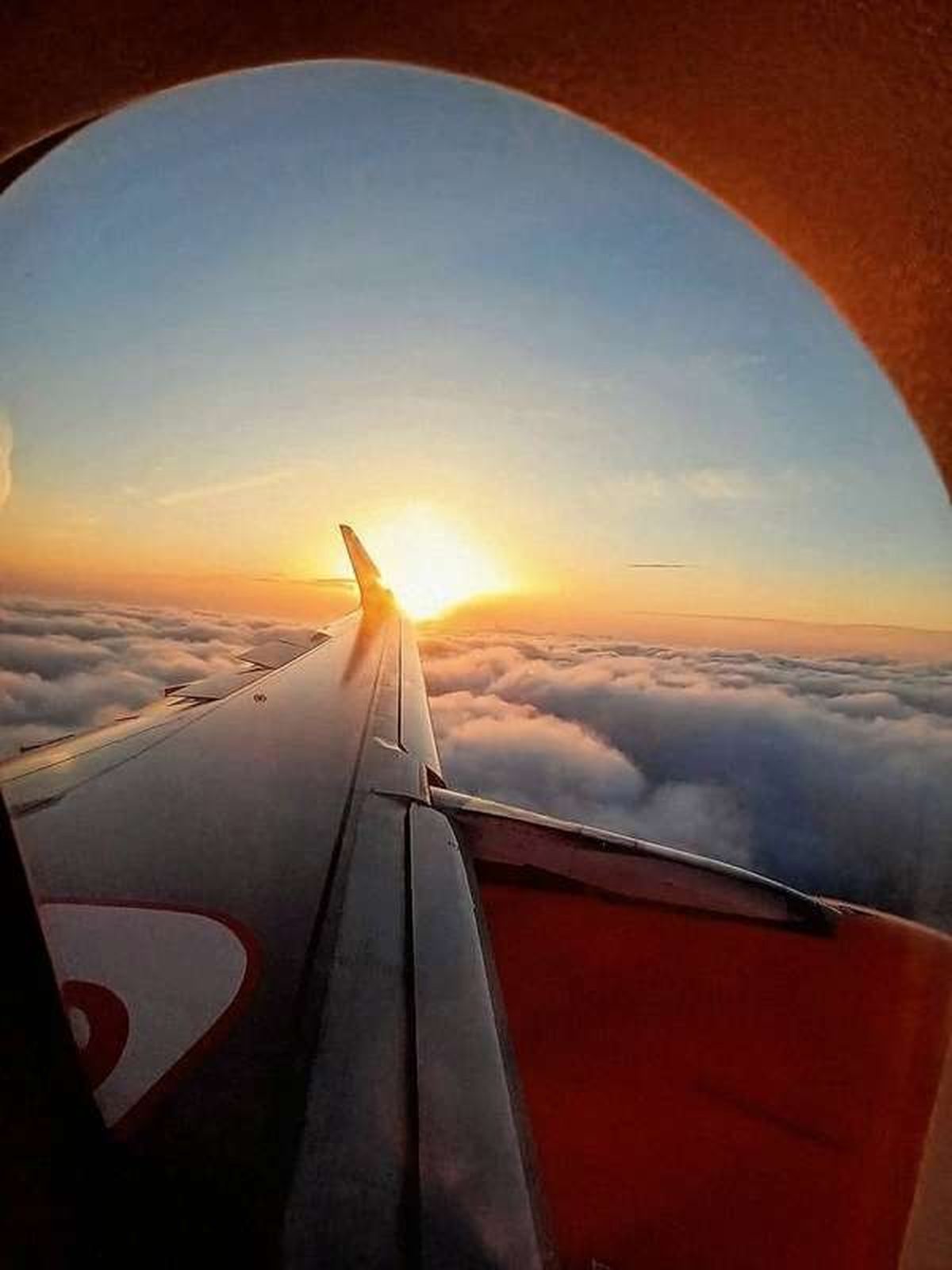
Jet lag is not tiredness from a long flight. Travel fatigue is real, but a grueling 14-hour trip along the same meridian leaves you exhausted without a trace of jet lag. Jet lag only appears when you cross time zones quickly. It is a problem of timing, not of rest.
Your body runs on a schedule that expects the sun to rise and set when it always has. When you land somewhere that runs five or eight hours ahead of that schedule, the mismatch between what your brain expects and what your eyes report is what you feel as jet lag. This article explains how jet lag actually works: the brain's master clock, the hormones that carry its signals, why flying east hits harder than flying west, and what genuinely helps the clock reset.
What jet lag actually is
Jet lag is a temporary disorder of the circadian rhythm. Dr. Alon Avidan, director of the UCLA Sleep Disorders Center, calls it "a special type of circadian rhythm abnormality" caused when a rapid shift in the light-dark cycle disrupts the normal sleep-wake pattern and the body becomes desynchronized.
The symptoms go well beyond feeling sleepy. The clinical picture includes insomnia at night and heavy sleepiness during the day. It also includes digestive upset, impaired judgment and concentration, memory lapses, irritability, and a flat, apathetic mood.
These are not separate problems. They are what it looks like when dozens of body systems, from digestion to body temperature to blood pressure, are all being told it is a different time of day than the local clocks say.
The key distinction: travel fatigue fades after a good night's sleep. Jet lag does not, because the underlying clock is still set to home time. It resolves only when the internal rhythm resynchronizes with the new environment, which typically takes several days.
The body clock behind it
The master clock is a structure called the suprachiasmatic nucleus, or SCN. It is roughly 20,000 nerve cells sitting in the hypothalamus, right above the optic nerves. Its location is no accident. Light reaches special receptors in the retina, travels along the optic nerve, and lands almost directly on the SCN, which uses that signal to set the time.
Every cell in the body carries its own smaller clock, but they all follow the SCN the way every watch in a city follows the town-hall clock. When light hits the SCN in the morning, it tells the brain to be alert.
When darkness falls, the pineal gland releases melatonin, the hormone that signals sleep. As Avidan explains, darkness "causes a gland to produce the substance melatonin," which "blocks the alerting effects of the circadian clock."
Without external cues, the human clock does not run on exactly 24 hours. It drifts slightly longer, around 24.2 hours. That is why it needs a daily reset from morning light to stay locked to the solar day. Jet lag is what happens when you move the reset signal by several hours in a single day and the clock cannot keep up.
Newer research adds a twist. Scientists at the University of Washington found that jet lag's broken sleep comes from two separate groups of neurons within the SCN falling out of sync with each other.
The ventral neurons receive light information directly from the eyes, while the dorsal neurons do not. So the dorsal group tracks a more independent internal rhythm. During jet lag, the two groups disagree about what time it is. That is why both deep sleep and dream sleep can feel broken at once.
Why east feels worse than west
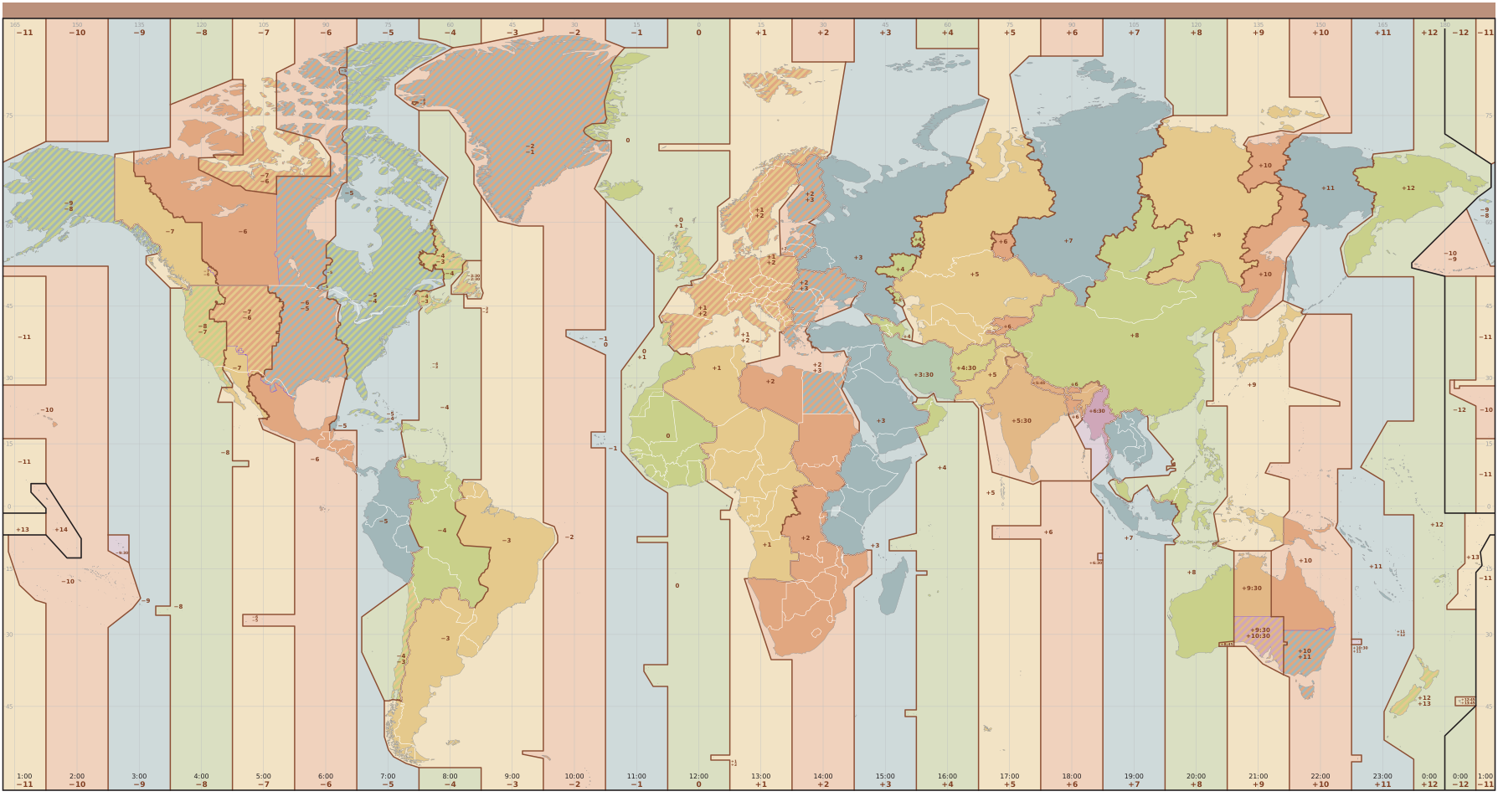
Travelers have always reported that flying east is worse than flying west, and the science backs them up. Avidan notes that "traveling west-to-east and the number of time zones crossed seem to increase the severity of jet lag." The two directions also produce different complaints. Eastward travel generally causes difficulty falling asleep, while westward travel causes difficulty staying asleep.
The reason sits in that 24.2-hour natural drift. Your clock already tends to run a little long, which makes delaying it easier than advancing it. Westward travel demands staying up later, a delay. Eastward travel demands falling asleep earlier, an advance.
Flying from New York to London asks your brain to fall asleep five hours earlier than usual. Flying the reverse asks it to stay up five hours later, which your biology finds far more agreeable.
There is a second trap, and it involves light timing. Getting bright light at the wrong time of day can push the clock the wrong way and prolong jet lag, per circadian researcher Victoria Revell of the University of Surrey.
Land in London at 7 a.m. after leaving New York at 7 p.m., and your body thinks it is 2 a.m.
A blast of morning sunlight then tells your clock to stay up even later, which deepens the hole instead of filling it.
What resets the clock
Nothing eliminates jet lag entirely, but the most effective treatments work on the clock itself rather than on the symptoms. Avidan points to timed light exposure and low-dose melatonin as the two tools with real evidence behind them. The critical part is timing. Light in the morning advances the clock, light in the evening delays it, and getting the direction wrong makes things worse.
Melatonin is often misunderstood as a sleeping pill. It is not a sedative. It is a timing signal, the chemical equivalent of the clock's hand. Avidan recommends a low, short-acting dose of 0.5 mg or less, taken at the right local time. The dose and the timing both change what the hormone tells the brain.
Practical strategy flows from the mechanics. Before an eastward trip, shift sleep earlier by an hour or two for a few nights and seek morning light at the destination.
Before a westward trip, shift sleep later and seek evening light. Caffeine can prop up alertness, but it does nothing for the underlying desync. Naps longer than about 20 minutes can anchor the clock to the wrong time.
How long does jet lag last?
It depends on the number of time zones crossed and the direction of travel. A common rule of thumb is about one day of adjustment per time zone crossed, with eastward trips taking longer than westward ones of equal distance.
Does melatonin actually help with jet lag?
Melatonin helps as a clock-resetting signal rather than as a sleep aid. Dr. Alon Avidan of UCLA recommends a low, short-acting dose of 0.5 mg or less, taken at the correct local time, because timing is what makes it work.
Why is jet lag worse when flying east?
Your internal clock naturally runs a little longer than 24 hours, so delaying it (as westward travel requires) is easier than advancing it (as eastward travel requires). Flying east asks your brain to fall asleep hours earlier than usual, which fights your biology.
Can you completely avoid jet lag?
No. As Avidan puts it, there is nothing that eliminates jet lag, only ways to minimize its effects. Pre-shifting your schedule, timing light exposure correctly, and using low-dose melatonin can shorten it, but the clock still needs time to catch up.
The bottom line
Jet lag is a clock problem, not a sleep problem. As Victoria Revell of the University of Surrey says, "Jet lag really is about the body clock, it's not about sleep." Your suprachiasmatic nucleus expects the sun on home time, your eyes report the sun on destination time, and the days of misery in between are the two signals arguing it out.
Work with the clock, using light and melatonin at the right times, and the argument settles faster. Work against it, and you just add days to the disagreement.
Rive News is the research desk behind this publication's explainers, covering the science of everyday life.
Get one science explainer like this in your inbox every morning. Subscribe to the newsletter.
Related stories

The 3-1-1 liquids rule for planes: what each number means
TSA's 3-1-1 rule limits carry-on liquids to 3.4-ounce containers in one quart bag. Where the 2006 rule came from, what counts, and how

Why Is Airplane Food So Bland at Altitude?
A 2010 Fraunhofer study found altitude cuts sweet and salty perception by up to 30 percent. Low humidity, cabin pressure, and noise all

Carry-on size limits: why airlines each set their own
Airlines set their own carry-on limits because the FAA only requires each carrier to have a policy, not one global size. Why 22 x 14 x