
How Does Travel Insurance Work and What Does It Cover
Key takeaways
- Travel insurance is a contract that reimburses specific, listed losses before and during a trip.
- Cancellation coverage pays back prepaid, nonrefundable costs, while medical coverage pays for emergency care abroad.
- Claims need proof, so keep receipts, medical records, and written delay confirmations from the start.
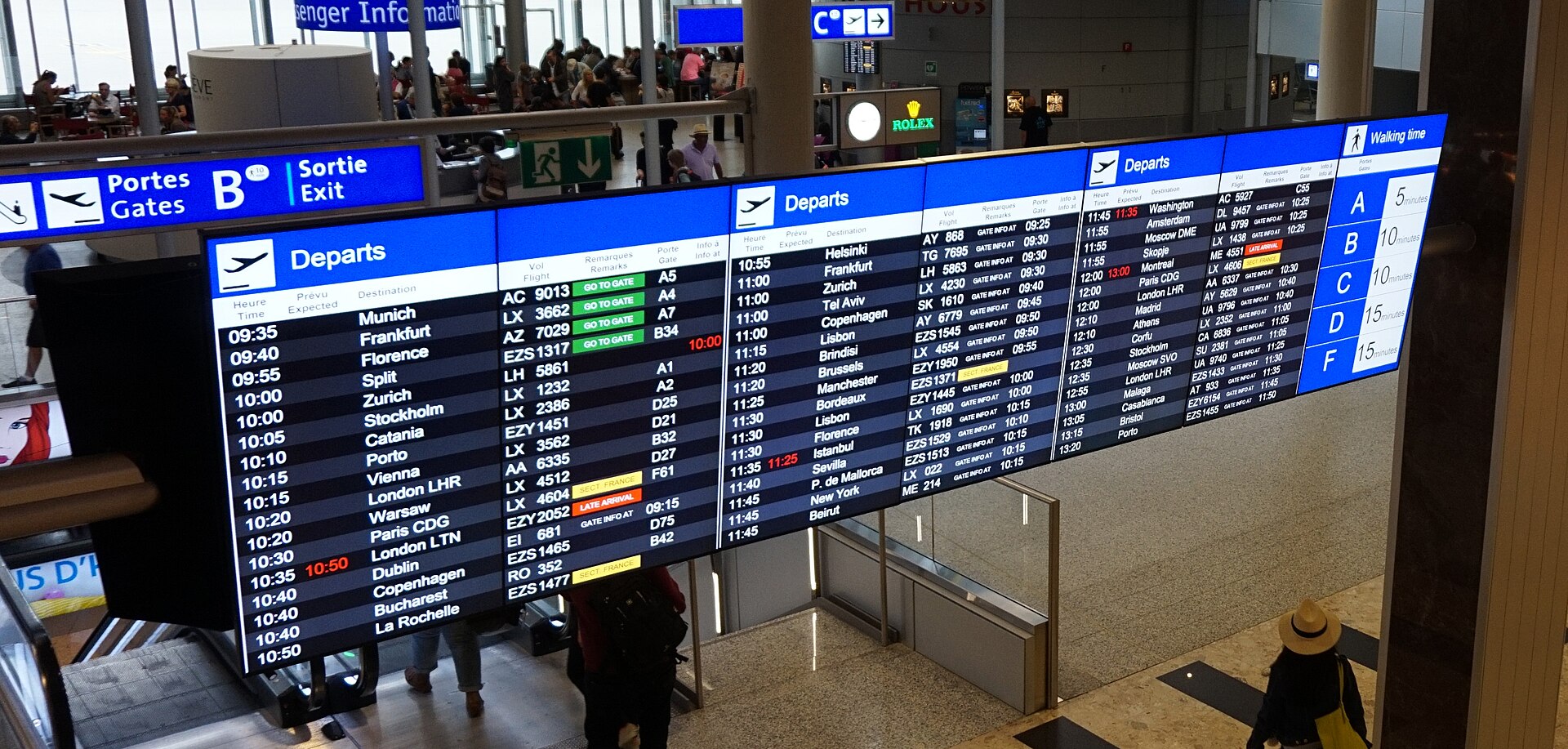
Travel insurance is a contract between you and an insurer. You pay a premium before departure, and the insurer agrees to reimburse specific losses that happen before or during the trip.
The key word is specific. A policy does not cover every bad outcome. It covers a list of named events, up to stated limits, and only when you can document what happened.
This article explains how travel insurance works, including what it covers, what it excludes, and how a claim moves from filing to payment.
What travel insurance is
A travel insurance policy bundles several benefits into one contract. The usual bundle includes trip cancellation, trip interruption, emergency medical care, medical evacuation, baggage protection, and travel delay coverage.
You buy the policy before you leave. Cancellation coverage usually starts the day after purchase, according to MoneyGeek. Medical, evacuation, baggage, and delay coverage activate once the trip begins.
Price depends on trip cost, age, destination, trip length, and coverage limits. MoneyGeek reports that costs run from 1.7 percent to 11 percent of trip value, with most travelers spending 50 to 150 dollars for a one-week trip. Squaremouth reports that a comprehensive policy with trip cancellation costs around 35 dollars per day on average, and that its customers paid an average of 448 dollars for a policy covering an average trip of 13 days.
One choice shapes how claims feel. Primary coverage pays first, before your home health plan. Secondary coverage pays only after your home health plan processes the claim, which means two filings and a longer wait.
Most standard plans include secondary medical coverage, while premium plans may include primary coverage instead.
What travel insurance covers
Trip cancellation is the benefit most travelers know first. It reimburses prepaid, nonrefundable costs when you cancel before departure for a covered reason. Covered reasons usually include sudden illness or injury, the death of a family member, severe weather, a terrorist incident, a layoff, or jury duty.
Trip interruption takes over once the trip has started. It covers unused costs plus extra travel home when a covered reason cuts the trip short. MoneyGeek reports that interruption pays 100 percent to 200 percent of trip cost, because last-minute flights home cost more than planned ones.
Squaremouth puts the interruption figure at up to 150 percent of trip cost on its plans.
Emergency medical coverage pays for hospital bills, doctor visits, prescriptions, and emergency dental care while traveling abroad. MoneyGeek reports limits from 25,000 to 500,000 dollars depending on the plan. This matters because many home health plans, including United States Medicare, provide little or no coverage abroad.
Medical evacuation covers transport to adequate care or back home when local hospitals cannot treat you. MoneyGeek reports that these medical flights cost 100,000 to 1 million dollars. A policy with a high evacuation limit protects against the rare bill that could dwarf the cost of the trip itself.
Baggage coverage pays for lost, stolen, damaged, or delayed luggage. MoneyGeek reports limits from 1,000 to 2,500 dollars. Delay coverage pays for hotel rooms, meals, and transport when a covered delay strands you, and it can cover costs to catch up with a cruise or tour after a missed connection.
Trip delay has its own waiting period. ACKO reports that most policies begin delay cover after a delay of three to six hours. A two-hour delay, however annoying, usually does not qualify.
Keep that threshold in mind before you start spending and expecting reimbursement.
What travel insurance does not cover
Exclusions decide as many claims as inclusions do. Standard policies do not cover pre-existing medical conditions unless you buy early and get a waiver. A pre-existing condition generally means a condition treated, symptomatic, or medicated within 60 to 180 days before purchase, according to MoneyGeek.
Known events are also excluded. A hurricane that already has a name, an ongoing war, or a strike that was already announced counts as foreseeable. Coverage applies to surprises, not to risks that were public when you bought the policy.
Changing your mind is not a covered reason. Fear of traveling, a schedule conflict, or a voluntary cancellation will not trigger standard cancellation coverage. The only route to that flexibility is Cancel For Any Reason coverage, described below.
High-risk activities usually sit outside standard policies. Scuba diving, rock climbing, and professional athletics often need an add-on or a plan that names them. Routine medical care, such as vaccinations, prescription refills, and elective procedures, is excluded too.
So are injuries tied to illegal activity or reckless behavior.
Destination exclusions apply as well. Some countries or regions fall outside coverage because of government travel advisories, active conflict, civil unrest, or weak medical infrastructure. If your itinerary includes a passport lost abroad scenario or a region under an advisory, read the destination terms before you buy.
How a claim works
A claim is a paperwork exercise, and the quality of your records decides the outcome. The steps below follow the process described by MoneyGeek and Squaremouth.
First, confirm that your reason appears in the policy certificate. The certificate, not the marketing page, defines covered reasons, limits, and deadlines. If the reason is not listed, the claim will fail no matter how real the loss feels.
Second, cancel and seek refunds from your suppliers as soon as possible. Insurers reimburse nonrefundable costs only. If the airline offers a flight credit, that counts as a refund, so accepting it can reduce or remove the insurance payout.
Squaremouth notes that travelers should gather proof that a refund was not available.
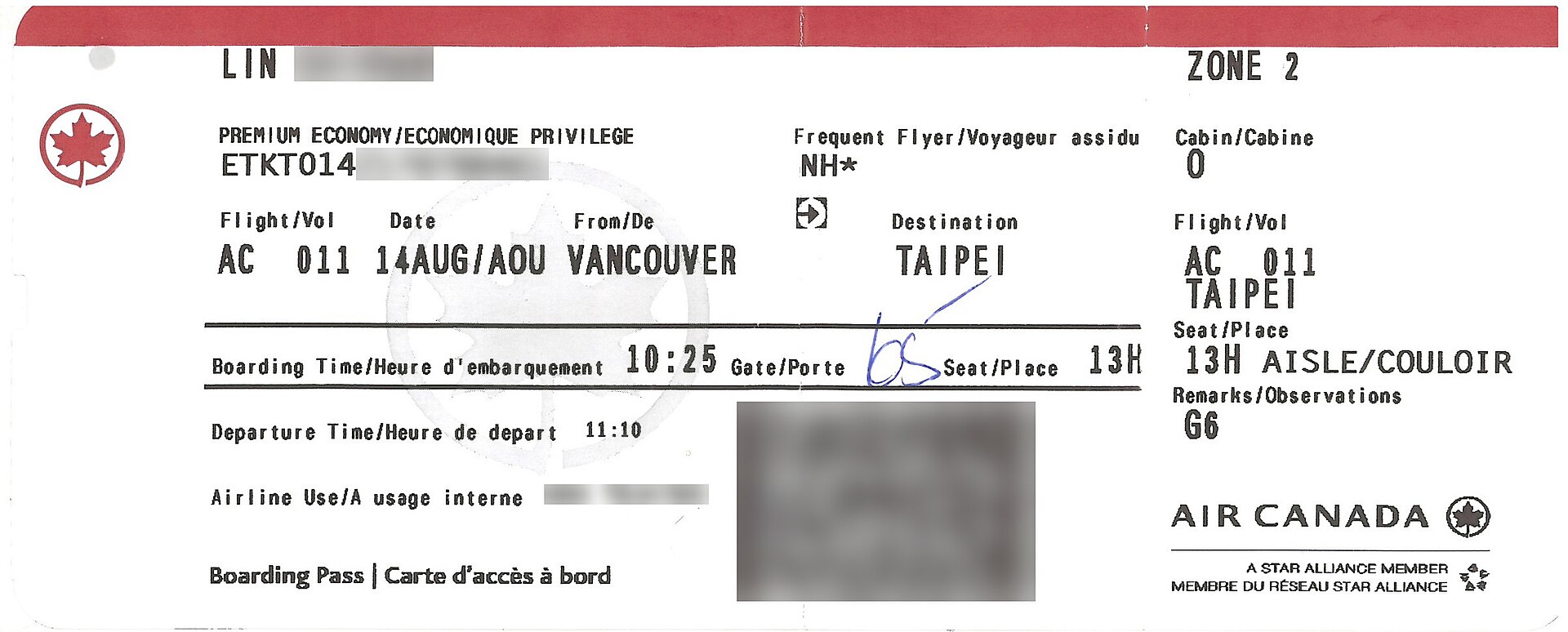
Third, collect documents as events unfold. Useful proof includes receipts, boarding passes, the airline delay confirmation, doctor notes, police reports for theft, and records of refunds or denials. MoneyGeek advises contacting the insurer within 72 hours of a cancellation, or as soon as possible for other claims.
Fourth, submit the claim through the provider portal by the policy deadline. ACKO notes that claim windows often run 30 to 60 days, and filing inside the window avoids processing delays. Keep digital copies of every document you upload.
Fifth, expect a wait. MoneyGeek reports that claims processing takes 10 to 30 days. The insurer may ask for more documents during that period.
Answering quickly keeps the file moving. Squaremouth reports that its customers received an average of 4,944 dollars in reimbursements for approved cancellation claims over the past 12 months.
When to buy and how much coverage to pick
Timing matters more than most travelers expect. Buying within 14 to 21 days of the first trip deposit unlocks time-sensitive benefits on many plans. Those benefits include pre-existing condition waivers and Cancel For Any Reason coverage.
Buying later still gets you a policy, but those options close.
Cancel For Any Reason coverage is an upgrade, not a standard benefit. It lets you cancel for any reason and recovers 50 percent to 75 percent of trip costs, according to MoneyGeek. Squaremouth reports that it appears on roughly 36 percent of the plans on its site.
You must usually buy it within 7 to 21 days of booking, and you must insure the full trip cost.
Match the cancellation limit to the full prepaid, nonrefundable trip cost. Squaremouth warns that insuring only the deposit on a 2,000 dollar cruise leaves the rest exposed. Underinsuring can also disqualify you from time-sensitive benefits such as Cancel For Any Reason coverage.
Set medical limits by destination. MoneyGeek suggests 25,000 to 100,000 dollars for domestic travel and 100,000 to 500,000 dollars for international travel, with higher limits for remote destinations or travelers with chronic conditions. For evacuation, it suggests a minimum of 500,000 dollars, or 1 million dollars for remote destinations.
Think about trip frequency too. An annual or multi-trip policy can make sense if you travel twice or more a year. For a single expensive trip, such as a cruise with strict cancellation terms, a single-trip comprehensive plan is usually the simpler fit.
If a flight is cancelled at the airport, the delay and missed-connection benefits matter more than the cancellation benefit you already passed.
Frequently asked questions
Can I buy travel insurance after booking?
Yes, you can buy it until the day before departure on most plans. The catch is timing. Benefits such as pre-existing condition waivers and Cancel For Any Reason coverage usually require purchase within 7 to 21 days of the first trip payment.
What is the difference between trip cancellation and trip interruption?
Trip cancellation covers you before you leave home. It reimburses what you spent if a covered reason stops the trip. Trip interruption covers you after departure.
It pays for unused costs and extra travel home when a covered reason cuts the trip short.
Does travel insurance cover a flight delay?
It covers delay costs when the delay passes the policy waiting period, usually three to six hours, and the cause is a covered reason such as severe weather or equipment failure. It pays for meals, hotel rooms, and local transport during the delay, within the policy limit.
Does my health insurance work abroad?
United States health plans rarely cover expenses outside the country, including Medicare, according to MoneyGeek. Even when a plan covers an international emergency, you may need to pay upfront and seek reimbursement later. Travel medical coverage can pay providers directly and covers items home insurance does not.
Is travel insurance worth it for domestic trips?
It depends on the money at stake. Cancellation coverage makes sense for an expensive domestic trip with high nonrefundable costs. Medical coverage matters less at home, since your regular health plan works domestically, but delay and baggage benefits can still help.
Packing smart also helps, and a carry bag for a week without checking luggage reduces one common baggage risk.
The bottom line
Travel insurance works as a narrow contract, not a general safety net. It reimburses listed losses, up to stated limits, when you can prove them. The strongest move is to buy early, match limits to the real trip cost, and keep every receipt and confirmation from the moment plans wobble.
Before you buy, read the certificate for covered reasons, exclusions, waiting periods, and claim deadlines. That one document tells you more than any summary page. If you also want help finding a cheaper fare to insure, read our guide to finding cheap flights on flexible dates.
This article is for general information, not financial advice.
Tags: travel insurance, trip cancellation, medical evacuation, claims
Latest in Travel
- How to Pack a Carry Bag for a Week Without Checking Luggage
- What to Do When Your Flight Is Cancelled at the Airport
- What to Do If Your Passport Is Lost Abroad
- How to Find Cheap Flights With Flexible Dates
Subscribe to the Rive News newsletter for one practical explainer every week.
Related stories

The 3-1-1 liquids rule for planes: what each number means
TSA's 3-1-1 rule limits carry-on liquids to 3.4-ounce containers in one quart bag. Where the 2006 rule came from, what counts, and how

Why Is Airplane Food So Bland at Altitude?
A 2010 Fraunhofer study found altitude cuts sweet and salty perception by up to 30 percent. Low humidity, cabin pressure, and noise all

Carry-on size limits: why airlines each set their own
Airlines set their own carry-on limits because the FAA only requires each carrier to have a policy, not one global size. Why 22 x 14 x