
Why Do Companies Use Case Interviews for Non-Consulting Roles?
Key takeaways
- Case interviews test how candidates think under ambiguity, something resumes and behavioral questions cannot reveal.
- Tech, product, marketing, retail and CPG companies now use short "mini-cases" adapted to their industries.
- The format rewards structured thinking and clear communication, not a single correct answer.
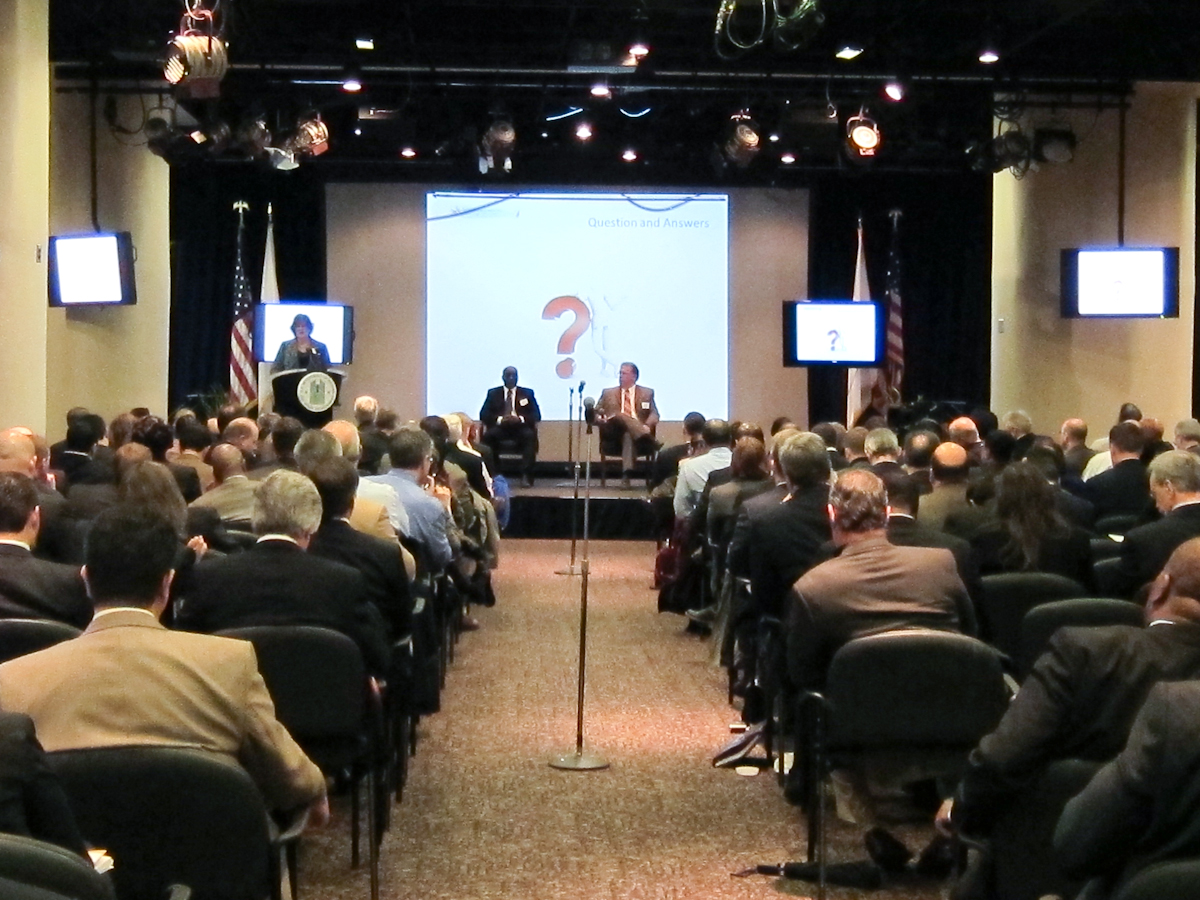
A presentation during a meeting at a government office. Photograph: U.S. Department of Housing and Urban Development
A case interview asks a candidate to solve a business problem live: estimate a market, fix falling sales, or design a product launch. Consulting firms invented the format decades ago, but today product managers, marketers, data analysts, and operations leads face cases too. If you have never worked at McKinsey, meeting a case interview can feel like a category error.
It is not. Employers outside consulting adopted cases for the same reason consultants did: past performance on paper says little about how someone reasons through a problem they have never seen.
A resume shows where you worked. A case shows how you think.
This article explains what a case interview actually measures, why resumes and behavioral questions fall short, which non-consulting roles use cases and what they ask, and the fairness case for the format, along with its limits.
What a case interview actually measures
A case interview is a structured exercise where the candidate solves a realistic problem in conversation with the interviewer. The classic version hands over a scenario, some data, and thirty minutes. The interviewer watches the approach, asks follow-up questions, and probes the reasoning.
The skills under test are specific. hiCareer lists what employers probe with case tasks: handling uncertainty, prioritizing what matters, explaining thinking clearly, delivering under time limits, and applying skills in a realistic task. None of those appear on a CV.
A candidate can have ten years of experience and still freeze when asked to size an unfamiliar market, while a junior candidate with sharp structuring can shine.
For product roles, the simulation is the point. Indeed's career-advice guide, updated February 27, 2026, explains that case questions give employers "a real-life simulation of how you may perform on the job," testing soft skills like attention to detail and communication alongside technical ability. The Product Folks guide adds that interviewers assess whether candidates can analyze ambiguous situations, identify key issues, use data and metrics to support decisions, and communicate recommendations effectively.
Critically, there is usually no single right answer. Interviewers score the structure: did the candidate clarify the question, break the problem into parts, state assumptions, do rough math sensibly, and land on a recommendation with reasons?
A candidate who organizes the problem well and reaches a defensible answer beats one who guesses correctly but cannot explain why. That is why preparation focuses on frameworks and practice, not memorization.
Why resumes and behavioral questions fall short
Hiring outside consulting used to rely on two tools: the resume and the behavioral interview. Both have blind spots that cases are designed to cover.
Resumes describe outcomes, not process. The line "grew revenue 30%" says nothing about whether the candidate diagnosed the problem, got lucky, or rode a market wave. Worse, resumes reward pedigree: the same achievement reads differently from a famous employer than from an unknown one.
Knowing what recruiters scan for in the first six seconds of a resume helps candidates get past screening, but screening is only the doorway.
Behavioral questions, the "tell me about a time when" format, have a different flaw: they test storytelling. Candidates rehearse polished narratives, and interviewers evaluate presentation more than judgment. Research on unstructured interviews has long found them weak predictors of job performance, which is why structured formats keep gaining ground.
Cases fill the gap by making thinking observable. Instead of asking about a past success, the interviewer watches the candidate work through a live problem. Assumptions surface, logic gets tested, and communication is judged on substance rather than polish.
Employers get signal on the actual work: a marketer who can diagnose a sales drop, a PM who can prioritize a roadmap, an analyst who can reason with incomplete data.
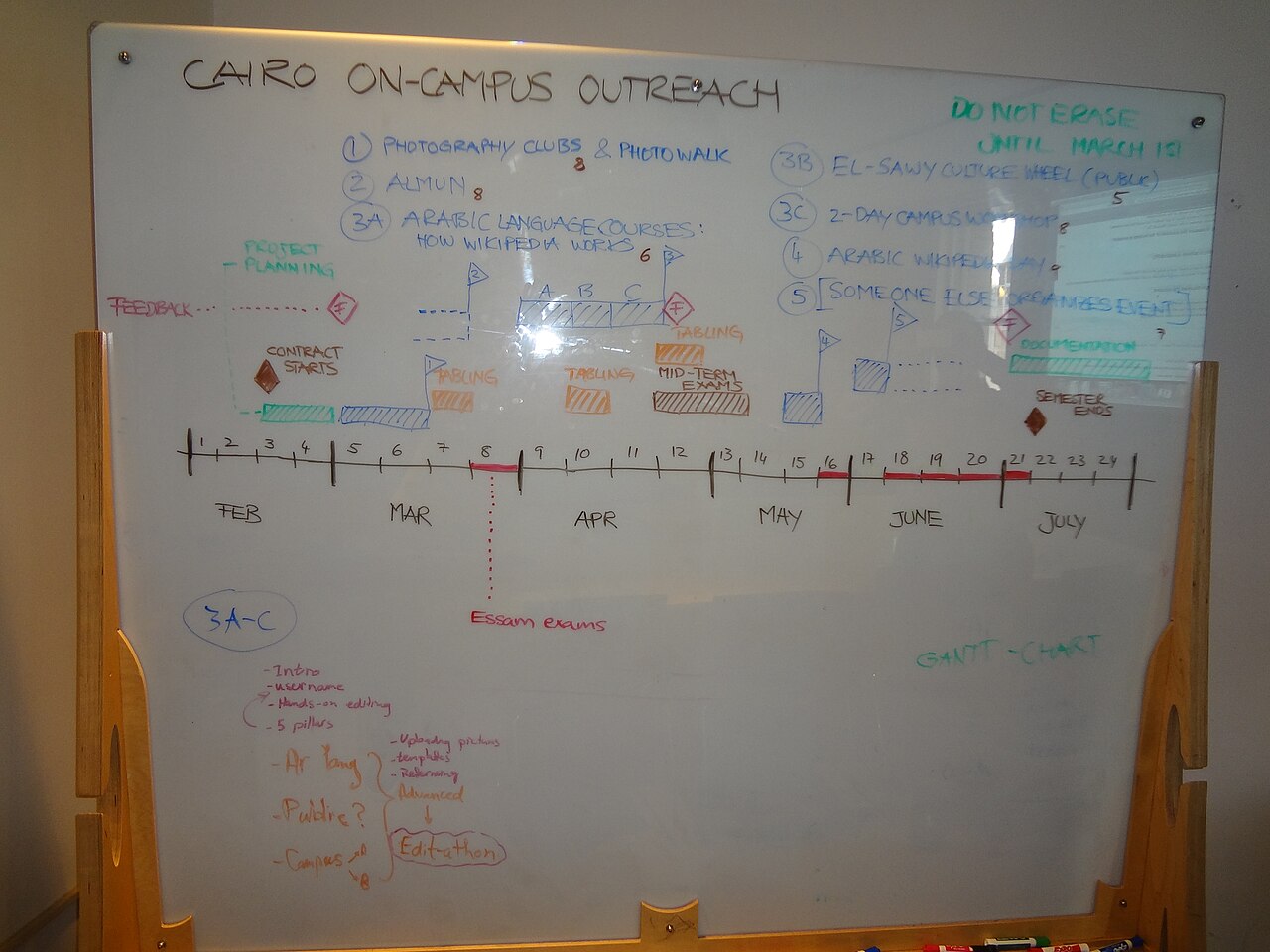
A project planning meeting in Cairo. Photograph: Essam Sharaf
Which non-consulting roles use cases and what they ask
Wharton's MBA career office states the trend plainly: "Case questions are not just for consulting interviews anymore." Its industry guide documents how companies across sectors adapted the format into shorter, role-specific versions.
Big Tech uses situational "mini-cases." Unlike consulting cases, candidates typically do not interpret data charts or extract information the interviewer is withholding.
Instead, a classic prompt is: "Tell me about a product you like. How would you make it better?" The interviewer may ask for five to ten improvement ideas, judging product sense, creativity, and structured communication rather than a right answer.
Consumer packaged goods companies run brand-management scenarios. A typical Wharton example asks the candidate, as an associate brand manager, what to do when sales fall 20% year over year.
The candidate must diagnose whether the problem is distribution, pricing, competition, or the product itself, then propose a plan. Marketing and retail roles favor these "mini-cases," which often last just four to six minutes and test industry knowledge alongside problem-solving.
Operations, strategy, and data roles use their own flavors. An operations case might ask how to cut warehouse costs; a data case might present a confusing dashboard and ask what to investigate first. The Product Folks notes that PM case interviews aim to "simulate real-world scenarios a PM could face," from feature prioritization to launch tradeoffs.
The common thread is job relevance. A case for a marketing hire looks like marketing work. That relevance is also the defense against the charge that cases are arbitrary puzzles: the best ones mirror the decisions the candidate would actually make in the role.

A planning sprint session. Photograph: Wiki Education Foundation
The fairness argument, and its limits
Supporters argue that cases are fairer than the alternatives. Every candidate gets the same problem, the same data, and the same time, which reduces the influence of pedigree, connections, and rehearsed stories. Structured scoring rubrics push interviewers to judge the reasoning rather than the resume.
There is evidence-adjacent logic here: structured interviews consistently outperform unstructured ones in predicting job performance, and cases are among the most structured formats available. They also let non-traditional candidates compete. A candidate from an unknown company can out-structure a candidate from a famous one, and highlighting transferable skills across industries works best when the interview actually tests skills rather than brand names.
The limits are real, though. Case performance correlates with practice, and practice resources are unevenly distributed: expensive coaching favors affluent candidates.
Time-pressured mental math can disadvantage candidates who think deeply but slowly, even when the role rewards depth. And interviewers can mistake confidence for competence, rewarding fluent talkers over careful reasoners.
Good employers mitigate these flaws. They train interviewers on scoring rubrics, use cases closely tied to the role, and combine cases with work samples and reference checks.
Candidates can level the field somewhat with free practice resources and by thinking aloud in a structured way: clarify, structure, analyze, conclude. The format rewards clarity of thought, which is a learnable skill.
Frequently asked questions
Do I need consulting experience to pass a case interview?
No. Non-consulting cases test role-specific reasoning, not consulting frameworks. A product case rewards product sense; a marketing case rewards market understanding.
Structured thinking matters more than any particular framework.
How long do non-consulting case interviews last?
They are usually shorter than consulting cases. Retail and marketing mini-cases run four to six minutes, according to Wharton's guide. Product and tech cases often run 30 to 45 minutes including discussion.
What is the biggest mistake candidates make?
Jumping to a solution before understanding the problem. Interviewers consistently report that candidates rush past clarification, miss key constraints, and then defend a shaky answer. Slow down, ask questions, and structure first.
Can I ask clarifying questions during a case?
Yes, and you should. Clarifying questions are scored positively: they show you identify ambiguity instead of guessing through it. The interviewer expects a dialogue, not a monologue.
The bottom line
Companies use case interviews for non-consulting roles because the work in those roles looks like case problems: ambiguous situations, incomplete data, tradeoffs, and decisions that need explaining. Resumes show history and behavioral questions show storytelling; cases show thinking. The format is not perfect, but for employers who design cases around real role decisions and score them consistently, it remains the closest thing hiring has to a live audition.
Latest in Career & Jobs
- What Recruiters Look for in the First 6 Seconds of Your Resume
- Transferable Skills Examples by Industry
- How to Negotiate Remote Work at the Offer Stage
- How to Make Your LinkedIn Profile Attract Recruiters
Subscribe to the Rive News newsletter for one practical explainer every morning.
Image Credits: Wikimedia Commons / U.S. Department of Housing and Urban Development; Essam Sharaf; Wiki Education Foundation
Related stories

How to Ask for a Raise With Data, Not Emotions
Ask for a raise with market data and documented results, not emotions. Research your rate from BLS wage tables, build an evidence file, run

How to Explain a Career Gap on Your Resume Honestly
A career gap is not a red flag if you explain it honestly: give a reason, show what you did, and point forward. Recruiters reveal the exact

How to Switch Careers at 30 With No Experience in the Field
A career change at 30 means repackaging a decade of transferable skills, not starting over. Map your skills, earn one certification,