
Why Does Hiring Take So Long? The 44-Day Pipeline Explained
Key takeaways
- The global average time to hire reached 44 days in 2025, up from 31 days in 2023.
- Each extra interview round adds three to five days, and 42% of candidates quit processes with slow scheduling.
- Background checks, approvals and 96% screening rates stack weeks onto what looks like a simple decision.
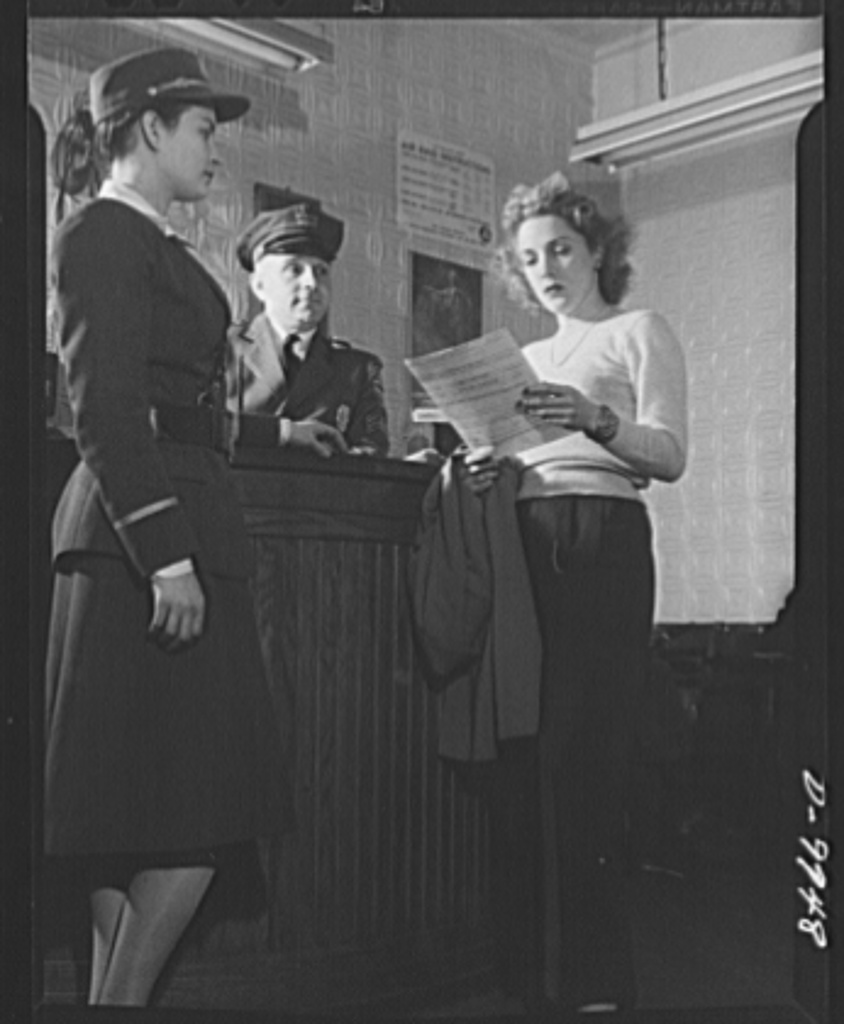
A recruiter reviewing a job application. Photograph: Ann Rosener
You applied three weeks ago, aced two interviews, and now hear nothing. The silence feels personal, but it is mostly structural. Hiring is not a single decision; it is a pipeline of screenings, calendars, interviews, checks, and approvals, and every stage adds days.
The numbers back the frustration. Benchmark data compiled across SHRM research, LinkedIn Talent Solutions, and industry surveys put the global average time to hire at 44 days in 2025, up from 31 days in 2023, according to JoinGenius. The Interview Guys report that 60% of companies made their processes slower over the past year, while only 6% got faster.
This article walks through the hiring pipeline stage by stage, explains where the days actually go, and why even a motivated employer struggles to move quickly.
The pipeline, stage by stage
Hiring starts before you ever apply. Writing the job description, getting budget approval, and posting the role typically consume the first week.
Then applications arrive in a flood: in 2024, US employers invited only about 3% of applicants to interview, according to CareerPlug data cited by High5Test. That means a posting with 300 applicants yields roughly nine interviews, and someone has to screen all 300 resumes to find them.
Resume screening is the first bottleneck. Recruiters skim hundreds of applications against the requirements, and they are looking for fast reasons to say no as much as reasons to say yes. Understanding what recruiters look for in the first six seconds of a resume explains why keyword matching and clean formatting matter more than elegant prose at this stage.
The phone screen comes next, usually a 20 to 30 minute call with a recruiter to confirm basics: salary expectations, location, work authorization. Candidates who pass enter the interview rounds, the longest and most variable part of the process.
High5Test cites Zippia data putting the interview phase alone at an average of 23 days. Most professional roles need two to three rounds, and each round must be scheduled across the calendars of candidates, hiring managers, and panel members.
Finally comes the post-interview gauntlet: reference checks, background screening, and offer approval. High5Test reports that 96.1% of US employers conduct background or screening checks on new hires.
Offer letters then route through HR, the hiring manager's manager, and sometimes finance or legal. Any single link in that chain can stall the file for days.
Interview rounds are the biggest time sink
Every additional round costs real calendar time. Business.com estimates that each interview round adds at least three to five days when you count scheduling, conducting the interview, debriefing, and deciding whether to advance the candidate.
A process with five rounds instead of two can easily burn an extra month.
Why so many rounds? Partly risk aversion: a bad hire is expensive, with SHRM putting the average cost per hire around $4,700, and managers fear the visible cost of a mis-hire more than the invisible cost of a slow process.
Partly it is coordination. Modern hiring involves panel interviews where four or five stakeholders must all be available, debrief together, and agree. Finding one hour that works for six busy people routinely takes a week.
Some companies are learning to cut. The Resource Company's 2026 hiring report cites Ashby productivity data showing that moving from four or more interview rounds to two structured rounds can reduce time to hire by 20 to 30 days "without meaningfully reducing placement quality." Structured rounds, where every candidate gets the same questions scored on the same rubric, also beat long unstructured gauntlets on fairness.

A presentation session in an office meeting room. Photograph: Jiří Sedláček
The trend is not uniform across industries. Hospitality and food-service roles can close in under 20 days, while energy, defense, and government postings stretch past 60 days because of security clearances and compliance checks, according to Climb the Ladder's hiring-timeline analysis. Senior and executive searches run 75 to 120 days.

An interviewer meeting a job candidate. Photograph: Ann Rosener
Scheduling eats the process alive
If interview rounds are the engine of delay, scheduling is the friction. The Interview Guys report that interview scheduling still consumes 35% of recruiters' time. Multiply that across every candidate and every round and the hours evaporate.
Candidates feel it directly. High5Test reports that 42% of candidates withdrew from a hiring process because scheduling took too long.
CareerArc research found 69% of job seekers want the application process to move faster, and an iHire survey found 66.1% expect to hear back from employers in less than 24 hours. Employers rarely meet that expectation: the average process simply has too many moving parts.
AI scheduling tools and one-way video interviews have helped at the margins, but they introduce their own friction. High5Test notes that 24% of companies now have AI conduct the entire interview process in some form, and 72% of organizations use AI-driven tools in recruiting. Those tools speed up screening while creating new complaints about impersonal experiences and opaque rejections.
The deeper problem is structural. Hiring managers do interviews on top of their actual jobs, so interview slots compete with deadlines and meetings. Debrief meetings get postponed.
One vacation in the approval chain pauses everything. None of this is malice; it is a process designed by adding steps over decades without ever removing one.
Background checks and approvals add invisible weeks
Even after a candidate is chosen, the offer is not in the mail. Reference calls take days to arrange. Background checks run one to two weeks depending on the vendor and the candidate's history.
Regulated industries add license verifications, drug screens, and credit checks.
Then the offer itself needs sign-off. Large companies route compensation through HR bands, equity approvals, and budget owners.
A remote-work negotiation at the offer stage can add another loop, since remote arrangements often need separate policy approval. Each approver sits on the file for a day or two, and the file waits in queues between approvers.
This is also where the 44-day average hides an important mismatch. JoinGenius cites Workleap data that top candidates are available for only about 10 days before accepting other offers.
A company averaging 44 days to hire is therefore structurally too slow to land the candidates it most wants, and the best applicants self-select out early. The 42% withdrawal figure is the market punishing slow processes.
The one lever candidates control is responsiveness. Returning scheduling emails within hours, keeping a LinkedIn profile that attracts recruiters so you are found rather than filtered, and treating every round as the final round all shorten your personal timeline even when the company's cannot shrink.
Frequently asked questions
How long should hiring take for a typical role?
The US average is 41 to 44 days from application to offer, according to RecruitBPM's 2026 data. Entry-level roles often close in about 30 days, while senior and specialized roles regularly exceed 60 days.
Is a long process a bad sign about the company?
Not necessarily, but it is a data point. Very long processes with many rounds can signal indecisive leadership or risk-averse culture. Processes that move steadily, even if slow, usually just reflect bureaucracy and busy calendars.
What can candidates do to speed things up?
Reply to scheduling messages the same day, keep references ready before they are asked for, and have your salary expectations clear early. You cannot control the approval chain, but you can make sure you are never the bottleneck.
Why do companies ghost after final interviews?
Ghosting usually reflects process failure, not a decision about you. The req may have been frozen, the budget pulled, or the decision-maker on leave. Following up once after a week is reasonable; after that, keep moving.
The bottom line
Hiring takes 44 days because it is five processes wearing one trench coat: sourcing, screening, interviewing, checking, and approving. Interview rounds and scheduling consume the most time, background checks and approvals add the rest, and the whole machine keeps getting slower even as candidates get less patient. Knowing where the days go will not shorten your wait, but it explains the silence, and it tells you exactly which employers are worth your patience.
Latest in Career & Jobs
- What Recruiters Look for in the First 6 Seconds of Your Resume
- How to Negotiate Remote Work at the Offer Stage
- How to Make Your LinkedIn Profile Attract Recruiters
- Transferable Skills Examples by Industry
Subscribe to the Rive News newsletter for one practical explainer every morning.
Image Credits: Wikimedia Commons / Ann Rosener; Ann Rosener; Jiří Sedláček
Related stories
How to Ask for a Raise With Data, Not Emotions
Ask for a raise with market data and documented results, not emotions. Research your rate from BLS wage tables, build an evidence file, run

How to Explain a Career Gap on Your Resume Honestly
A career gap is not a red flag if you explain it honestly: give a reason, show what you did, and point forward. Recruiters reveal the exact

How to Switch Careers at 30 With No Experience in the Field
A career change at 30 means repackaging a decade of transferable skills, not starting over. Map your skills, earn one certification,