
Student loans face a big vote in the 2026 midterms
Web StoryWatch this story in 15 seconds →Key takeaways
- 43 million Americans owe over $1.7 trillion in federal student loans.
- A 2025 law cut payment options and made forgiven debt taxable again.
- The November 3 midterms decide who writes the next fix.
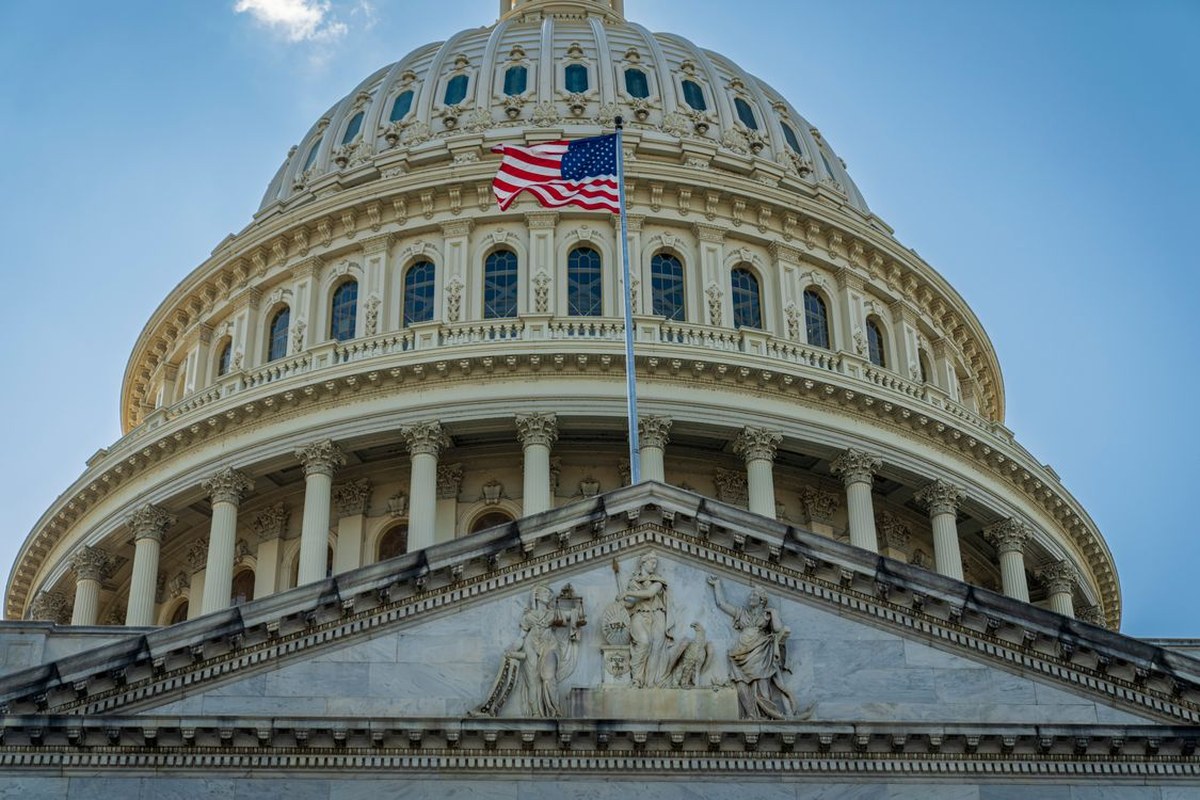
Student loans are on the ballot this year. On November 3, voters will pick a new Congress. That Congress will shape loan rules for 43 million borrowers.
What happened
The law is called the One Big Beautiful Bill Act. In 2025, Congress passed a big student loan law. President Donald Trump signed it on July 4, 2025.
No Democrat in Congress backed the law. It passed with Republican votes alone. It rewrote the rules for millions of borrowers.
The law ended several popular payment plans. It shut down SAVE, Pay As You Earn, and Income-Contingent Repayment. These plans tied monthly bills to income.
In July 2026, the old plans shut down. Borrowers must now pick a new plan.
Two choices remain for new borrowers. They can pick a standard plan. Or they can pick the new Repayment Assistance Plan.
The new plan is called RAP for short. It takes 1 to 10 percent of income each month. Repayment can last up to 30 years.
The law also ended zero dollar payments. The lowest payment is now 10 dollars a month. That rule applies even with zero income.
In August 2024, 4.5 million borrowers paid zero dollars. That was 14 percent of borrowers on income-driven plans. Those days are over for new loans.
New Parent PLUS loans lost income-driven options. Parents can no longer tie these loans to income. That change also started on July 1, 2026.
Grad PLUS loans are gone too. Graduate students now face a $100,000 lifetime cap. Students in professional programs can borrow up to $200,000.
The law also ended hardship deferment. Borrowers once got up to three years of pause. That safety net is gone for new loans.
The Education Department cut staff through mass layoffs. Critics link the cuts to glitches and delays. Borrowers report long waits for basic answers.
Why it matters
The tax change may hurt the most. Forgiven loan debt is taxable income again. A tax break ended on December 31, 2025.
Picture a borrower who pays for 25 years. The rest of the debt is then forgiven. That forgiven sum now counts as income.
The tax bill could reach tens of thousands of dollars. The borrower never got that cash. The debt was simply erased.

Some relief programs stay tax-free. Public Service Loan Forgiveness is one of them. Other plans no longer get that shield.
Servicing problems add to the pain. Borrowers report wrong late notices and long delays. Some wait months for basic answers.
Senator Elizabeth Warren has pressed the issue. She sent letters to servicer MOHELA and the Education Department. She asked about false late notices and plan errors.
Money pressure is real for many homes. Loan bills compete with rent and food. A missed payment can snowball fast.
Borrowers who fall behind face growing balances. Small debts can turn into a debt trap fast. Fees and interest pile up.
Other places are also pausing student payments. Ontario paused payments for some private college loans. The move shows how wide the strain runs.
Tax debt can follow forgiven loans. One famous case shows how tax debt can pile up fast. Borrowers should plan for that risk.
College costs keep climbing. Loans fill the gap for many families. The new caps may push some toward private loans.
Private loans lack federal safety nets. They offer no income-driven plans. They offer no forgiveness path.
This article is for information only and is not financial advice.
What happens next
On November 3, voters decide control of Congress. A new House or Senate could push reforms. It could also block new changes.
A full rollback is unlikely. President Trump can veto any bill. Congress lacks the votes to override him.
Still, small fixes are possible. The budget process forces both sides to talk. Lawmakers could restore tax-free forgiveness there.
Bipartisan bills are already waiting. One would set new loan rates at 2 percent. Another would cut rates to zero.
A third bill would allow refinancing inside the federal system. Borrowers now can only refinance with private lenders. Private loans can strip federal protections.
Oversight could change fast. A new majority would gain subpoena power. It could force officials and servicers to testify.
Borrowers should watch the official rules. Election talk is not policy. Only signed laws and agency notices change payments.
What borrowers can do now
Start with your servicer. Ask which plan you are on. Ask what your bill will be.
Write down key dates. Note when your plan changes. Note when payments restart.
Check your tax picture too. Forgiven debt may count as income. A tax adviser can help you plan.
Keep every letter from your servicer. Save emails and notices. Paper trails help in a dispute.
Check your plan before the vote. Know which plan you are on. Ask your servicer what comes next.
The vote will not erase debt overnight. It will set the tone for years. Borrowers should check their plan now and stay ready.
Related stories

Why Do I Blank Out During Tests Despite Studying: Test Anxiety and Retrieval Failure
Blanking out in exams is retrieval failure, not missing knowledge. Anxiety drains working memory; rereading builds false confidence. Here

How to Study for Exams Without Burning Out
Sleep 7-8 hours, study in 25-50 minute blocks, and exercise daily. The science-backed way to study for exams without burning out, and what

Why Do I Forget What I Just Read? Science Has an Answer
You forget what you just read because of the forgetting curve, mapped by Ebbinghaus in 1885. Science explains why memory fades fast and how