
Tax evasion pardon leaves Chrisley couple with $1.5 million debt
Web StoryWatch this story in 15 seconds →Key takeaways
- The IRS filed a $1,571,452 tax lien against Todd and Julie Chrisley in Tennessee. It was filed on August 19, 2026, according to records obtained by Page Six.
- A pardon freed the couple from prison in May 2025. It did not wipe out their tax bill.
- The lien lists two unpaid tax assessments. They add up to the full $1,571,452 total.

Todd and Julie Chrisley owe about $1.5 million in unpaid federal taxes. The IRS filed a lien against them on August 19, 2026. A pardon freed them from prison. It did not erase a tax bill.
What happened
A lien after the pardon
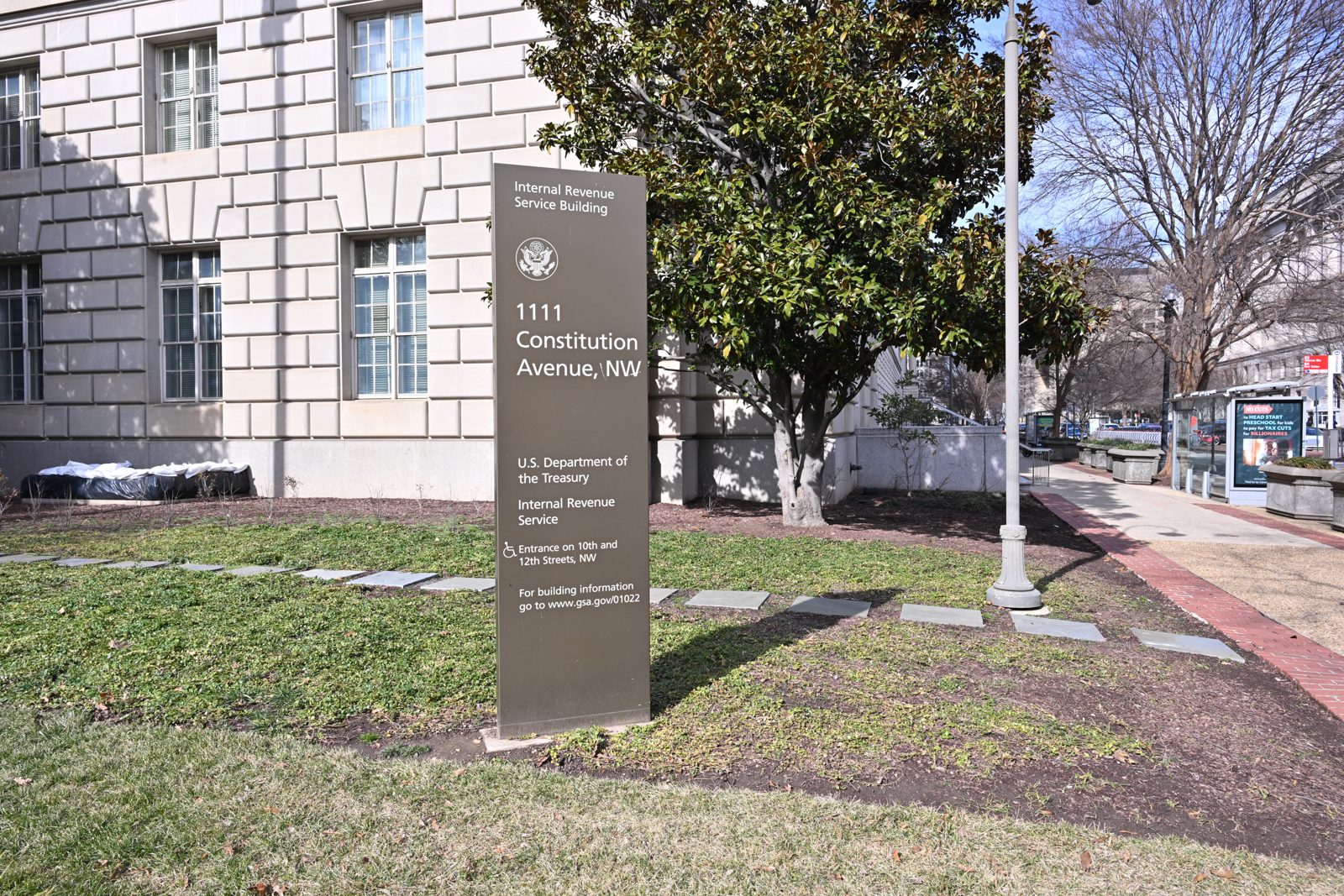
The Internal Revenue Service says Todd and Julie Chrisley still owe tax money. The agency filed a federal tax lien against the couple. It filed the lien in Davidson County, Tennessee.
The date was August 19, 2026. The total was $1,571,452. Page Six obtained the records. The Blast also reported the new tax trouble after the pardon.
A lien is a legal claim. The government files one when it says tax money is still owed. It is a public record of the debt.
It puts the claim out in the open. It does not seize property on its own.
Two unpaid bills
The lien lists two unpaid tax assessments. A tax assessment is the amount the IRS says a person owes. It covers a set tax period.
It is the official bill. The couple's two bills add up to the full total.
The first bill is $142,410.72. It covers the tax period that ended December 31, 2021. It is dated December 5, 2022. The second bill is $1,429,041.89. It covers the tax period that ended December 31, 2022. It is dated December 11, 2023. Both figures come from records obtained by Page Six.
Why do the dates matter? The bills are old. The tax years are 2021 and 2022. The lien itself is new.
It arrived in August 2026. That gap confuses some readers. An old bill can still lead to a new lien.
The pardon
President Donald Trump pardoned the couple in May 2025. A pardon is an official act of forgiveness for a crime. It wipes away the criminal punishment. In this case, it freed them from prison.
It also wiped out their supervised release. Supervised release is a period of watch after prison. The pardon ended that too.
But a pardon does not erase a tax bill. Criminal punishment and a tax bill are two split things. The pardon dealt with the criminal case.
The lien covers separate unpaid tax assessments. That split is the heart of this story. Some readers may think a pardon clears all debts.
It does not. It clears the criminal penalty only.
Tax evasion means not paying taxes the law says you owe. It can mean hiding income. It can mean filing false forms.
The couple were convicted of tax evasion as part of their case. The pardon forgave the crime. It did not forgive the money owed.
The case that came first
The couple were convicted in June 2022. They were found guilty of conspiring to defraud banks and evade federal taxes. Prosecutors accused them of a large fraud. They said the couple got more than $36 million in fraudulent loans.
The loans came from falsified financial documents, according to prosecutors. Falsified means fake or altered. The couple then spent the money on luxury goods, according to prosecutors.
The list included luxury cars and designer clothes. It also included real estate and travel.
Todd, 57, was sentenced to 12 years in federal prison in November 2022. Julie, 53, got seven years. They reported to prison in January 2023. Todd went to a prison in Pensacola, Florida. Julie went to a prison in Tallahassee, Florida.
Why it matters
The story matters because it clears up a common mix-up. A pardon sounds like a full reset. It is not.
The criminal case and the tax bill run on split tracks. One can end while the other stays open. That is what happened here.
For readers, the lesson is plain. A pardon ends prison time. It does not end a tax debt.
The IRS can still file a lien. It can still seek the money. Tax law and criminal law are not the same thing.
Why is "tax evasion" trending? People search the term when a big case hits the news. This case links a pardon, a known couple, and a $1.5 million bill.
That mix draws eyes. Readers want to know what a pardon can and cannot do.
Read about another tax evasion case to see how tax probes work. Tax rules also change often. See how trust tax changes work in another country.
For a sense of scale, see a major bank fine case.
What happens next
The lien is now on the public record. Page Six said it reached out to the couple for comment. It said it did not get a reply.
In general, a person with a tax lien can pay the debt. They can also challenge the bill. They can seek a payment plan with the IRS.
The next step is up to the couple and the IRS. The public record will show any new filing.
Watch for the next filing. If the debt is paid, the lien can be released. If it is not paid, the lien stays on the record.
Either way, the case shows a clear line. A pardon can free a person from prison. It cannot free a person from a tax bill.
This article is for information only and is not financial advice.
Related stories

How your APR is divided by 365 to get daily interest
Lenders divide your APR by 365 for a daily rate, then apply it to your average daily balance. This guide walks through every step

What is the difference between APR and effective annual rate?
APR ignores compounding inside the year; the effective annual rate includes it. A 12.99% APR card really costs 13.80% a year. Worked

APY vs interest rate: what compounding does to your money
APY includes compounding; the interest rate does not. A 5% rate compounded monthly is really 5.12% APY. Here is how the math works and what