
Why Studying in the Same Room Helps You Remember More
Key takeaways
- Divers in a 1975 study recalled about 47% more words when tested in the same environment where they learned them.
- The effect is context-dependent memory: the brain stores surroundings with facts, then uses them as retrieval cues.
- Study in your exam room when possible; if you cannot, spread study sessions across several different rooms.
Context-dependent memory is the finding that people recall information better when the place where they remember matches the place where they first learned it. The effect was demonstrated most famously with scuba divers, and it has since been replicated with ordinary rooms.
Your brain does not file facts in isolation. It bundles them with background details: the room, the lighting, the chair, even your mood at the time. At test time, those background details act as extra retrieval cues that help pull the facts back out.
This article looks at why studying in the same room helps you remember, including the famous 1975 diver experiment, how the mechanism works, how strong the effect really is, and how to put it to work in your own study routine.
The diver experiment that started it all
In 1975, psychologists Duncan Godden and Alan Baddeley, both at the University of Stirling in Scotland, wanted a memory test that felt like real life. They recruited 18 members of a local diving club, 13 men and 5 women, and had them learn lists of 36 unrelated words either on dry land or underwater, about 20 feet down at a dive site near Oban, Scotland.
The divers then recalled the words in one of four combinations: learn on land and recall on land, learn underwater and recall underwater, or the two mismatched pairings. After a short distractor task to clear short-term memory, they wrote down every word they could remember.
The results were striking. Divers who learned and recalled in the same environment remembered 13.5 words (land to land) and 11.4 words (water to water) on average. Those tested in a different environment managed only 8.4 and 8.6 words.
Averaged across conditions, matching the context produced about 47% more recalled words, a difference the researchers reported as highly statistically significant. The paper appeared in the British Journal of Psychology, volume 66, pages 325 to 331.
A second experiment in the same paper ruled out an obvious objection: that the disruption of moving between environments, rather than the context itself, caused the drop. It did not. The context match was doing the work.
Why your brain links memories to places
Psychologists explain the effect with the encoding specificity principle, first proposed by Endel Tulving and Donald Thomson in 1973. The idea is simple: when you encode information, you encode the surroundings along with it. Later, anything that overlaps with that original trace, including the room itself, can serve as a retrieval cue.
This is why walking into an exam hall can make material feel familiar before you even read the first question. The walls, the desks, the lighting, and even the smell of the room were all present while you studied, and your brain stored them as part of the memory.
The same mechanism explains why the effect is strongest for free recall and weakest for recognition. In a 1978 series of five experiments published in Memory and Cognition, Steven Smith, Arthur Glenberg, and Robert Bjork had students learn word lists in one room and recall them in either the same or a different room. Same-room recall was consistently better, but when students only had to recognize words from a list, changing rooms made little difference.
Recognition hands you the cue directly; recall forces you to generate your own, and that is where the room helps.
How strong is the effect, really
The honest answer is that it depends on how different the two places are. Land versus underwater is an extreme contrast, and it produced a large effect. Two ordinary classrooms look, sound, and feel far more alike, so the room-to-room effect is smaller.
Reviewers of this literature note that the contexts have to be fairly distinct before a big effect shows up. That does not make the finding useless for students. It means the smartest version of the strategy is to match the specific room where the test will happen, not just any quiet study spot.
There is also a twist worth knowing. Smith's later work found that studying the same material in several different rooms can outperform studying in a single room, at least when the test room is unknown. The variety seems to detach the memory from any single context, making it retrievable anywhere.
That finding sits alongside the well-known testing effect: self-testing beats rereading because it practices retrieval itself rather than leaning on the room to do it.
How to use it when you study
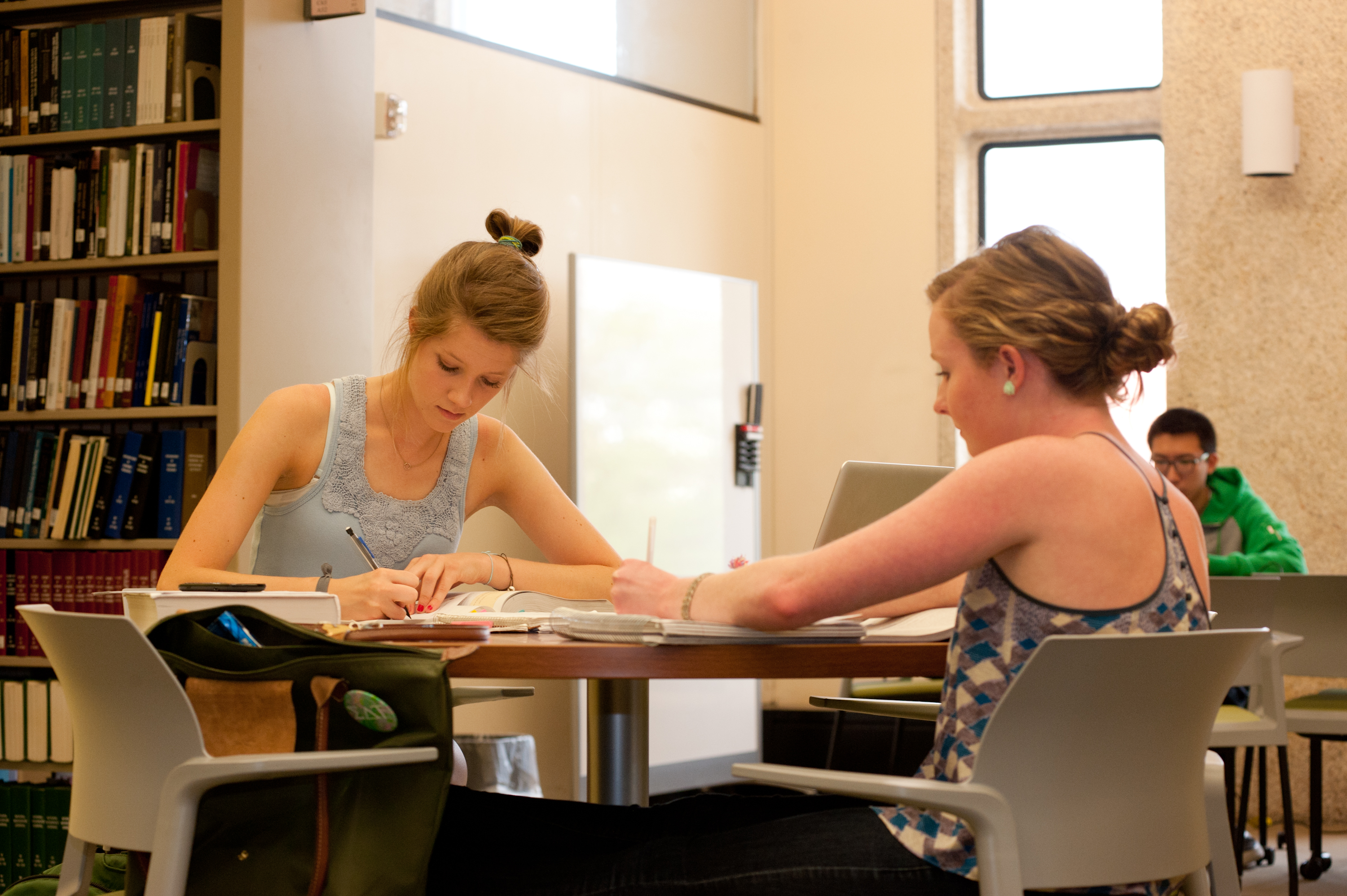
If your exam takes place in a known room, try to study there at least once before the date. Many schools and universities let students sit in empty lecture halls during revision season. One review session in the actual hall can be worth more than another evening at your desk.
When the test room is a mystery, rotate your study locations instead. One session at home, one in the library, one in a classroom. Each new context gives the material a fresh set of background cues, so the memory does not depend on any single one.
Recreate the context mentally if you cannot visit the room. Smith's research showed that simply imagining the study environment during the test can reinstate some of the benefit. Before the exam starts, close your eyes and picture where you were sitting when you learned the hardest topics.
Pair the strategy with active recall. Context matching is a nudge, not a substitute for learning. Students who forget things right after a test are usually relying on recognition rather than real retrieval.
Quiz yourself from memory first, then let the room add its small boost.
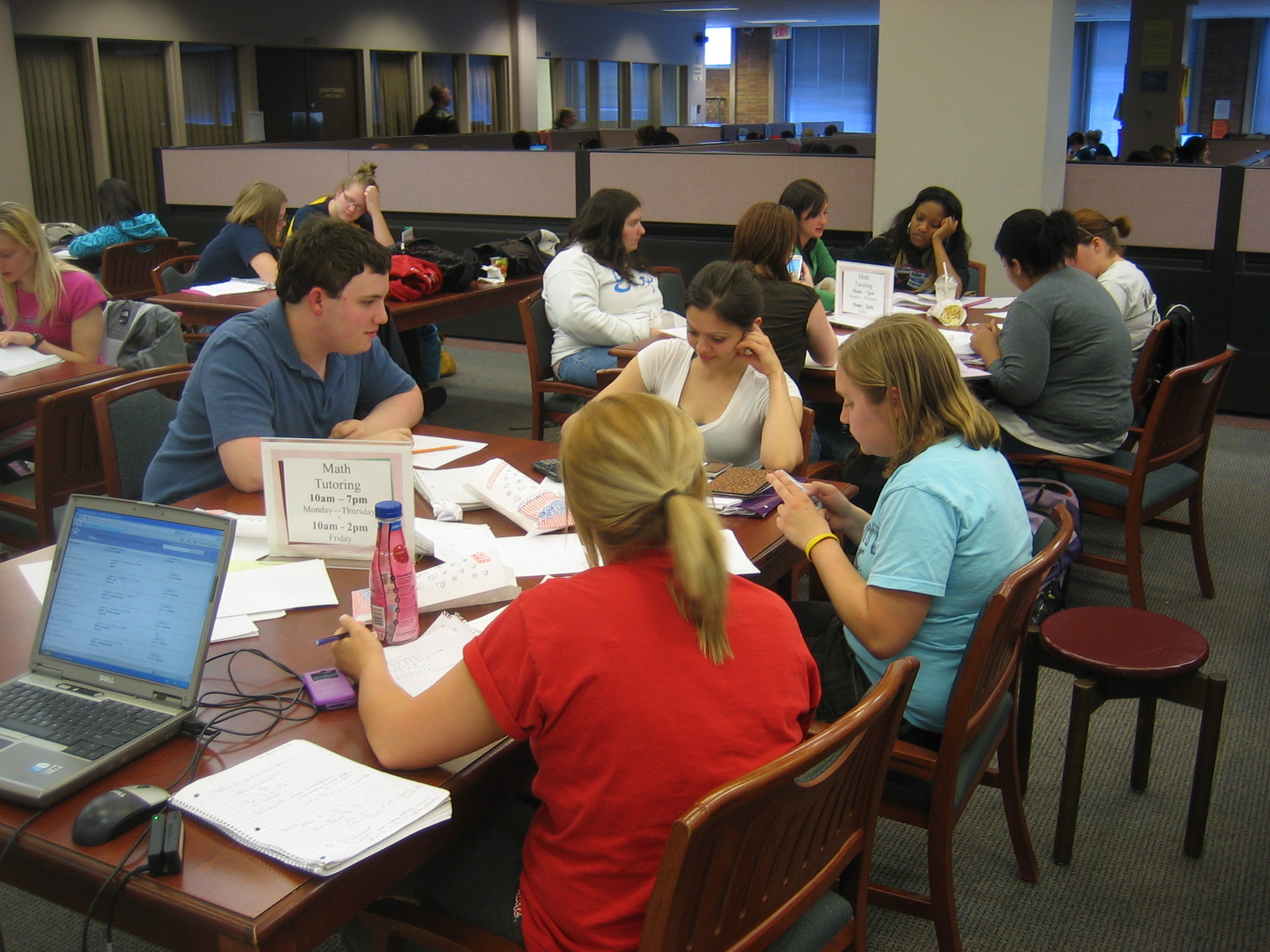
One more caution: avoid the trap where cramming feels effective but fails under exam conditions. Cramming in one marathon session ties everything to a single tired state of mind, which is the opposite of what you want. Short, spaced sessions in varied rooms beat one long night anywhere.
Frequently asked questions
Does studying in the same room guarantee a better grade?
No. The effect is real but modest for similar rooms, and it only helps material you have genuinely learned. Think of it as a small retrieval bonus on top of solid preparation, not a shortcut.
What if I cannot access the exam room beforehand?
Study in several different places instead of one. Research suggests that multiple contexts make memories easier to retrieve in a new room. Mental reinstatement, picturing your study spot during the test, can also help.
Does music or scent work the same way?
Similar effects have been found with background sounds and smells, but the same rule applies: the cue must match. If you study with music playing, the benefit disappears in a silent exam hall. Keep study conditions as close to test conditions as you can.
Is this why I blank on answers I knew during the test?
Sometimes. Context mismatch is one reason students blank on answers they knew during a test. Stress plays a role too, so practice under timed, test-like conditions to reduce both problems at once.
The bottom line
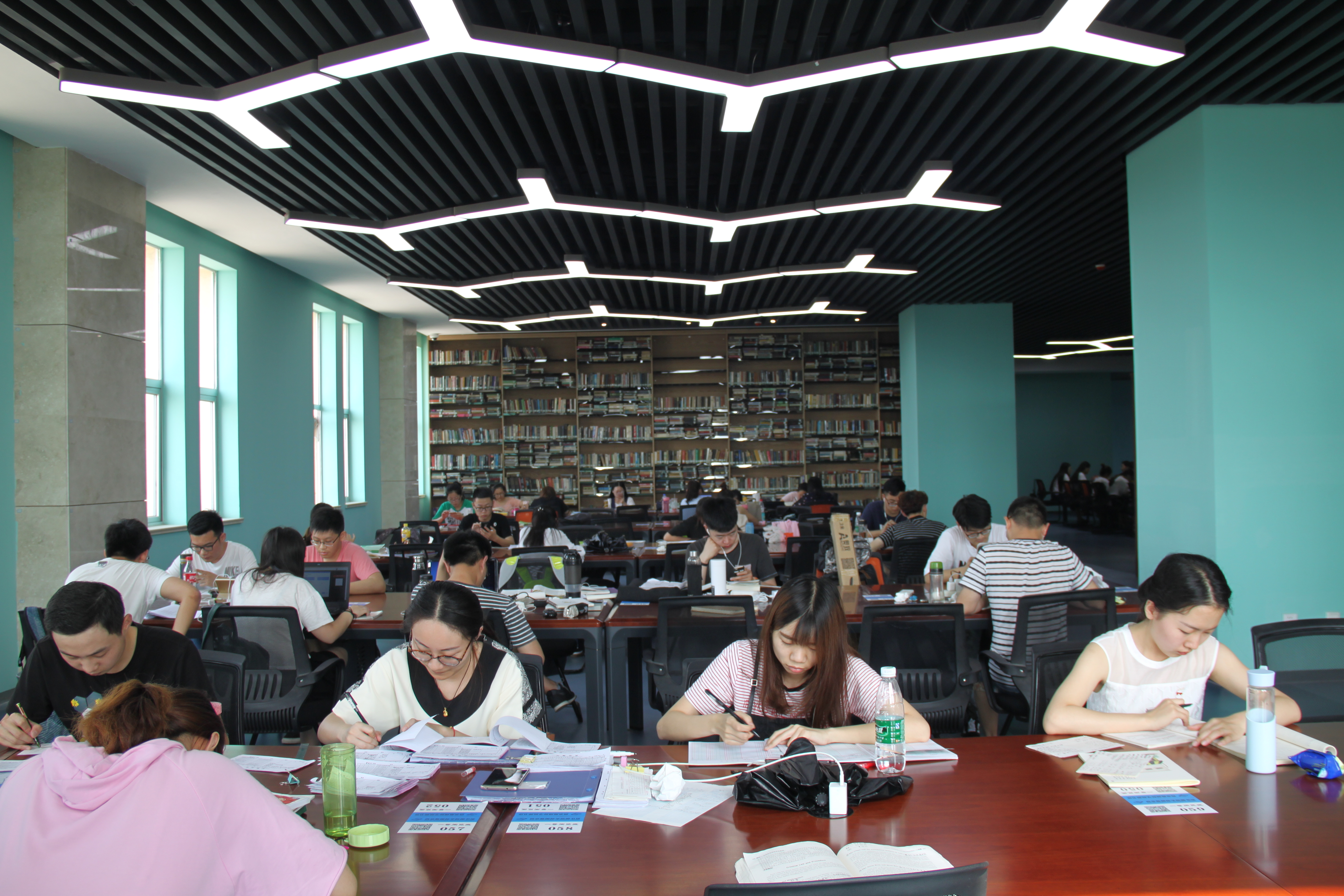
Studying in the same room where you will be tested gives your memory extra cues to work with, and the classic research shows the gain can be large when the environments are clearly different. Match the exam room when you can, rotate rooms when you cannot, and keep testing yourself from memory. The room helps, but retrieval practice does the heavy lifting.
Image Credits: Wikimedia Commons / Tulane Public Relations, KSULib, Gary Todd
Latest in Education & Study
- How to Organise Revision for Five Subjects at Once
- How to Write a Research Paper From Scratch
- How to Read a Textbook Effectively, Not Just Highlight It
- How to Break Bad Study Habits
Subscribe to the Rive News newsletter for one practical study tip every week.
Related stories

Why Do I Blank Out During Tests Despite Studying: Test Anxiety and Retrieval Failure
Blanking out in exams is retrieval failure, not missing knowledge. Anxiety drains working memory; rereading builds false confidence. Here

How to Study for Exams Without Burning Out
Sleep 7-8 hours, study in 25-50 minute blocks, and exercise daily. The science-backed way to study for exams without burning out, and what

Why Do I Forget What I Just Read? Science Has an Answer
You forget what you just read because of the forgetting curve, mapped by Ebbinghaus in 1885. Science explains why memory fades fast and how