
Bank of Canada may raise rates October 28: what a hike costs
Web StoryWatch this story in 15 seconds →Key takeaways
- The Bank of Canada announces its next rate decision on Wednesday, October 28, 2026.
- Most economists polled by Reuters now expect a hike to 2.50% from 2.25%.
- A quarter-point hike would lift prime to 4.70% and raise variable mortgage costs.
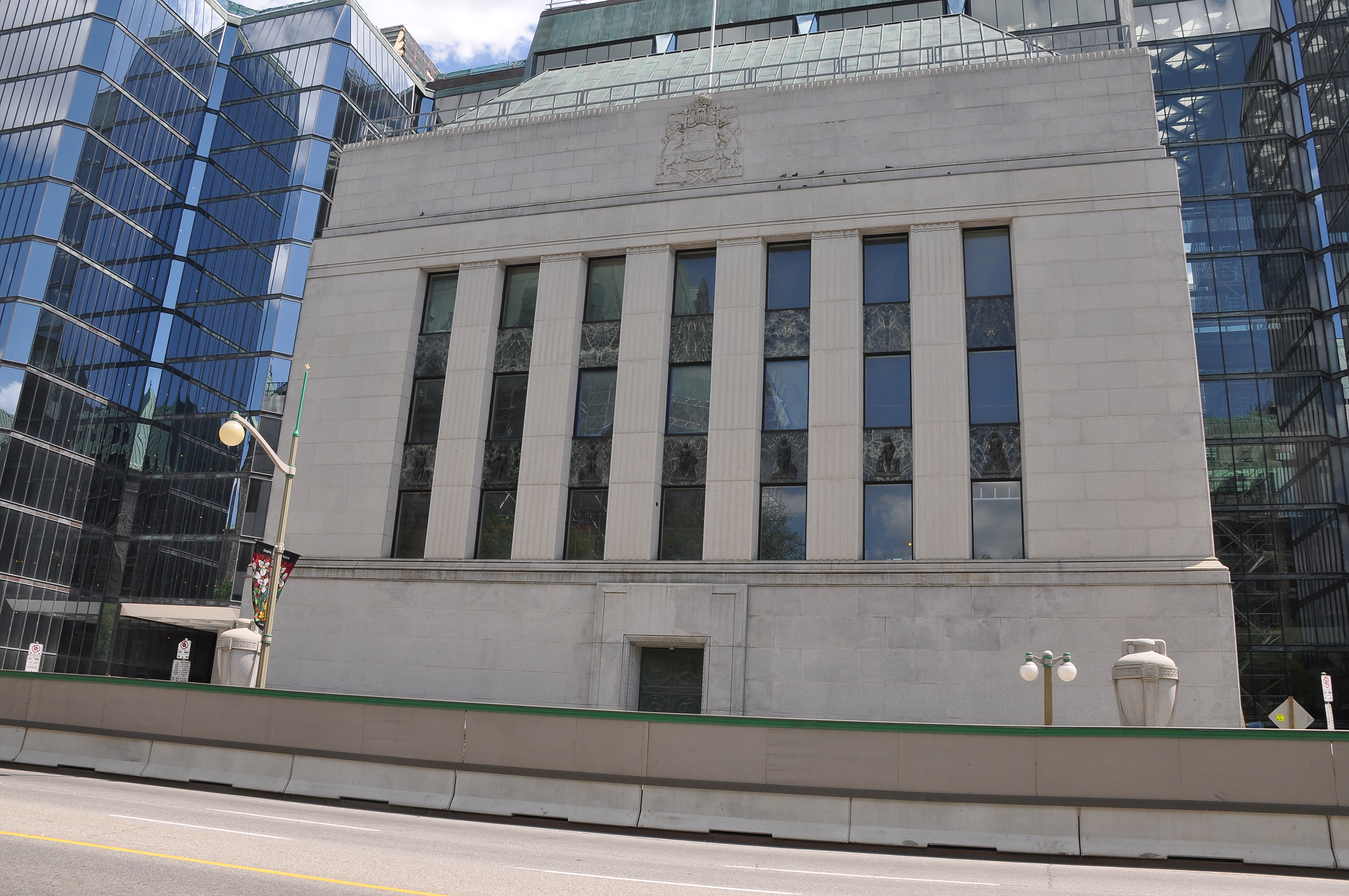
The Bank of Canada will announce its next interest rate decision on Wednesday, October 28. Most economists polled by Reuters now expect a rate hike. They expect the rate to rise to 2.50% from 2.25%.
What happened
The Bank of Canada sets a policy rate. This is the rate banks charge each other for overnight loans. It now sits at 2.25%.
It has sat there since October 2025.
The Bank cut the rate to 2.25% in October 2025. It then held the rate steady seven times in a row. A hike on Wednesday would be its first move in a year.
Reuters polled 34 economists from October 21 to 23. Nineteen of them expect a hike on October 28. That is 56% of the poll. The hike they expect is 25 basis points. One basis point is one hundredth of a percent.
The shift is sharp. In the prior poll, 80% of economists expected no change. They expected the rate to stay at 2.25% through the end of 2026. Now a majority expect a hike this week.
Inflation is the main driver. Prices rose 3.1% in September from a year earlier. The Bank targets inflation between 1% and 3%.
September inflation sits just above that range.
Gas did much of the work. Gas prices rose 27.8% from a year earlier. Without gas, inflation slowed to 2.2%.
That detail matters for the hold case below.
Bank Governor Tiff Macklem spoke to reporters on Saturday. He said the Bank's new forecasts are likely to be revised higher. Markets read his words as a hint that a hike is coming.
The Bank's business outlook survey also moved views. It showed inflation expectations rising sharply. Royce Mendes of Desjardins pointed to the surveys.
He said they suggest stronger inflation pressure is coming.
Rate futures moved fast too. They priced a 30% chance of an October hike before. They now price around a three-in-four chance.
Many economists changed their call from hold to hike this week.
Why it matters
A policy rate hike reaches household budgets through prime. Prime is the base rate big banks use for loans. It now sits at 4.45%.
A quarter-point hike would take it to 4.70%.
Variable mortgage holders feel it first. Their rates move with prime. A quarter-point rise adds about $71 a month to a $500,000 variable mortgage.
That math comes from Local Toronto, using a 25-year term.
Some variable mortgages work differently. Their monthly payment stays fixed. In that case more of each payment goes to interest.
Less goes to paying down the loan itself.
Fixed mortgage rates work another way. They follow bond yields, not the policy rate. Bond yields have already risen a lot this year.
That has pushed fixed rates up without any Bank move.
The lowest fixed rates are now 4.34%. That covers three-year and five-year terms, according to Ratehub data cited by MoneySense. The lowest variable rate is 3.43%.
A hike would push it to about 3.7%.
Savers face the other side of the coin. Higher rates can mean better returns on savings. But they also mean higher loan costs.
Our guide explains why savings account rates change when the Bank moves.
The fixed-versus-variable choice matters more now. A fixed or variable rate suits different budgets. Fixed means a locked payment for the term.
Variable means the payment moves with prime.
Housing is already soft. Home sales fell 2.3% in September from August. They were down 7.7% from a year earlier.
The national average price was $666,538. That is down 1.6% from a year ago.
A hike could cool housing further. MoneySense mortgage expert Clay Jarvis warned of this risk. He said a hike could drag on the fall housing market.
He also said a hold would keep an underwhelming status quo.
The case for holding
Not every economist expects a hike. RBC still expects the Bank to hold through the rest of 2026. Its case rests on jobs and growth.
Canada lost 68,000 jobs in September. The unemployment rate rose to 6.5%. Weak jobs make a hike harder to defend.
Higher rates slow hiring further.
Growth has also cooled. It likely slowed to 1.9% last quarter from 3.3% in spring. The Reuters poll puts growth at 1.3% this quarter.
Full-year growth is forecast at 1.0% for 2026.
Core inflation looks calmer than the headline. Core strips out wild price swings like gas. It sits near 2%, close to the Bank's goal.
A rate hike does little to lower gas prices.
Jarvis made the same point to MoneySense. He said inflation is a growing concern but not yet widespread. He said weak jobs and slow growth feel more pressing.
He sees a hold next week as more likely.
This split is why Wednesday is so watched. The hike camp points to inflation expectations. The hold camp points to jobs and growth.
Both sides cite real numbers.

What happens next
The decision lands at 9:45 am Eastern on Wednesday. The Bank will also publish its Monetary Policy Report. That report holds its new forecasts for inflation and growth.
Watch the forecasts closely. Scotiabank's view, reported by Local Toronto, is simple. It would be odd to raise the inflation forecast without raising rates.
A higher forecast would point to a hike in October or December.
The Reuters poll looks past Wednesday too. Sixteen of 29 economists expect one more rise before March 2027. That would take the rate to 2.75%. Reuters notes it would be the shortest tightening run in 30 years.
The next decision after Wednesday is December 9. That is the last decision of 2026. A hold on Wednesday would leave December live. A hike would still leave room for one more move.
For borrowers, the practical step is a rate hold. A rate hold locks a quoted rate for a set time. It costs nothing to arrange through a broker.
It guards against a rise before renewal or purchase.
For savers and borrowers alike, one fact stays fixed. No one outside the Bank's council knows the decision early. Wednesday at 9:45 am Eastern is when Canada finds out.
This article is for information only and is not financial advice.
For the wider price picture, see our report on US inflation and the October CPI data. It shows how price reports move rate bets. Wednesday will test whether Canada's own numbers point the same way.
Related stories

How your APR is divided by 365 to get daily interest
Lenders divide your APR by 365 for a daily rate, then apply it to your average daily balance. This guide walks through every step

What is the difference between APR and effective annual rate?
APR ignores compounding inside the year; the effective annual rate includes it. A 12.99% APR card really costs 13.80% a year. Worked

APY vs interest rate: what compounding does to your money
APY includes compounding; the interest rate does not. A 5% rate compounded monthly is really 5.12% APY. Here is how the math works and what