
California billionaire tax vote: what Prop 40 would do
Web StoryWatch this story in 15 seconds →Key takeaways
- California votes on November 3, 2026, on Proposition 40, a one-time tax on billionaires.
- The tax would be 5% of net worth for people worth at least $1 billion.
- Opponents have raised more than $300 million, while supporters have raised $32 million.
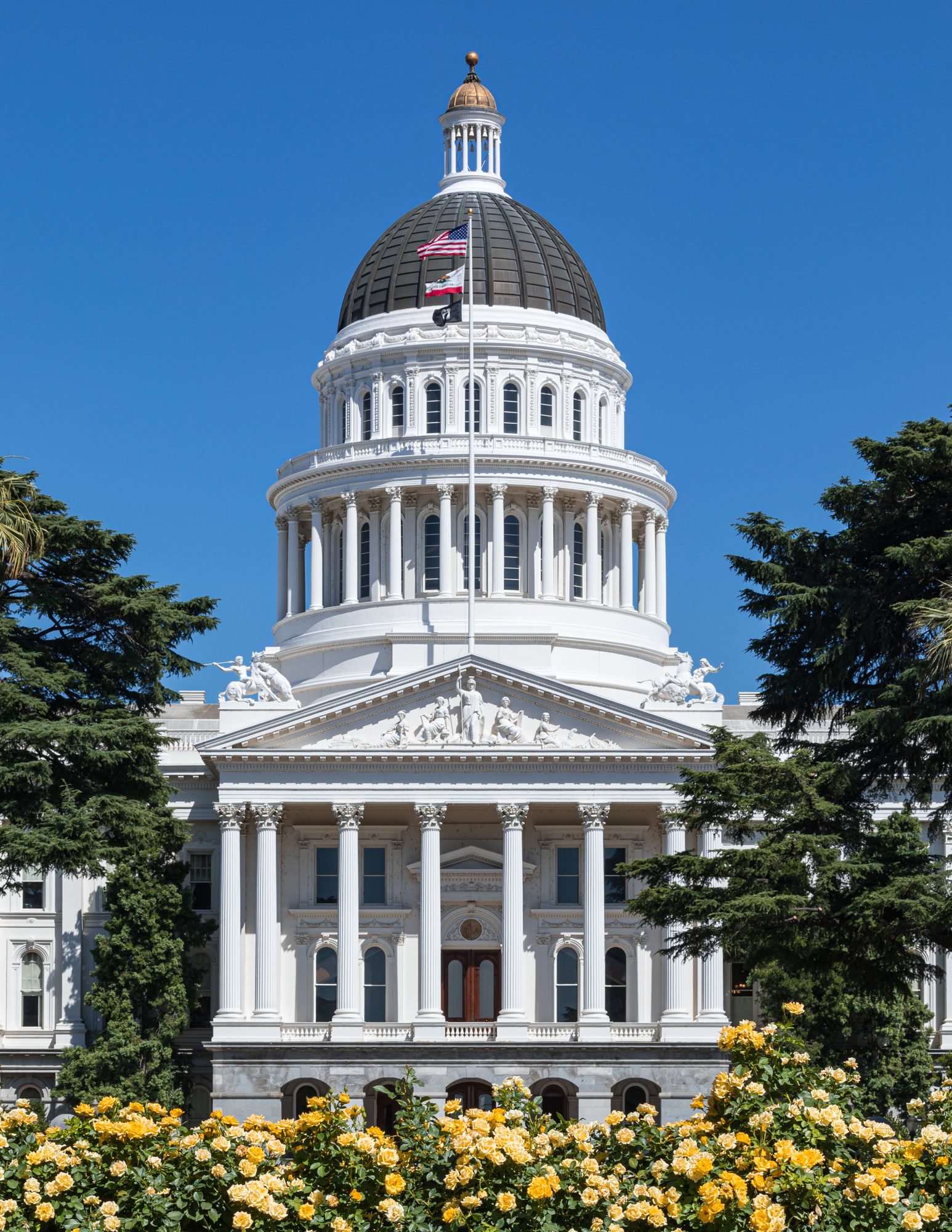
California voters will decide a new tax on billionaires on November 3, 2026. The plan is called Proposition 40, or Prop 40.
It would place a one-time tax of 5% on the wealth of the state's billionaires. Supporters say it would raise about $100 billion, according to the BBC.
What happened
Prop 40 is on the ballot for the November 3, 2026, election in California. Voters must approve it by a majority for it to pass.
The idea comes from a labor union, SEIU United Healthcare Workers West. The union sponsored the measure, according to Al Jazeera.
The plan is new in the United States. The BBC calls it a possible first tax of its kind on billionaires.
Who would pay
The tax would apply to people worth at least $1 billion. Their home state on January 1, 2026, decides if they count.
That date has already passed. So a person who lived in California on that date may still face the tax.
Wealth would be valued on December 31, 2026, according to Baker Tilly. The rate rises from $1 billion to $1.1 billion, then hits the full 5%.
There are a little more than 200 such people in California, according to the BBC. That small group is the whole tax base for this plan.

Some assets would not count. Directly held real estate is excluded, according to Baker Tilly.
Most retirement accounts are also excluded. Roth-type accounts are capped at $10 million, Baker Tilly reported.
What the money would fund
About 90% of the money would go to health care programs. That point is reported by both Forbes and Al Jazeera.
The rest would fund food aid and public schools. Supporters link the plan to cuts in federal health care funds.
The BBC says supporters want to fill gaps in California health care. The plan would be a one-time tax, not a yearly tax.
Taxpayers could pay in one sum. They could also pay in five equal yearly parts, according to Baker Tilly.
Later parts would carry a 7.5% yearly charge on the unpaid sum. That charge applies to parts due from 2028 to 2031.
Why the campaign is so large
Opponents have raised more than $300 million, according to Al Jazeera. Forbes puts the total at more than $340 million, citing The Guardian.
Supporters have raised only $32 million, according to Al Jazeera. That gap is why voters see far more ads against the plan.
Google co-founder Sergey Brin gave $138 million to stop the tax, Forbes reported. John Doerr gave $40 million, and Eric Schmidt gave $35 million.
Patrick Collison gave $33 million, Forbes reported. Vinod Khosla gave $12.5 million, according to the same Forbes list.
Opponents spent more than $1 million per day in early September. That pace comes from Forbes, which covered the campaign blitz.
Meta founder Mark Zuckerberg has not donated against the tax, Al Jazeera reported. But Al Jazeera says he told Meta's board he would buy a home outside California.
The BBC says his wealth tops $200 billion. It says estimates put his possible bill as high as $12.5 billion.
At least six billionaires left California before the deadline, the BBC reported. Their moves do not settle the residency question on their own.
Why the race is close
Early polls leaned toward yes. Forbes says six polls from August to mid-September showed yes leads of 2 to 10 points.
Later polls moved the other way. A late-September poll gave the no side a 4-point lead, Forbes reported.
A more recent poll from the Manhattan Institute put no ahead by 15 points. Forbes says the trend shows support is falling as voting nears.
A September poll by Berkeley and the Los Angeles Times told a closer story. It put yes at 45%, no at 42%, and undecided at 13%, the BBC reported.
Al Jazeera says only about a third of citizen plans like this pass. That history puts extra pressure on the yes side.
Governor Gavin Newsom opposes the plan. Al Jazeera quotes him calling it poorly written and harmful if billionaires leave.
Senator Bernie Sanders supports the plan. Congressman Ro Khanna also backs it, according to Al Jazeera.
The state Democratic Party has endorsed the plan, Al Jazeera reported. But Newsom and some top Democrats still oppose it.
What happens next
Two rival plans are also on the ballot. They are Proposition 41 and Proposition 42, according to Baker Tilly.
Prop 41 would add audit rules for new special taxes. Prop 42 would ban new taxes on personal property and retroactive taxes.
If either rival plan gets more yes votes than Prop 40, Prop 40 is void. That rule holds even if Prop 40 also wins a majority.
Voters will get official guides before they vote. Polls may shift again once voters read those guides, Al Jazeera reported.
Legal fights would likely follow a yes vote. Baker Tilly says the plan itself expects a fast court review.
This article is for information only and is not financial advice. It does not cover any one person's tax bill.
For tax basics in plain words, see our guide to why savings rates differ between banks.
A separate guide on Australia's tax return deadline shows how tax dates can carry large fines.
Our report on a tax evasion probe shows how tax cases turn on documents.
Related stories

How your APR is divided by 365 to get daily interest
Lenders divide your APR by 365 for a daily rate, then apply it to your average daily balance. This guide walks through every step
What is the difference between APR and effective annual rate?
APR ignores compounding inside the year; the effective annual rate includes it. A 12.99% APR card really costs 13.80% a year. Worked

APY vs interest rate: what compounding does to your money
APY includes compounding; the interest rate does not. A 5% rate compounded monthly is really 5.12% APY. Here is how the math works and what