
Why Does a Credit Card Annual Fee Sometimes Pay for Itself
Key takeaways
- A fee card pays for itself only when the extra rewards over a no-fee card, plus perks you would buy anyway, exceed the fee.
- The break-even formula is simple: annual fee divided by the reward-rate advantage over your free-card baseline.
- Carrying a balance wipes out the whole calculation, because card interest dwarfs any rewards rate.
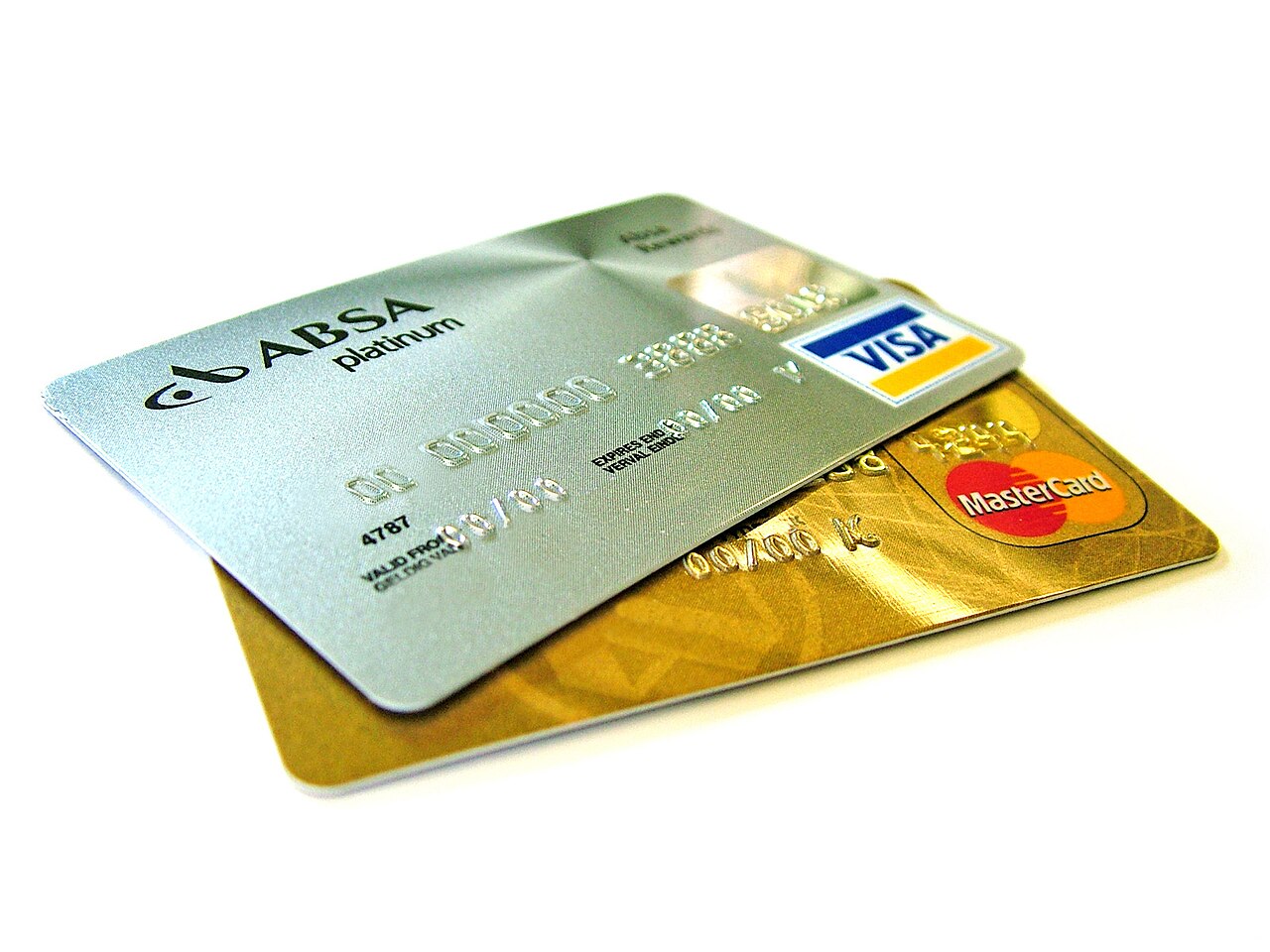
Fee cards are only worth carrying when the rewards and perks they pay out beat the cost of holding them. Photograph: Lotus Head
Image Credits: Wikimedia Commons / Lotus Head
Paying a fee to hold a credit card feels backwards. But travel card annual fees now run from zero to $895 a year, and millions of cardholders pay them. The reason some fees are worth it is not marketing; it is arithmetic, and the arithmetic is easier than card reviews make it sound.
This explainer walks through the break-even math that decides whether any annual fee pays for itself. It is general information, not financial advice: your spending and the perks you would actually use are the variables that decide it.
What an annual fee actually buys
An annual fee is a flat charge the issuer bills once every twelve months for holding the card.
In the Consumer Financial Protection Bureau's Consumer Credit Card Market Report published in December 2025, using 2024 data, the share of cardholders paying an annual fee drifted down over the past decade from roughly 18 percent to 16 percent. Fee cards are a shrinking but persistent part of the market.
What the fee buys is a bundle. On a no-fee cash-back card, the bundle is minimal: usually a flat 1.5 to 2 percent return on spending plus standard card-network protections. On a premium travel card, the bundle can include higher rewards rates, statement credits for travel and streaming, airport lounge access, primary rental-car insurance, and reimbursement for Global Entry or TSA PreCheck application fees.
The relevant question is never whether a fee exists. It is whether the bundle pays back more than the fee for one specific cardholder's habits.
The break-even formula
Here is the whole calculation in one line: net value equals rewards on the fee card minus the rewards a baseline no-fee card would have paid, plus credits and perks you would have bought anyway, minus the annual fee. If that number is positive, the fee earns its keep. If it is negative, you are paying for the privilege of earning fewer rewards.
The word doing all the work is extra. The headline rewards rate sells the card, but a free card would have earned rewards on that same spending too. The only honest question is how much more the fee card earned.
A clean worked example: a card charges a $120 annual fee and earns 2 percent back, while a no-fee card earns 1 percent on the same spending. The fee card's real advantage is the extra 1 percent.
To cover the $120 fee with that extra 1 percent, you would have to spend $12,000 a year on the card ($120 divided by 0.01). Below that, the no-fee card comes out ahead; above it, the fee card does.
The same math humbles premium cards fast. A $399 card earning 1.5 percent more than a free card needs roughly $26,600 of annual spending just to break even on the fee, before it has earned a single dollar.
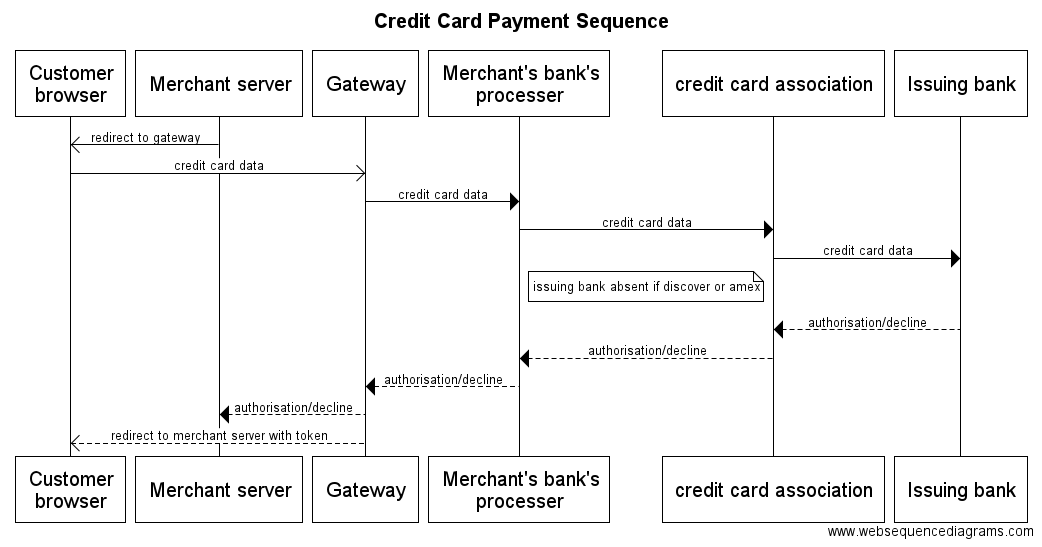
Rewards are calculated on spending you already do; the break-even only cares about the extra rate over your free baseline. Diagram: Nitishwiki33
Image Credits: Wikimedia Commons / Nitishwiki33
Where fixed perks change the math
Fixed benefits are often where fee cards make their strongest case, because they deliver value regardless of how much you spend. A card might include a $100 annual travel credit that applies automatically to airline or hotel purchases. If you fly even once a year, that credit wipes out a $95 annual fee entirely and puts you $5 ahead before you earn a single reward point.
Other common fixed benefits include statement credits for streaming services, cell phone protection, purchase protection, and extended warranty coverage on electronics. The key discipline is counting only credits you will genuinely use. A $50 statement credit for a service you forget every year is worth $0, not $50.
Take the premium end seriously at your own numbers. A card with a $795 annual fee and a $300 travel credit that you use in full, plus Global Entry reimbursement, has a very different equation than the same card in the hands of someone who never books travel through the portal. At the top of the market, with cards like the $795 Chase Sapphire Reserve or the $895 Amex Platinum, the case for the card rests almost entirely on whether you will use the bundled credits.
The year-one trap and the year-two test
Year one often looks better than year two because of the sign-up bonus. The renewal decision should be judged purely on the ongoing rewards, credits, and perks you will actually use in the coming year, with the welcome bonus excluded entirely. The bonus is a one-time payment that belongs to year one only.
A simple annual review takes about 20 minutes. List the benefits you used in the last 12 months with rough values, subtract the fee, and compare against a no-fee alternative.
If two cards are close on paper, prefer the quieter one unless a benefit clearly changes your year. Many issuers allow a product change to a lower-fee or no-fee sibling instead of another application.
When the answer is no
Annual fee cards are not the right answer for every person in every situation, and three situations make the answer clearly no. The first is carrying a balance from month to month.
Canadian cards charge roughly 19.99 to 24.99 percent interest as of 2026, and at that rate the interest on a carried balance dwarfs any 1 or 2 percent in rewards. Paying interest on a fee card while trying to earn rewards is a losing trade almost every single time.
The second is low spending volume. A $200 annual fee card that needs $3,000 a month in spending to generate enough rewards is not serving you if you only put $500 a month on it. The third is inventing new purchases to justify the rewards; the calculation should use spending you already do, never spending the card encourages.
The bottom line
A credit card annual fee sometimes pays for itself because the extra rewards over a no-fee card, plus perks you would have bought anyway, can exceed the fee. Run the break-even once a year: divide the fee by the reward-rate advantage, subtract the credits you truly used, and keep the card only if the number is positive. For more on how card costs compound, read about how the credit card grace period works and why minimum payments become a debt trap.
This article is educational content only, not financial advice. Rates, fees, and rules change; check current terms with the provider.
FAQ
How do I calculate the break-even on an annual fee?
Divide the annual fee by the difference in reward rates between the fee card and your no-fee baseline, then subtract any fixed credits you would genuinely use.
Should I count the sign-up bonus when deciding whether to keep a card?
No. The welcome bonus belongs to year one only. Judge renewals purely on ongoing rewards, credits, and perks you will use in the coming year.
Is a $95 fee card worth it for someone who barely travels?
Only if your everyday spending in the card's bonus categories clears the break-even point. At $95 with a 2-point rate advantage and a $40 drag elsewhere, that takes about $6,750 of bonus-category spending a year.
Can I downgrade a fee card instead of canceling?
Usually yes. Most issuers allow a product change to a lower-fee or no-fee sibling, which preserves your credit history and avoids another application.
Latest in Personal Finance
- How the Credit Card Grace Period Works
- Why Minimum Payments Become a Debt Trap
- How Compound Interest Works in a Savings Account
- APR vs Effective Annual Rate: The Difference
Subscribe to Rive News's weekly newsletter for plain-English explainers on money, cards, and credit.
Related stories

How your APR is divided by 365 to get daily interest
Lenders divide your APR by 365 for a daily rate, then apply it to your average daily balance. This guide walks through every step

What is the difference between APR and effective annual rate?
APR ignores compounding inside the year; the effective annual rate includes it. A 12.99% APR card really costs 13.80% a year. Worked

APY vs interest rate: what compounding does to your money
APY includes compounding; the interest rate does not. A 5% rate compounded monthly is really 5.12% APY. Here is how the math works and what