
Credit card closing date vs due date explained simply
By Rive News / Research desk | Rive News / Published October 27, 2026 at 9:00 AM PKT
Key takeaways
- The closing date ends your billing cycle and sets the statement balance; the due date is the payment deadline.
- Federal rules require the due date to fall at least 21 days after the statement is sent.
- Paying the full statement balance by the due date keeps purchases interest-free under the grace period.
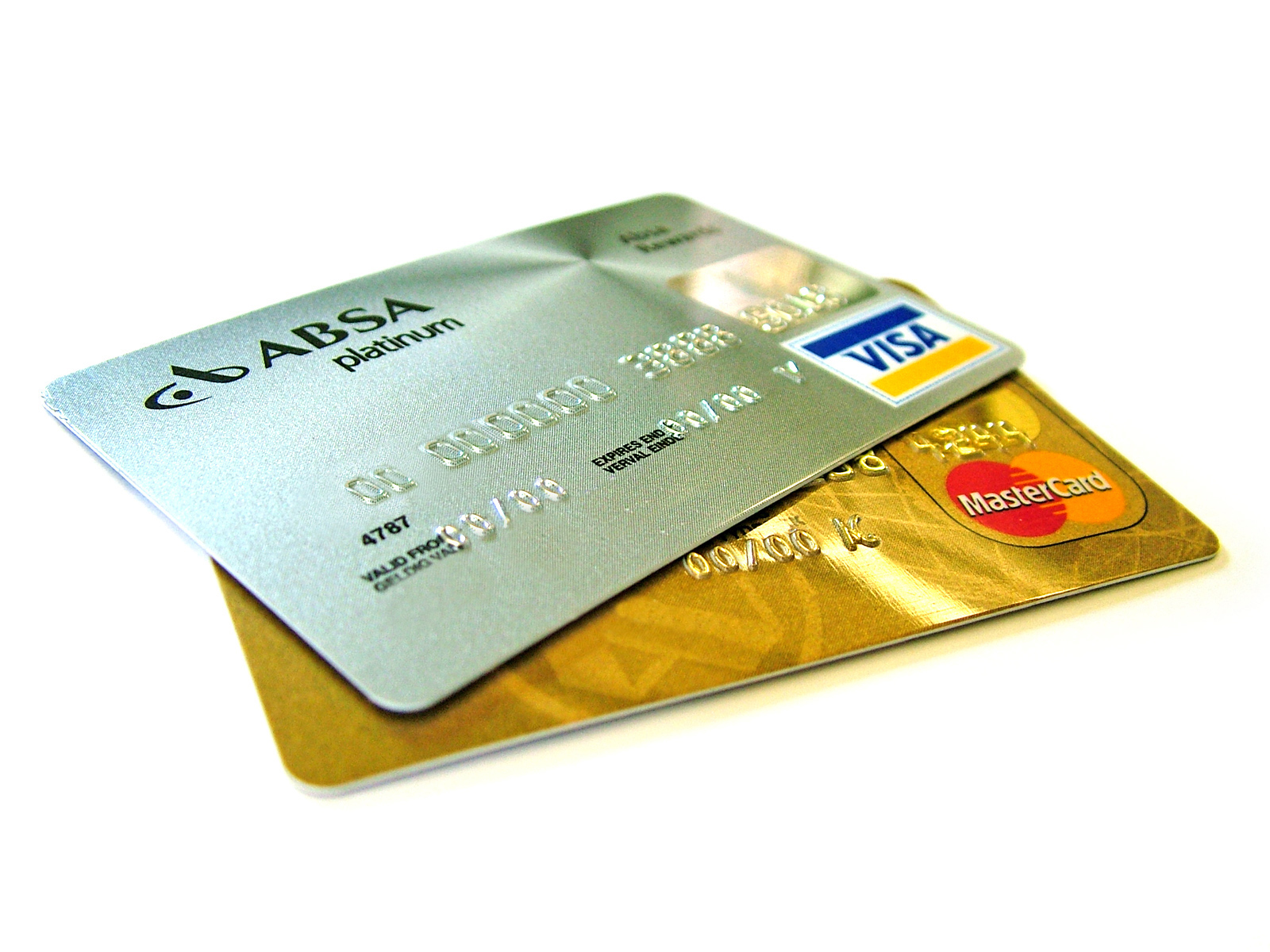
Credit cards, whose billing cycles end on the closing date and come due weeks later. Photograph: Wikimedia Commons contributor
Image Credits: Wikimedia Commons
This is general educational information, not financial advice.
Two dates sit on every credit card statement, and mixing them up is one of the most common cardholder mistakes. One of them decides what you owe. The other decides when you must pay it.
Confuse them, and you can end up paying interest you never needed to pay, or watching your credit score ignore months of careful payments.
This article explains the closing date and the due date, including what happens on each, the grace period between them, how they affect your credit score, and the mistakes to avoid.
The two dates in plain English
The closing date, also called the statement closing date, is the last day of your billing cycle. Everything that posts to your account up to that day goes on the statement. Anything that posts after it waits for the next cycle.
Discover explains that pending purchases, payments, or credits that have not posted by the end of the closing day become part of the next billing cycle.
The due date is the deadline for paying that statement. Discover states that the payment due date is the day you must pay at least the creditor's minimum amount, and that it falls at least 21 days after the closing date. Federal law sets that minimum gap: under 15 USC 1637 and 12 CFR 1026.5, issuers must deliver your statement at least 21 days before the due date, so you have time to review charges and arrange payment.
A simple example makes the rhythm clear. Suppose your billing cycle runs from May 4 to June 3. June 3 is the closing date, and the statement generated that day lists everything posted in that window.
Your due date then falls at least 21 days later, around June 24 or later. In practice, most major issuers give 25 to 28 days, according to SuperMoney, but 21 is the legal floor.
One more rule helps with planning: your due date falls on the same calendar day each month. That consistency is required by federal law, and it means you can build a monthly payment habit around a fixed date rather than chasing a moving target.
What happens on the closing date
Three things happen at closing, and only one of them is obvious. First, the statement balance is set. That balance is the amount you can pay in full by the due date to avoid interest on purchases, assuming you also paid the previous statement in full.
Second, the minimum payment is calculated. The minimum is usually a small percentage of the balance plus any fees or interest, and paying at least that much by the due date avoids a late fee. Paying only the minimum, however, leaves most of the balance to accrue interest, which is why minimum payments barely reduce balances over time.
Third, and least understood, the closing balance is usually what gets reported to the credit bureaus. Card issuers report your balance to the bureaus once a month, and for most issuers that snapshot is taken at the closing date. That means your reported balance reflects what you owed at closing, not what you owed on the due date.
A person who charges heavily early in the cycle and pays in full by the due date can still show a high reported balance, because the snapshot was taken before the payment landed.
That reporting timing explains a common frustration. Paying on time every month protects you from late marks, but it does not by itself control the reported balance. If keeping reported utilization low matters to you, the lever is the closing date: paying part of the balance before closing lowers the snapshot, while paying after closing does not.
What the due date controls
The due date controls three things: late fees, interest, and late marks on your credit report. Miss at least the minimum payment by the due date, and the issuer can charge a late fee. Discover notes that failing to pay at least the minimum can also lower your credit score, since late payments can be reported to the bureaus.
The timing of credit reporting for late payments has its own rule. A payment that is a few days late generally does not reach your credit report right away; issuers typically report a payment as late only once it is 30 days past due. Late fees and interest still apply, but a slip of a few days is less damaging than a month-long miss.
There is also a holiday rule worth knowing. If your due date falls on a weekend or federal holiday when the issuer does not accept mailed payments, a payment received by the next business day must be treated as on time. That protection applies to mailed payments; electronic or phone payments still need to clear by the cutoff time on the actual due date.
The grace period between them
The gap between the closing date and the due date is the grace period, and it is the reason credit cards can function as free short-term borrowing. Pay your full statement balance by the due date, and you owe no interest on the purchases in that cycle. The issuer must structure the window to last at least 21 days, and most major issuers give more.
The grace period has two important limits. First, it only works if you paid the previous month's statement balance in full too. Carry any balance past a due date, and most issuers suspend the grace period: new purchases start accruing interest from the day each transaction posts, not from the next statement.
Restoring the grace period usually requires paying the full statement balance by the due date for one or two consecutive cycles, depending on the issuer.
Second, the grace period does not cover everything. Cash advances and balance transfers generally sit outside it, and interest on those transactions starts accruing the day they post, even if you pay your statement in full. Cash advances also often carry a higher APR than regular purchases, making them one of the most expensive ways to use a card.
SuperMoney adds a practical warning: most issuers require two consecutive cycles of full statement balance payments before restoring a lost grace period. During that window, all spending is subject to interest, which is why a single partial payment costs more than the interest on the leftover amount alone.
How the dates affect your credit score
The two dates split the credit-score work between them. The closing date sets the reported balance, which feeds credit utilization, the share of your available credit that you are using. The due date controls on-time payment history, which is the largest single factor in most credit scoring models.
That split leads to a simple strategy. Pay on time, every time, to protect payment history: that is the due date's job. Keep the balance low at closing to keep reported utilization low: that is the closing date's job.
Either habit alone helps, but the two together cover both halves of the score.

An early celluloid credit card, a reminder that card billing rules grew up with the industry. Photograph: Wikimedia Commons contributor
Image Credits: Wikimedia Commons
Common mistakes and a simple routine
The most common mistake is treating the due date as the only date that matters. People pay in full by the due date, then wonder why their credit score does not reflect their careful habits. The answer is usually the closing snapshot: the balance was high at closing, even though it was paid off days later.
The second mistake is paying less than the full statement balance and assuming the grace period survives. It does not. One partial payment suspends interest-free treatment on new purchases, and getting it back takes one or two full-payment cycles.
The third mistake is using a cash advance as if it were a purchase. Cash advances skip the grace period entirely, so interest starts immediately, and the APR is often higher.
A simple monthly routine avoids all three. First, find both dates: the closing date sits at the end of the statement period on your statement, and the due date sits near the top of the same document or in your issuer's app. Second, pay down the balance a few days before closing if you want a lower reported balance.
Third, pay the full statement balance by the due date, every month, without exception. Fourth, never use a cash advance unless you understand its immediate interest cost. That routine is boring, and boring is what keeps cards interest-free.
FAQ
Is the closing date the same as the due date?
No. The closing date ends the billing cycle and sets the statement balance. The due date, at least 21 days later, is the deadline for paying that statement.
What happens if I pay after the closing date but before the due date?
Nothing bad, as long as you pay at least the minimum by the due date. Paying between closing and due dates is normal. Just remember that the balance reported to credit bureaus was already set at closing.
Does paying early, before the closing date, help my credit score?
It can lower the balance reported at closing, which lowers reported utilization. It does not change your payment history, which depends on paying by the due date.
If I miss a due date by a few days, is my credit score damaged?
Late fees and interest may apply, but issuers typically report a payment as late only after it is 30 days past due. Pay as soon as you notice, and contact the issuer, since a first-time slip is sometimes forgiven.
Can I change my due date?
Many issuers allow it, and the new date usually takes effect from the following billing cycle. Keep paying on the old date until the issuer confirms the change.
The bottom line
The closing date ends the cycle and sets the number that gets reported. The due date is the deadline that protects you from fees, interest, and late marks. Between them sits the grace period, at least 21 days of interest-free time that only survives while you pay each statement in full.
Remember which date does which, pay the full statement balance by the due date, and keep an eye on the closing balance if utilization matters to you. Those three habits turn a confusing pair of dates into a system that works quietly in your favour.
Tags: credit cards, billing cycle, grace period, credit score
The Rive News research desk writes plain-English explainers from public sources, with every key claim traceable to a named source.
Related
- How Does a Credit Card Grace Period Actually Work?
- How Credit Card Interest Compounds Daily: A Step-by-Step Walkthrough
- Why Do Credit Card Minimum Payments Barely Reduce the Balance?
- What is a daily periodic rate on a credit card?
Subscribe for one practical finance explainer each week.
Rive News standards: no invented sources, no fake first-hand experience, corrections noted on the article.
Related stories

How your APR is divided by 365 to get daily interest
Lenders divide your APR by 365 for a daily rate, then apply it to your average daily balance. This guide walks through every step

What is the difference between APR and effective annual rate?
APR ignores compounding inside the year; the effective annual rate includes it. A 12.99% APR card really costs 13.80% a year. Worked

APY vs interest rate: what compounding does to your money
APY includes compounding; the interest rate does not. A 5% rate compounded monthly is really 5.12% APY. Here is how the math works and what