
What is a credit card grace period and how it saves you money
Key takeaways
- A grace period is the gap between your statement closing date and your payment due date.
- Pay the full statement balance by the due date, and you pay no interest on purchases.
- Carrying any balance usually ends the grace period, so new purchases start collecting interest at once.
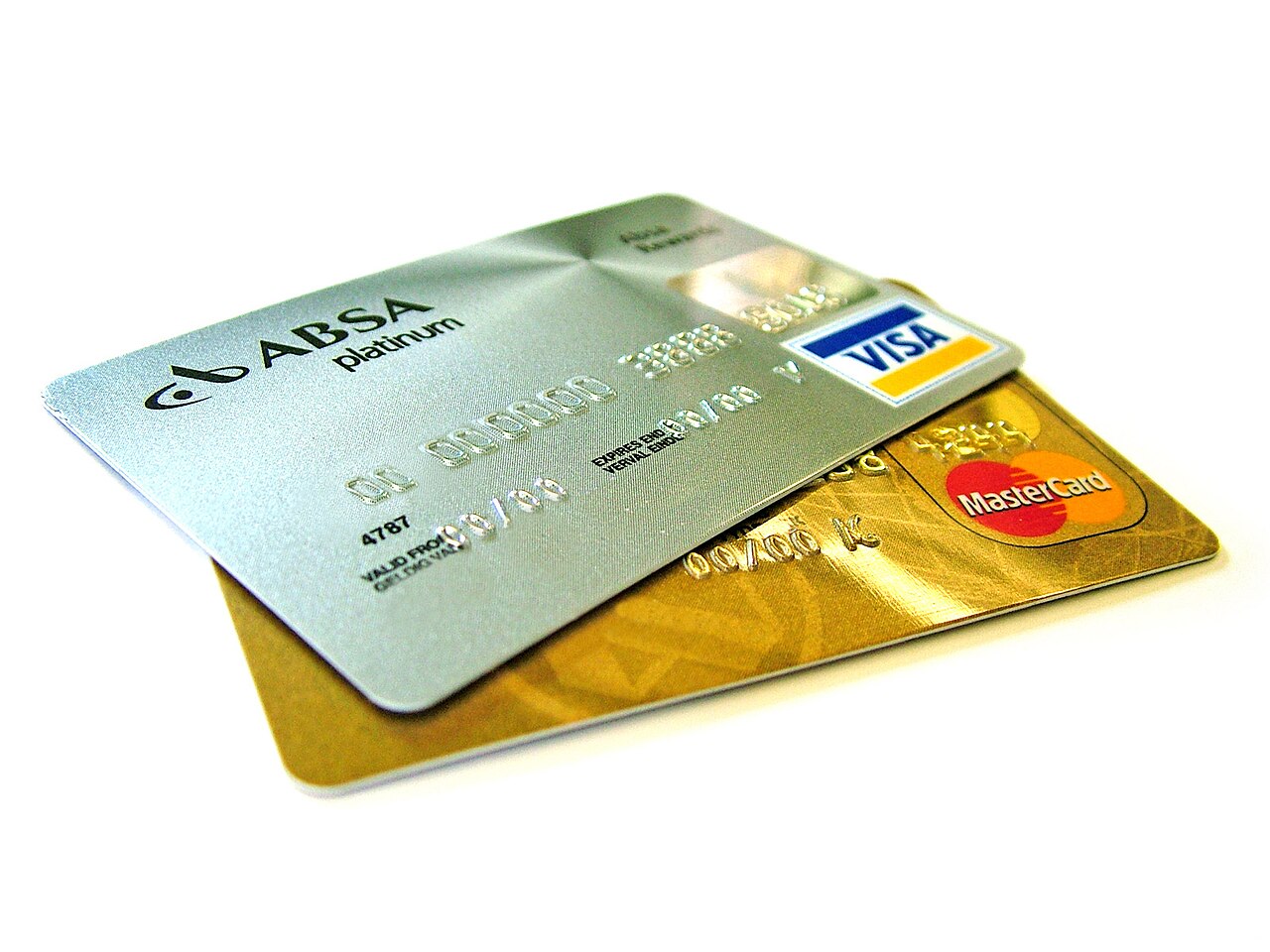
A grace period is the stretch of time between the end of a billing cycle and the date your payment is due. During that window, you may not be charged interest, as long as you pay your balance in full by the due date. That is the whole trick, and it is worth real money every month.
This article explains what a credit card grace period is, how the timeline works, what breaks it, and how it saves you money. It covers purchases only, since cash advances follow different rules.
This article is for general information, not financial advice.
What a grace period actually is
Every card has a billing cycle, usually about 30 days. Purchases made during the cycle land on a statement when the cycle closes. The grace period then runs from that closing date to the payment due date printed on the statement.
The Consumer Financial Protection Bureau (CFPB) defines the grace period as the period between the end of a billing cycle and the date payment is due. The CFPB also states that credit card companies must have procedures to deliver bills at least 21 days before the payment is due. In practice, most grace periods run 21 to 25 days.
Think of it as an interest-free loan with a strict deadline. Borrow during the cycle, then repay everything by the due date, and the loan costs nothing. Miss the deadline or pay only part of the balance, and interest starts.
A timeline you can follow
A concrete example makes the timeline clear. Suppose your billing cycle closes on April 15 and your payment is due on May 10. That gap, April 15 to May 10, is the grace period, 25 days long.
A purchase made on April 1 appears on the April 15 statement. You then have until May 10 to pay the full statement balance without interest. A purchase made on April 20 falls into the next cycle, so it gets its own later due date.
The practical point is simple. You do not owe interest on a purchase the day you make it, as long as the card is in good standing and you pay the statement in full. The clock that matters is the due date, not the purchase date.
How the grace period saves you money
Interest is the cost of carrying a balance. Skip the interest, and the card costs nothing to use for purchases. That is the saving, and it repeats every month you pay in full.
Here is a rough illustration. Suppose you carry an $800 balance at a 24% annual rate. Interest runs about 2% per month, which is roughly $16 in the first month.
Pay that balance in full instead, inside the grace period, and the interest charge is zero. Over a year, the gap between paying interest and paying none adds up to real money.
The Motley Fool notes that average credit card APRs sit above 21%. At those rates, even a small carried balance gets expensive fast. The grace period is the one clean way to avoid that cost entirely.
The two ways people lose the grace period
The first way is paying less than the full statement balance. The CFPB states that if you lose your grace period by not paying in full, you will be charged interest on the unpaid portion. You will also be charged interest on purchases in the new billing cycle starting on the date each purchase is made.
The second way is paying only the minimum. The minimum keeps the account current, but it does not protect you from interest. There is no partial grace.
Once any balance carries over, new purchases start collecting interest from the day you make them.
The CFPB warns that the loss can last more than one month. If you pay in full some months and not others, you may lose the grace period for the month you do not pay in full and for the month after. Check your cardholder agreement for the exact rule, since issuers differ on how many full-payment months it takes to win the grace period back.
What the grace period does not cover
Grace periods typically apply only to purchase transactions. The CFPB states that if you use a card to get a cash advance, or use a check from your card issuer, you generally must start paying interest as of the date of the transaction.
Balance transfers usually sit outside the grace period too, unless a 0% introductory offer covers them. A 0% offer pauses interest for a set promotional period, but the fine print matters. New purchases made during a transfer promotion can still collect interest if the grace period is gone.
Some cards offer no grace period at all. Bankrate notes that while the best cards offer grace periods, some cards offer very short ones, and others offer no interest-free period. Read the Schumer box on the card agreement, which lists the grace period in days.
How to keep the grace period working
Pay the full statement balance by the due date, every month. That single habit keeps the grace period alive. Set up autopay for the full statement balance if your budget allows it, and check each statement to confirm the payment landed.
Pay on time, not just in full. A late payment can bring a late fee on top of the interest. If the due date falls on a weekend or holiday, confirm when the payment posts, since issuers differ on cutoff times.
Watch the statement balance, not the current balance. The statement balance is the amount that must be paid in full to keep the grace period. Paying the current balance is fine too, but the statement balance is the number the rule turns on.
Keep buy now, pay later plans separate in your head. They are installment loans with their own schedules, not credit card purchases with a grace period. Mixing the two up is an easy way to miss a due date.
Frequently asked questions
Does paying the minimum keep my grace period?
No. Paying only the minimum keeps the account current, but it does not protect you from interest. You must pay the full statement balance by the due date to keep the grace period.
How long is a typical grace period?
Most run 21 to 25 days from the statement closing date to the due date. Federal rules require bills to be delivered at least 21 days before the payment is due.
Can I get the grace period back after losing it?
Usually yes. Most issuers restore it after one or two consecutive months of paying the full balance on time. Your cardholder agreement states the exact rule.
Does the grace period apply to cash advances?
No. Cash advances generally start collecting interest on the transaction date, often at a higher rate. They may also carry a separate cash advance fee.
The bottom line
A grace period is free borrowing with a deadline. Pay the full statement balance by the due date, and purchases cost no interest. Carry any balance, and the grace period ends, so new purchases start collecting interest from day one.
The habit that saves the money is boring and exact: pay in full, on time, every month. If you are weighing card features, read the grace period line before the rewards pitch. The difference between saving and investing matters too, but avoiding 21% interest beats most returns on offer.
Tags: credit cards, grace period, interest, personal finance
Latest in Finance
- Buy now, pay later and your money
- The difference between saving and investing
- Index funds for beginners
Subscribe for one practical money tip each week.
Related stories

How your APR is divided by 365 to get daily interest
Lenders divide your APR by 365 for a daily rate, then apply it to your average daily balance. This guide walks through every step

What is the difference between APR and effective annual rate?
APR ignores compounding inside the year; the effective annual rate includes it. A 12.99% APR card really costs 13.80% a year. Worked

APY vs interest rate: what compounding does to your money
APY includes compounding; the interest rate does not. A 5% rate compounded monthly is really 5.12% APY. Here is how the math works and what