
Dow rises as Nasdaq falls: oil above $106 rattles Wall Street
Key takeaways
- The Dow rose 195.60 points, or 0.4%, to close at 51,850.55, while the Nasdaq fell 120.27 points to 27,245.90 and the S&P 500 slipped 4.30 points.
- Brent crude jumped to $106.65 a barrel after deadly strikes on Riyadh's airport, raising fears that fuel prices will push inflation higher.
- Big banks report earnings starting October 13, and September inflation data lands midweek. Both will shape what the Federal Reserve does next.
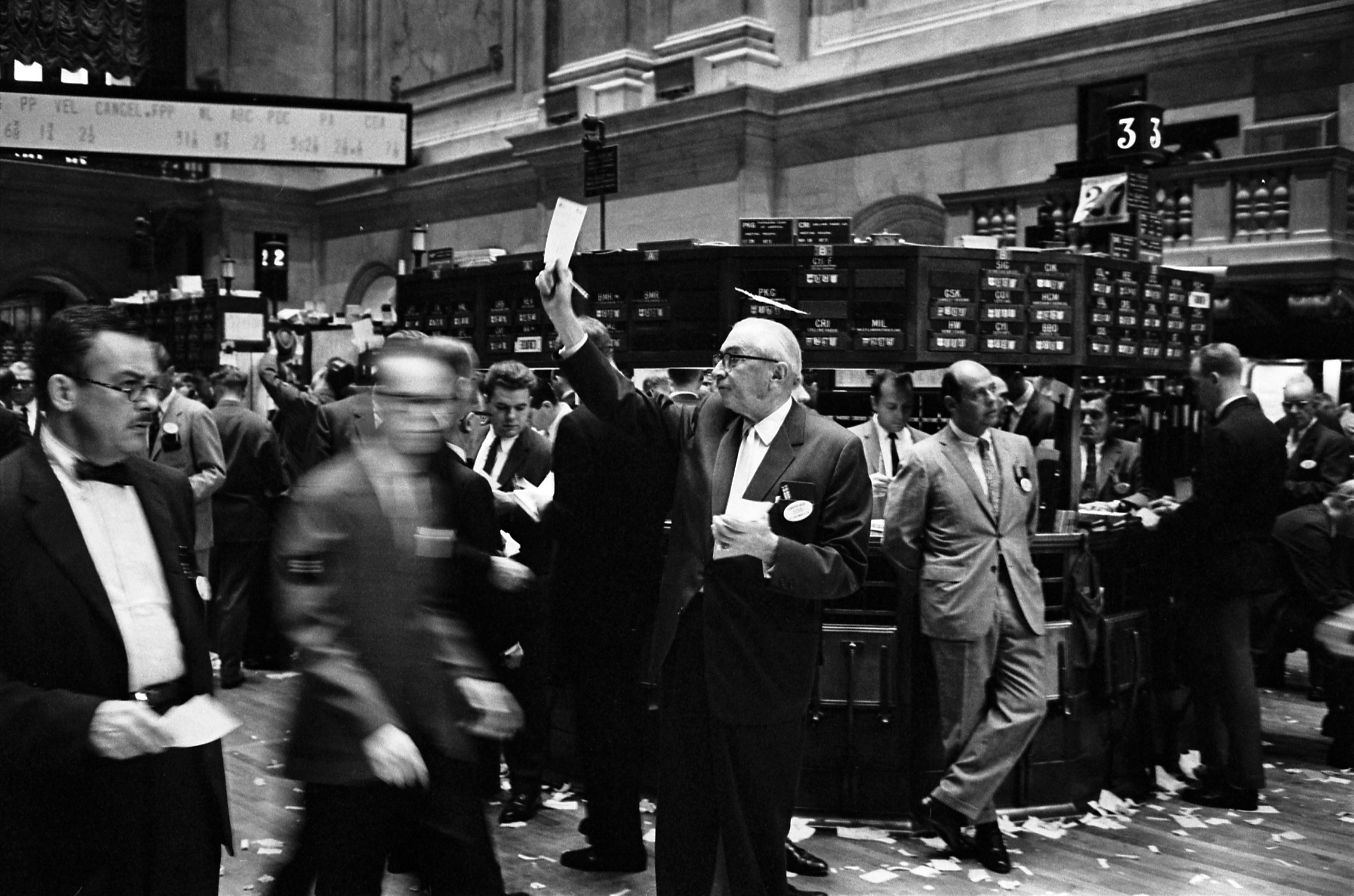
US markets ended Monday split in two. The Dow rose 0.4%. The Nasdaq fell 0.4%.
Oil was the real story of the day.
What happened
The Dow Jones Industrial Average is an index of 30 big US companies. It rose 195.60 points, or 0.4%. It closed at 51,850.55, the Straits Times reported.
The Nasdaq is a stock index packed with technology companies. It fell 120.27 points, or 0.4%, to 27,245.90.
The S&P 500 tracks 500 large US companies. It slipped 4.30 points, or 0.06%, to 7,807.24. So two of the three major indexes ended the day lower.
Trading was light. Only 12.67 billion shares changed hands on US exchanges. That was well below the 20-day average of 17.62 billion.
Many investors simply waited instead of trading.
Oil rallied. A rally is a fast jump in price. Brent crude is the world price benchmark for oil.
It jumped 1.8% to $106.65 a barrel, the Wall Street Journal reported.
The jump followed deadly strikes on Riyadh's international airport over the weekend. The attacks overshadowed news of a possible US diesel-supply deal with Russia. President Donald Trump said the two sides had agreed to a halt.
It would stop attacks on each other's energy facilities. Reuters reported that details of the deal were unclear.
"Any hope that Trump's deal with Putin might help bring down prices has been negated by the flare-up in the Houthi conflict," Chris Beauchamp, chief market analyst at IG, said, according to Reuters.
Energy stocks were the day's winners. The S&P 500 energy sector gained 1.5%. It closed at its first record high in nearly a month, the Wall Street Journal reported.
Technology was the biggest loser. The tech sector fell 0.9%. Chip stocks fell harder.
The Philadelphia semiconductor index dropped 2.7% after hitting a three-week low.
Consumer stocks also slipped 0.7%. But there were bright spots. Microsoft rose 1.1%.
Its market value passed $4 trillion for the first time in a year. The company announced plans to roll out its own AI chips. Salesforce gained 2% after an upgrade from Bank of America.
Meta rose more than 3%, lifting the communication services sector.
Why it matters
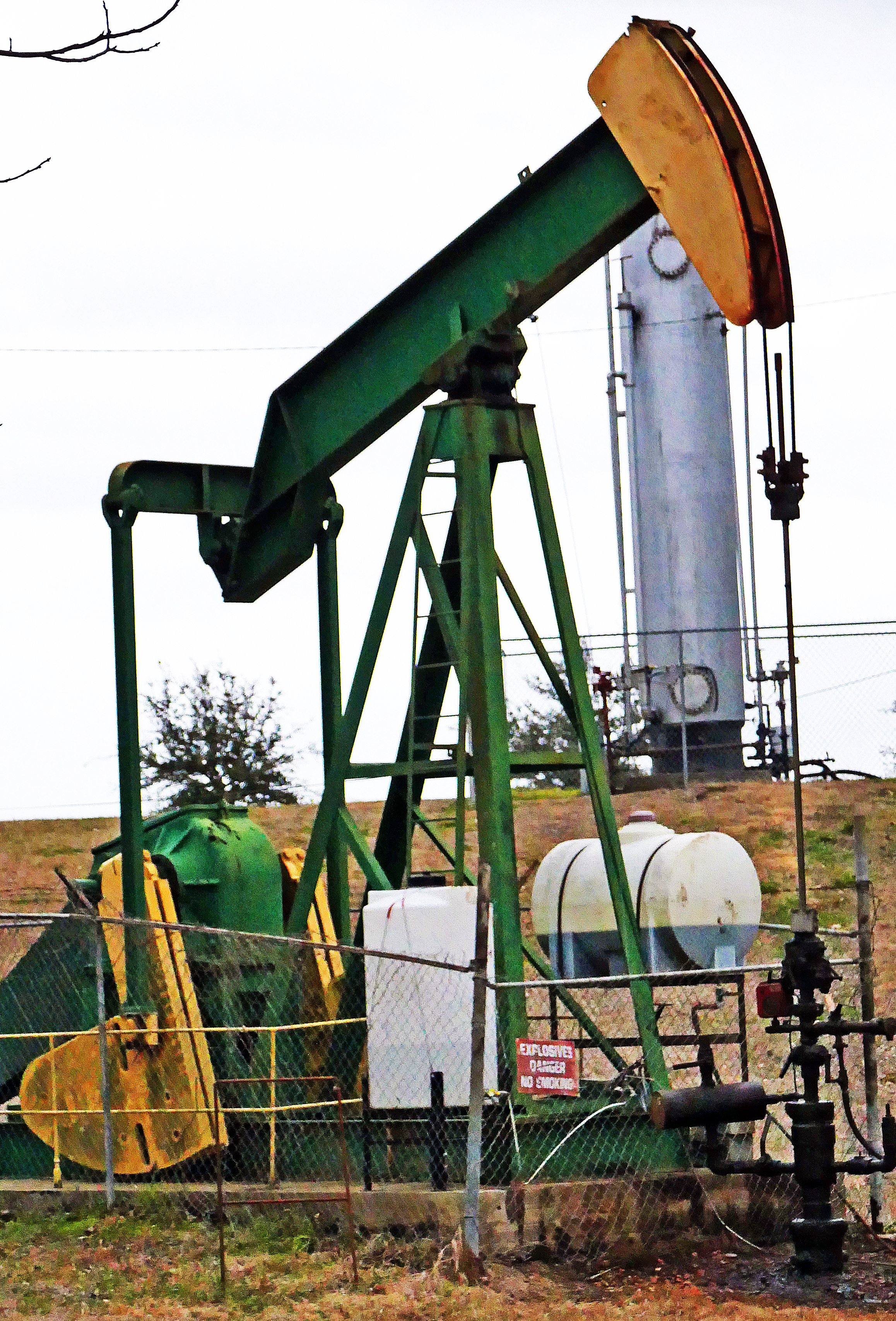
Oil above $100 can push fuel prices up. Higher fuel costs feed into the price of almost everything. Trucks burn diesel to move goods.
If diesel costs more, groceries and other goods can cost more too. Read our fed inflation warning piece for the diesel and fuel price angle.
Inflation is the word for rising prices. The Federal Reserve is America's central bank. It fights inflation by raising interest rates.
Higher rates make borrowing cost more. That can slow the economy. It can also weigh on stock prices.
Bond yields recently climbed to 24-year highs, Reuters reported. Yields had already been rising as energy prices stayed high. Investors worry that price pressure will keep the Fed tough on rates.
Beth Hammack is president of the Cleveland Federal Reserve. She said the central bank should move "relatively quickly" to a tougher stance against inflation, the Straits Times reported. She feels inflation has become broad-based and is starting to shape how firms set prices.
Traders now see an almost 22% chance the Fed will raise interest rates this month, according to CME's FedWatch tool. That was up from 17.7% on October 9.
Then there is earnings season. "Earnings" are the profit reports that companies share each quarter. They show how much money a company made.
This week, big banks report first. JPMorgan Chase, Goldman Sachs, Citigroup, and Wells Fargo all report from October 13, Reuters reported.
Analysts expect S&P 500 companies to report earnings growth of 30.6% for the third quarter. The figure comes from LSEG IBES data. That is a high bar.
If results miss, stocks could fall.
"We're also waiting on earnings and that's significant. The four large banks reporting on Tuesday can have a big impact," Tim Ghriskey, senior portfolio strategist at Ingalls & Snyder, said, according to the Straits Times.
For ordinary savers, a shaky market matters too. Many retirement accounts hold funds that track the stock market. When markets swing, the value of those accounts can swing too.
If market drops worry you, read our explainer on stock market crash fears. It breaks down what selloffs really are and how to think about them calmly.
Rising prices also touch benefits. Inflation feeds into next year's Social Security cost-of-living rise. Our Social Security COLA 2027 explainer breaks down what higher prices could mean for benefit checks.
This article is for information only and is not medical/financial advice.
What happens next
Tuesday brings the first big earnings reports. JPMorgan Chase, Goldman Sachs, Citigroup, and Wells Fargo all report before the market opens. Investors will watch the banks for clues about lending and the wider economy.
Midweek brings inflation data. Consumer inflation figures for September are due on Wednesday, the Wall Street Journal reported. Producer prices and retail sales figures are also due this week, Reuters reported.
Economists expect headline consumer prices to rise 0.6% for the month and 3.7% for the year. Core inflation, which strips out food and energy, is seen rising a milder 0.2% for the month and 2.5% for the year.
On Thursday, Federal Reserve Chairman Kevin Warsh makes a public appearance at a summit in Bangkok, the Wall Street Journal reported. Investors will listen for any hint about future rate decisions.
Oil stays the wild card. Russia struck Ukrainian energy targets hours after Trump declared an "energy ceasefire" between the two countries, the Wall Street Journal reported. The bond market also reopens after being closed Monday for Columbus Day.
That will give investors their first read on bond yields this week.
One week can set the tone for the rest of the quarter. Strong bank earnings could steady nerves. Weak numbers, or another oil spike, could keep markets on edge.
For now, Wall Street is holding its breath.
Related stories

How your APR is divided by 365 to get daily interest
Lenders divide your APR by 365 for a daily rate, then apply it to your average daily balance. This guide walks through every step

What is the difference between APR and effective annual rate?
APR ignores compounding inside the year; the effective annual rate includes it. A 12.99% APR card really costs 13.80% a year. Worked

APY vs interest rate: what compounding does to your money
APY includes compounding; the interest rate does not. A 5% rate compounded monthly is really 5.12% APY. Here is how the math works and what