
Stock market crash fears grow as valuations hit rare record highs
Key takeaways
- The Shiller P/E valuation gauge hit 41.67 on Oct 5, near its all-time high of 44.19 from December 1999, The Motley Fool reported.
- 74% of Americans say recent market highs are unsustainable. An Allianz Life poll of 1,005 adults found this.
- History shows every past bear market ended: the average one lasted about 9.5 months, per Bespoke Investment Group data.
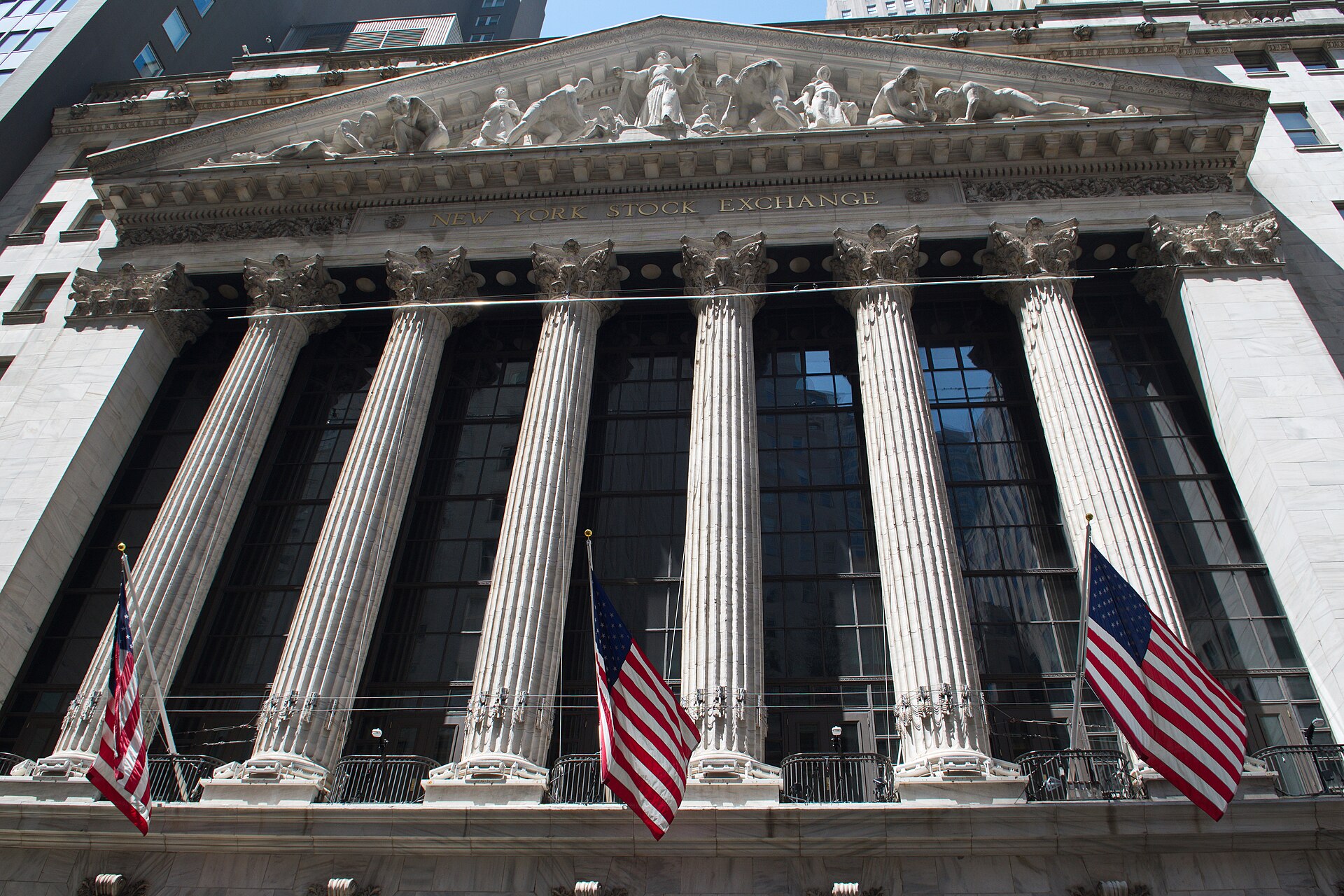
People search "stock market crash" because stocks look very expensive right now. One famous price gauge sits near its highest level in 156 years. A new poll says 74% of Americans expect a pullback.
What happened
The worry starts with prices. The Dow, S&P 500, and Nasdaq all hit record highs since early June. The Motley Fool reported the rally in an Oct 11 article.
"Valuation" is a fancy word. It means how pricey stocks are compared to company profits. One famous tool measures this.
It is called the Shiller P/E, or CAPE ratio. It compares stock prices to 10 years of company profits. This smooths out short-term spikes, The Motley Fool explained.
Its 156-year average is 17.42. On Oct 5, it stood at 41.67. The all-time high is 44.19, set in December 1999.
History gives this number its bite. After the 1929 peak came the Great Depression, with the Dow losing 89%. After the 1999 peak, the Nasdaq lost 78% by October 2002. The S&P 500 lost 49% in the same crash.
The COVID crash wiped 34% off the S&P 500 in 33 days.
Rising margin debt, stubborn inflation, and higher bond yields add to the fear.
Regular people feel the worry as well. An Allianz Life poll found 74% of Americans call market highs "unsustainable. " The poll came out Sept 22. The survey reached 1,005 adults in August.
Only 27% said they feel comfortable investing right now.
"That's a big number," said Kelly LaVigne, a vice president at Allianz Life.
A "correction" simply means a 10% drop in a market index. A "bear market" means a 20% fall or more. The Dow and Nasdaq already fell 10% in March.
USA Today tied that slide to oil prices and the Iran war.
TKer reported the S&P 500 at 7,722.72, up 12.8% this year.
Why it matters
High prices matter because history rhymes. The only other time CAPE sat this high was 1999-2000. USA Today noted the gauge also spiked in 1929, just before the Great Depression.
Fear itself can move markets. Jai Kedia of the Cato Institute warned a correction could become a "self-fulfilling prophecy. " If enough people sell from fear, prices fall.
That is the mechanism he described.
Rising inflation makes people nervous too. It raises costs for companies and households alike. Many readers also ask if markets trade on holidays.
Our Columbus Day 2026 guide lists what is open or closed.
Anders Bylund of The Motley Fool offered a calmer view. He said corrections "happen all the time" and usually last a couple of weeks.
History also gives long-term holders comfort. Bespoke Investment Group studied 27 bull and bear markets since 1929. The average bear market hit bottom in 286 days, about 9.5 months. The average bull market lasted 1,023 days.
Since 1949, bull markets averaged a 254% gain. Bear markets averaged a 31% loss. TKer cited Charlie Bilello's chart for these numbers.
Crestmont Research found every 20-year period since 1900 gave positive average returns. All 107 of them.
What happens next
No valuation tool can time a crash. The Motley Fool stressed that point in its Oct 11 piece. Watch stays on company earnings, bond yields, and oil prices.
A separate USA Today poll found only 27% feel comfortable investing now. Many wait instead, hoping to time the market. Allianz's LaVigne warned this can backfire when good days are missed.
Money held in cash loses buying power over time. Our guide explains how emergency funds fit a nervous market.
This article is for information only and is not medical/financial advice.
The fear trade is loud today. The data says downturns end, but nobody knows the date. Investors will keep watching the Shiller P/E and the next earnings season.
Rive News will update this story as facts change.
Related stories

How your APR is divided by 365 to get daily interest
Lenders divide your APR by 365 for a daily rate, then apply it to your average daily balance. This guide walks through every step

What is the difference between APR and effective annual rate?
APR ignores compounding inside the year; the effective annual rate includes it. A 12.99% APR card really costs 13.80% a year. Worked

APY vs interest rate: what compounding does to your money
APY includes compounding; the interest rate does not. A 5% rate compounded monthly is really 5.12% APY. Here is how the math works and what