
Federal reserve inflation warning: why officials say price pain may last
Key takeaways
- The Fed raised its key rate to 3.75%-4.00% in September as fuel prices pushed inflation higher.
- Diesel costs are the biggest inflation risk now, since they raise the price of moving goods.
- Higher rates make borrowing costlier, which can slow spending but may also weaken the job market.
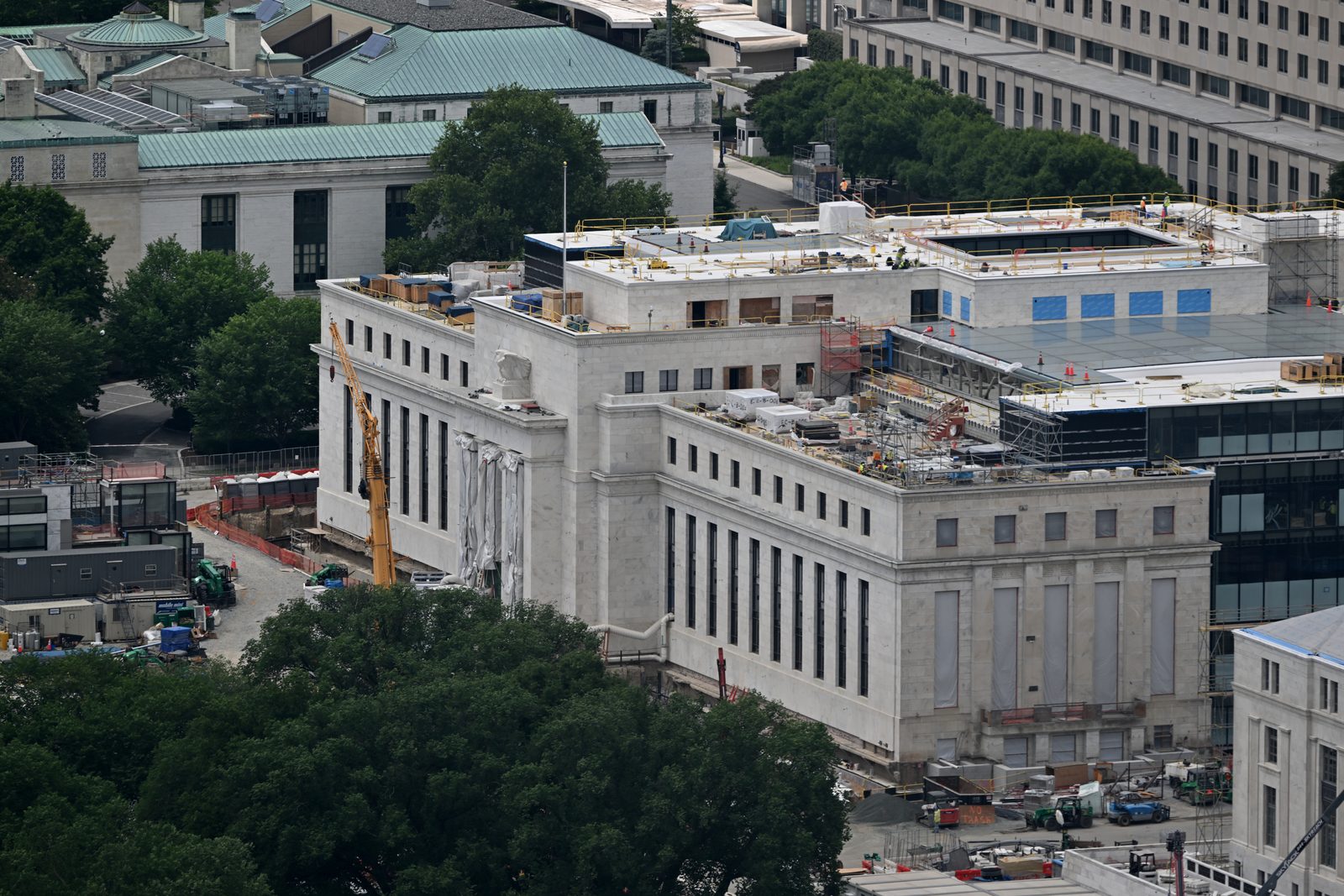
The Federal Reserve building in Washington, D.C., where US interest rate decisions are made. Photograph: G. Edward Johnson/Wikimedia Commons
Image Credits: Wikimedia Commons (G. Edward Johnson, CC BY 4.0)
Federal Reserve officials warned on October 12, 2026 that Americans may face more economic pain. Rising fuel prices are pushing inflation higher.
The central bank is raising interest rates again.
The Fed is the central bank of the United States. It sets interest rates, which decide how costly it is to borrow money.
Those borrowing costs flow into credit cards, car loans, and home loans. They also shape how fast prices rise across the economy.
What happened
In September 2026, the Fed raised its main interest rate by 0.25 percentage points. The new target range is 3.75% to 4.00%.
That was the first rate move since rates were cut in December 2025. The Fed is tightening policy again after a long pause.
Chicago Fed President Austan Goolsbee warned the fix will not be easy. "It won't be painless either," he said last month.
Oil, gasoline, and diesel prices rose sharply. The surge followed the war with Iran that began in February 2026.
New York Fed President John Williams urged patience. He said there is no need for urgency.
Cleveland Fed President Beth Hammack warned that waiting too long carries its own danger. She said long delays make inflation harder to bring back down.
The Fed's favorite inflation measure sits well above its 2% goal. It is more than a full percentage point higher.
The latest inflation data backs the worry. In August, headline consumer prices rose 0.4% in a month.
That left yearly inflation at 3.4%. Core prices, which leave out food and energy, rose 0.3% in August.
The yearly core rate eased to 2.4% from 2.5%, a small bright spot.
Analysts at Northmarq point to one fuel as the biggest risk. Diesel prices, they say, are now the primary upside risk to inflation.
Diesel is the fuel that moves freight. Trucks, trains, and farm equipment all run on it.
So its cost feeds into food and store prices.
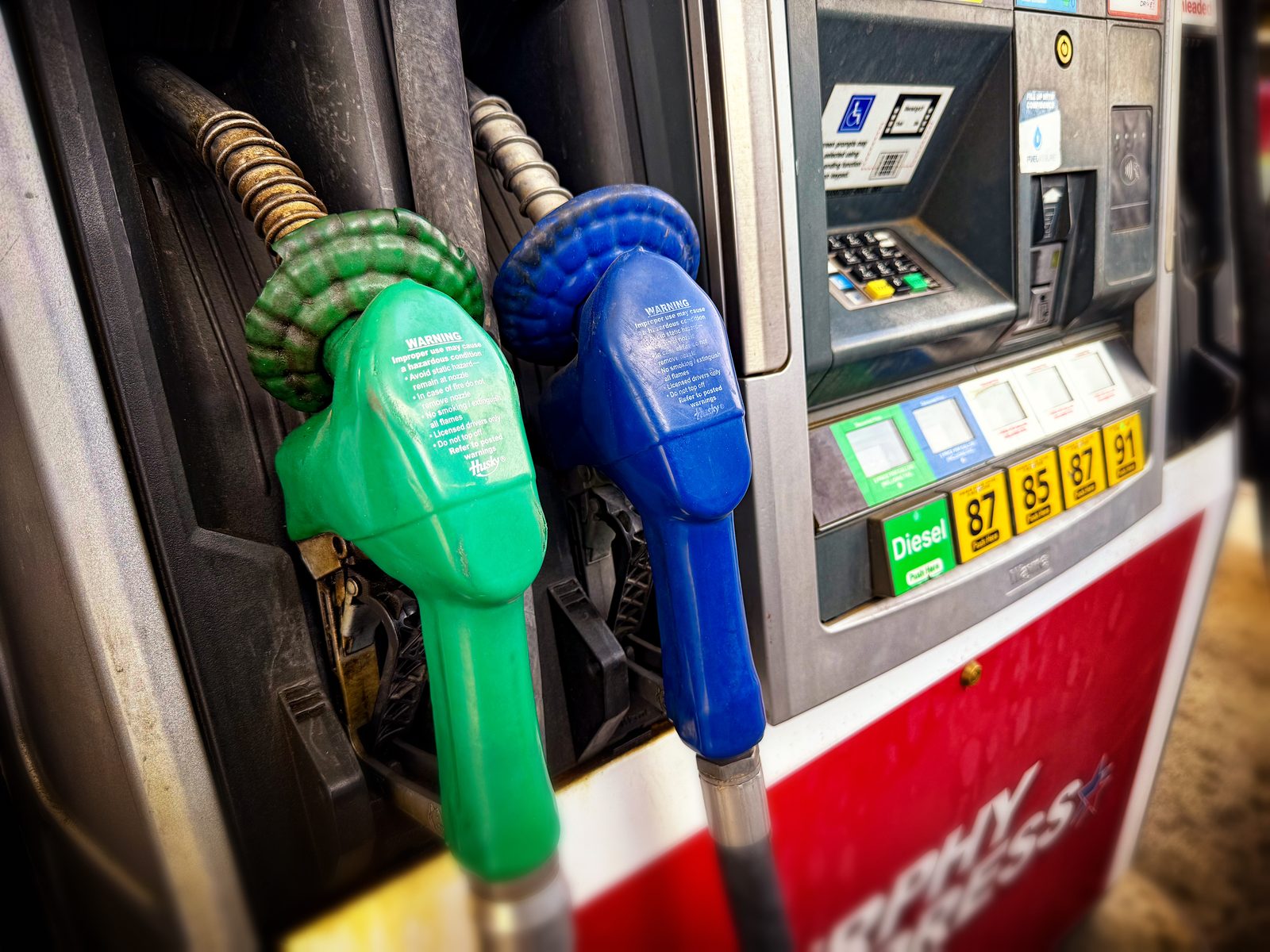
Diesel powers trucks and trains, lifting the cost of everyday goods. Photograph: Tony Webster/Wikimedia Commons
Image Credits: Wikimedia Commons (Tony Webster, CC BY 2.0)
Why it matters
When diesel gets expensive, shipping gets expensive. Stores pay more to stock shelves, and shoppers see higher price tags.
This kind of inflation is called supply-driven. It comes from higher costs, not from people spending too much money.
That makes the Fed's job harder. Raising interest rates cannot create more diesel or oil supply.
What higher rates can do is cool demand. They make borrowing costlier, so families and firms spend less.
But that cooling comes with pain. Weaker spending can mean weaker hiring, fewer job openings, and even job losses.
Beth Ann Bovino, chief economist at US Bank, summed up the dilemma this way.
She called inflation the disease and higher rates the cure. "I don't know which is more painful because they both hurt," she said.
Higher rates also lift everyday borrowing costs. Credit card rates, car loans, and small business loans tend to rise with Fed hikes.
Housing feels the squeeze early. Elevated mortgage rates keep monthly payments high and pressure buyers on the sidelines.
Savers may earn a bit more on deposits. Banks often lift their rates when the Fed raises its own.
See our guide to why savings account rates change for more on that link.
Not everyone feels the pain equally. Families with large stock market holdings, near record highs, may barely notice it.
People who live paycheck to paycheck have less cushion. Rising fuel and food prices eat directly into their budgets.
Consumer spending drives about two-thirds of US economic growth. If shoppers pull back, the whole economy can slow down.
That is why the Fed walks a tightrope. Act too fast, and jobs suffer.
Wait too long, and inflation digs in.
The 10-year US bond yield sits above 5%. That shows investors doubt a quick return to low inflation.
What happens next
The next test comes on October 28. The Fed's rate-setting committee meets that day to decide on another move.
Some officials say a hike at that meeting is unlikely. Softer job data gives the Fed room to wait, analysts at Northmarq say.
Three voting committee members have said there is no rush. They want to watch fresh data before acting again.
But markets are pricing in three to four more hikes over the next year. That pressure could push the Fed even if officials hesitate.
A key report arrives first. The September consumer price index is due this week, and it may shape the debate.
Energy prices will decide a lot. If oil and diesel fall fast, inflation could fade without more rate pain.
If they stay high, the risk spreads. Northmarq warns higher freight costs can leak into core inflation, the sticky kind.
Analysts at Portfolio Adviser say the Fed cannot fix the diesel market itself. Its tools can only squeeze demand elsewhere in the economy.
That is an unfair trade, they argue. Borrowers pay the price for a fuel shortage they did not cause.
Fed Chair Kevin Warsh faces the same choice. Unless oil falls quickly, cooling demand may be the only path back to 2% inflation.
Either way, the bill lands on ordinary people. The least protected households and firms usually pay first.
Price pain is not over, but it is not unstoppable either. Watch three signals: the October 28 Fed meeting, the next inflation report, and diesel prices.
These three signals will show where your money is headed next. For now, expect borrowing to stay costly and prices to stay sticky.
This article is for information only and is not financial advice.
Related stories

How your APR is divided by 365 to get daily interest
Lenders divide your APR by 365 for a daily rate, then apply it to your average daily balance. This guide walks through every step

What is the difference between APR and effective annual rate?
APR ignores compounding inside the year; the effective annual rate includes it. A 12.99% APR card really costs 13.80% a year. Worked

APY vs interest rate: what compounding does to your money
APY includes compounding; the interest rate does not. A 5% rate compounded monthly is really 5.12% APY. Here is how the math works and what