
What happens if you miss a loan payment by one day
By Rive News / Research desk | Rive News / Published October 26, 2026 at 9:00 AM PKT
Key takeaways
- One day late usually triggers a late fee, but it does not reach your credit report.
- Lenders report late payments only once they are 30 days past due.
- Mortgage grace periods of about 15 days often absorb a one-day slip entirely.
This is general educational information, not financial advice.
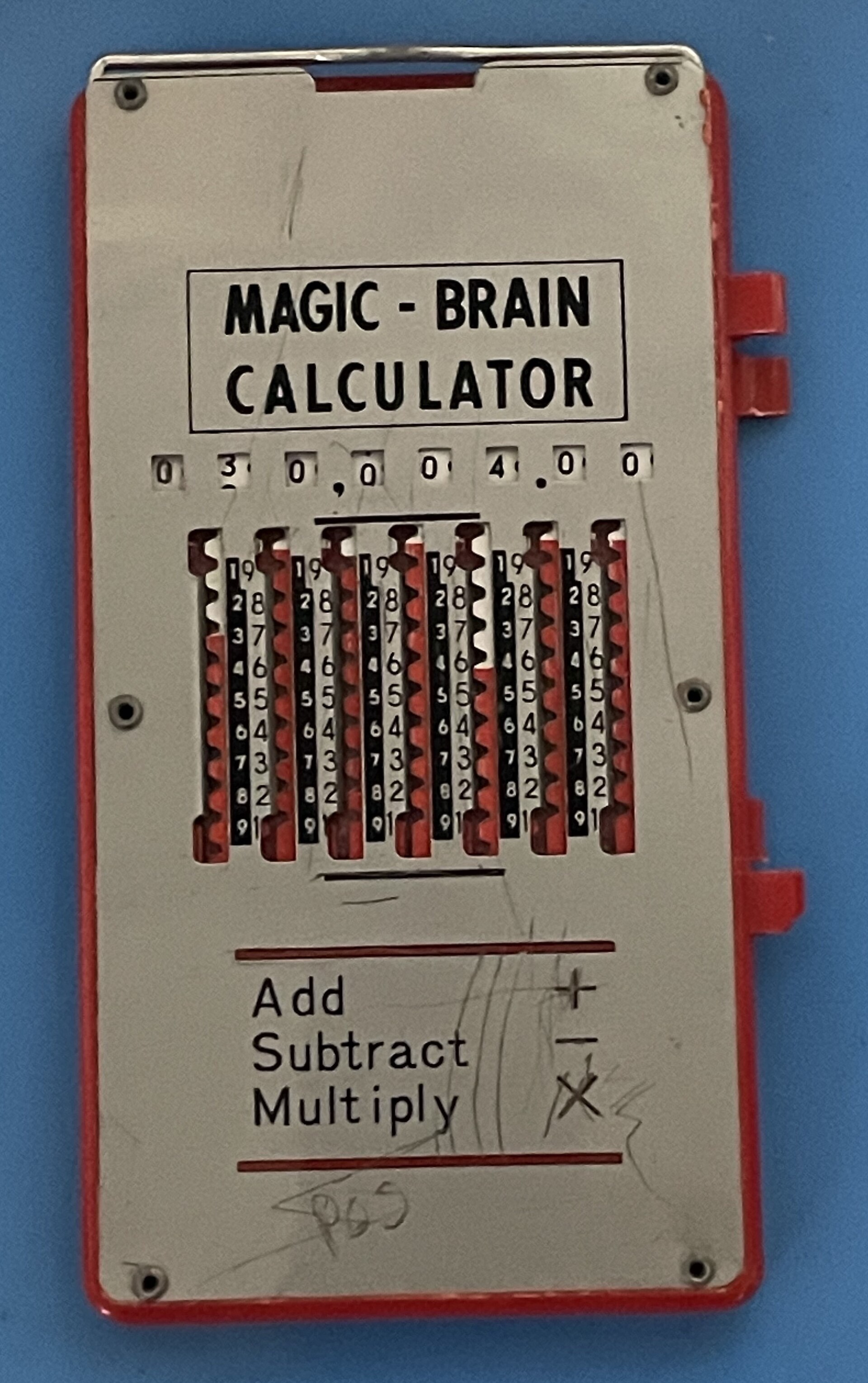
[A calculator on a desk, the first stop when working out what a missed payment date actually costs.] Photograph: Wikimedia Commons contributor
Image Credits: Wikimedia Commons
Missing a loan payment by one day feels alarming, but the consequences are smaller and more specific than most people fear. The short version: you will probably owe a late fee, your credit report will almost certainly be untouched, and the real danger starts only if the delay stretches toward 30 days.
The confusion comes from three different clocks running at once. The fee clock starts the day after the due date. The grace-period clock, where one exists, delays the fee.
The credit-report clock does not start until 30 days past due. Knowing which clock applies to your loan turns a panic into a checklist.
This article explains what each clock does, how the rules differ between credit cards, mortgages, and other loans, and what to do in the first 24 hours after a miss.
The fee clock starts first
A payment is late the moment the due date passes without the lender receiving at least the minimum amount. For credit cards, the issuer can add a late fee as soon as the payment is one day overdue. According to CardRates, citing Consumer Financial Protection Bureau figures, late fees on credit cards can be as high as $30 for a first late payment and $41 for additional late payments within six billing cycles.
Those safe-harbor amounts are adjusted over time, so your card's actual fee is the one printed in its terms.
That fee is annoying but contained. It does not compound on its own, and it does not change your interest rate by itself. What it does do is add to the balance, which then accrues interest if left unpaid.
Paying the missed amount plus the fee promptly stops that small cost from growing.
Some lenders waive a first late fee if you ask. A short call explaining that the miss was a one-day slip, with a clean payment history behind it, often succeeds. There is no guarantee, and the waiver is at the lender's discretion, but asking costs nothing and works often enough to be worth trying.
The grace period clock, where one exists
Many loans include a grace period: a set number of days after the due date during which a payment still counts as on time for fee purposes. Mortgages commonly allow about 15 days. If a mortgage payment is due on the 1st and you pay on the 2nd, you are inside the grace period, so no late fee applies and nothing is reported.
Auto loans and personal loans vary. Some allow 10 to 15 days, while others charge a fee immediately after the due date. Credit cards work differently: the well-known credit card grace period is the interest-free window on new purchases, not an extension of the due date.
Missing a card due date by one day can still draw a fee even though the card advertises a grace period.
The lesson is to read the loan agreement, not to assume. The grace period length, whether it exists at all, and what happens when it ends are all contract terms. They differ by lender and by loan type, and no general article can substitute for the document you signed.
The credit-report clock: 30 days
This is the clock that matters most, and it is the most forgiving. Creditors do not report a late payment to the credit bureaus until it is at least 30 days past due. A payment that is a day or a week late costs a fee and possibly some interest, but it will not show up on a credit report as long as the account is brought current within 30 days.
Once the 30-day mark passes, the damage is real. A single 30-day late mark can lower a credit score noticeably, and the effect is worst for people with otherwise clean credit. The mark stays on the report for up to seven years from the original delinquency date, though its practical impact fades over time as newer on-time payments accumulate.
Federal student loans follow a slower version of the same pattern: delinquency is noted internally from day one, but reporting to the bureaus typically begins at 90 days for federal loans, compared with 30 days for many private loans. Either way, the first day is not the reporting event. The 30-day threshold is.

[Banknotes in a wallet, the money a late fee comes out of when a payment date slips.] Photograph: Wikimedia Commons contributor
Image Credits: Wikimedia Commons
What escalates after day one
If the delay continues, the consequences stack in stages. At 60 days late on a credit card, the issuer can raise the interest rate to a penalty APR under the CARD Act, which can reach roughly 29.99 percent. That higher rate applies to existing balances and new purchases, and it removes the interest-free grace period on new spending.
The rate must drop back on existing balances after six consecutive on-time payments, but the intervening interest is real money.
At 90 days late, the account may be closed or sent to collections, depending on the lender. At 180 days, credit card debt is typically charged off, which is one of the most serious marks a report can carry. None of this follows from a one-day miss.
All of it follows from letting a one-day miss become a 30-day, 60-day, or 90-day miss.
A separate risk is autopay timing. Payments scheduled on weekends or holidays may process on the next business day, which can turn a payment made on time into a payment received late. Scheduling autopay a few days before the due date removes that risk.
What to do in the first 24 hours
First, pay the missed amount now, through the fastest method the lender accepts. Do not wait for the next billing cycle. Paying within the 30-day window keeps the credit report clean, and paying within a grace period may avoid the fee entirely.
Second, check whether a fee was charged and whether a grace period applied. Look at the account online or call the lender. If a fee appears and this is a first miss, ask for a goodwill waiver and note the name of the person you spoke to.
Third, fix the cause. Set autopay for at least the minimum payment, and set a reminder a few days before each due date. If money is tight, contact the lender about hardship options before the account reaches 30 days late.
Lenders have more room to help while the account is only slightly overdue than after it has been reported.
Fourth, check the credit report a month later if the delay stretched past two weeks. Errors happen, and a payment made within 30 days should not appear as a late mark. If it does, dispute it with the bureau and the lender, with payment receipts as evidence.
Frequently asked questions
Will missing a payment by one day hurt my credit score?
No, as long as you pay within 30 days of the due date. Lenders report late payments only once they are 30 days past due. A one-day miss may still draw a late fee.
Does a grace period mean I can pay a day late for free?
For loans with a fee grace period, such as many mortgages with about 15 days, yes. For credit cards, the advertised grace period is an interest-free window on purchases, not an extension of the due date, so a fee can still apply.
How much is a credit card late fee for one missed payment?
Federal safe-harbor amounts cited by the Consumer Financial Protection Bureau have been around $30 for a first late payment and $41 for a repeat within six billing cycles, though the figures are adjusted over time. Your card's terms state the exact fee.
How long does a late payment stay on a credit report?
Up to seven years from the original delinquency date. The impact is strongest in the first months and fades as on-time payments build up afterwards.
The bottom line
One day late is a fee problem, not a credit problem. The fee may land immediately, the grace period may absorb it, and the credit report stays clean until 30 days past due. The smart move is simple: pay now, ask about the fee, and set autopay a few days early.
What turns a small slip into lasting damage is never the first day. It is the days after it, when nothing gets paid.
Tags: loan payments, late fees, credit reports, grace periods
Rive News's research desk covers everyday science and practical how-to topics, summarising public sources for general readers.
Related
- How does a credit card grace period actually work?
- Why is your credit score dropping for no reason? 8 silent triggers
- Why do credit card minimum payments barely reduce the balance?
- How your APR is divided by 365 to get daily interest
Subscribe for one practical explainer each morning.
Rive News publishes general information explainers; claims are attributed to the public sources listed above.
Related stories

How your APR is divided by 365 to get daily interest
Lenders divide your APR by 365 for a daily rate, then apply it to your average daily balance. This guide walks through every step

What is the difference between APR and effective annual rate?
APR ignores compounding inside the year; the effective annual rate includes it. A 12.99% APR card really costs 13.80% a year. Worked

APY vs interest rate: what compounding does to your money
APY includes compounding; the interest rate does not. A 5% rate compounded monthly is really 5.12% APY. Here is how the math works and what