
What is inflation and why does it make things cost more
Key takeaways
- Inflation is a rise in the general price level across an economy, not one item getting expensive.
- Statisticians track it by pricing a basket of goods and services, weighted by what households actually spend.
- Rising prices mean each unit of money buys less, which is why inflation feels like shrinking pay.
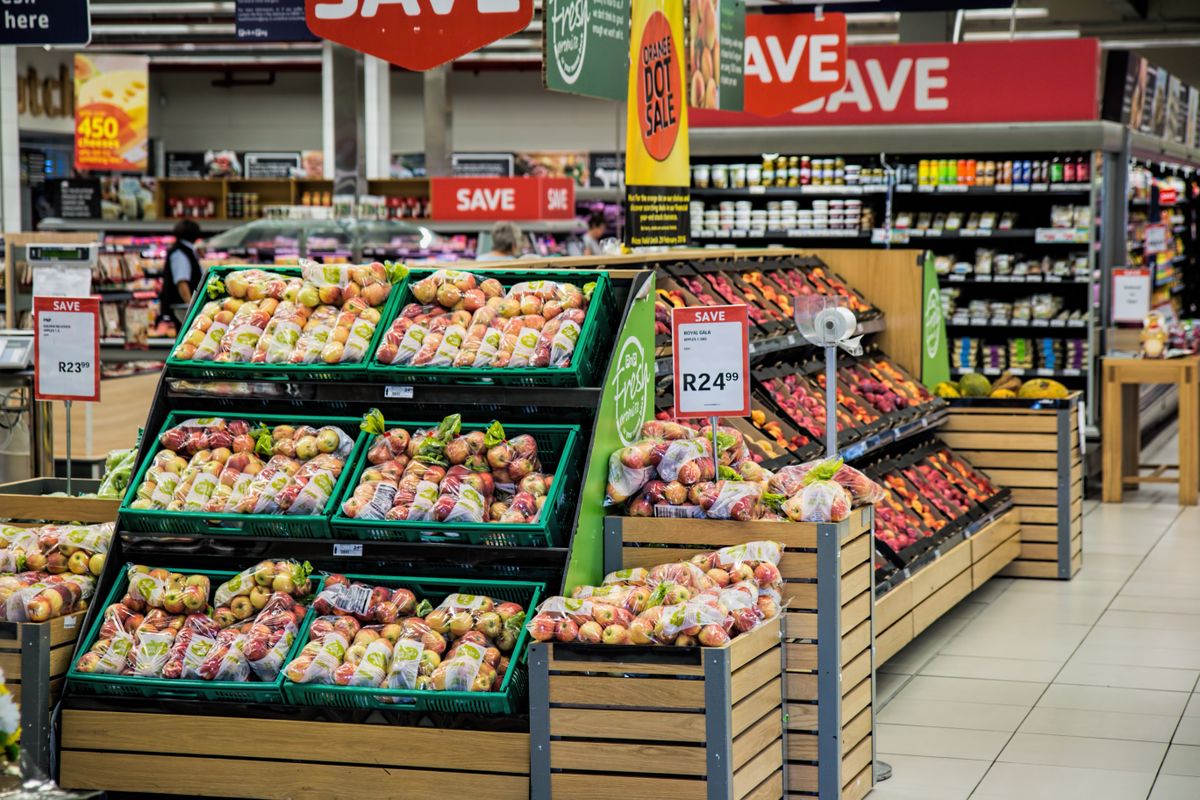
Your grocery bill climbs, rent goes up, and a coffee costs more than it did last year. It is tempting to blame one shop or one brand. Inflation is bigger than any single price.
It is a rise in the general level of prices across an economy, which makes each unit of money buy less than it did before.
This article explains what inflation is, how it is measured with a basket of goods, why prices rise, and why the official number can feel different from your own bills.
This article is for general information, not financial advice.
What is inflation?
Inflation is the rate at which the general level of prices for goods and services rises over time. When inflation runs at 3 percent for a year, a basket of shopping that cost 100 dollars last year costs about 103 dollars this year. That example is illustrative, but the mechanism is real: the same money buys slightly less.
The flip side of rising prices is falling purchasing power. These are two descriptions of one event. When prices rise 3 percent, the buying power of each dollar falls by roughly the same amount.
You do not need a bank account to lose money to inflation. Cash sitting still while prices move buys less with each passing year.
Inflation is not the same as one expensive item. If the price of coffee jumps because of a bad harvest, that is a price change in one market. Inflation means prices are rising broadly, across food, housing, transport, health care, and more.
A single item can rise while overall inflation stays low, and overall inflation can rise even while some items get cheaper.
The opposite of inflation is deflation, a broad fall in prices. Deflation sounds pleasant, but it can signal weak demand and make debts heavier in real terms. Central banks therefore aim for low, stable, positive inflation rather than zero.
In the United States, the Federal Reserve targets 2 percent for a different measure, the PCE price index, as a reference point for stability.
How inflation is measured: the basket of goods
Nobody can track every price in an economy, so statisticians track a basket. The basket is a representative set of goods and services that households buy: food, housing, clothing, transport, medical care, recreation, education, and more. The price of the same basket is checked again and again, and the change in its cost is the inflation rate.
In the United States, the best-known measure is the Consumer Price Index, or CPI. The US Bureau of Labor Statistics defines the CPI as a measure of the average change over time in the prices paid by urban consumers for a representative basket of consumer goods and services. The CPI, in the Bureau's words, measures inflation as experienced by consumers in their day-to-day living expenses.
Collecting those prices is a large operation. The Bureau's CPI survey collects about 94,000 prices and 8,000 rental housing quotes each month. Price collectors check shops, services, and rents across the country, and the results feed into indexes for the nation and for geographic areas.
Each item in the basket carries a weight. Items people spend more on, such as food, rent, and transport, have a larger influence on the final number. Items people spend less on have a smaller impact.
As CommBank economist Harry Ottley explains, the CPI takes a basket of goods and services that households spend money on and weights it by how much money is spent on each item. A 10 percent rise in rent therefore moves the index far more than a 10 percent rise in a rarely bought item.
What the basket leaves out, and why your number differs
The basket is an average, and no household is average. Your personal inflation rate depends on what you actually buy. A household that rents and drives a long commute feels fuel and rent rises sharply.
A household with a paid-off home and little driving may barely notice them. When the headline number feels wrong, the gap usually sits in the basket weights, not in the arithmetic.
The basket also changes over time. Statisticians refresh it so it still reflects what people buy, because habits shift. Streaming replaces DVDs, and oat milk appears where it once did not exist.
Long comparisons across decades rely on chained or spliced series rather than one unbroken basket, since the contents of the basket keep evolving.
Headline inflation covers everything in the basket. Core inflation strips out food and energy, whose prices swing sharply with harvests, weather, and oil markets. Core readings show the underlying trend more clearly.
When a spike in petrol prices dominates the news, the core number tells you whether the rest of the economy is heating up too, or whether the spike is confined to fuel.
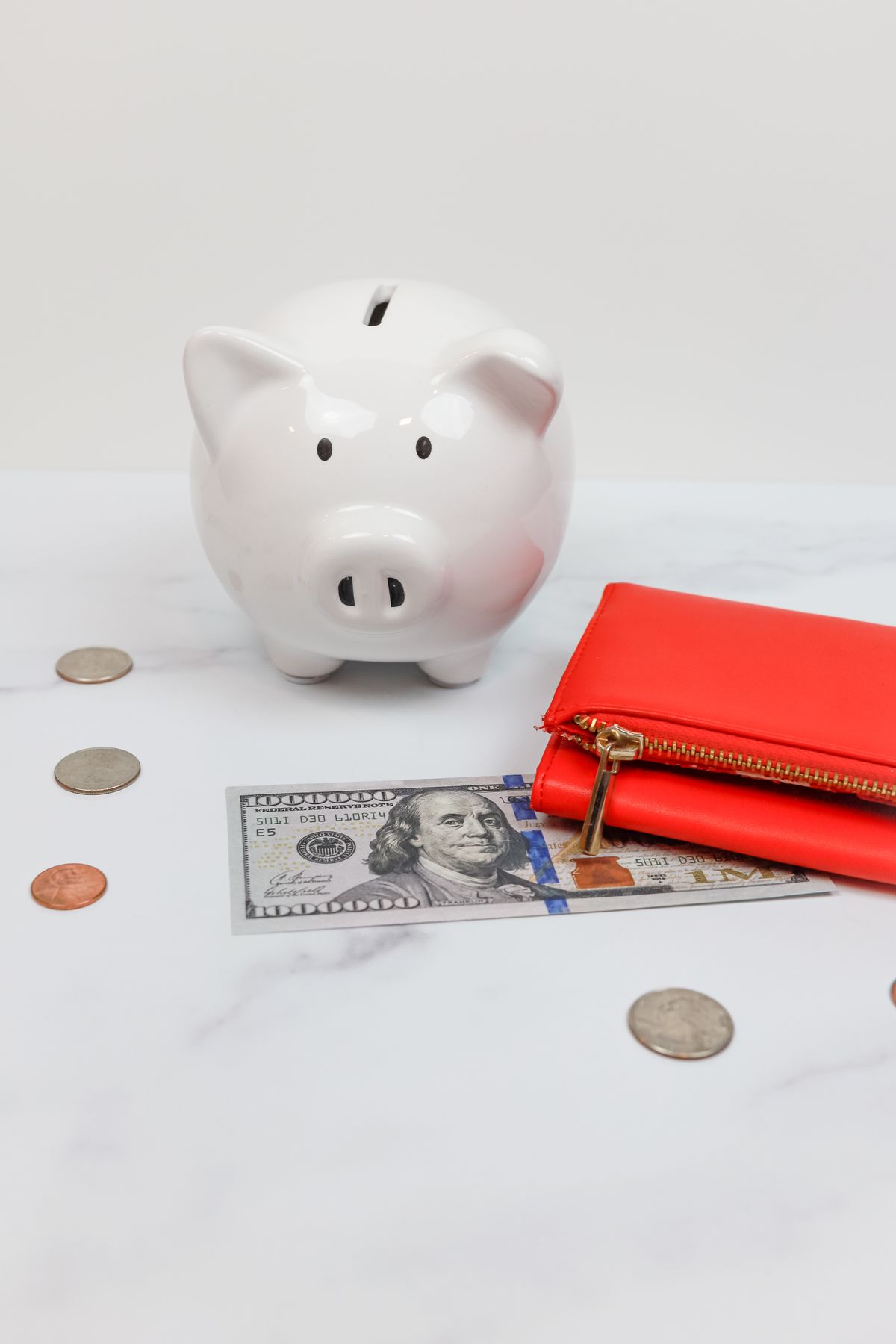
Why prices rise
Inflation has several causes, and they often mix. Demand-pull inflation happens when spending grows faster than the economy's ability to produce. Too much money chases too few goods, and sellers raise prices.
This can follow strong wage growth, low interest rates, or large government spending.
Cost-push inflation starts on the supply side. When fuel, wages, or imported materials get more expensive, businesses pass some of those costs to buyers. A drought that cuts harvests, a war that blocks shipping routes, or an oil shock can all push costs up across many industries at once.
The price rises arrive even though shoppers are not spending more freely.
Expectations add a third force. If workers and businesses expect prices to keep rising, workers ask for higher wages and businesses raise prices in advance. Those moves then make the expected inflation real.
This is why central banks watch expectations closely. Once high inflation feels normal, it gets harder to bring down.
Money itself plays a role over longer horizons. When the amount of money in an economy grows much faster than the amount of goods and services, each unit of money tends to lose value. That is one reason central banks raise interest rates when inflation climbs: dearer borrowing cools spending and slows price growth.
What inflation does to everyday life
The first effect is on shopping. The same weekly shop costs more, so households either spend more, buy less, or switch to cheaper options. People trade down from brands to store labels, cut treats, or delay big purchases.
Over time, these small shifts change what the basket itself contains.
The second effect is on savings. Money in a drawer or in an account paying little interest loses buying power during inflation. If prices rise 3 percent in a year and your savings earn 1 percent, your balance grows on paper but buys less than before.
This is why compound interest matters: returns have to beat inflation for savings to grow in real terms.
The third effect is on wages and debts. Pay rises usually lag prices, so workers feel squeezed before wages catch up. Borrowers, by contrast, can benefit: a fixed loan is repaid in money that is worth less than when it was borrowed.
Lenders know this, which is why interest rates rise with inflation. If you are weighing a big loan, it helps to understand how a mortgage works in plain English before signing anything.
Inflation also shapes policy. Governments adjust tax brackets, pensions, and benefits using price indexes. The Bureau of Labor Statistics notes that CPI indexes are used to adjust income eligibility levels for government assistance, federal tax brackets, cost-of-living increases, wage deals, poverty measures, and rent escalations.
The index directly affects hundreds of millions of Americans, which is why its method gets so much scrutiny.
Real readings show how far inflation can swing. In June 2022, US consumer prices rose by 9.0 percent over twelve months, the fastest pace in decades at that time. By the February 2025 report, the twelve-month rise had cooled to 2.8 percent.
Both numbers came from the same CPI method, which shows that inflation is a moving rate, not a fixed fact.
The bottom line
Inflation is the general price level rising, and the CPI tracks it by pricing a weighted basket again and again. When the basket costs more, each unit of money buys less, and the gap between the headline number and your own bills comes down to what you actually buy. Watch the basket, watch the weights, and judge your own budget against your own spending, not the average.
For a buffer against rising costs, it helps to build an emergency fund that covers real expenses and to keep an eye on your credit score when borrowing gets dearer.
Tags: inflation, CPI, prices, money
Latest in Finance
- How much should an emergency fund cover
- How compound interest works, with a simple example
- How a credit score gets calculated
- The difference between a debit card and a credit card for daily spending
Subscribe to the Rive News newsletter for one practical money explainer each week.
Related stories

How your APR is divided by 365 to get daily interest
Lenders divide your APR by 365 for a daily rate, then apply it to your average daily balance. This guide walks through every step

What is the difference between APR and effective annual rate?
APR ignores compounding inside the year; the effective annual rate includes it. A 12.99% APR card really costs 13.80% a year. Worked

APY vs interest rate: what compounding does to your money
APY includes compounding; the interest rate does not. A 5% rate compounded monthly is really 5.12% APY. Here is how the math works and what