
How to read payslips and spot mistakes before payday
By Rive News / Research desk | Rive News / Published October 25, 2026 at 9:00 AM PKT
Key takeaways
- Net pay should equal gross pay minus every listed deduction, so one subtraction checks the whole payslip.
- For salaried staff, monthly gross times 12 should match the contracted salary once overtime and bonuses are removed.
- Overtime, tax codes, and year-to-date totals are the three lines where errors most often hide.
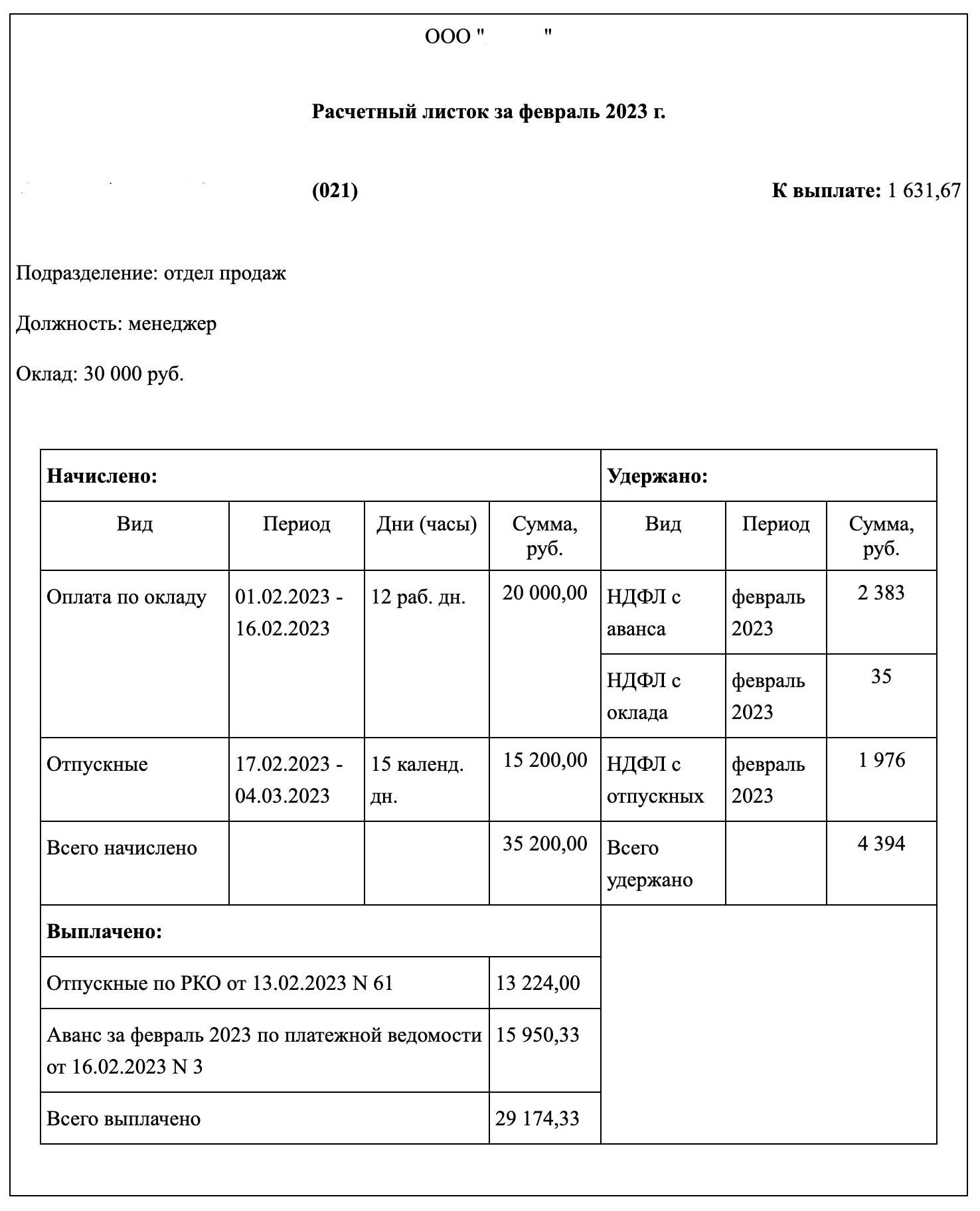
[A printed paycheck document. Photograph: Wikimedia Commons contributor]
Image Credits: Wikimedia Commons
A payslip is the record of what you earned, what was taken away, and what reached your bank account. Most people glance at the final figure and move on. That habit lets small errors compound for months, and overpayments can later be clawed back.
This article explains how to read a payslip line by line, including gross pay, deductions, overtime, and year-to-date totals. It also covers the mistakes worth querying with payroll, and the simple checks that catch them early. This is general educational information, not financial advice.
Start with the header, not the final figure
The top of a payslip carries the facts that frame everything else. Check your name, payroll number, pay period dates, and payment date first. A wrong pay period explains many apparent errors, such as a missing week of hours or a bonus landing in the wrong month.
Next, check the pay frequency against your contract. A salary of £48,000 paid monthly gives £4,000 of monthly gross pay, according to payroll guidance from THP.
The same salary paid every two weeks gives about £2,307.69 per cheque, because there are 26 pay cycles in a year, as Gerald's wage guide explains. Dividing by 12 when you are paid biweekly will always look wrong, even when payroll is right.
Also confirm your personal details and any employee number. THP notes that a wrong National Insurance number on a UK payslip can mean payments do not accrue under the right name, with consequences for state pension and benefits. The equivalent risk elsewhere is a wrong tax ID or social security number, so treat any mismatch as urgent.
Gross pay: the figure everything else hangs on
Gross pay is everything you earned in the period before deductions. For hourly staff, it is hours worked times the hourly rate, plus overtime and allowances. For salaried staff, it is the contracted salary divided by the number of pay periods, plus any extra payments.
Strip out overtime and bonuses before comparing gross pay with your contract. THP advises exactly this: if you receive overtime or bonuses, they appear as separate lines, so remove them from the calculation before checking the base figure. A bonus month will otherwise look like a raise, and a bonus-free month will look like a cut.
For hourly workers, the worked example is simple. At $23.50 an hour for a 45-hour week, regular pay for 40 hours is $940, and five overtime hours at 1.5 times the rate add $176.25, giving weekly gross pay of $1,116.25, according to Gerald.
Run the same arithmetic on your own payslip: hours, rate, overtime multiplier. Any line that does not reproduce itself deserves a question.
Check allowances separately. Meal allowances, shift differentials, holiday pay, and tool allowances each have their own line. A missing allowance is easy to miss inside a large gross figure, so compare each line with the previous payslip rather than only the total.
Deductions: tax, insurance, and the voluntary lines
Deductions fall into two groups. Statutory deductions include income tax and social security or National Insurance contributions. Voluntary deductions include pension contributions, health insurance premiums, union dues, and charitable giving through payroll, as MakePayslip's verification guide lists them.
Tax is the line most likely to change without warning. A wrong tax code can mean too much or too little tax, and the correction may take a pay cycle or more.
Reed's payslip guide explains the UK example: code 1257L means £12,570 can be earned before income tax applies, because the number is the tax-free allowance divided by 10. Codes ending in W1, M1, or X signal emergency tax treatment. Wherever you live, compare the code on this payslip with the last one, and query any change you did not expect.
Pension deductions deserve a separate look. They are usually taken as a percentage of gross pay, and the employer contribution should appear alongside yours.
If your contribution changed after a pay rise, check whether the percentage stayed the same and only the amount moved. A changed percentage without your agreement is a red flag.
Finally, scan the voluntary lines for duplicates and ghosts. Duplicate deductions, cancelled subscriptions that still deduct, and benefits you never signed up for all appear here. MakePayslip lists duplicate deductions and unexpected changes among the common errors to watch for, alongside wrong tax codes and incorrect overtime.
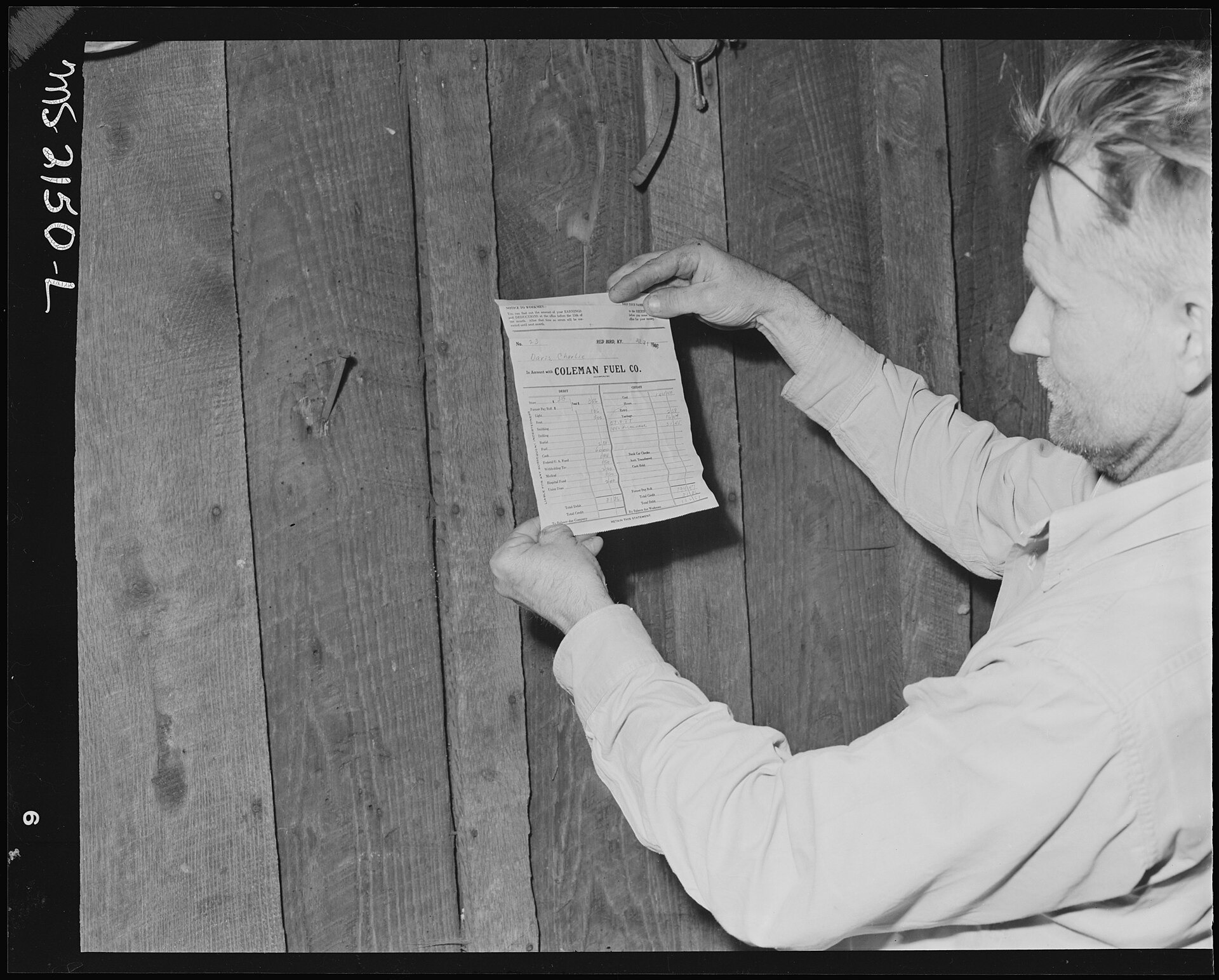
[A worker holds a pay slip document. Photograph: Wikimedia Commons contributor]
Image Credits: Wikimedia Commons
The overtime check, step by step
Overtime errors are common because the arithmetic has two moving parts: hours and rate. First, confirm the overtime hours match your own record of shifts, timesheets, or rotas. Second, confirm the rate multiplier in your contract, since time-and-a-half is common but not universal.
Work the line yourself. If your ordinary rate is $24.00 an hour, time-and-a-half gives $36.00 an hour, so four overtime hours should pay $144.00. A teaching example from HSC Science shows a payslip where four hours at time-and-a-half were entered as $96.00, the plain rate, which understates the payment by $48.00. That kind of slip is invisible unless you multiply it out.
Also check which period the overtime landed in. Overtime worked at the end of one period often appears on the next payslip, and Gerald's guide lists bonuses and overtime landing in a different period among the predictable mistakes. A missing overtime line in one month may simply be a timing lag, so check the next payslip before raising it, but keep a note of the hours owed.
Night shifts, weekend rates, and holiday pay follow the same logic. Each has its own rate, and each should be listed separately rather than folded into a single gross figure. If your payslip lumps them together, ask payroll for the breakdown.
Net pay and year-to-date totals
Net pay is the simplest check on the whole document. It should equal gross pay minus total deductions, as MakePayslip states in one line: net pay equals gross pay minus total deductions.
Add the deductions yourself and compare. Then compare net pay with the amount that actually reached your bank account, since Reed's guide lists that match as a core check.
Year-to-date totals are the long view. They accumulate gross earnings, tax paid, insurance contributions, and retirement contributions across the year. Errors that look tiny in one period become obvious here: a wrong tax code shows up as a large year-to-date gap, and a missing pension month leaves a visible hole.
Compare year-to-date figures with the sum of your recent payslips. MakePayslip lists incorrect year-to-date totals among the common errors, and they matter because annual tax documents are built from them. Catching a year-to-date error in October beats discovering it on a tax form in spring.
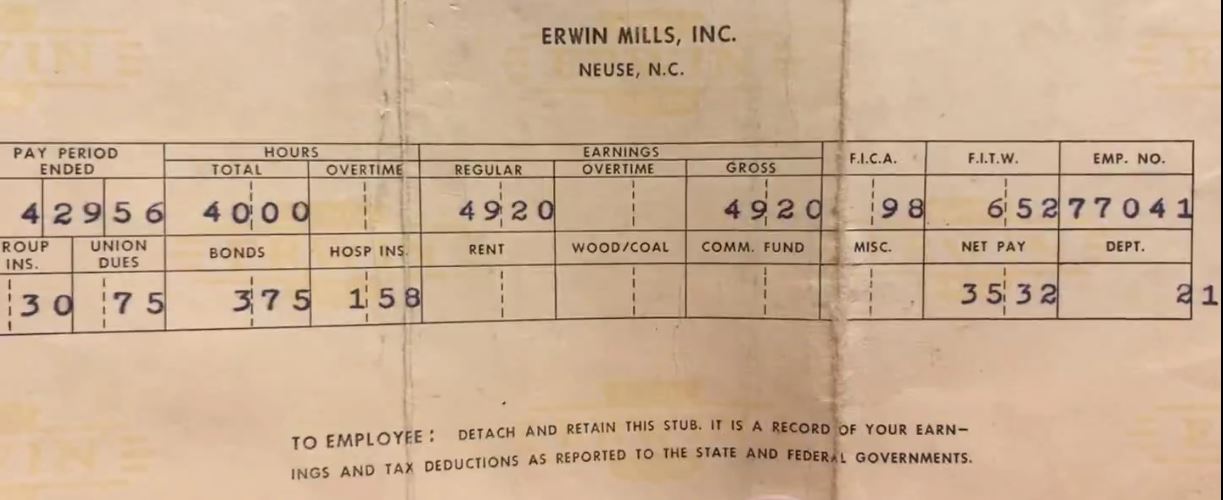
[A historical pay stub document. Photograph: Wikimedia Commons contributor]
Image Credits: Wikimedia Commons
Red flags and what to do about them
Query promptly when you find an unexplained change in gross pay, a new deduction, a changed tax code, or an irregular payment date. Those four are MakePayslip's red flags for unusual changes. Early queries are cheaper for both sides: underpayments compound into arrears, and overpayments may have to be repaid.
Gather evidence before contacting payroll. Keep your contract, the payslip in question, the previous payslip, and your own hours record.
State the line, the figure you expected, and your arithmetic in one short message. Payroll teams resolve specific queries far faster than general complaints about pay being wrong.
If payroll confirms an error, ask when the correction will appear and whether it will come as a separate payment or an adjustment on the next payslip. Get the answer in writing. If the error involves tax or pension contributions, ask whether the year-to-date totals will also be corrected, since those feed annual statements.
Keep every payslip, even after the money lands. A full year's set lets you prove patterns, support tax filings, and check that corrections actually happened. Digital copies in one folder, named by pay date, take minutes to organise and save hours later.
Frequently asked questions
Why is my net pay lower than my salary?
Your salary is usually quoted as gross pay, before tax, insurance, and pension deductions. Net pay is what remains after those deductions, so it is always lower unless you have no deductions at all.
How do I check overtime on my payslip?
Multiply your overtime hours by your overtime rate, which is often 1.5 times your ordinary rate, and compare the result with the overtime line. Also confirm the hours match your timesheet and that the overtime landed in the right pay period.
What does a changed tax code mean?
A changed tax code changes how much tax is withheld from your pay. Compare it with your previous payslip and your tax authority's notice, and query any change you did not expect with payroll or the tax authority.
Should I query a small payslip error?
Yes, because small errors repeat every pay period and affect year-to-date totals and annual tax documents. A short, specific query with your own arithmetic is the fastest way to resolve it.
The bottom line
Reading a payslip takes about ten minutes: check the header, reproduce gross pay, inspect each deduction, multiply out overtime, and confirm that net pay matches your bank deposit. Do it every pay period, and keep the set for the year. Errors caught early are small corrections; errors caught late become arrears, repayments, and tax headaches.
Topics: personal finance, payslip, payroll
Rive News's research desk covers everyday science, family life, money, and technology in plain language, with sources cited for key claims.
Related
- What Is the Difference Between Gross Pay and Net Pay?
- Why Does Your Paycheck Show Gross Pay vs Net Pay?
- How Does Tax Withholding Work on a Payslip?
- What Is Tax Withholding and Why Do You Get a Refund?
Subscribe for one plain-language explainer each morning.
Rive News follows a corrections policy: errors are corrected promptly and noted on the article.
Related stories

How your APR is divided by 365 to get daily interest
Lenders divide your APR by 365 for a daily rate, then apply it to your average daily balance. This guide walks through every step
What is the difference between APR and effective annual rate?
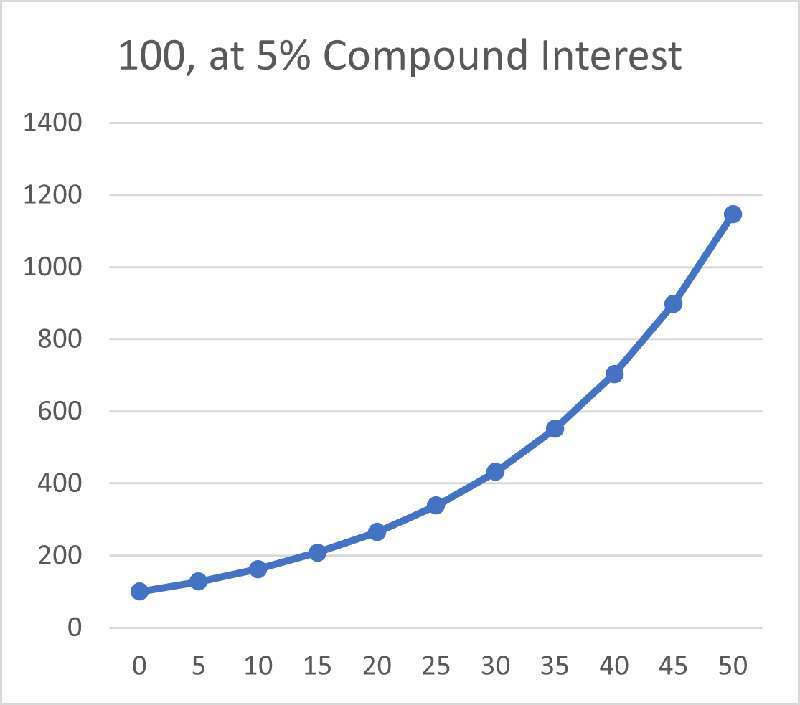
APR ignores compounding inside the year; the effective annual rate includes it. A 12.99% APR card really costs 13.80% a year. Worked

APY vs interest rate: what compounding does to your money
APY includes compounding; the interest rate does not. A 5% rate compounded monthly is really 5.12% APY. Here is how the math works and what