
How Does Tax Withholding Work on a Payslip?
Key takeaways
- Tax withholding is an estimated income tax payment your employer sends to the tax authority from each paycheck before you receive it.
- The amount depends on your pay for the period and the details on your withholding form, such as filing status and credits.
- At year end, your return compares the total withheld with your actual tax bill, which leads to a refund or a balance due.
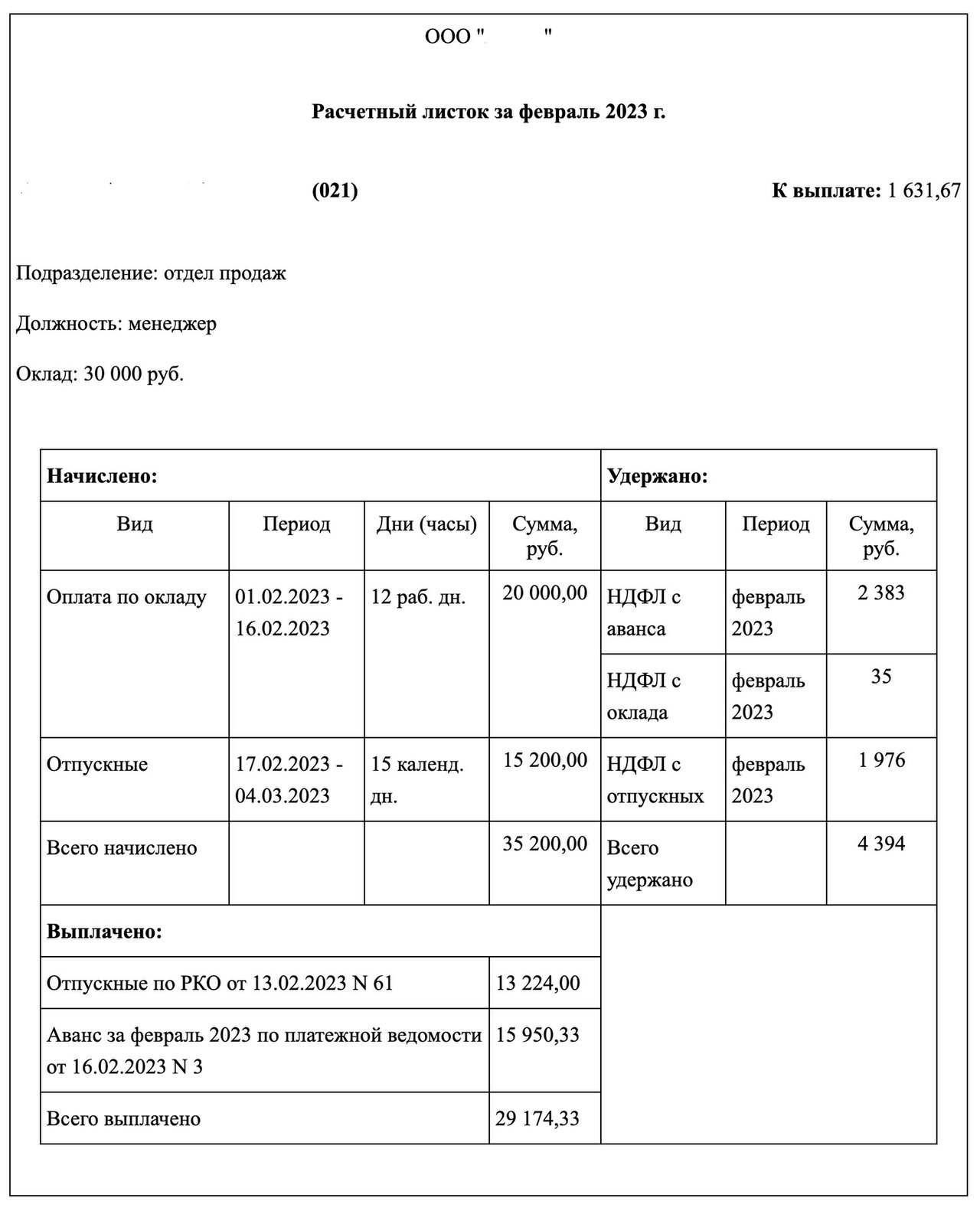
Tax withholding is the income tax taken from your pay before the money reaches your bank account. Your employer sends that amount to the tax authority on your behalf.
The payslip shows the deduction as one line among others, and the amount is an estimate rather than a final bill. Your final tax bill is worked out later, when your full year income and credits are known.
This article explains what tax withholding means, how your employer works out the amount, how to read the lines on your payslip, why the amount changes, and what happens at the end of the year.
What tax withholding means on a payslip
A payslip, also called a pay stub or pay statement, lists what you earned in a pay period and what was taken out before payment. Gross pay sits at the top, deductions sit in the middle, and net pay, the amount you receive, sits at the bottom.
Tax withholding is one of those deductions. It is a payment toward the income tax you owe for the year, made in small pieces across pay periods instead of one lump sum at filing time.
The IRS calls the federal income tax a pay-as-you-go tax, which means taxpayers pay the tax as they earn or receive income during the year. That idea sits behind the whole withholding system.
Withholding is not the same as your final tax bill. It is a running prepayment, and the year-end reconciliation decides whether you paid too much or too little.
Other lines often sit near the withholding line. A slip may also show retirement contributions, health coverage premiums, or other benefit deductions, and those are separate from tax withholding.
How your employer works out the amount
Your employer starts with your pay for the period. That figure includes regular wages and, in many cases, overtime, bonuses, commissions, or other taxable pay for the same period, according to the IRS.
Then the employer applies the details you gave on your withholding form. In the United States, that form is Form W-4, Employee's Withholding Certificate, and equivalent forms serve the same job in other payroll systems.
The form tells payroll your filing status, plus any extra income, deductions beyond the standard deduction, or tax credits you expect, according to the IRS. You must specify a filing status, and you cannot specify only a dollar amount for your employer to withhold.
Payroll uses those inputs with official withholding tables or payroll software to find the amount for that period. The same worker can see a different withholding amount when pay changes, even with no new form, because the tables respond to the pay in that period.
A new form replaces the old one when your situation changes. The IRS says to submit a new Form W-4 to your employer to change withholding, and some employers accept the form through an automated payroll system.
Keep a copy of what you submitted. If a later payslip looks wrong, the form is the first document that shows which inputs payroll used.
How to read the withholding lines on your payslip
Payslip layouts differ, but most use the same building blocks. Look for the pay period dates first, since they tell you which work the slip covers.
Gross pay is your pay before deductions. It may be broken into base pay, overtime, and bonus lines, and the total feeds the withholding calculation.
The withholding line itself may be labeled federal income tax, income tax, or tax withheld, depending on the country and employer. Some slips show separate lines for national and local income tax, and each line is a separate withholding amount.
Year-to-date totals, often labeled YTD, add up gross pay and each deduction since the start of the year. Those totals matter at tax time, because they show how much tax you have already prepaid.
Net pay is gross pay minus all deductions. That is the amount deposited or printed on your check, and it is the number to use when you plan spending for the period. Once that money lands, the difference between saving and investing shapes what you do with it next.
Check the slip against your own records each period. A sudden jump in withholding, a missing line, or a wrong pay period is worth a question to payroll while the period is still fresh.
Why the amount changes from one pay period to the next
Pay itself is the most common reason for a change. Overtime, a bonus, a commission, or unpaid time off changes the pay in that period, and withholding moves with it.
A second job can change the picture too. Each employer withholds based on the pay it issues, so two payroll systems may not combine your total income the way a year-end return does.
Life changes matter as well. The IRS lists marriage, divorce, the birth or adoption of a child, a home purchase, retirement, and a spouse starting or stopping work among the moments to recheck withholding.
Tax law changes can also shift withholding, even when your pay and form stay the same. Payroll tables are updated to match the rules in force, so the same gross pay can produce a different withholding line after a change.
A change in your form is the lever you control. If you submit a new form mid-year, the next payslip should show the new amount, and the effect will be spread over the pay periods left in the year.
A smaller net paycheck can squeeze card payments in the same month. Knowing the credit card grace period helps you judge how much time you have before interest applies. Fixed outgoings stay fixed when pay shifts, so buy now pay later installments can feel heavier in a low-pay period.

What happens at the end of the year
At the end of the year, your employer sends you a wage and tax statement. In the United States, that document is Form W-2, Wage and Tax Statement, and it shows the wages paid and the amounts withheld during the year, according to the IRS.
You then file a tax return that compares your actual tax bill with the total withheld. If you paid more than you owed, the excess comes back as a refund. If you paid less, you owe the balance.
The IRS warns that too little withholding can lead to a tax bill or penalty, while too much means you will not have use of the money until you receive a tax refund. That trade-off is the core choice behind every withholding form.
Refunds are common enough to plan around with care. TurboTax, citing IRS figures, reported that as of April 17, 2026, tax returns for the 2025 tax year produced an average refund of $3,275.
The same analysis noted that for a worker paid every other week, that refund could have added about $100 to each paycheck and still left a $675 refund for the year. A refund is your own money coming back, not a bonus from the tax authority.
Keep your final payslip and your wage statement together. If the year-end totals differ from your last payslip, ask payroll for a corrected document before you file.
How to check and change your withholding
Start with a simple check once a year. Compare the withholding line with your pay, look at the year-to-date total, and ask whether the pace matches what you expect to owe.
Recheck after any major change in income or household life. The IRS urges employees to check withholding every year, and to check again when income changes or a major life event occurs.
The IRS offers a Tax Withholding Estimator tool that can help most employees decide whether to give their employer a new Form W-4. The results can help you fill out the form and adjust withholding.
People with pensions, annuities, or complex situations may need other forms or worksheets instead. Publication 505, Tax Withholding and Estimated Tax, covers cases the estimator does not, such as some kinds of non-wage income.
To change withholding, complete a new Form W-4 and submit it to your employer. Do not send the form to the IRS, since the IRS says the form goes to your employer.
Watch the next one or two payslips after a change. If the withholding line does not move, confirm with payroll that the new form was entered. A tighter paycheck after a withholding change can also squeeze loan payments, so check how interest on a personal loan is calculated before you borrow to cover a gap.
Frequently asked questions
Does tax withholding mean I have already paid my full tax bill?
Not always. Withholding is a prepayment based on estimates for each pay period. Your return settles the difference at year end.
Why is my withholding different from a coworker with the same pay?
The form behind each paycheck can differ. Filing status, expected credits, extra income, and extra withholding all change the amount, even when gross pay matches.
Can I ask my employer to withhold a specific dollar amount?
The IRS says employees cannot specify only a dollar amount on Form W-4. You give filing status and other details, and payroll works out the amount.
What if my employer withholds too little all year?
You may owe a balance when you file, and a penalty is possible in some cases, according to the IRS. A new withholding form during the year can reduce that gap.
The bottom line
Tax withholding turns one yearly tax bill into small payments spread across paychecks. Your payslip shows the estimate for that period, your form sets the inputs, and your return settles the final balance.
Check the slip each period, recheck after life or income changes, and update your form when the numbers drift from your goal.
This article is for general information, not financial advice.
Tags: tax withholding, payslip, paycheck deductions, personal finance
Latest in Finance
- How a credit card grace period can save you money
- The difference between saving and investing
- How interest on a personal loan is calculated
- Fixed vs variable interest rates
Subscribe for a weekly explainer that makes money topics plain.
Related stories

How your APR is divided by 365 to get daily interest
Lenders divide your APR by 365 for a daily rate, then apply it to your average daily balance. This guide walks through every step

What is the difference between APR and effective annual rate?
APR ignores compounding inside the year; the effective annual rate includes it. A 12.99% APR card really costs 13.80% a year. Worked

APY vs interest rate: what compounding does to your money
APY includes compounding; the interest rate does not. A 5% rate compounded monthly is really 5.12% APY. Here is how the math works and what