
S&P 500 falls after hot inflation report shakes rate hopes
Web StoryWatch this story in 15 seconds →Key takeaways
- The S&P 500 fell 1.1% on October 14 after a hot inflation report.
- September inflation hit 3.7%. That beat the 3.6% forecast.
- Tech and chip stocks fell hardest. Gas prices drove much of the jump.
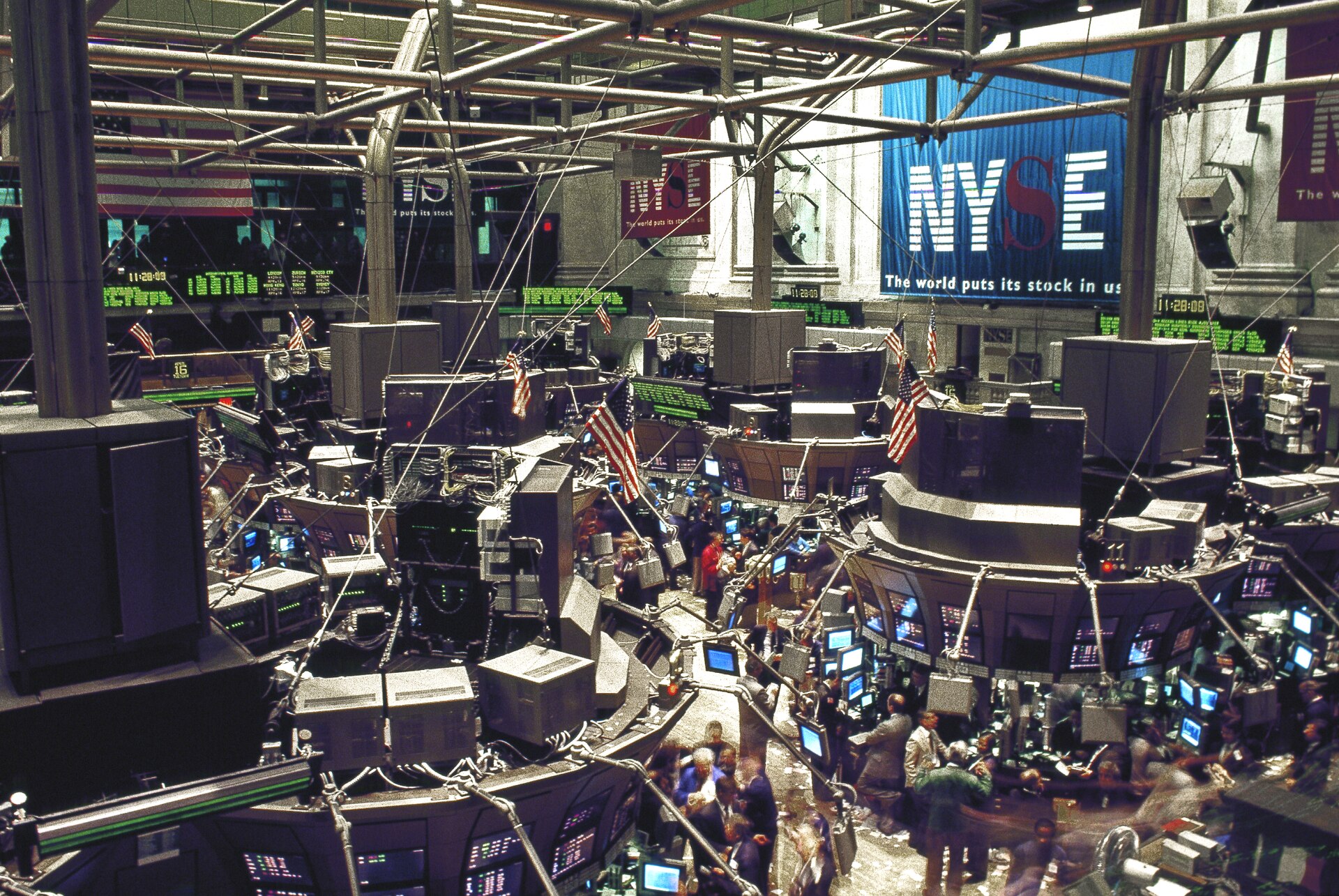
The S&P 500 fell on Wednesday. A hot inflation report scared investors. The index lost 1.1% in one day.
What happened
SPX is the ticker for the S&P 500. The S&P 500 tracks 500 large US firms. It closed at 7,718.94 on October 14.
That close was down 86.51 points. The drop was 1.11% in a single session. Yahoo Finance put the fall at about 1%.
The Nasdaq fell harder. It lost 511.51 points, or 1.88%. It closed at 26,692.87.
The Dow fell much less. It lost 48.62 points, or 0.09%. It closed at 51,621.48.
The trigger was the September inflation report. Prices rose 0.6% from August. That was the biggest monthly gain in five months.
Over one year, prices rose 3.7%. Analysts had expected 3.6%. The August rate was 3.4%.
Gas prices drove much of the jump. They rose 9.1% in September. Gas made up more than half of the monthly increase.
The report came from the Bureau of Labor Statistics. It tracks prices for daily goods. The report is called the Consumer Price Index, or CPI.
Core inflation also beat the forecast. Core CPI strips out food and energy. It rose 0.3% on the month.
Over one year, core prices rose 2.6%. Analysts had expected 2.5%. The core number shows a broad price trend.
Chip stocks took the biggest hit. The Philadelphia Semiconductor Index fell 4.3%. It tracks chip makers and related firms.
Nvidia fell 3.2%. Advanced Micro Devices fell 5.7%. Oracle sank 8.8%.
CoreWeave tumbled 15.5%. It was its worst day since February. Dell fell 11.4% after a downgrade.
Bank of America dropped 4.8%. A $1.2 billion penalty hit its profit. Its revenue also missed the forecast.
Not every stock fell. Health stocks rose on the day. UnitedHealth gained 4.2%, according to AD HOC NEWS.
Bond yields jumped right after the report. The 10-year Treasury yield briefly passed 5.32%. It later gave back much of the gain.
Many savers own this index. They hold it through funds and pensions. A 1.1% fall trims those pots a bit.
Why it matters
Inflation means prices rise over time. The CPI tracks a basket of goods. It covers food, fuel, rent, and care.
When inflation runs hot, money buys less. Families pay more for the same goods. Gas was the clearest pain point in September.
Gas hits budgets fast. Workers pay more to commute. Firms pay more to ship goods.
The Fed watches inflation closely. The Fed is the US central bank. It sets the key interest rate.
A higher rate makes loans cost more. It also makes future profits worth less today. That is why stocks often fall on hot inflation news.
Tech stocks fall harder than most. Many tech firms borrow to grow. Higher rates raise their costs.
AI stocks face the same pressure. Firms spend big on data centers and chips. Higher borrowing costs make that spend harder.
Higher yields can lift loan rates. Mortgages and car loans can cost more. Home buyers feel that shift first.
Chip stocks also fell across Asia in the same selloff. The pain was global, not just American.
Fear of a stock market crash grows when drops like this hit. This fall was sharp but not a crash. The index stays close to its recent highs.
This article is for information only and is not financial advice. Market moves do not tell you what to buy or sell. Talk to a licensed adviser for personal choices.
What happens next
A second inflation test lands on Thursday. September producer prices arrive at 8:30 AM ET. Producer prices track costs at the factory gate.
Retail sales arrive at the same time. They show how much shoppers spent. Both reports can move markets fast.
The Fed meets on October 27 and 28. It will decide on rates then. Traders now see a higher chance of a hike.
CME FedWatch put the hike odds at 32.7%. That was up from 22.1% a day earlier. The odds still favor no change.
More bank results arrive before the open. Charles Schwab and PNC report on Thursday. Their numbers will show how banks face higher rates.
Watch bank loan losses next. Banks may flag weak loans. Strong results could calm the mood.
Oil adds a wild card. Brent crude settled near $106 a barrel. Oil and earnings moved the Dow and Nasdaq in recent sessions too.
Watch the next CPI clue: producer prices. A soft print could calm rate fears. A second hot print could lift hike bets more.
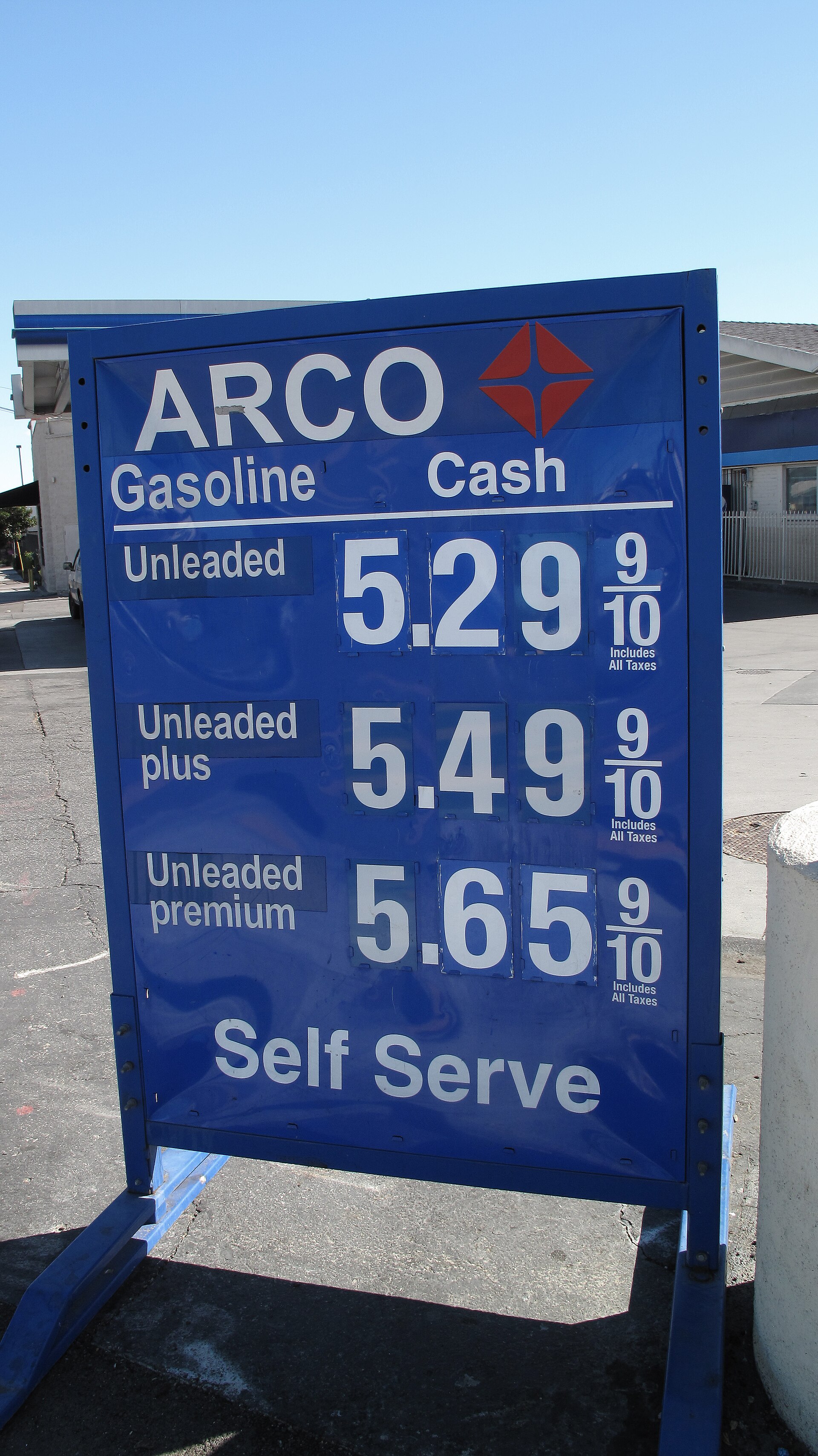
The market now waits for Thursday's data. One more hot print would raise the pressure. One soft print could bring back calm.
Related stories

How your APR is divided by 365 to get daily interest
Lenders divide your APR by 365 for a daily rate, then apply it to your average daily balance. This guide walks through every step

What is the difference between APR and effective annual rate?
APR ignores compounding inside the year; the effective annual rate includes it. A 12.99% APR card really costs 13.80% a year. Worked

APY vs interest rate: what compounding does to your money
APY includes compounding; the interest rate does not. A 5% rate compounded monthly is really 5.12% APY. Here is how the math works and what