
UK bank tax doubles to 6% in Budget: what it means for you
Web StoryWatch this story in 15 seconds →Key takeaways
- The UK bank tax surcharge doubles from 3% to 6% in the October 28 Budget.
- The higher rate starts in January and lasts for 15 months only.
- The money will help pay for immediate support with energy bills.
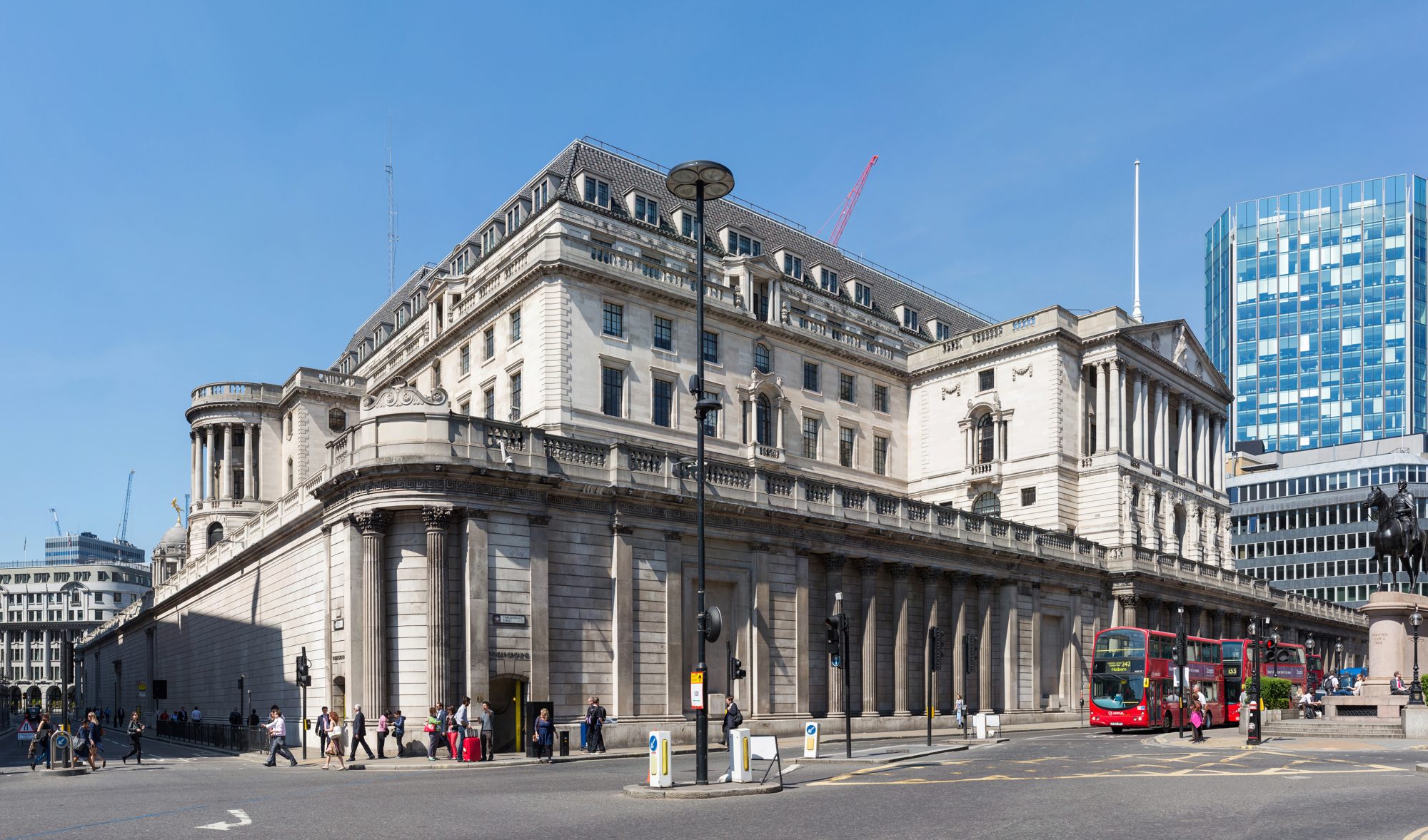
The UK bank tax is an extra tax that banks pay on their profits. Chancellor John Healey doubled it in his first Budget on October 28, 2026. The rate rises from 3% to 6%.
This article is for information only and is not financial advice.
What happened
Healey announced the rise as part of his Budget speech on Wednesday. Reuters reported that he doubled the surcharge banks pay on profits above a set threshold. The rise comes on top of the normal 25% corporation tax rate.
The higher rate starts in January. It will last for 15 months, and then it ends. Healey said the move is time limited.
He said he wants banks to help fund breathing space for British families. Mortgage Strategy reported his words from the speech. He said banks will pay an extra 3% on the surcharge to pay for immediate support on energy bills.
Bank shares rose after the news. Reuters reported that Barclays, NatWest and Lloyds rose by around 4% on Wednesday. The rise was smaller than lenders had feared.
Banks had lobbied hard against a bigger rise in recent months. Reuters reported that lenders argued a larger rise could curb lending. Healey resisted that pressure, but he stopped short of the highest feared rate.
What is the bank tax
The bank tax is best understood in two parts. The first part is corporation tax.
This is the normal tax that companies pay on their profits. The standard rate is 25%.
The second part is the surcharge. This is an extra tax that applies only to banks and building societies.
It applies to bank profits above a set threshold. Small profits below that line do not face the surcharge. Building societies face the same surcharge, and the difference between a bank and a credit union explains member-owned lenders in plain terms.
So a bank pays the normal 25% rate first. Then it pays the surcharge on profits above the threshold. From January, that surcharge rate is 6% instead of 3%.
Banks also pay a separate levy on the assets they hold. AJ Bell reported this levy as part of the wider bank tax bill. Assets are the loans and other items on a bank balance sheet.
The surcharge rate has changed before. It was 8% when it was first set. Former Chancellor Jeremy Hunt cut it to 3% in 2023. That cut came at the same time as a rise in normal corporation tax from 19% to 25%.
Healey has now partly reversed that cut. Reuters described the move as a partial reversal. The rate goes back to 6%, not all the way to 8%.
Why it matters
Banks have made large profits in recent years. Reuters reported that high interest rates fuelled bumper profits for big British lenders.
Trade unions lobbied for a bigger tax rise. They pointed to fairness and record profits.
The industry lobby group UK Finance gave a different view. Reuters reported that UK Finance said Britain already taxes banks more than other major financial centres. The group estimated that the UK banking sector paid 25.7 billion pounds in direct tax in the year to end-March.
Before the Budget, the Guardian reported that reversing the earlier cuts could raise upwards of 2 billion pounds a year. AJ Bell carried that report on October 16, 2026. That figure was a pre-Budget estimate, not a confirmed result of the 6% rate.
The rise also matters because it sits inside the same Budget as other tax changes. Healey confirmed a rise in the UK minimum wage on the same day. Workers aged 21 and over will move to 13.20 pounds an hour in April 2027. The Budget therefore mixes help for low paid workers with a higher tax bill for banks.
For ordinary savers, the direct effect is small. The surcharge is a tax on banks, not a tax on personal savings.
But banks warn that higher taxes can feed through to customers over time. That warning is the part to watch.
What banks warn could follow
Banks warn that a higher tax bill could change how they lend. Mortgage Strategy reported that a prolonged charge could affect mortgage pricing, fees and lending appetite. Lending appetite means how keen banks are to offer loans.
John Connor is a partner at the law firm Womble Bond Dickinson. He told Mortgage Strategy that a small one-off surcharge is one thing. He said a sustained and large rise would make the UK one of the most expensive places for banks to do business.
He added that global banks could send more growth to other countries instead. He said new European rules next year could also make it harder and more costly for global banks to work in Europe. That could limit how far banks shift business away from the UK.
The government view is different. Healey framed the rise as a short and targeted step.
He tied it to energy bill support that starts in January. The 15-month limit is the key part of that case.
A short rise is easier for banks to absorb than a permanent one.
What happens next
The higher rate starts in January. It runs for 15 months from that point. After that period, the surcharge should fall back unless the government acts again.
Watch three things in the months ahead. First, watch bank share prices and profit reports. Central bank moves also shape what banks charge, as in the Bank of Canada rate decision on October 28.
The early market reaction was positive, with major bank shares up around 4%. Second, watch mortgage rates and loan offers.
Banks said these could move if they pass on the cost. Third, watch the energy bill support itself. The government says the bank tax will help fund it.
People with a bank account do not need to do anything because of this change. No new form is needed. No account terms change on the day of the Budget speech.
The debate will now move to the detail. The Treasury will set out how the threshold works in practice.
Banks will study the fine print before they respond. The next set of bank results will show how much extra tax they expect to pay.

The bank tax story is a simple one at heart. Banks pay normal company tax, plus an extra surcharge on larger profits.
That surcharge has doubled for 15 months. The money is meant to ease energy bills for families.
The open question is whether banks absorb the cost or pass part of it on.
Related stories

How your APR is divided by 365 to get daily interest
Lenders divide your APR by 365 for a daily rate, then apply it to your average daily balance. This guide walks through every step

What is the difference between APR and effective annual rate?
APR ignores compounding inside the year; the effective annual rate includes it. A 12.99% APR card really costs 13.80% a year. Worked

APY vs interest rate: what compounding does to your money
APY includes compounding; the interest rate does not. A 5% rate compounded monthly is really 5.12% APY. Here is how the math works and what