
How long it takes to lose fitness when you stop training
By Rive News
Research desk | Rive News
Key takeaways
- Aerobic fitness fades first: VO2 max (the maximum oxygen your body can use) drops measurably after 2 weeks off and can fall 25 percent by week 11.
- Strength holds far longer, with little change for 4 to 6 weeks, and muscle mass survives 2 to 3 weeks.
- Keeping training intensity high, even with less volume, preserves cardio fitness for up to 15 weeks.
Detraining is the technical name for what happens when you stop exercising. Your body built expensive adaptations to handle training, and once the demand disappears, it starts dismantling them. The good news is that different kinds of fitness fade at very different speeds.
This article explains how fast fitness fades, including what happens in the first week, how cardio and strength differ, what older adults should know, and how to slow the loss.
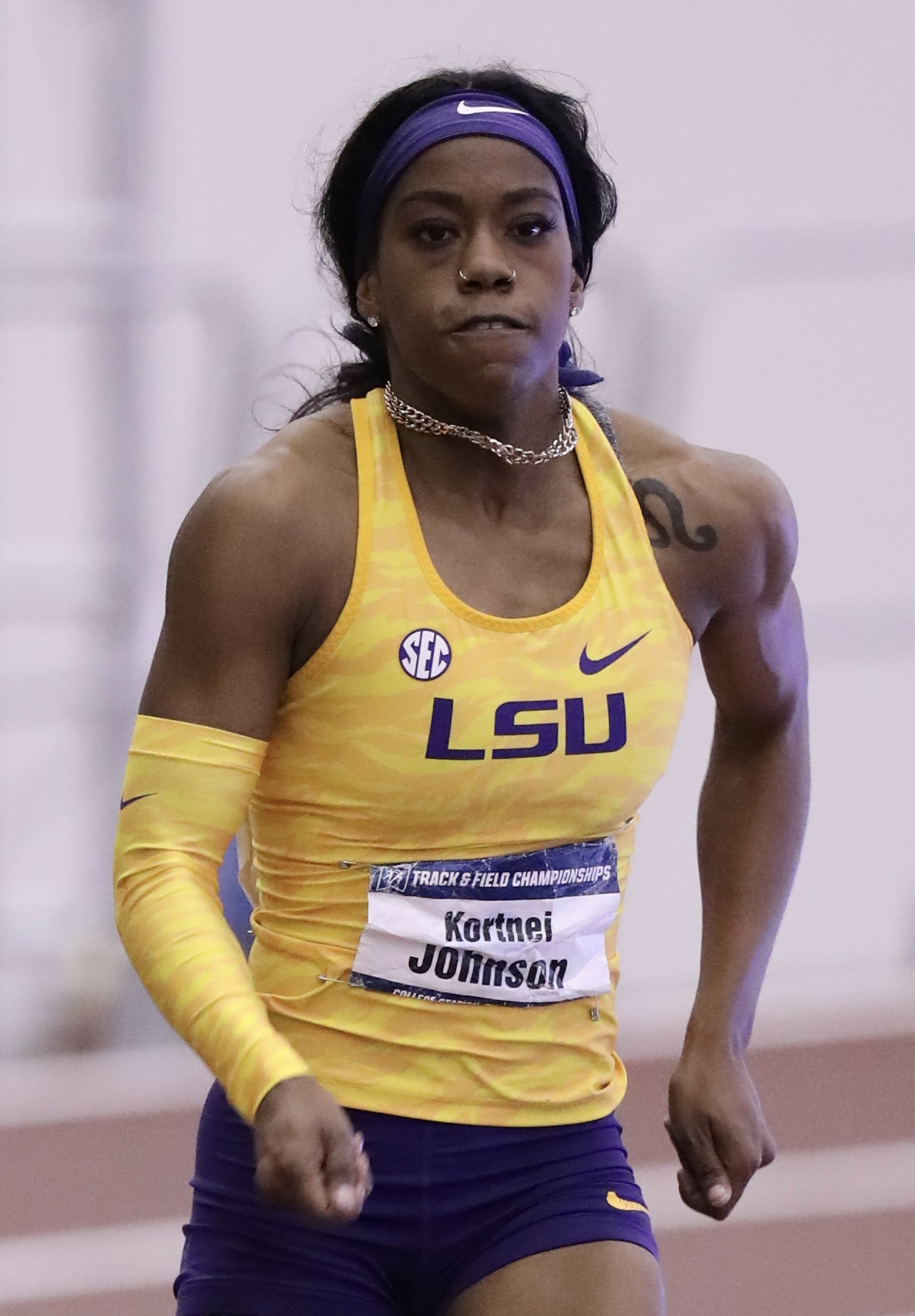
Cardio fitness is the first thing to fade when training stops, with measurable VO2 max drops by the second week. Photograph: jenaragon94/Wikimedia Commons
Image Credits: Wikimedia Commons (CC BY 2.0)
What happens in the first week off
Almost nothing bad. An analysis of real training data published on Medium found that five days off produced no measurable performance change, and six to nine days cost only about 2 percent. A short break behaves more like a taper than a decline.
The first internal shifts are invisible. Blood plasma volume begins to fall, which means less blood for your heart to pump with each beat.
Muscle glycogen, the stored carbohydrate that fuels hard efforts, starts to decline. Lactate threshold, the intensity you can sustain before fatigue builds, can drop within a single week, according to Firstbeat's detraining review.
This is why the first run back after a vacation feels harder even when your fitness is mostly intact. Your muscles are fine, but the delivery system is already adjusting downward. What soreness means in those first sessions back is a separate story, and it is not a sign you have lost everything.
How cardio fitness fades
Aerobic fitness gets the short end of the stick. VO2 max, the maximum oxygen your body can use, holds for roughly the first week, then declines on a steady slope. Reviews by Bosquet and colleagues put the drop at about 4 percent by two weeks and 4 to 7 percent by three weeks.
Firstbeat reports that highly trained individuals can lose 4 to 14 percent of VO2 max within 2 to 4 weeks of detraining. The decline continues as long as the break does. CompEdge PT's summary of the literature gives the longer arc: a 6 percent drop at 4 weeks, 19 percent at 9 weeks, and 25 percent at 11 weeks.
Behind those numbers, several systems are reversing. Outside/Velo's physiological table for 2 to 4 weeks of detraining lists VO2 max down 4 to 10 percent, blood volume down 5 to 10 percent, stroke volume down 6 to 12 percent, heart rate up 5 to 10 percent, and muscle glycogen down 20 to 30 percent. Capillary density and the mitochondrial enzymes that burn oxygen also regress, so your muscles use oxygen less efficiently.
Adam Sharples and colleagues at the Norwegian School of Sports Sciences found in a preprint that VO2 max gains from two months of training evaporated after three months of inactivity. "With aerobic fitness, if you don't train for months, you lose it, and it is like starting over almost every time," Abbi Lane of the University of Michigan told New Scientist.
How strength and muscle fade
Muscles are more resilient than lungs. Strength can be maintained with little to no change for 4 to 6 weeks of no training, and some studies show elite lifters holding maximal strength for months. Notable declines in strength typically appear within two to three months, with research showing eight weeks without training can cause upwards of a 12 percent decrease in strength, according to New Scientist.
Muscle mass itself starts fading sooner than strength does. Measurable muscle loss usually begins after 2 to 3 weeks of complete inactivity, per Firstbeat.
The disconnect between strength and size makes sense: much of early strength is your nervous system learning to recruit muscle fibers, and that skill fades slowly. This is also why building noticeable muscle takes months, but regaining it is faster the second time.
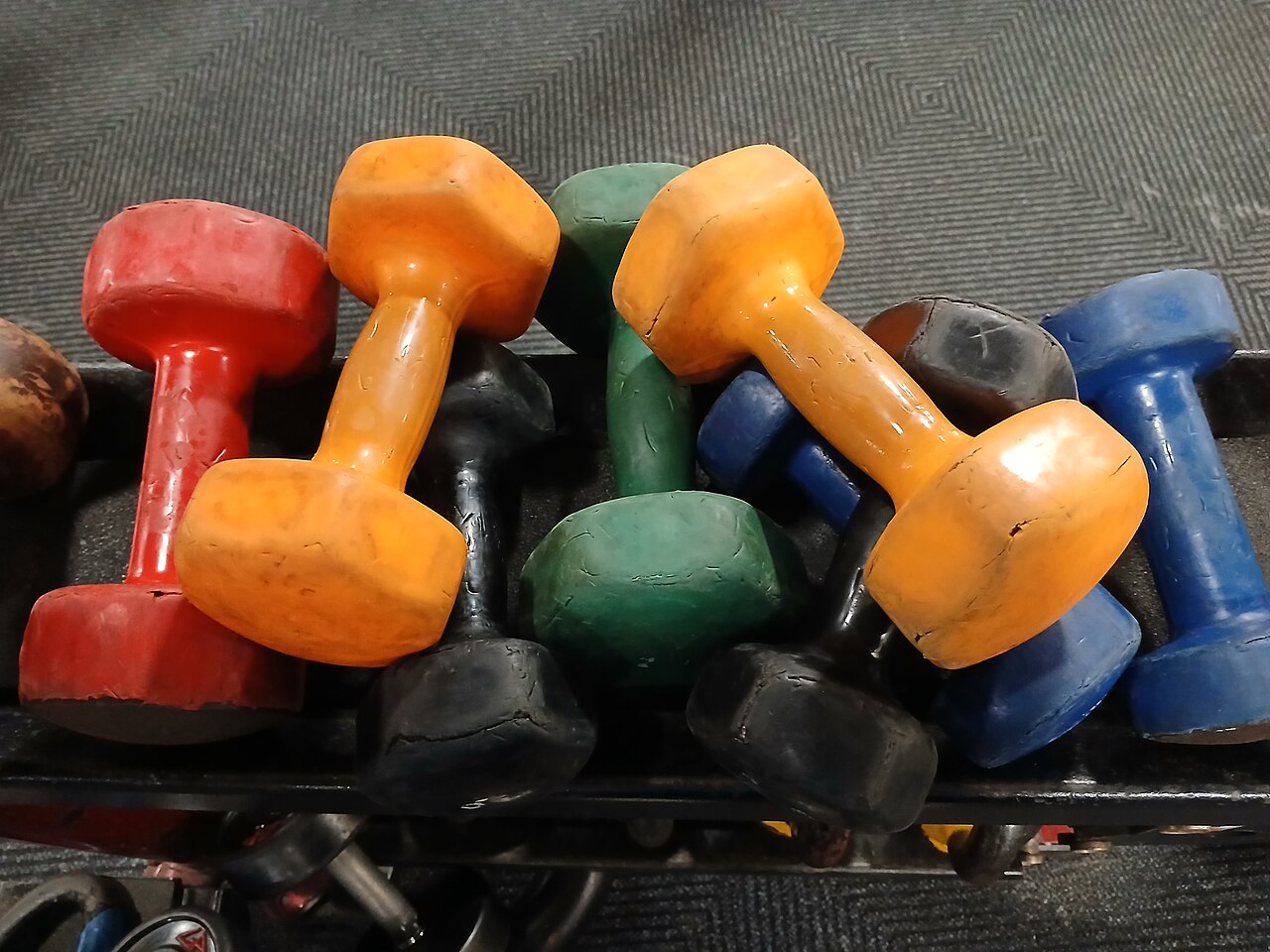
Strength fades far slower than cardio, with studies showing little change for 4 to 6 weeks without training. Photograph: Ser Amantio di Nicolao/Wikimedia Commons
Image Credits: Wikimedia Commons (CC BY-SA 4.0)
Why older adults lose fitness faster
Age changes the timeline. In one study reported by New Scientist, people around age 70 who cut their daily step count by 75 percent for two weeks lost an average of 4 percent of the muscle mass in their legs. They also became more resistant to insulin and showed higher levels of systemic inflammation.
The practical takeaway is that older adults have less margin. Where a 30-year-old can shrug off a two-week break, a 70-year-old is already losing meaningful muscle in the same window. Maintenance matters more, and the maintenance dose is small: brief, regular stimulus beats heroic catch-up sessions.
How to slow the loss
The most useful finding in the detraining literature is about intensity versus volume. Studies summarized by Outside/Velo show that when training frequency or duration is reduced but intensity is maintained, aerobic conditioning holds for up to 15 weeks. When intensity drops but volume stays, fitness fades much faster.
That means a busy runner who can only train twice a week should protect the hard sessions, not the long slow miles. For strength, one or two hard sessions per week is enough to maintain most gains. Cross-training counts too, and the closer it mimics your main sport, the slower the loss.
Even minimal activity helps. Walking, bodyweight circuits, and keeping protein intake steady give your body a reason to hold on to muscle. And sleep quality shapes recovery just as much as training does, so protecting sleep during a break is part of protecting fitness.
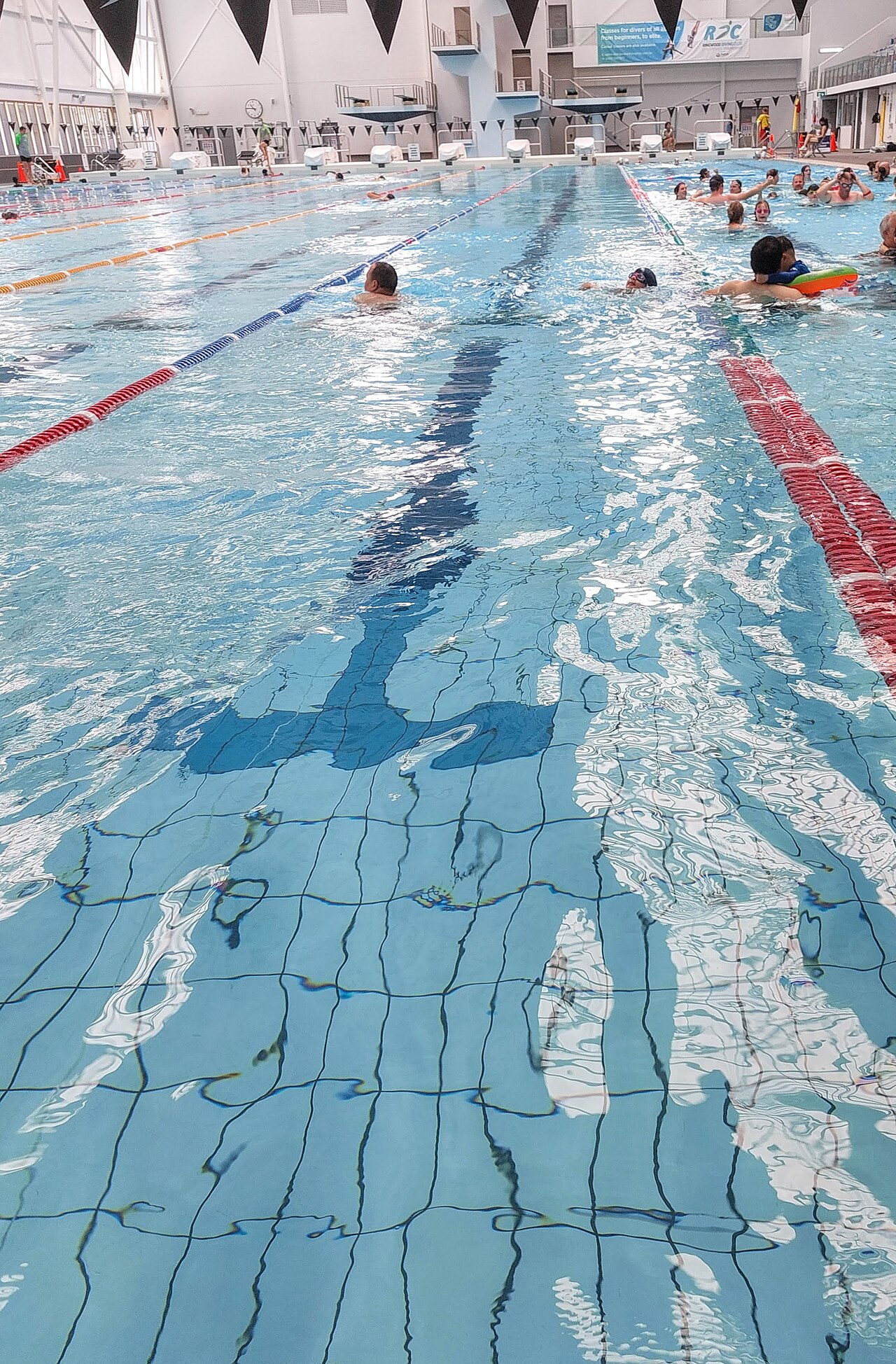
Cross-training like swimming can preserve aerobic fitness during a break from a main sport. Photograph: keepactive.co/Wikimedia Commons
Image Credits: Wikimedia Commons (CC BY-SA 4.0)
Is 2 weeks off enough to lose fitness?
Some, yes. VO2 max can drop about 4 percent by two weeks, and lactate threshold and glycogen fall even sooner. Strength and muscle mass are largely intact at two weeks, so most people feel the loss mainly in cardio.
How long does it take to lose muscle?
Measurable muscle mass loss typically begins after 2 to 3 weeks of complete inactivity, and older adults lose it faster. Strength declines more slowly, with notable drops around the 8-week mark.
Can you maintain fitness with less training?
Yes. Reducing how often or how long you train while keeping intensity high preserves aerobic fitness for up to 15 weeks. Strength can be maintained with just one to two sessions per week.
Do you lose fitness faster as a beginner or an expert?
Highly trained people lose more in absolute terms because they have more to lose, but the percentage decline follows a similar curve. Beginners actually detrain slightly less dramatically in the first weeks, per Firstbeat.
The bottom line
Cardio fitness fades fast: measurable VO2 max drops by week two, 6 percent by week four, and 25 percent by week eleven. Strength and muscle hang on far longer, with strength holding for 4 to 6 weeks or more.
If life forces a break, keep sessions short but intense, stay generally active, and return gradually. A few weeks off is a pause, not a reset, and your body remembers more than it feels like on day one.
---
Rive News is the research desk of this publication, covering the science behind everyday questions with sourced, verifiable reporting.
Latest in fitness
- Why your muscles hurt days after a workout
- How repeated training fades soreness over time
- Why lactic acid is blamed for soreness but clears in an hour
Subscribe for one research-backed explainer every morning.
Corrections: if you spot an error, contact the research desk and we will correct it promptly. Published October 12, 2026. Copyright Rive News 2026.
Related stories

How long does it really take to build noticeable muscle?
Strength gains start in week one, but visible muscle takes 8-12 weeks for most beginners. What the Oklahoma CT-scan study measured, and the

Why you feel dizzy after a workout: the 5 common causes
Post-workout dizziness usually comes from a blood pressure dip, dehydration, or low blood sugar. The numbers behind each cause, and when to

Why Do Knees Hurt When Squatting but Not Running?
Knees hurt when squatting but not running because deep bends multiply force on the kneecap. Learn the mechanics, common causes, fixes, and w