
Why Do Muscles Hurt Most Two Days After a Workout?
By Rive News
Research desk | Rive News
Key takeaways
- DOMS peaks 24 to 72 hours after exercise. It comes from microtrauma from lengthening (eccentric) contractions plus the inflammatory repair response.
- Pain arrives late because the damage happens during the workout. But the inflammation that sensitizes pain receptors builds over one to two days.
- Lactic acid is not the cause. It clears from muscles within minutes to an hour of stopping.
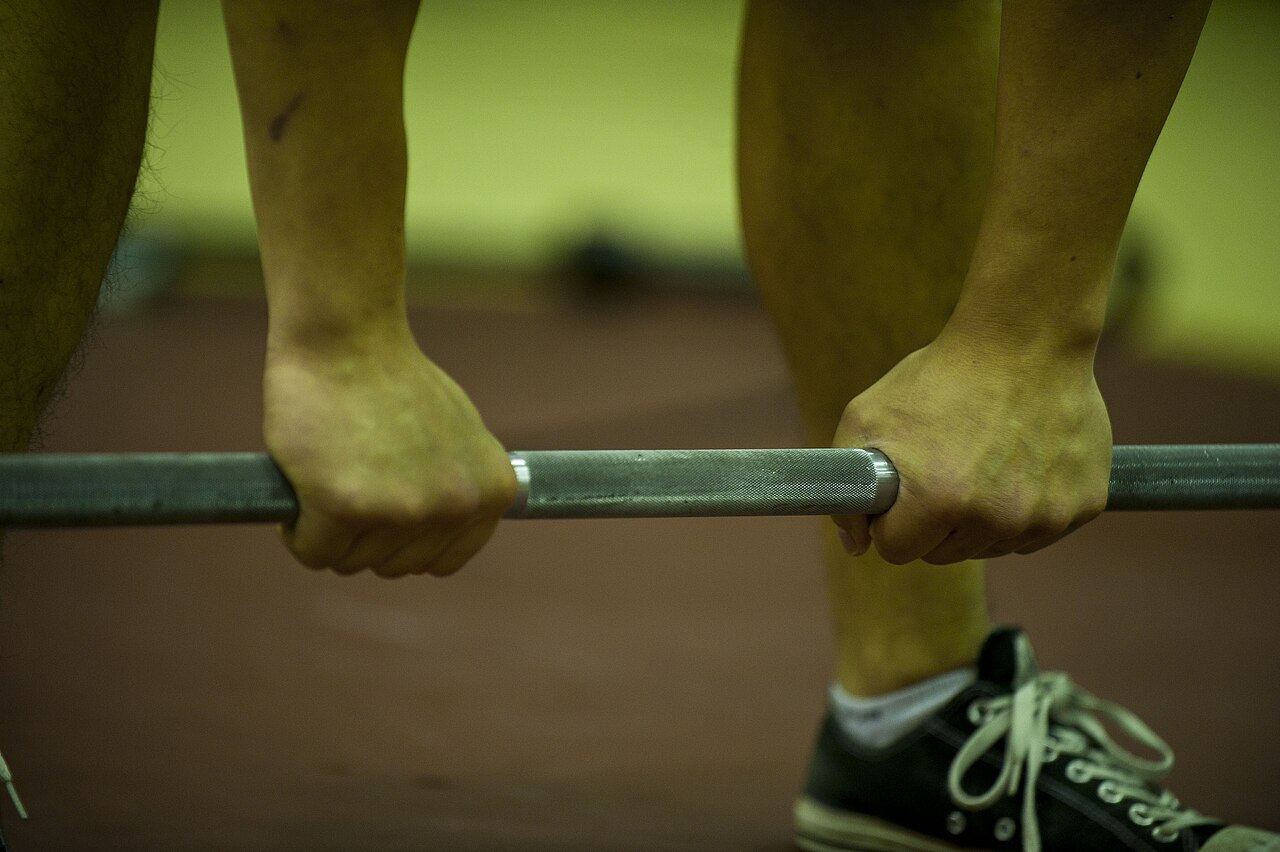
The workout felt fine. You walked out of the gym Tuesday evening a little tired and a little proud. Wednesday morning, not much. Then Thursday arrives, and the staircase has somehow become a cliff face. Sitting down requires a strategy.
That two-day delay is the strangest part. A stubbed toe hurts now. A hard workout sends its invoice later. The phenomenon has a name: delayed onset muscle soreness (DOMS). Researchers have written about it since 1902. This article explains what causes the delay, why day two hurts most, and what actually helps.
What DOMS is and when it peaks
DOMS is the dull, aching pain and stiffness felt in muscles after unaccustomed or strenuous exercise. It usually starts 12 to 24 hours after the session. It grows stronger through the first day. It peaks between 24 and 72 hours. Then it fades, disappearing within about five to seven days.
The pain has a distinctive signature. It shows up when the muscle is stretched, contracted, or pressed, but not when it is at rest. Sports-medicine researchers call this muscular mechanical hyperalgesia. That means the pain receptors are sensitized, so normal mechanical forces register as pain.
DOMS was first described in 1902 by the American physiologist Theodore Hough. He concluded that this kind of soreness is "fundamentally the result of ruptures within the muscle." More than a century of research has refined that idea without overturning it.
The cause: eccentric exercise and microtrauma
The trigger is a specific kind of contraction. Muscles can shorten under load. That is concentric, like lifting a dumbbell. They can stay the same length. That is isometric, like a plank. Or they can lengthen under load. That is eccentric, like lowering the dumbbell back down. Eccentric contractions cause DOMS. Isometric contractions cause much less. Concentric contractions cause essentially none.
The reason is mechanical stress. During eccentric work, fewer muscle fibers handle the load while they are being forcibly lengthened. So each fiber bears more tension. This produces microscopic lesions at the Z-line of the sarcomere. The sarcomere is the basic contractile unit of muscle. When that microtrauma occurs, nociceptors in the muscle's connective tissue are stimulated. Nociceptors are pain receptors. They register pain.
"When you're truly working the muscle, DOMS is inevitable," said Dan Carl, PhD. He is an assistant professor of clinical rehabilitative sciences at the University of Cincinnati's College of Allied Health Sciences. "You're creating microtrauma at the individual fiber level, so you're actually creating tears and disruption in the protein itself."
That explains the classic examples. Running downhill wrecks the quadriceps. Every step is an eccentric braking action. The lowering phase of a bench press or squat does more damage than the lift. A brand-new exercise hurts more than a familiar one. Unaccustomed movement patterns recruit fibers inefficiently.
Why the pain waits two days
Here is the puzzle the headline asks about. If the damage happens during Tuesday's workout, why does Thursday hurt most?
Because the damage is only the first step. When muscle fibers tear, calcium leaks out. Calcium is normally stored in the sarcoplasmic reticulum, a structure inside the muscle cell. That calcium buildup activates enzymes that break down muscle protein further. This triggers the body's inflammatory repair response. Macrophages and neutrophils flood the area. The cleanup releases histamines, prostaglandins, and other chemicals that sensitize the pain receptors.
That inflammatory cascade takes time to build. The soreness you feel on day two is not the tear itself. It is the repair crew's activity. As one sports-medicine summary puts it, the response to the injury builds over the next one to two days. It takes longer if the damage is severe. The delay is the time inflammation needs to peak.
This is also why soreness is not proof of a good workout. Its absence is not proof of a wasted one either. DOMS tracks novelty and eccentric load, not training quality. The body adapts fast. Repeat the same workout and the soreness fades. This is called the repeated-bout effect. It is covered in why soreness fades as you keep training.
What DOMS is not
Two myths need clearing. First, lactic acid. The old theory blamed post-workout soreness on lactic acid buildup. But lactate clears from muscles within 15 to 20 minutes if you do any cooldown activity after intense exercise, Carl said. Soreness that peaks two days later cannot come from something gone within the hour. The full story of that myth is covered in why lactic acid gets blamed for soreness when it clears in an hour.
Second, DOMS is not the same as injury. The British Athletics Muscle Injury Classification lists DOMS as a Grade 0b muscle injury. That means generalized soreness with a normal MRI and no significant structural damage. It can, however, raise injury risk indirectly. Sore muscles show reduced proprioception and muscle control. That makes missteps more likely. If soreness comes with sharp pain, swelling, or dark urine, that is a different situation. It is worth a doctor's visit. Learn to tell the difference in muscle soreness vs injury.
What actually helps
The evidence for recovery methods is mixed. But a few things have reasonable support. Light movement helps. Walking, easy cycling, or gentle mobility work increases blood flow without adding damage. Heat application after the first day can ease stiffness. Adequate protein intake supplies the raw material for repair. Active people need around 1.6 to 2.2 grams per kilogram of body weight daily.
What does not have strong support: stretching away the soreness. It does not prevent or meaningfully reduce DOMS. Also avoid anti-inflammatory drugs as a routine habit. Blunting inflammation may also blunt the adaptation signal. Cold water immersion reduces the feeling of soreness in the short term. That is useful if you must perform again soon.
The single best strategy is prevention through progression. Increase load or volume gradually. Introduce new movements at low intensity first. The repeated-bout effect means the first session is the worst. After that, the same workout produces far less soreness. For guidance on spacing hard sessions, see how many rest days beginners actually need.
Frequently asked questions
Should I work out while still sore?
Light activity is fine and often helps. Avoid hammering the same muscle group hard while it is still very sore. Give it 48 to 72 hours before another intense session. Training a different muscle group is a good option.
Why do I get sore from workouts that never used to bother me?
Usually because something changed. Heavier weight, more volume, a new exercise, or a long layoff. Any of these reintroduces the novelty that triggers DOMS. If more than roughly two weeks pass without the activity, the protective adaptation fades.
Does being sore mean my muscles are growing?
Not directly. Soreness signals microtrauma and inflammation. These accompany the adaptation process. But growth is driven by progressive overload over weeks, not by how much you ache. You can build muscle with minimal soreness once adapted.
Why does going downstairs hurt more than going upstairs?
Descending stairs is almost pure eccentric work for the quadriceps. They lengthen under load to brake your descent. Climbing is mostly concentric. Eccentric contractions cause the microtrauma behind DOMS. So the down trip hurts and the up trip does not.
The bottom line
Muscles hurt most two days after a workout because the soreness is not the damage. It is the repair. Eccentric contractions create microtrauma during the session. The inflammatory response that sensitizes your pain receptors peaks 24 to 72 hours later. It is uncomfortable, it is normal, and it fades as your body adapts. Train progressively, move gently through the soreness, and save your worry for sharp pain. That is a different story entirely.
---
Rive News's research desk covers learning science, fitness, and everyday how-things-work explainers, with every claim traced to a named source.
Latest in Fitness
- Why Does Lactic Acid Get Blamed for Soreness When It Clears in an Hour?
- The Repeated-Bout Effect: Why Soreness Fades as You Train
- Muscle Soreness vs Injury: How to Tell
- How Many Rest Days Do Beginners Actually Need?
Subscribe for one research-backed explainer every morning.
This article is for general information only, not medical advice. See a professional about persistent or severe pain.
Corrections: spotted an error? Contact the research desk and we will fix it with a visible update note.
© 2026 Rive News. Facts sourced from public research; see sources in article metadata.
Related stories

How long does it really take to build noticeable muscle?
Strength gains start in week one, but visible muscle takes 8-12 weeks for most beginners. What the Oklahoma CT-scan study measured, and the

Why you feel dizzy after a workout: the 5 common causes
Post-workout dizziness usually comes from a blood pressure dip, dehydration, or low blood sugar. The numbers behind each cause, and when to

Why Do Knees Hurt When Squatting but Not Running?
Knees hurt when squatting but not running because deep bends multiply force on the kneecap. Learn the mechanics, common causes, fixes, and w