
Why do muscles shake during exercise?
Key takeaways
- Shaking muscles usually mean tired fibers or a new movement, not damage.
- An HSS exercise physiologist calls shaking a "yellow light": slow down and be ready to rest, but you rarely need to quit.
- Four causes explain most cases: muscle fatigue, long holds, low blood sugar, and dehydration.
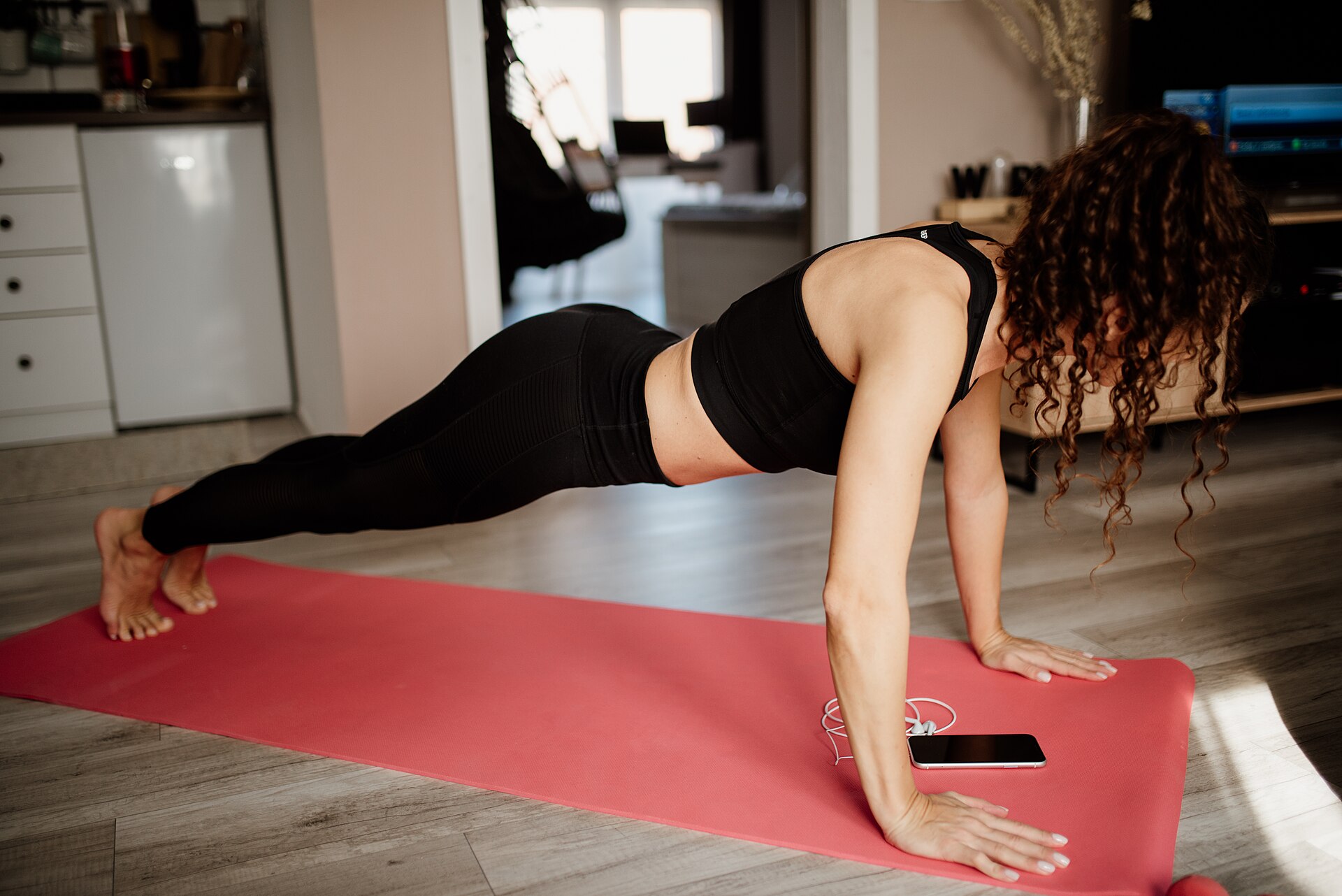
Muscles shake during exercise when the nervous system struggles to coordinate fiber contractions smoothly. The usual reasons are fatigue or a movement your body has not learned yet. In most cases the shaking is normal and temporary.
Think of shaking as a message from your nervous system, not a malfunction. This article explains why muscles shake during exercise: the four main causes, why new exercises shake more than familiar ones, when shaking is a genuine red flag, and how to reduce it next time.
What your shaking muscles are telling you
Every movement starts with the brain sending signals through motor neurons to muscle fibers. When the system is fresh and the movement is familiar, those signals arrive in a smooth, steady stream. When the system is tired or the movement is new, the stream turns choppy, and the choppy firing is what you see as shaking.
Muscle shaking during exercise has two common causes, says Matthew Accetta, MS, an ACSM-certified exercise physiologist at the Hospital for Special Surgery. First, the muscles might be tired. Second, they might be trying to do something they are not used to, like a new movement or a heavier weight.
In both cases, the nervous system recruits more muscle fibers and fires more motor neurons to get the job done.
"As muscle fibers become fatigued during exercise, your body needs to stimulate more muscle fibers, which require more motor neurons to fire," Accetta said. "The impulses that travel through the nervous system and to the neuromuscular junctions to carry out activity are what cause the muscles to twitch and shake."
Accetta's advice on what to do is the most useful single line on the subject: "Muscle shaking during exercise should be viewed as a sign to slow down and be ready to take a break, kind of like a yellow traffic light." Shaking deserves attention, not panic.
The four causes of exercise shaking
Muscle fatigue is the primary culprit. As a workout continues, fibers use up their energy stores and stop contracting smoothly. The body compensates by recruiting fresh fibers. The handoff between tiring fibers and fresh ones is not always seamless, which produces tremors, according to Healthline's review of post-workout shaking.
Holding a muscle in one position is the second cause. Planks, wall sits, and barre holds recruit powerful motor units that are normally reserved for explosive movements. Keeping them switched on for a long hold makes them fatigue in place. You feel it in the muscles being worked: arms and core during planks, for example.
Low blood sugar is the third. Muscles run on glucose, and long or hard sessions can drain it, especially if you trained without eating. Without enough fuel, muscles may start to shake, bringing tiredness, hunger, headache, dizziness, and irritability with it, according to Healthline.
The fix is usually as simple as eating something before the next session.
Dehydration is the fourth. Sweating depletes water and electrolytes, and electrolytes control nerve and muscle function. Heavy sweating on a hot day, or a long session without fluids, can produce muscle twitching and cramps that feel like shaking.
Thirst, dark urine, reduced urination, and headache are the companion signs Healthline lists.
These causes stack. A fasted, dehydrated lifter attempting a heavy new movement is running all four at once, which is why the shaking can feel dramatic even when each factor alone would be minor.
Why new exercises shake more than familiar ones
Trying a new movement almost guarantees some shaking, and the reason is coordination rather than weakness. "When the body experiences a new stimulus, it might require new muscle fibers and neuromuscular junctions to activate," Accetta said. "As those fibers and junctions activate for the first couple of times, they might twitch and shake until they become accustomed to the stimulus."
Dr. Loren G. Martin, a professor of physiology at Oklahoma State University, describes the same mechanism at the motor-unit level: when you work out tired, under-fueled, or above your current ability, some motor units simply stop functioning smoothly, and the breakdown shows up as shaking.
This is why barre and Pilates classes shake so much. Those classes isolate muscles more than most training does, so the target muscles fatigue faster, not because they are weak, according to Dr. Martin's explanation via LiveStrong.
The good news is that shaking fades with practice. "With enough repetition, your motor neurons will be able to produce a smooth, controlled movement," said Glenn Gaesser, PhD, a professor of exercise physiology at Arizona State University. Weeks of the same movement teach the nervous system the firing pattern, and the tremors shrink session by session.
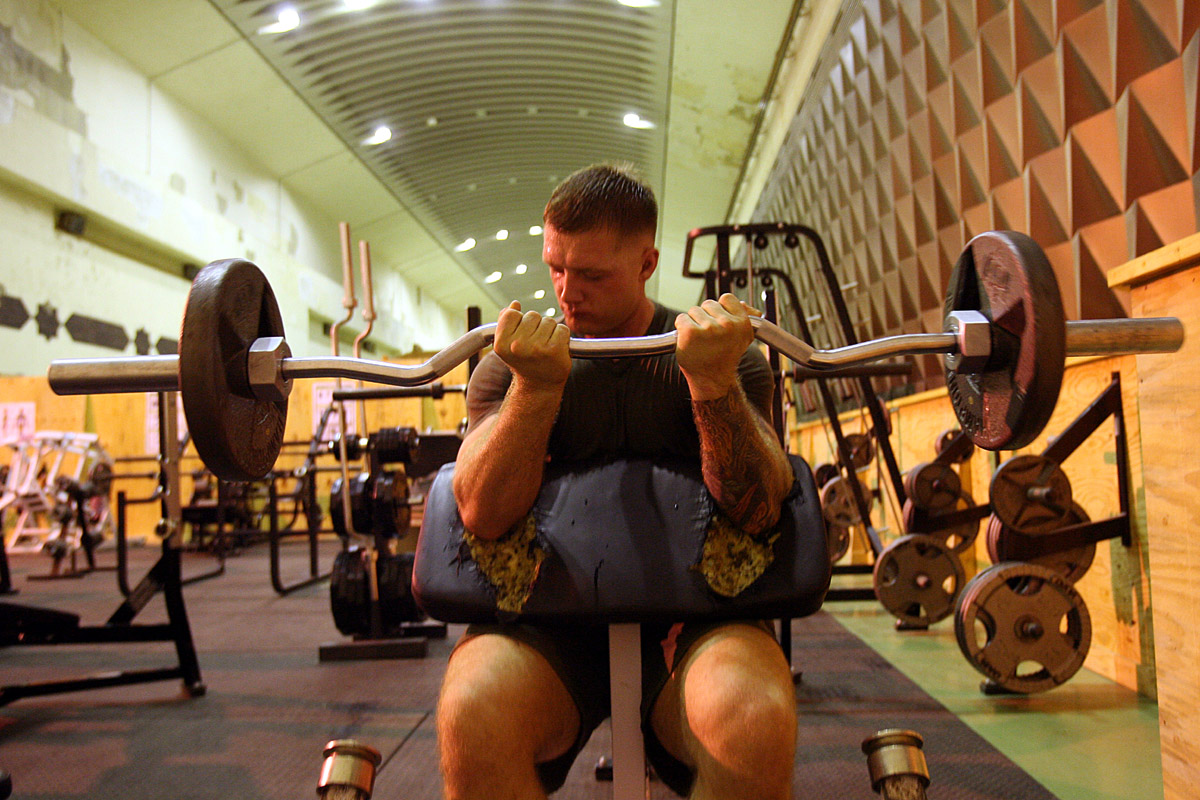
Fiber recruitment order plays a role here too. Your body activates slow-twitch fibers first for endurance work, then calls in moderate and fast-twitch fibers as demand rises, according to the American Council on Exercise's fiber-type breakdown cited by Thriving Guide. When the strong early fibers tire out, the handoff to the less fatigue-resistant fibers gets ragged, and that is when the visible trembling starts.
Eating before training matters more than most people expect for this specific problem. "Working out fed versus fasted can make a huge difference in glycogen depletion. With regards to muscle fatigue, some muscle fibers tire faster than others, which causes irregular contractions, or shaking," said Lauren Kanski, a NASM-certified personal trainer in New York, as reported by MindBodyGreen.
If shaking clusters in your fasted sessions, the pattern is telling you something.
When shaking is a red flag
Normal exercise shaking stops when the effort stops. Muscles settle within minutes of resting, once the nervous system stops demanding peak coordination from tired fibers.
Shaking that continues for hours after the workout is the warning pattern. Persistent twitches or tremors long after exercise can point to an underlying condition rather than ordinary fatigue, and that is the point to see a healthcare provider, according to The Manual's fitness review.
Sharp pain during the shaking is another stop signal. Ordinary fatigue shaking feels like trembling effort. Pain feels like something tearing or catching. Those are different sensations and they deserve different responses.
General information only: this article explains common patterns, not medical advice. If shaking comes with fainting, chest pain, or numbness, treat that as urgent and get medical attention rather than researching it.
How to shake less next time
Eat before you train. A normal meal 2 to 3 hours beforehand, or a small snack 30 to 60 minutes before, keeps blood sugar steady and gives muscles their preferred fuel. Fasted training is the most common fixable trigger.
Drink water through the session. For workouts under an hour, plain water is usually enough. Longer or sweatier sessions may need electrolytes, since sodium and potassium losses are what disrupt nerve signaling, as Healthline's hydration guidance notes. Our piece on why athletes get cramps despite drinking water goes deeper on the electrolyte side.
Warm up the movement before loading it. A few light sets of a new exercise let the nervous system rehearse the firing pattern at low cost, which reduces the first-heavy-set tremors that surprise beginners.
Progress the load gradually instead of jumping to the weight you think you should handle. The nervous system adapts to new loads over sessions, not within one session. Smaller jumps mean less shaking and faster skill gains.
Finally, rest enough between sessions. Chronically tired lifters shake more because they start every workout with partly depleted fibers. How many rest days beginners need covers the recovery numbers that keep tiredness from stacking up.
Is it normal for muscles to shake during a workout?
Yes, in most cases. Tiredness and unfamiliar movements both make motor-unit firing choppy, which shows up as shaking. It normally stops within minutes of resting.
Why do my legs shake after squats?
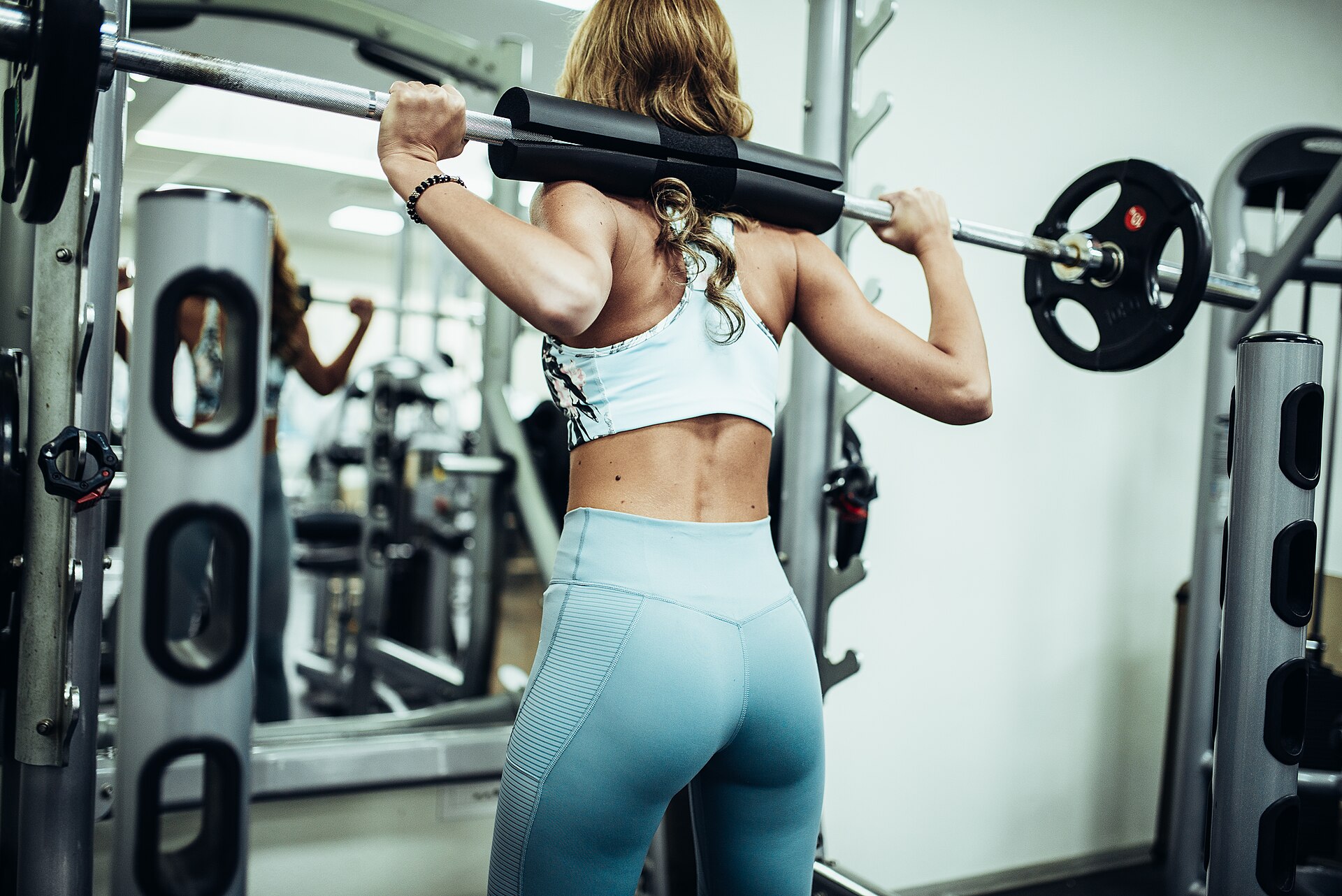
Squats are heavy, multi-joint, and demanding, so they fatigue large numbers of fibers at once. The ragged handoff between tiring and fresh fibers during and after the set is what makes legs tremble.
Why do I shake more during planks than push-ups?
Planks are isometric holds: the same fibers stay switched on without the rest phases that reps provide. That continuous demand fatigues motor units in place, producing more visible trembling than a rep-based movement of similar effort.
Should I stop my workout if my muscles start shaking?
Treat it as a yellow light, per the HSS guidance: slow down, drop the weight, or rest, and be ready to end the session. You rarely need to quit outright unless pain or dizziness joins in.
Does muscle shaking mean I am getting stronger?
Not directly. It means the nervous system is working hard to meet the current demand, which usually means the demand is near your current limit. Strength comes from repeated, recoverable exposure to that demand over weeks.
The bottom line
Shaking muscles are tired or learning muscles, and usually both at once. Eat beforehand, hydrate, warm up new movements, and treat the trembling as a yellow light rather than a failure.
The pattern to remember: shaking that ends when you rest is normal, and it shrinks as your nervous system learns the movement. Shaking that lingers for hours, or arrives with pain or dizziness, is worth a clinician's opinion.
---
Tags: muscle shaking, exercise, workout, fatigue, beginner fitness
Rive News's research desk covers travel, money, and everyday science with sourced explainers. No PR, no sponsored placements.
Latest in Fitness
- How many rest days do beginners actually need?
- Why do athletes get cramps despite drinking water?
- Why do you feel dizzy after working out?
Subscribe for one sourced explainer every morning.
Rive News (c) 2026. Corrections: reply to any article and we fix verified errors within 48 hours.
Related stories

How long does it really take to build noticeable muscle?
Strength gains start in week one, but visible muscle takes 8-12 weeks for most beginners. What the Oklahoma CT-scan study measured,

Why you feel dizzy after a workout: the 5 common causes
Post-workout dizziness usually comes from a blood pressure dip, dehydration, or low blood sugar. The numbers behind each cause, and when

Why Do Knees Hurt When Squatting but Not Running?
Knees hurt when squatting but not running because deep bends multiply force on the kneecap. Learn the mechanics, common causes, fixes,