
Why are you sore two days after a workout? DOMS explained
By Rive News / Research desk | Rive News / Published October 20, 2026 at 9:00 AM PKT
Key takeaways
- The day-two ache is delayed onset muscle soreness (DOMS), which peaks 24 to 72 hours after unfamiliar or hard exercise.
- Eccentric movements, like lowering a weight, trigger it; lactic acid clears within an hour and is not the cause.
- Most soreness fades in 2 to 5 days, and repeat workouts hurt less as muscles adapt.
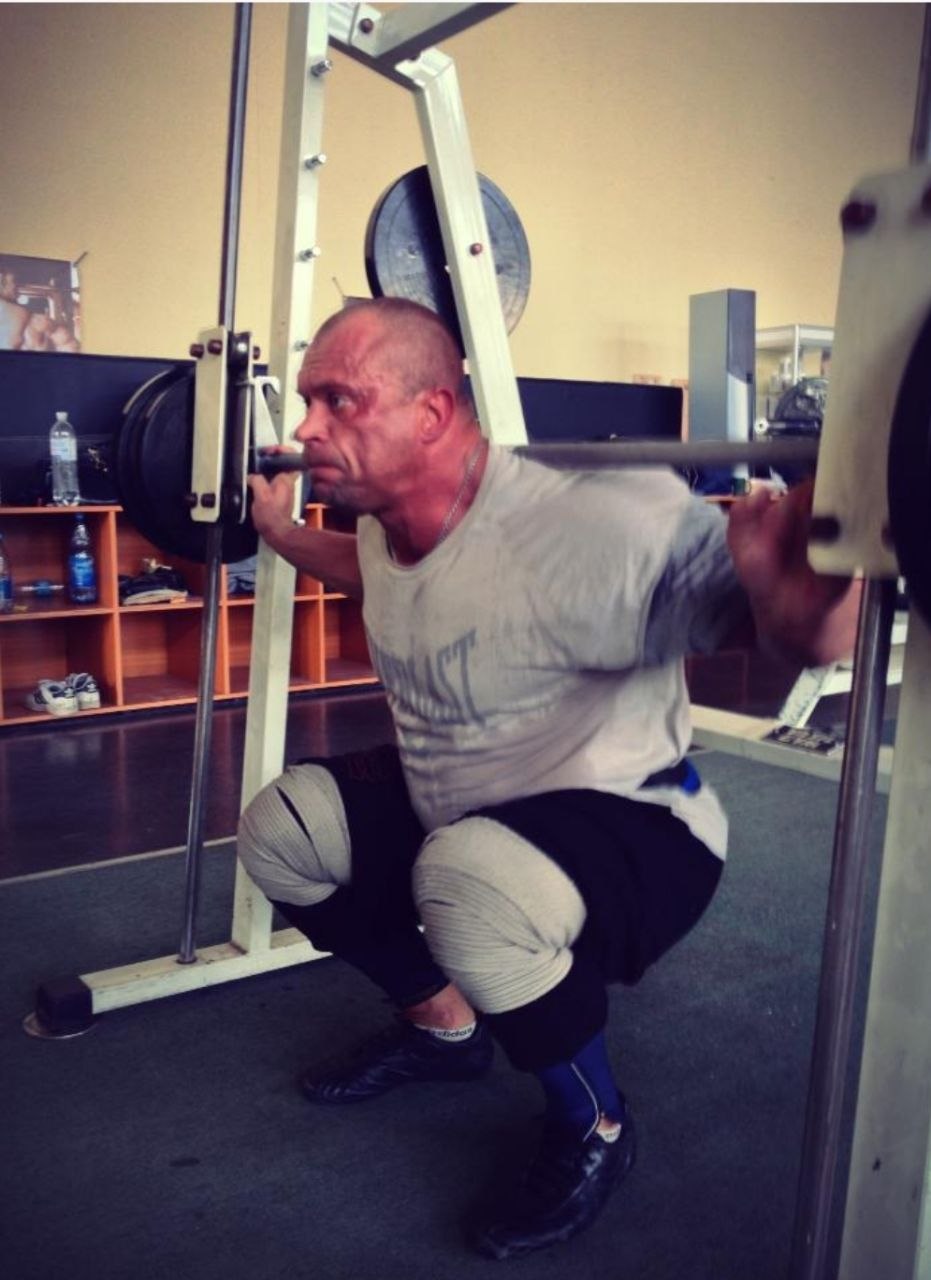
A barbell squat in the gym. The lowering phase of a squat is eccentric work, a classic trigger for delayed soreness.
Image Credits: Wikimedia Commons
You finish a hard workout feeling fine, maybe a little wobbly. The next morning brings a hint of stiffness. By the second morning, the stairs have become a negotiation.
That slow-building ache has a name: delayed onset muscle soreness, or DOMS.
DOMS is the dull, aching tenderness that peaks between 24 and 72 hours after exercise your muscles were not used to. It is one of the most misunderstood sensations in fitness, and the old explanations for it are mostly wrong.
This article explains why you are sore two days after a workout, including what DOMS actually is, what causes it, the repair timeline, and what genuinely helps.
What DOMS actually is
Delayed onset muscle soreness is the pain and stiffness felt in muscles after unaccustomed or strenuous exercise. The soreness is felt most strongly 24 to 72 hours after the session, according to the sports medicine literature summarized on Wikipedia.
You can recognize DOMS by a few features. The pain spreads across a whole muscle group rather than focusing on one point.
It feels worse when the muscle is stretched or pressed, and better once you have moved around for a few minutes. Strength and range of motion dip in step with the soreness, then recover together.
DOMS is common, predictable, and in the overwhelming majority of cases harmless. It is also not required for progress.
The idea that soreness equals a good workout is one of the least helpful myths in fitness, as Acibadem International's physicians note. You can build strength and muscle with minimal soreness when training is well programmed.
What causes the soreness
The main trigger is eccentric exercise: movements where a muscle produces force while lengthening. Lowering a dumbbell, descending into a squat, and running downhill are classic examples. Concentric exercise, where the muscle shortens, causes little or no soreness.
During hard eccentric work, the tiniest structural units inside muscle fibers, called sarcomeres, sustain microscopic disruption. These are the repeating segments that slide past each other to produce a contraction.
The damage itself does not hurt directly. What hurts is the clean-up.
Over the following day or two, immune cells migrate into the affected tissue, fluid accumulates, and chemical messengers sensitize the nerve endings in the surrounding connective tissue. White blood cells release prostaglandins and histamine, which irritate nerve endings and make ordinary movement feel sore. That cascade takes time to ramp up, which is why peak soreness lags the workout by a day or more.
Intracellular fluid also shifts into the muscle belly after hard exercise, increasing its volume by up to 10 percent, according to Eureka Health's summary of the research. The resulting pressure stretches pain receptors and adds to the stiffness.
One popular explanation deserves to die: lactic acid. Lactate clears from muscles within about an hour after exercise, so it cannot explain pain that peaks two days later. The burn you feel during a hard set and the ache you feel on day two are different phenomena with different causes.
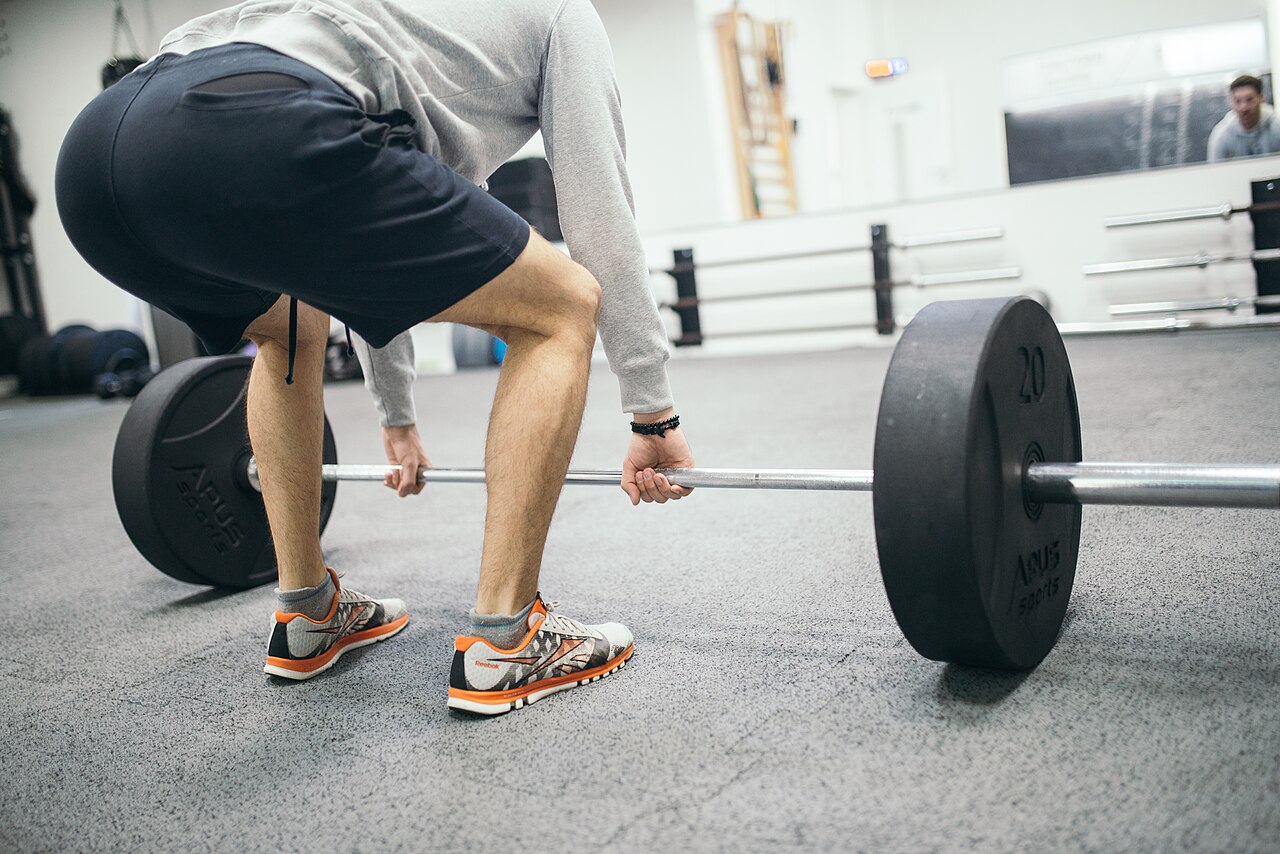
A deadlift in the gym. Heavy eccentric loading is one of the strongest triggers of delayed onset muscle soreness.
Image Credits: Wikimedia Commons
The repair timeline
Soreness follows a predictable curve, though the exact timing varies with the exercise and the individual. Based on published timelines:
- 0 to 12 hours: soreness barely noticeable, maybe slight stiffness.
- 12 to 24 hours: tenderness begins to build, especially when the muscle is stretched.
- 24 to 48 hours: peak pain and maximum stiffness for most people.
- 48 to 72 hours: pain plateaus, then starts declining.
- 72 hours to 7 days: mostly resolved, with mild residual stiffness possible.
The NHS notes that most post-workout muscle pain eases without treatment in roughly 2 to 5 days as the healing process completes. More extreme cases, such as after an unusually brutal session, can take up to a week.
The repair process is also an adaptation signal. Satellite cells fuse to the damaged fibers and lay down new contractile proteins, which is part of how muscles grow stronger. This adaptation explains the repeated bout effect: when you repeat the same workout, the soreness is much milder, because the muscle has already adapted to that specific stress.
What helps, and what does not
No recovery trick erases DOMS entirely, but several strategies take the edge off and keep you training.
Gentle activity is the most reliable tool. A light walk, easy cycling, or a mobility session increases blood flow without adding damage, and most people feel noticeably better after moving for ten minutes. Complete bed rest tends to make stiffness worse.
Sleep and nutrition support the repair process. Protein supplies the building blocks for muscle repair, and adequate sleep is when much of the recovery chemistry happens. Hydration matters too, though water alone will not fix soreness.
Gradual progression prevents the worst episodes. Big jumps in volume, new exercises, and heavy slow negatives are the classic DOMS triggers, so introduce them in small doses. Foam rolling and gentle stretching can reduce perceived soreness for some people, even if the underlying repair timeline stays the same.
What does not help much: anti-inflammatory painkillers may dull the ache, but regular use can interfere with the adaptation signal, so save them for when soreness disrupts sleep or daily life. Ice baths have mixed evidence and are unnecessary for everyday training soreness.
Know the red flags. Severe pain, marked weakness, visible swelling, or dark or cola-colored urine are not normal DOMS and need prompt medical attention. These can signal rhabdomyolysis, a rare but serious condition where muscle breakdown overwhelms the kidneys.
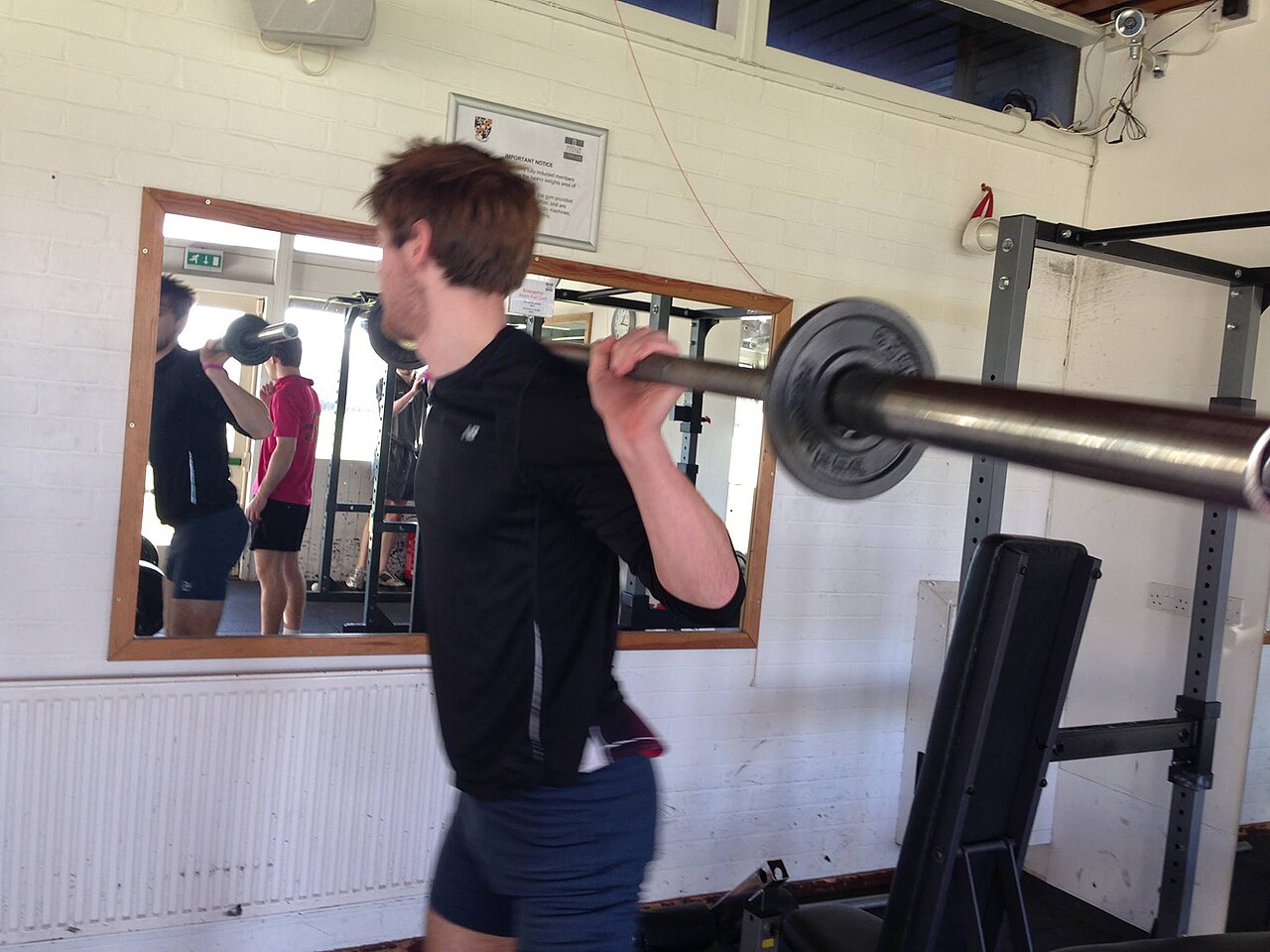
A barbell squat. New exercises and higher volume than usual are the most common reasons soreness hits hard.
Image Credits: Wikimedia Commons
Is DOMS a sign of a good workout?
No. Soreness signals unfamiliar stress, not productive stress. Well-programmed training often produces little soreness while still building strength.
Chasing soreness as a goal leads to poor programming and slower progress.
Should I train again while still sore?
Light training is fine and often helps. Avoid hammering the same sore muscles with heavy loads until strength and range of motion return. Training a different muscle group or doing easy cardio are safe options.
Why do beginners get DOMS worse than experienced lifters?
The repeated bout effect protects adapted muscles. A beginner's fibers have never handled that specific stress, so the damage and inflammatory response are larger. After a few exposures to the same workout, soreness drops sharply.
Does stretching prevent DOMS?
Static stretching before or after exercise has little effect on DOMS in controlled studies. A smart post-workout stretching routine still has value for flexibility and cooldown, but it will not prevent next-day soreness.
The bottom line
You are sore two days after a workout because your muscles are mid-repair. Eccentric stress disrupted the fibers, the immune system moved in to clean up, and the resulting inflammation sensitizes your nerves. The delay is simply how long that cascade takes.
Treat soreness as information, not a trophy. Move gently, sleep well, eat enough protein, and progress gradually. Within a few sessions of any new workout, the repeated bout effect will make the same training far less painful.
If you want to judge whether your training is actually working, track strength and performance over weeks instead of soreness after one session. Progress lives in the logbook, not in the ache.
Rive News is a research desk that turns exercise science and clinical guidance into plain-English explainers for everyday training.
Latest in Fitness
- What is the difference between flexibility and mobility
- How to tell if your workout is actually working
- Why do you shake during a plank
Get one practical fitness tip in your inbox every week: subscribe to the Rive News newsletter.
© 2026 Rive News. Published October 20, 2026.
Related stories
How long does it really take to build noticeable muscle?
Strength gains start in week one, but visible muscle takes 8-12 weeks for most beginners. What the Oklahoma CT-scan study measured,
Why you feel dizzy after a workout: the 5 common causes
Post-workout dizziness usually comes from a blood pressure dip, dehydration, or low blood sugar. The numbers behind each cause, and when
Why Do Knees Hurt When Squatting but Not Running?
Knees hurt when squatting but not running because deep bends multiply force on the kneecap. Learn the mechanics, common causes, fixes,