
How to Keep Cut Flowers Alive Longer in a Vase
Key takeaways
- Start with fresh stems, a clean vase, and cool water to give any bouquet its best chance.
- Flower food beat six home remedies in a head-to-head test, keeping tulips looking good through day seven.
- Change the water every two to three days, re-trim stems, and keep the vase out of sun and heat.
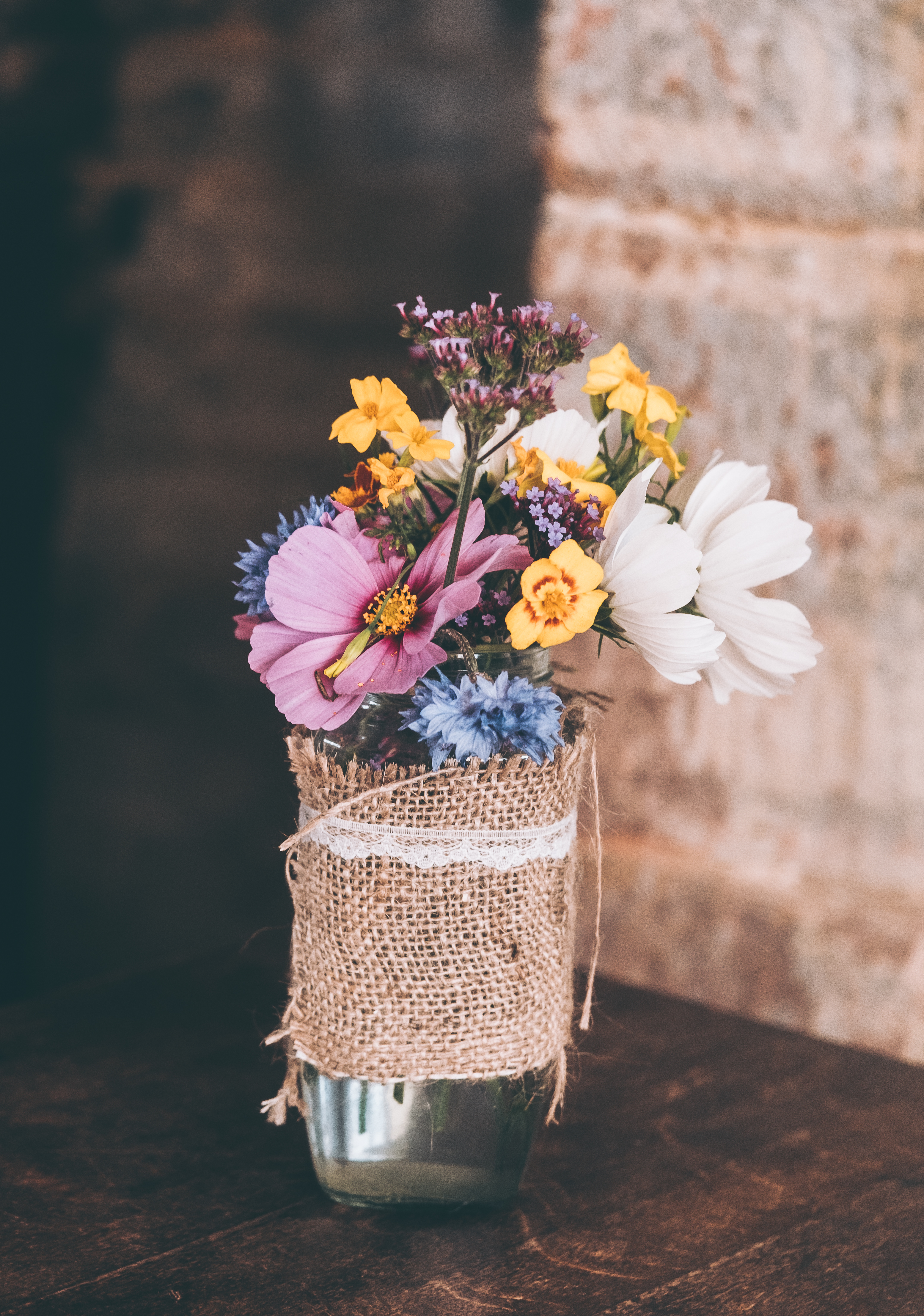
How to keep cut flowers alive longer in a vase
Cut flowers are already on borrowed time when you buy them. Once a stem leaves the plant, it loses its supply of water and nutrients, and bacteria in the vase start to block the stem ends. This article explains how to slow that process down, including clean water, angled cuts, flower food, and cool placement.
Most bouquets last five to ten days with good care, according to Sydney florist Jodie McGregor, who shared her routine with Houzz. Some types last far less, and some last far more. Gardenias, lilies of the valley, and lilacs are short-lived, while chrysanthemums, lilies, and lisianthus hold up well.
Knowing that range helps set fair hopes for any bunch.
The steps below work for shop bouquets, market bunches, and stems cut from a garden. They take a few minutes at the start and a few minutes every couple of days after that.
Buy fresh stems first
No vase trick can rescue flowers that were already tired when you bought them. McGregor told Houzz that buying flowers that were not fresh at the start is the most common reason blooms die early. Look for bright, firm foliage with no drooping, discolouring, or fraying at the edges.
For flowers that open after cutting, such as tulips, buy them tight in bud. You get to watch them open, and you enjoy them for longer. Ask the seller where the flowers came from and how long they should last.
Get the bouquet into water fast. Carry it home in a bucket of water if the trip is long, or keep the stems wrapped in wet paper. Do not leave flowers in a hot car all day.
Heat speeds up wilting before the bouquet ever reaches your table.
A windowsill herb garden uses the same habit of checking plants daily, and cut flowers reward the same small routine.
Start with a clean vase
Bacteria are the main enemy of cut flowers. A dirty vase seeds the water with microbes that plug stem ends and stop water from reaching the petals. Wash the vase with hot, soapy water and rinse it well before you arrange anything.
Rinse away all soap residue. Soap changes the pH of the water, and Real Simple warns that leftover soap can work against you. A clean vase and clean tools matter more than any additive in the water.
Fill the vase with room-temperature water. Real Simple used 36 ounces of fresh, room-temperature water in each test vase. Cold water suits bulb flowers such as tulips, while room-temperature water suits most mixed bouquets.
Cut the stems at an angle
Trim 1 to 2 inches from the bottom of each stem before placing it in water. Cut at a 45-degree angle with a sharp knife or sharp scissors. The angled cut gives more surface area for water uptake than a flat cut.
Use a sharp blade. A dull blade crushes the stem end, which slows water uptake. For woody stems, such as hydrangea or lilac, a small hammer can smash the cut end open so the stem drinks more easily, according to Real Simple.
Cut the stems just before placing them in the vase. Have the vase filled and ready so stems spend as little time as possible in open air. Some guides suggest cutting under water to keep air out of the stem, but Real Simple found the difference in lifespan inconsequential.
Remove any leaves that would sit below the waterline. Leaves in water rot fast and feed bacteria, which then blocks the stems. Keep the foliage above the water and the stems below it.
Use flower food when you have it
Flower food won the head-to-head test. Real Simple tested seven methods on tulips over seven days: aspirin, mouthwash, a penny, bleach, fresh water, sugar, and flower food. The flower food bouquet drank more water than any other and still looked good on day seven.
Flower food works because it does three jobs at once. It contains a biocide that kills bacteria, an acidifier that helps stems take up water, and sugar that feeds the blooms. That mix is hard to copy with kitchen items.
Use one packet per vase, mixed as the packet directs. Real Simple mixed one tablespoon from a packet into the water on day one and added more on day five. If your bouquet came with a packet, use it.
If it did not, florist shops sell flower food on its own.
What the home remedies did in the test
The test results show why folk remedies are a gamble. Aspirin failed badly. One 325-milligram coated tablet went into the water on day one, and by day four the tulips were drooping.
By day seven, more than half the petals had fallen.
Sugar gave uneven results. One teaspoon on day one and another packet on day four produced blooms that burst open, then curled at the edges. Sugar feeds flowers, but it also feeds bacteria, which cuts both ways.
Bleach kept the water free of mould, but it bleached the stems white and yellowed the petals by day seven. A capful in a vase was too much. The Post-Tribune guide caps bleach at one quarter teaspoon per quart of water, which is a far smaller dose.
A penny was slow to start and faded fast. Mouthwash did little. Fresh water alone, changed daily with a quarter-inch re-trim, kept the bouquet presentable until day four, then petals dropped fast.
Flower food was the clear winner.
McGregor's own shop test reached a similar place. She told Houzz that a dash of bleach won in her flower shop trials, but she warned against using it on poppies, hyacinth, or tulips. Flower food stays the safer default for mixed bouquets.
Change the water every two to three days
Fresh water matters more than most additives. Change the water every two to three days, or daily if you have the time. Each time you change it, rinse the vase and trim a small amount off the stem ends.
Top up the water between changes. Some flowers drink fast, and a vase that runs low starves the stems. Check the level daily, and keep stems submerged.
Remove spent blooms and loose petals as they fade. Dead material in the water feeds bacteria and makes the whole arrangement look tired. A quick tidy keeps the remaining flowers looking fresh.
Strawberries in a small space need the same regular watering checks, and the habit transfers well to vase care.
Put the vase in the right spot
Keep flowers in a cool spot, out of direct sunlight and away from drafts. Heat speeds up water loss and wilting. Real Simple advises keeping bouquets off televisions, appliances, and heating or cooling units, which give off heat.
Keep the vase away from ripening fruit. Fruit gives off ethylene gas as it ripens, and ethylene speeds up ageing in many flowers. A fruit bowl and a flower vase look good together, but they shorten each other's display life.
Avoid cold drafts near windows and doors in winter. A steady, cool room beats a warm room with swings in temperature. A hallway table or a shaded side table often works better than a sunny windowsill.
Handle tricky flowers with care
Daffodils need their own vase at first. They release a sap that gums up other stems, according to Real Simple. Soak daffodils for a few hours in a separate vase before mixing them into an arrangement.
Tulips keep growing after they are cut. They can lean and stretch toward light. Re-trim the stems to control the shape and keep water moving up the stem.
Roses that wilt can sometimes recover. Real Simple suggests submerging wilted roses in cool water for a few hours. The soak rehydrates the stems and can lift drooping heads.
Hydrangeas, poppies, and kangaroo paw benefit from scalding the stem ends in boiling water before placing them in cool water, McGregor told Houzz. The hot dip improves water uptake and stops drooping. Handle the boiling water with care, and keep it away from the flower heads.
A simple routine that works
Day one sets the tone. Wash the vase, trim the stems at an angle, strip the low leaves, add flower food, and place the vase in a cool spot. That first five minutes does most of the work.
Days two and three need only a water check. Top up the vase if the level drops, and pull out any faded blooms. Days four and five call for a full water change and a fresh trim.
By day seven, most bouquets are fading. Enjoy the last good stems, compost the rest, and wash the vase before the next bunch. Composting kitchen scraps turns spent stems and leaves into something useful instead of bin waste.
Frequently asked questions
How long do cut flowers last in a vase?
Most bouquets last five to ten days with good care, according to florist Jodie McGregor. Some types, such as gardenias, last only two or three days. Others, such as chrysanthemums and lilies, can last well beyond a week.
Does sugar water help cut flowers?
Sugar feeds blooms, but it also feeds bacteria in the water. In the Real Simple test, sugar produced uneven blooming and curling petals by day seven. Flower food, which pairs sugar with a biocide and an acidifier, worked better.
Should I cut flower stems underwater?
Real Simple found the difference in lifespan inconsequential. The more useful habit is having the vase filled and ready so stems go straight into water after cutting. Use a sharp blade and an angled cut.
Why do cut flowers wilt so fast?
Bacteria block the stem ends, heat speeds up water loss, and leaves in the water rot and feed more bacteria. Clean water, angled cuts, and a cool spot slow all three causes at once.
Can I revive wilted cut flowers?
Sometimes. Submerging wilted roses in cool water for a few hours can rehydrate them, according to Real Simple. Flowers with crushed stems or rotten ends are less likely to recover.
The bottom line
Cut flowers last longest when you treat the vase as a small life-support system. Fresh stems, a clean vase, angled cuts, flower food, fresh water every two to three days, and a cool spot away from sun, heat, and fruit cover the whole job. Skip the folk remedies and trust the routine that won the test.
Tags: cut flowers, vase care, flower food, gardening
Latest in Gardening
- Start a Herb Garden on Your Windowsill
- Grow Strawberries in a Small Space
- Compost Kitchen Scraps Without the Smell
- Keep Your Home Cool Without Air Conditioning
Subscribe to the Rive News newsletter for one practical guide each week.
Related stories
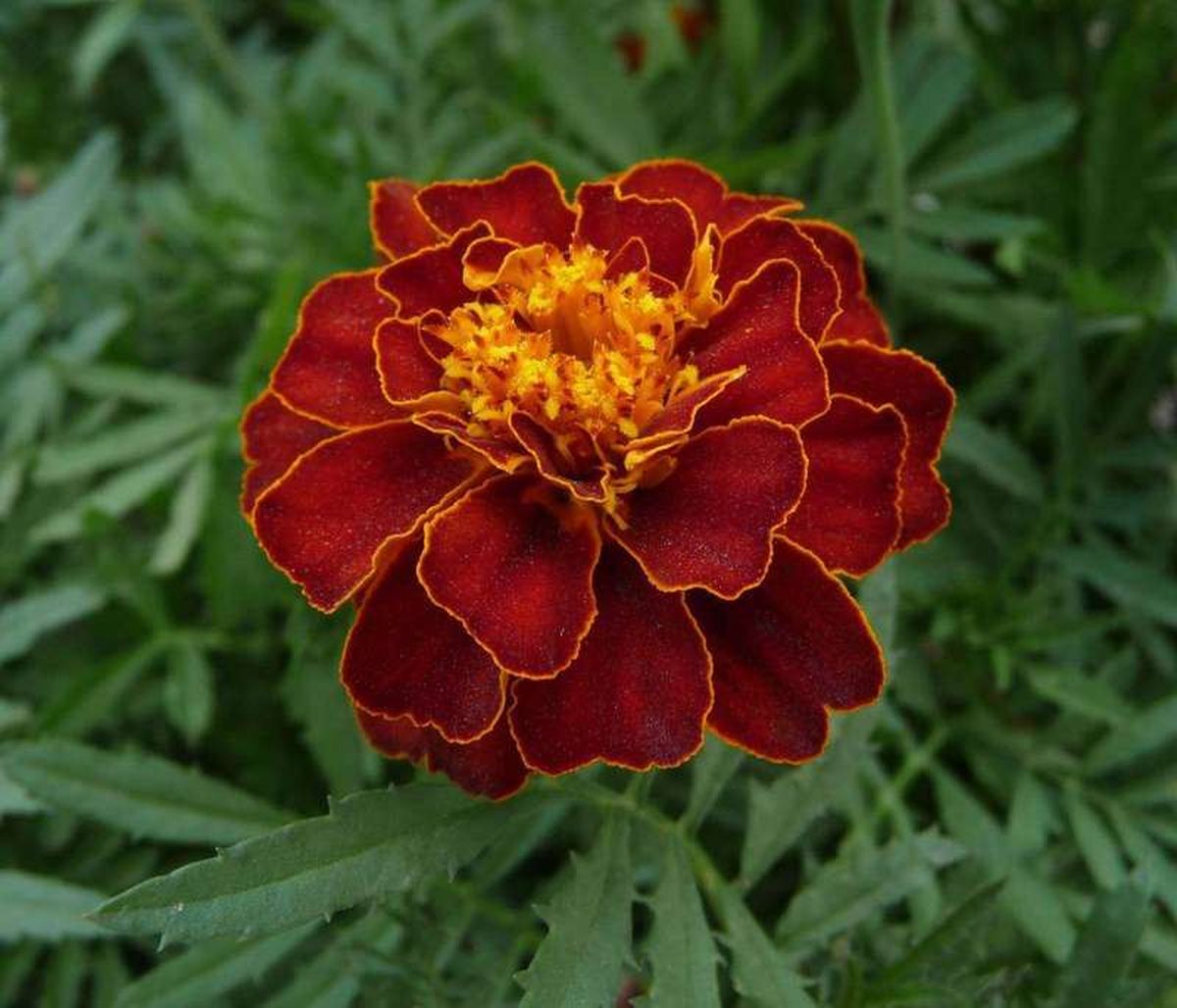
What Is Companion Planting and Does It Work?
Marigolds work as a nematode cover crop, but the basil flavor claim failed repeated tests. An honest evidence review of what companion
Determinate vs. indeterminate tomatoes: growth, pruning, and harvest differences
Determinate tomatoes grow to a set size and ripen all at once, while indeterminate types vine all season. That one difference shapes

How to improve clay soil for gardening
Gypsum will not fix ordinary clay soil, say extension experts. What actually works: 2 to 3 inches of compost, mulch, better drainage,