
Why Do You Burp More After Drinking Soda? Carbonation Explained
Key takeaways
- Soda burps come from carbon dioxide gas dissolved under pressure that escapes as bubbles when the drink warms inside your stomach.
- Gulping, warm soda, and highly carbonated drinks all raise the burp count, and gastroenterologists call fizzy drinks a top cause.
- Sipping slowly, keeping soda cold, and skipping the straw are simple ways to cut down on post-soda belching.
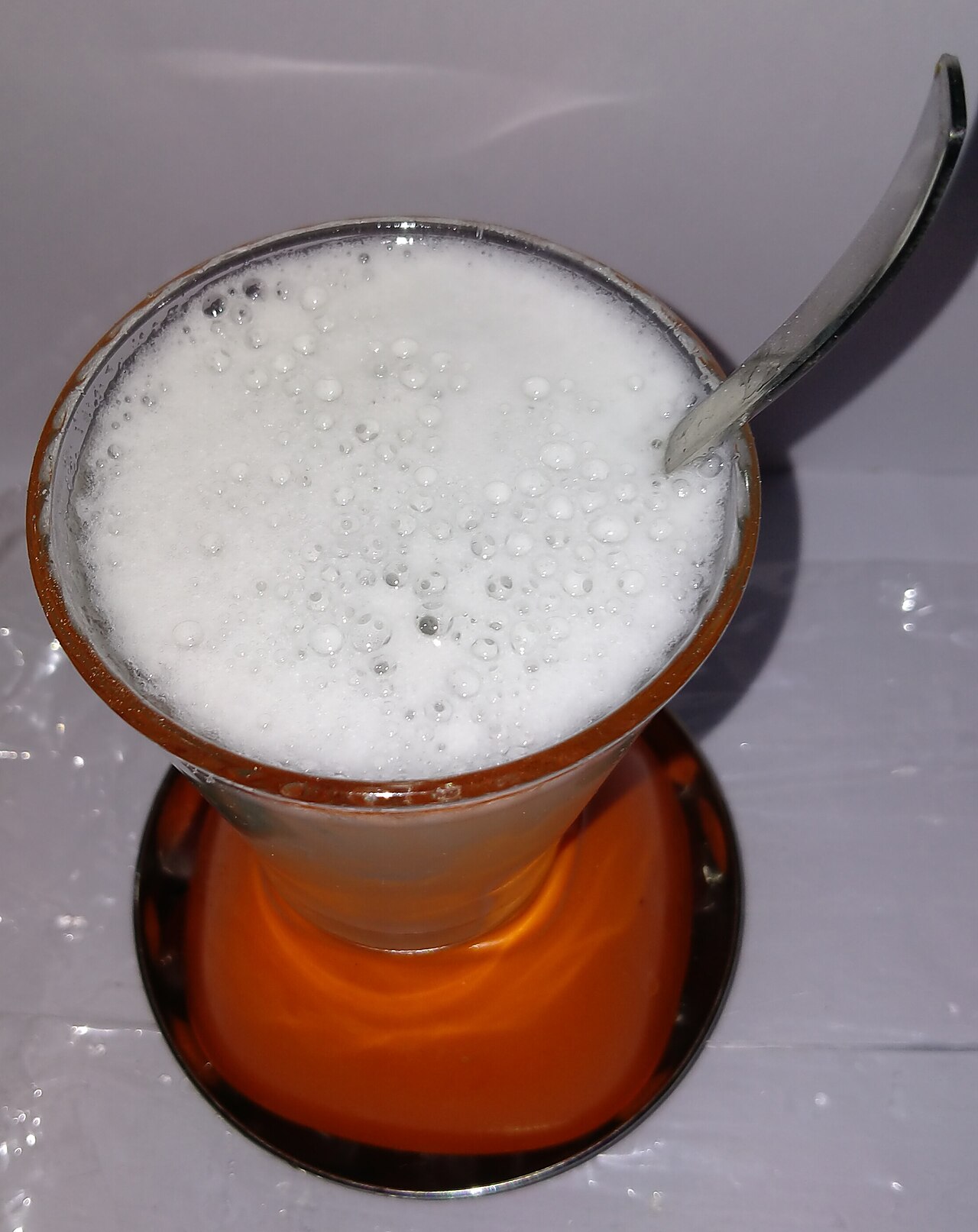
A burp is your body venting extra gas from the upper digestive tract. When the drink is soda, that gas is carbon dioxide that was pumped into the liquid under pressure at the bottling plant. It cannot stay dissolved once the drink warms up inside you, so it escapes as bubbles, collects in the stomach, and rises back up the esophagus.
This article takes a closer look at soda burps, including how carbonation works, why your stomach releases the gas, what gastroenterologists say about frequent burping, and how to burp less after a fizzy drink.
How carbonation packs gas into your drink
Carbonated drinks are made by dissolving carbon dioxide gas into liquid under high pressure. The rule behind it is Henry's law, discovered by the British chemist William Henry in 1803: the amount of gas that dissolves in a liquid rises with the pressure of that gas above the liquid. Bottling plants chill the base liquid, pump in carbon dioxide at high pressure, and seal the container so the gas cannot escape.
Cold liquid matters. Carbon dioxide dissolves better in cold water, which is why factories carbonate chilled liquid and why a warm soda goes flat fast.
Once dissolved, a small share of the CO2 reacts with water to form carbonic acid, which gives soda its tangy bite. Most of it simply stays as dissolved gas waiting for release.
The gas itself is food-grade carbon dioxide, classified by regulators as generally recognized as safe. It is not the carbon dioxide that harms you in a soda.
It is the sugar, the acids, and the habit of drinking soda instead of water that carry the health costs. The gas just wants out.
Why the gas escapes inside your stomach
Inside a sealed can, the dissolved gas sits in equilibrium with the pressurized headspace. Pop the tab and the pressure drops.
Bubbles form, rise, and burst at the surface. That is the hiss you hear.
Your stomach finishes the job. It is warm, around 37 degrees Celsius, and at ordinary atmospheric pressure.
Both conditions push carbon dioxide out of solution, so the bubbles keep forming after you swallow. They collect in the upper stomach until the pressure trips the lower esophageal sphincter, the muscular ring at the bottom of the food pipe, and the gas escapes upward as a burp.
Harvard gastroenterologist Dr Kyle Staller describes belching as a protective mechanism that keeps the stomach from overinflating with swallowed air. He told Harvard Health that there are two kinds: gastric belching, where air leaves the stomach, and supragastric belching, where swallowed air stays in the esophagus and never reaches the stomach. Soda-driven burps are mostly the gastric kind.
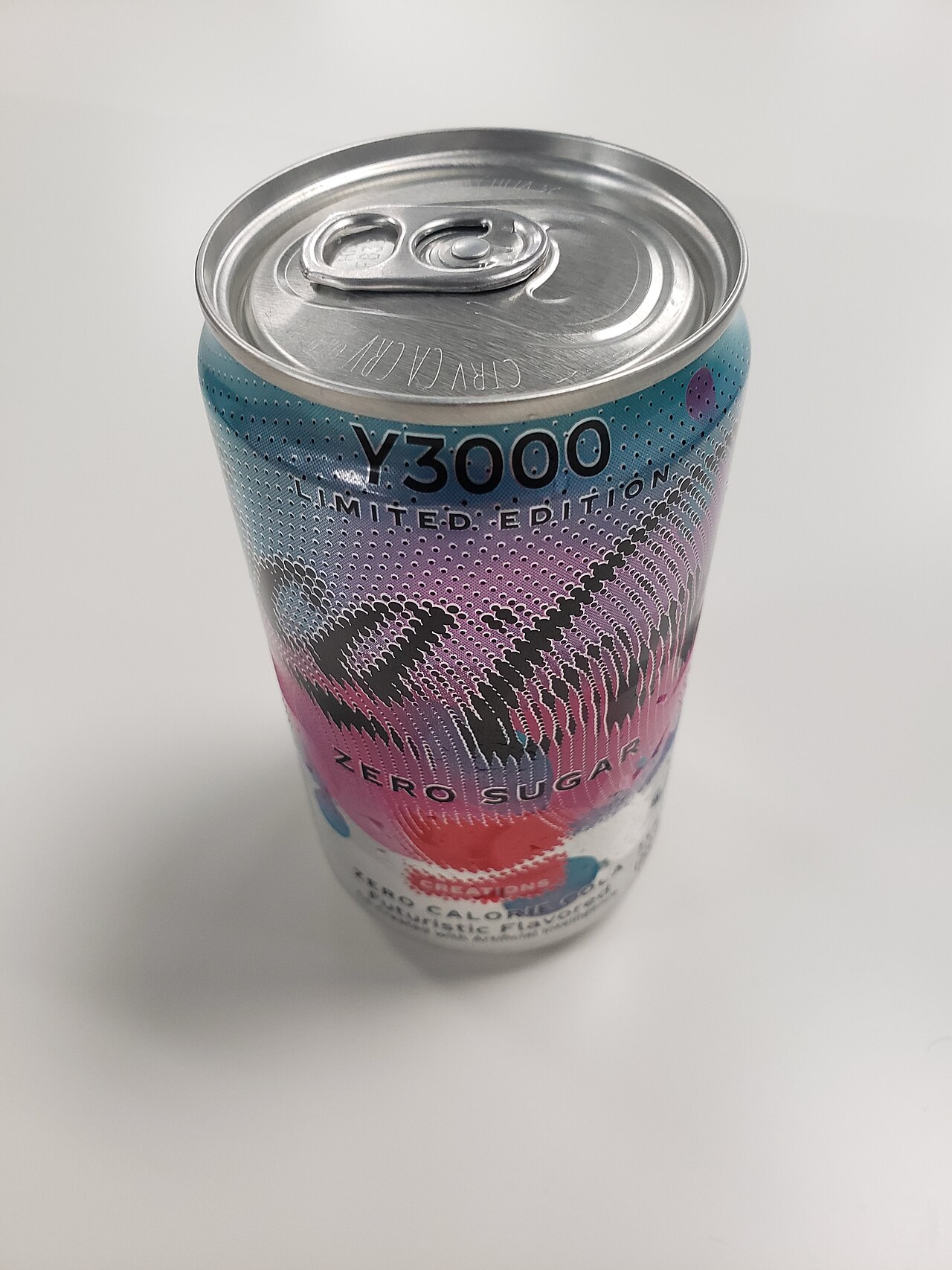
Drinking fast multiplies the effect. Gulping adds swallowed air on top of the drink's own gas, and a straw pipes in extra air with every sip. Cleveland Clinic gastroenterologist Dr Alison Schneider puts it plainly: since air that goes down often comes back up, fast drinking leads to more burping.
What doctors say about frequent burping
Burping after soda is normal. Dr Schneider says burping up to four times after a meal falls within the normal range, and she calls carbonated beverages one of the most common reasons people burp at all. The bubbles are literally made of gas, so a fizzy drink delivers a gas load straight to the stomach.
Excessive burping has other explanations worth knowing. Eating too quickly, chewing gum, smoking, and drinking through straws all raise swallowed air.
In rarer cases, constant belching points to digestive conditions such as gastroesophageal reflux disease or functional dyspepsia, where the stomach lining is sensitive without an obvious cause. Bodily quirks come in many forms: even telling a cramp from a spasm trips people up, so persistent symptoms deserve a proper check rather than guesswork.
There is also a recognized condition for people who cannot burp. Retrograde cricopharyngeus dysfunction, sometimes called no-burp syndrome, happens when a small sphincter muscle at the top of the esophagus fails to relax.
Air accumulates instead, causing bloating, chest pressure, and gurgling sounds. It is the mirror image of the soda problem: gas with no exit.
See a doctor if burping becomes frequent and distressing, or if it arrives with heartburn, sudden weight loss, difficulty swallowing, or blood in the stool. Those combinations deserve evaluation rather than guesswork. This article is for general information only and is not medical advice.
How to burp less after soda
The simplest fix is drinking less soda. If you keep the habit, the mechanics offer a few levers.
Sip slowly instead of gulping, and give the straw a miss. Smaller, slower sips mean less swallowed air riding along with the carbon dioxide.
Temperature helps too. Cold soda holds its carbonation longer, so the gas releases gradually instead of erupting.
A warm can that has been sitting out fizzes harder and can produce a more forceful burp. Pouring soda over ice and drinking it chilled is the gentler option.
Choosing less carbonated drinks is another lever. Sparkling water uses the same dissolved-gas trick as soda, so it will still make you burp.
But lightly carbonated drinks release less gas overall than aggressively fizzy colas. Flat is flat, and flat does not burp.
Finally, watch the clock. Sipping one soda slowly across an hour spreads the gas load. Chugging the same can in two minutes delivers it all at once, and your stomach will return the favor just as fast.
Do sparkling water and seltzer cause as much burping as soda?
Yes. The burp comes from dissolved carbon dioxide, not from sugar or flavoring, so any carbonated drink triggers the same mechanism. Sparkling water is gentler on teeth and waistlines, but it will still make you belch.
Why do I burp more when I drink soda quickly?
Speed adds a second gas source. Gulping pulls extra air into the stomach alongside the drink's carbon dioxide, and straws add more. The combined gas load has to come back up, which is why fast drinkers burp hardest.
Is burping after every soda a sign of illness?
Usually not. Soda is one of the most common and most innocent causes of burping. It becomes worth discussing with a doctor when belching is constant, distressing, or paired with heartburn, trouble swallowing, or unexplained weight loss.
Does cold soda really make you burp less?
It can. Cold liquid keeps carbon dioxide dissolved longer, so the gas escapes more gradually.
Warm soda sheds its gas quickly, which can mean a bigger, faster burp. Keeping the can chilled is a small but real lever.
The bottom line
A soda burp is carbon dioxide leaving your stomach through the only available exit. It is normal, it is harmless in itself, and it is driven by physics: gas dissolved under pressure comes out of solution in a warm stomach. Sip slowly, keep the drink cold, skip the straw, and drink less of it if the burping bothers you.
Latest in Health
- Cramp vs. Spasm: What's the Difference?
- Why Bananas Help Prevent Muscle Cramps
- Night Leg Cramps: Causes, Relief, and Prevention
- Cramp That Won't Go Away: When to Worry
Get one plain-English health explainer in your inbox every week. Subscribe to the Rive News newsletter.
Image Credits: Wikimedia Commons / Manjeshwari poet mysore, BrokenSegue, Webster and Stevens
Related stories
ADHD linked to fourfold dementia risk in Pitt study of 187,000 adults
Adults with ADHD face four times the risk of dementia, a University of Pittsburgh study of 187,000 adults published in JAMA Psychiatry
Why Do Athletes Get Cramps Despite Drinking Water?
Muscle cramps strike even well-hydrated athletes because sweat drains electrolytes that plain water cannot replace. Here is why water alone
Do bananas actually prevent muscle cramps?
A medium banana has 422 mg of potassium, but the evidence says it cannot stop cramps. Here is what the research shows, and what actually