
Canada recalls 12 organic cheeses over listeria risk
Key takeaways
- Canada recalled 12 organic cheese products over possible listeria contamination.
- The brands are Farm Boy, L'Ancêtre, and Life Smart, sold across the country.
- No illnesses have been reported, but shoppers should not eat the recalled cheeses.
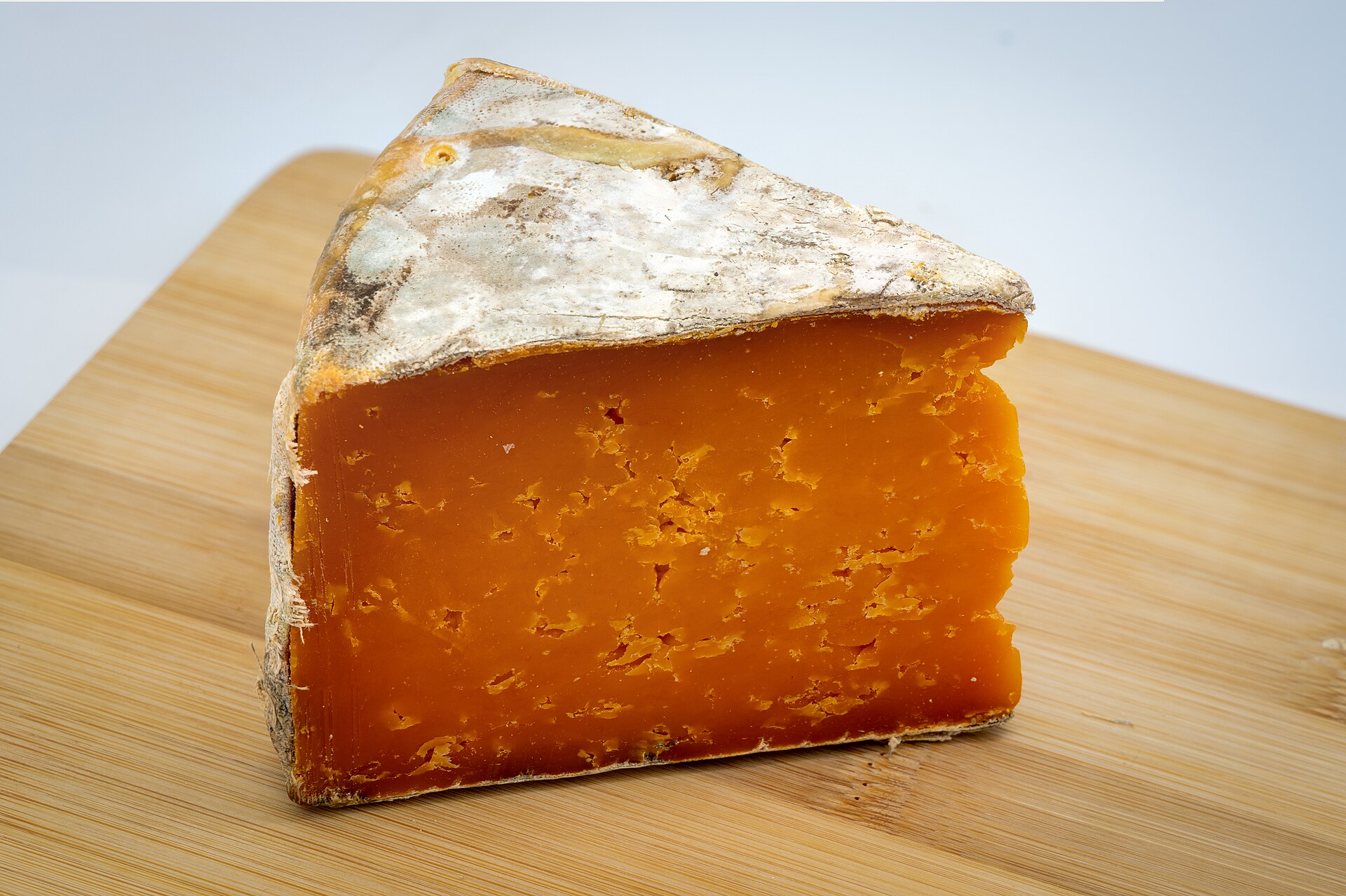
Check your fridge if you live in Canada. Twelve organic cheeses were recalled this week. The recall covers products sold across the whole country.
The Canadian Food Inspection Agency, or CFIA, issued the recall on October 14, 2026. It is a Class 1 recall. That is the most serious class. It means there is a fair chance that eating the food could cause serious harm.
The recall covers cheeses sold under three brands. They are Farm Boy, L'Ancêtre, and Life Smart. The recalling firm is Fromagerie L'Ancêtre Inc.
It is a cheese maker based in Quebec. Its products were sold in stores across Canada.
No illnesses have been reported so far. That news is good. But shoppers should still act fast.
Do not eat the recalled cheese. Throw it out or return it to the store.
This article is for information only and is not medical advice.
What happened
CFIA test results triggered the recall. Lab tests found possible contamination with Listeria monocytogenes. That is a germ that can make people sick.
It is often called listeria for short.
The recall covers 12 products in total. Five are Farm Boy products. Six are L'Ancêtre products.
One is a Life Smart product.
The Farm Boy cheeses are all organic. They include Swiss cheese and four cheddars. The cheddars are medium, old, extra sharp, and three-year-old.
All five have a best-before date of July 30, 2027.
The Life Smart product is organic part-skim mozzarella. It comes in a 200-gram pack. Its best-before date is March 30, 2027.
The L'Ancêtre products include Swiss and cheddar in blocks and shreds. They include shredded old cheddar in 2-kilo bags. They include a shredded mozza-cheddar blend.
They include shredded mozzarella and shredded Swiss. They include shredded medium cheddar. Their best-before dates fall in December 2026, January 2027, and July 2027.
Shoppers should check the full list before they act. The CFIA recall notice lists each product with its UPC code. A UPC is the bar code number on the pack.
It also lists a second code printed on each pack. Match both codes to your pack. Do not rely on the brand name alone.
The CFIA is still running its food safety probe. That probe could add more products to the recall. The agency is also checking that stores pull the recalled cheese from shelves.
Why it matters
Listeria is a tough germ. It can grow in cold food. It can grow in a fridge.
Most germs stop growing in the cold. Listeria does not. That is why it is a risk in cheese, deli meat, and other chilled foods.
Food with listeria may look fine. It may smell fine. It can still make you sick.
That is the key point of this recall. You cannot judge the cheese by its look or smell.
Most healthy adults who get listeria feel mild flu-like signs. They may feel nausea. They may vomit.
They may get a fever. They may get muscle aches. They may get a severe headache.
They may get a stiff neck.
Some groups face higher risk. Pregnant people face higher risk. Older adults face higher risk.
People with weak immune systems face higher risk. The immune system is the body's defense against germs. Some drugs and health conditions weaken it.
For pregnant people, the stakes are high. The infection may cause only mild flu-like signs. But it can lead to early delivery.
It can infect the newborn baby. In the worst cases, it can cause stillbirth. Stillbirth means the baby dies before birth.
In severe cases, listeriosis can be fatal. Listeriosis is the illness caused by listeria. It can cause meningitis.
Meningitis is swelling around the brain and spinal cord. That is why health officials take listeria recalls so seriously.
The recall also shows how food safety tests work. The CFIA tests food on store shelves. It tests food at plants too.
A positive test can trigger a recall before anyone gets sick. That is the best-case path for a recall. It stops the food before it harms people.
The recall hits a popular food at a busy time. Cheese is a daily staple in many homes. Families buy it for school lunches.
They buy it for snacks. They buy it for pasta and pizza. A recall that covers 12 products will touch many fridges.
What happens next
The first step is simple. Check your fridge now. Look for the three brands.
Look for the product names listed above. Check the UPC and the pack code. Check the best-before date.
If you find a match, do not eat it. Do not serve it. Do not sell it.
Do not give it away. Throw it out or return it to the store where you bought it.
If you think you ate a recalled cheese, watch for signs. Signs can show up days after eating. They can also show up weeks later.
If you feel sick, contact a health care provider. Tell them you may have eaten recalled cheese. That detail helps them test and treat you fast.
If you have questions about the recall, you can contact the CFIA. The CFIA phone line is 1-613-773-2342. You can also contact Fromagerie L'Ancêtre at [email protected].
Stores must also act. They must pull the recalled products from shelves. The CFIA is checking that stores do this.
Shoppers who see a recalled product still on sale should tell store staff.
The CFIA probe will keep going. More products could join the recall. The agency will post updates on its recall page.
Shoppers should check for updates before they buy organic cheese in the next few weeks.
For context on recalls, see our earlier coverage. We covered the Costco turkey gravy recall. We also covered the acetaminophen tablet recall.
Recalls are a normal part of food and drug safety. They show the system catching a risk early.
The bottom line is clear. The risk is real but the fix is easy. Check the codes.
Toss the cheese. Stay safe.
Twelve products, one germ, one simple step. Check your fridge today.
Related stories

ADHD linked to fourfold dementia risk in Pitt study of 187,000 adults
Adults with ADHD face four times the risk of dementia, a University of Pittsburgh study of 187,000 adults published in JAMA Psychiatry

Why Do Athletes Get Cramps Despite Drinking Water?
Muscle cramps strike even well-hydrated athletes because sweat drains electrolytes that plain water cannot replace. Here is why water alone

Do bananas actually prevent muscle cramps?
A medium banana has 422 mg of potassium, but the evidence says it cannot stop cramps. Here is what the research shows, and what actually