
What is a charley horse, and why is it called that?
Key takeaways
- A charley horse is a painful, involuntary cramp, most often in the thigh or leg muscles.
- The term comes from 1880s baseball slang, first recorded between 1885 and 1890.
- Nobody knows the true origin. Four competing theories survive, and dictionaries call it disputed.
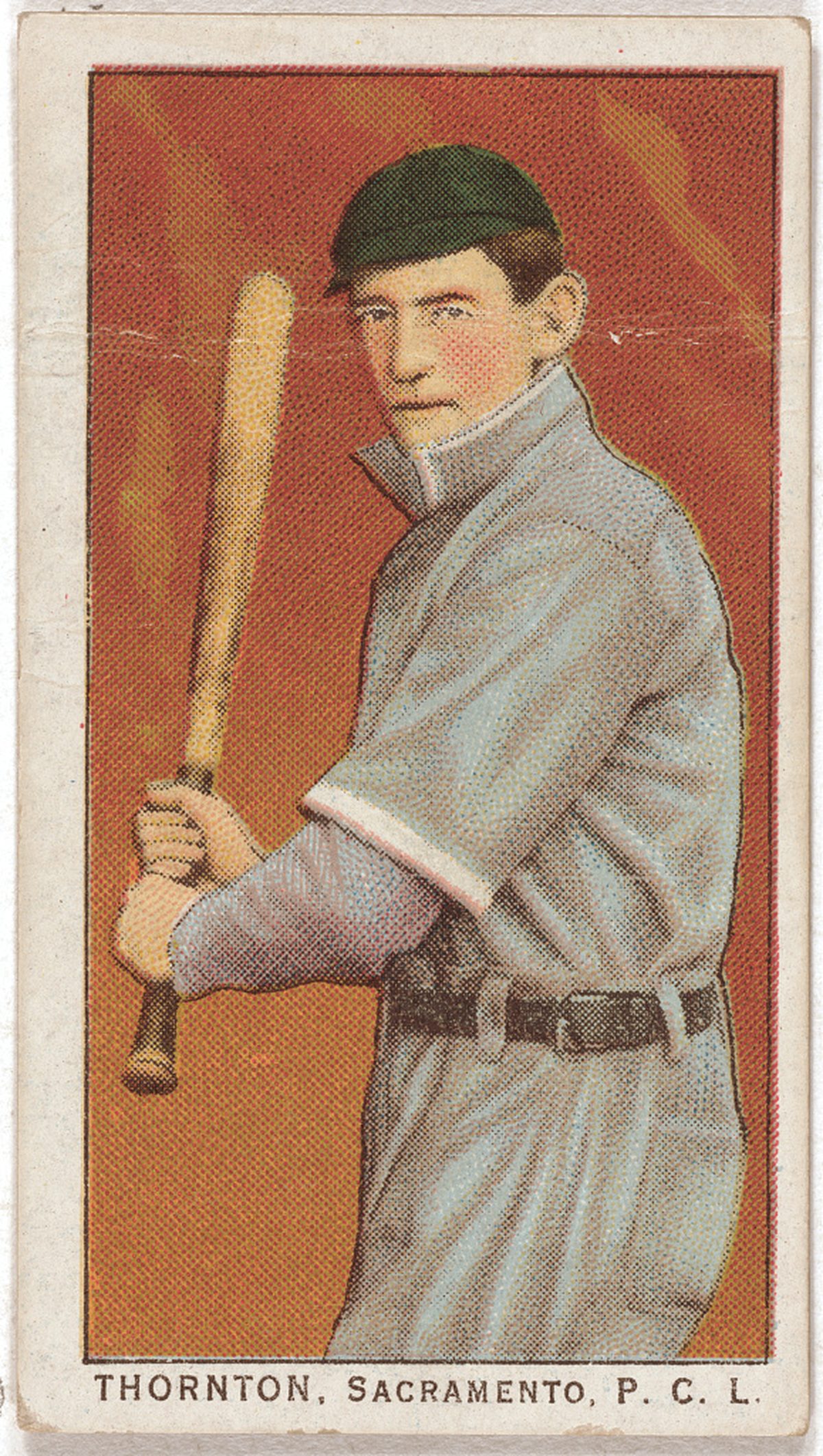
A charley horse is a sudden, painful cramp in a muscle, usually in the leg. Dictionary.com defines it as a painful, involuntary cramp of an arm or leg muscle resulting from excessive muscular strain or a blow, and notes it can last anywhere from a few seconds to more than a day.
But the strange part is the name. There is no Charley involved in the cramp itself, and no horse either.
The honest answer to "why is it called that" is that nobody knows for certain. What we do know is where and when the phrase appeared: among baseball players in the 1880s.
One dictionary dates its first recorded use to 1885-1890 and labels it "originally baseball slang." Collins calls its origin "ballplayers' slang, c. 1888" and adds that the true source is uncertain.
This article explains what a charley horse is, walks through the four main theories of the name's origin, and explains why the mystery has survived for 140 years.
This article is for information only and is not medical advice.
What a charley horse actually is
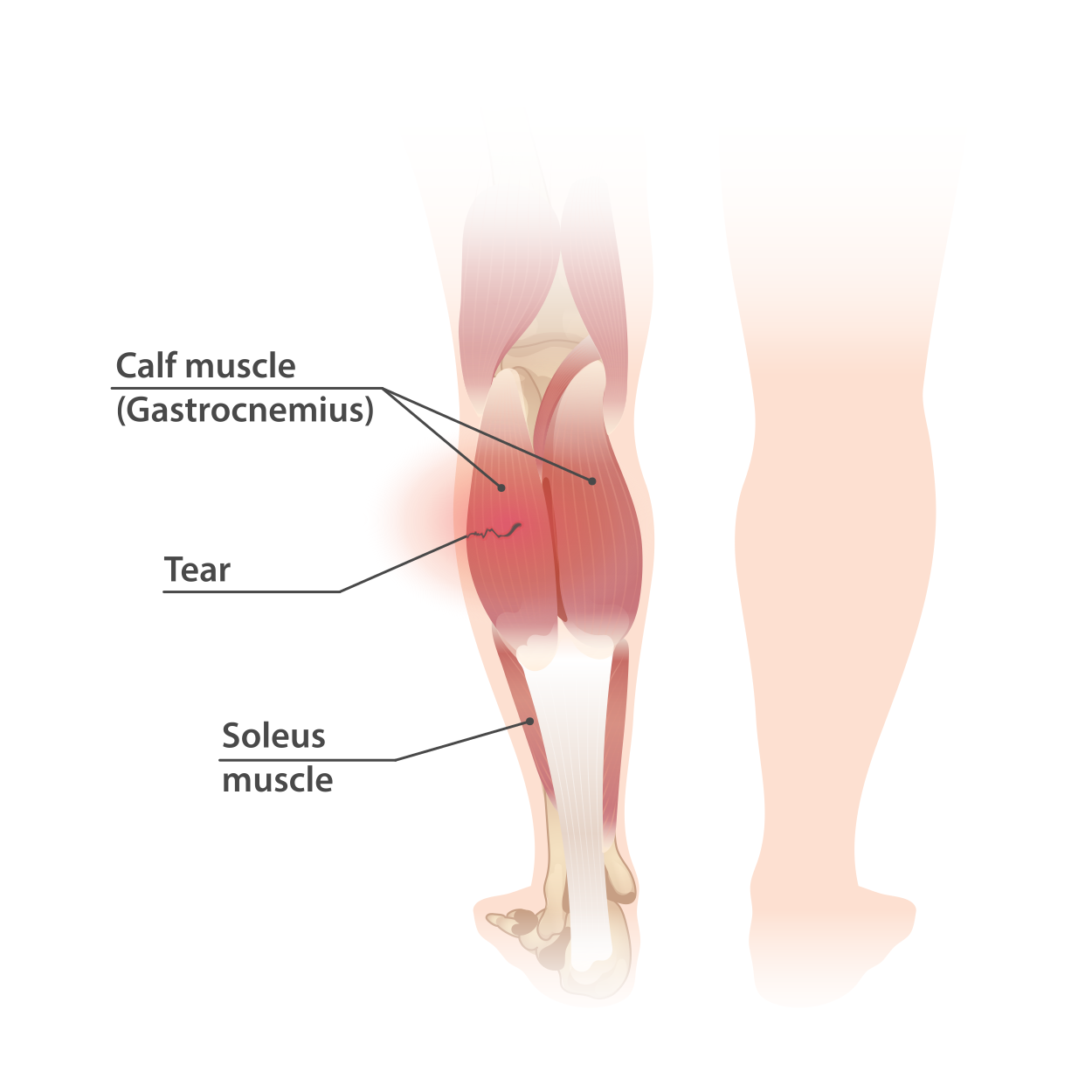
Strip away the folklore and a charley horse is a muscle cramp by another name. It is an involuntary contraction, most often in the thigh, though the calf and even the arm can be affected.
Dictionary.com's usage note describes it as an involuntary muscle spasm or cramp, usually occurring in the larger muscles of the limbs, and adds that it can really hurt.
In sports, the term sometimes carries a narrower meaning. It can refer to a bruise on the thigh muscle from a direct blow, the kind of injury football players call a dead leg. But in everyday speech, a charley horse is simply a cramp: sudden, sharp, and usually gone within minutes, though soreness can linger for up to a day.
The modern view is reassuring. Mental Floss cites Healthline's guidance that charley horses are generally treatable at home by stretching, massaging, or icing the affected area. The contrast with the 1880s is striking: back then, newspapers treated the charley horse as a mysterious new ailment that could sideline a player for a whole season.
The baseball connection
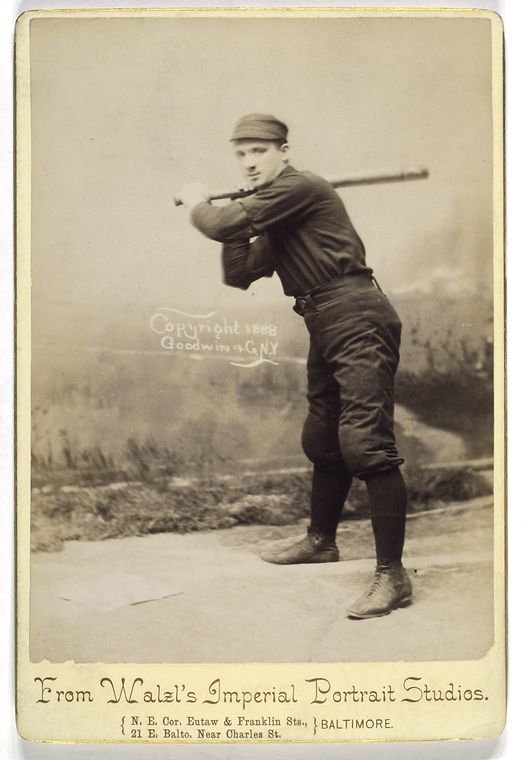
The one fact every source agrees on is the setting. The phrase emerged from baseball in the 1880s, when the sport was becoming America's national pastime and newspaper sports sections were inventing a colorful new slang. Mental Floss reports that by January 1887, the term was already well-known to baseball players, even though the average person found it as enigmatic as "an Egyptian hieroglyphic," as the Democrat and Chronicle put it at the time.
That same year, the Oakland Daily Evening Tribune observed that nearly every sporting journal gave a different version of how the term originated in baseball circles. The disagreement started early and never stopped. Four theories have survived into the modern reference books, and each has a named source behind it.
The four theories of the name
The most detailed story centers on a player named John Wesley "Jack" Glasscock, a shortstop playing for Indianapolis in the 1880s. Mental Floss recounts the tale as reported in 1887 newspapers: Glasscock had strained a tendon in his thigh during a game and went home to his farm, where his father looked after a lame old horse called a "Charley horse."
When the senior Glasscock saw his son limping, he reportedly asked why the boy was moving just like the old Charley horse. Glasscock supposedly shared the line with his teammates, and it spread.
A similar version appeared in an 1886 West Virginia newspaper, the Wheeling Daily Intelligencer, which credited Glasscock with coining the term because limping players reminded him of an old horse he had once owned named Charley.
A second theory skips the live animal. Some 1880s reports said the phrase had nothing to do with a real horse, and everything to do with how an injured player looked while running: like a rocking horse, or a child riding astride a wooden hobby horse. The stiff-legged gait of a cramping player, in other words, resembled the motion of a toy.
A third version comes from Paul Dickson's Baseball Dictionary, as summarized by Mental Floss. In two variants of the same basic tale, players from the Orioles or the Chicago Cubs went to the races and bet on a horse named Charlie, which pulled up lame in the final stretch.
The next day, when a player pulled a tendon in his leg, teammates said he resembled "our old Charlie horse."
The fourth theory involves the workhorses that maintained the fields. Tim Considine wrote in his 1982 book The Language of Sport that in the 1800s, old workhorses kept on ballpark grounds were often called Charley, and one of their jobs was pulling a roller across the infield.
The labored plodding of an injured, stiff-legged ballplayer was likened to those old horses, and the injury itself became known as a "charley" or "charley horse."
Dictionary.com hedges across the theories, saying the origin is disputed but the likeliest explanations involve either a horse or an afflicted player who limped like one of the elderly draft horses formerly used to drag the infield. Collins is blunter: probably "with reference to a lame racehorse," origin uncertain.
Why the mystery survived
There is a reason 140 years of research has not settled it. The phrase was slang before it was ever written down carefully, and slang spreads by word of mouth, not by citation. By the time newspapers tried to pin down the origin in 1887, several versions were already circulating, each attached to a different player.
The term also changed meaning as it traveled. Mental Floss notes that the charley horse originally implied a much more serious injury than today's cramp. The Democrat and Chronicle described it as a "giving way of one of the small tendons of the leg" and warned a player might need an entire season to recover.
An 1887 article fretted that ballplayer George Van Haltren's relatives worried he would catch the charley horse, "although they do not know what that is." The word outlived the fear, but the original coinage stayed murky.
Modern dictionaries have simply recorded the uncertainty. That is the responsible move: when four plausible stories exist and the earliest sources contradict each other, the truthful answer is that the origin is disputed.
For the cramp itself, the picture is clearer than the etymology. If you get leg cramps at night, the causes and relief measures are well documented, and older adults who get more leg cramps have their own set of explanations. Athletes dealing with the sports side can read why muscles cramp during marathons.
Is a charley horse the same as a regular cramp?
Essentially, yes. A charley horse is the colloquial American term for a painful, involuntary muscle cramp, most often in the thigh or leg. In contact sports it can also mean a bruised thigh muscle from a direct hit.
Who was Charley?
Nobody knows. The leading theory names a lame old farm horse owned by the family of 1880s shortstop Jack Glasscock. Competing theories point to a racehorse named Charlie, to ballpark workhorses collectively called Charley, or to no real horse at all.
When was the term first used?
Dictionary.com dates the first recorded use to 1885-1890, and Collins gives circa 1888. Both agree it began as baseball slang before spreading into general use.
Why do dictionaries say the origin is disputed?
Because the earliest newspaper accounts from 1887 already offered conflicting stories, each naming a different player or horse. With slang that spread by word of mouth, there is no paper trail to settle it.
Outlook
A charley horse is a cramp with a baseball nickname and a 140-year-old mystery attached. The name almost certainly came from a limping player being compared to a lame horse named Charley, but which horse, which player, and which decade will probably never be pinned down.
The cramp itself is ordinary and usually harmless, treatable at home with stretching, massage, or ice. It is a good idea to see a doctor if cramps are severe, happen very often, or come with swelling, weakness, or numbness that does not fade.
Related stories

ADHD linked to fourfold dementia risk in Pitt study of 187,000 adults
Adults with ADHD face four times the risk of dementia, a University of Pittsburgh study of 187,000 adults published in JAMA Psychiatry

Why Do Athletes Get Cramps Despite Drinking Water?
Muscle cramps strike even well-hydrated athletes because sweat drains electrolytes that plain water cannot replace. Here is why water alone

Do bananas actually prevent muscle cramps?
A medium banana has 422 mg of potassium, but the evidence says it cannot stop cramps. Here is what the research shows, and what actually