
New lung cancer drug combo cuts death risk by 58 percent in trial
Web StoryWatch this story in 15 seconds →Key takeaways
- A two-drug combination cut the risk of death by 58% for people with extensive-stage small cell lung cancer.
- Patients on the combination lived a median of 21.1 months, compared with 12.7 months on one drug alone.
- The results were shared in Madrid on October 24, 2026, and published in The New England Journal of Medicine.
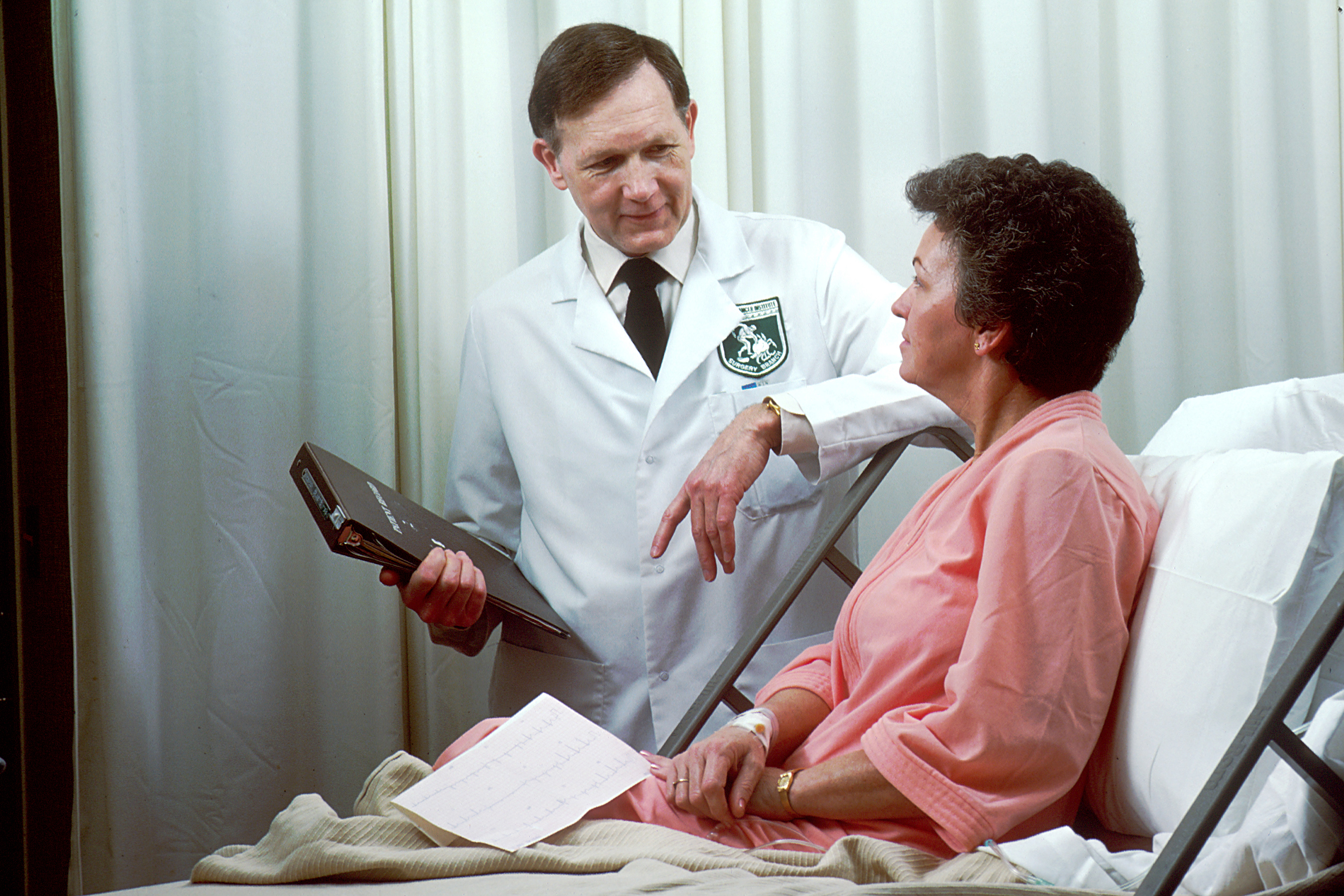
A new two-drug treatment cut the risk of death by 58% for people with aggressive lung cancer. The result comes from a large Phase III trial called DeLLphi-305. Patients who received both drugs lived a median of 21.1 months, compared with 12.7 months for patients who received one drug alone.
The trial tested the combination as maintenance treatment for extensive-stage small cell lung cancer. That is a fast-growing form of lung cancer that has already spread widely when it is found. Doctors shared the results on October 24, 2026, at the European Society for Medical Oncology Congress in Madrid.
What happened
The trial enrolled 563 patients with extensive-stage small cell lung cancer. None of them had seen their cancer grow after first treatment with durvalumab, platinum chemotherapy, and etoposide. After that first treatment, 282 patients received two drugs together, and 281 received durvalumab alone.
The two drugs were durvalumab, sold as Imfinzi, and tarlatamab, sold as Imdelltra. After about 16 months of follow-up, the risk of death was 58% lower in the combination group. About 79% of patients on the combination were alive after one year, compared with 53% on durvalumab alone.
The combination also slowed the cancer down. The risk of the cancer growing or the patient dying fell by 66%. Median time without growth was 7.4 months with the combination, compared with 1.9 months with durvalumab alone.
Tumors shrank in more patients on the combination. The response rate was 26.4%, compared with 4.1% on durvalumab alone. Responses lasted a median of 12.7 months with the combination, compared with 5.6 months alone.
The benefit held across patient groups. That included patients whose cancer had spread to the brain or liver. Those groups often face worse outcomes, according to Amgen.
Why it matters
Small cell lung cancer is one of the most aggressive forms of lung cancer. It accounts for about 13% to 15% of lung cancer cases worldwide.
More than 2.6 million cases are found each year. About two in three patients learn they have it only after it has spread widely.
Outcomes have been poor for this group. Median survival from the start of first maintenance treatment has been about one year. Only about 40% of patients go on to receive a second line of treatment.
The new result matters because the gain is large. Median survival rose by more than eight months. The one-year survival rate rose from 53% to 79%.
The two drugs work in different ways. Durvalumab blocks a protein called PD-L1, which helps the immune system see cancer cells.
Tarlatamab is a T-cell engager. It links T cells to a protein called DLL3 on small cell lung cancer cells.
T cells are immune cells that can kill cancer cells. DLL3 sits on the surface of most small cell lung cancer cells but is rare on healthy cells. That contrast is why researchers chose DLL3 as a target.
Jacob Sands, the international coordinating investigator for the trial, praised the result. He works at the Dana-Farber Cancer Institute. He said the magnitude and consistency of the benefit were striking.
Side effects were more common with the combination. Severe treatment-related side effects occurred in 20.9% of combination patients, compared with 10.8% of patients on durvalumab alone. There were no treatment-related deaths, according to AstraZeneca.
About half of the patients who received tarlatamab had cytokine release syndrome. That is an immune reaction that can cause fever and low blood pressure. Most cases were mild, and only one case was severe.
Lung cancer often causes a cough, shortness of breath, or chest pain. A cough that does not go away is one reason to see a doctor.
Surgery can help early lung cancer, as in lung cancer surgery cases. Most extensive-stage patients need drug treatment instead.
What happens next
The results were presented at a Presidential Symposium session in Madrid. They were published at the same time in The New England Journal of Medicine. Amgen said it is moving with urgency to share the results with regulators around the world.
Regulators decide whether a new treatment can be sold in each country. That review takes time, so the combination still needs approval for this earlier use. Patients should not expect it as a standard option until that review is done.
Longer follow-up from earlier trials also looked strong. In the DeLLphi-303 trial, median survival passed 37 months. Patients there received tarlatamab plus standard immune therapy.
In the DeLLphi-304 trial, patients had already received treatment. They lived about five months longer on tarlatamab than on chemotherapy.
Doctors and regulators will now study the full data. Patients and families should ask their own care team what these results mean for them. The next updates may come from regulator reviews and longer follow-up of the trial.
This article is for information only and is not medical advice.
Related stories
ADHD linked to fourfold dementia risk in Pitt study of 187,000 adults
Adults with ADHD face four times the risk of dementia, a University of Pittsburgh study of 187,000 adults published in JAMA Psychiatry

Why Do Athletes Get Cramps Despite Drinking Water?
Muscle cramps strike even well-hydrated athletes because sweat drains electrolytes that plain water cannot replace. Here is why water alone

Do bananas actually prevent muscle cramps?
A medium banana has 422 mg of potassium, but the evidence says it cannot stop cramps. Here is what the research shows, and what actually