
Why children lie and how parents should respond calmly
By Rive News / Research desk | Rive News / Published October 25, 2026 at 9:00 AM PKT
Key takeaways
- Most childhood lies are developmental, driven by growing imagination, self-control, and awareness that other people hold different knowledge.
- Fear of punishment is a leading trigger, so a calm response usually teaches more than an angry confrontation.
- The fix is a skill, not a lecture: name the truth, solve the original problem, and praise honesty when it appears.
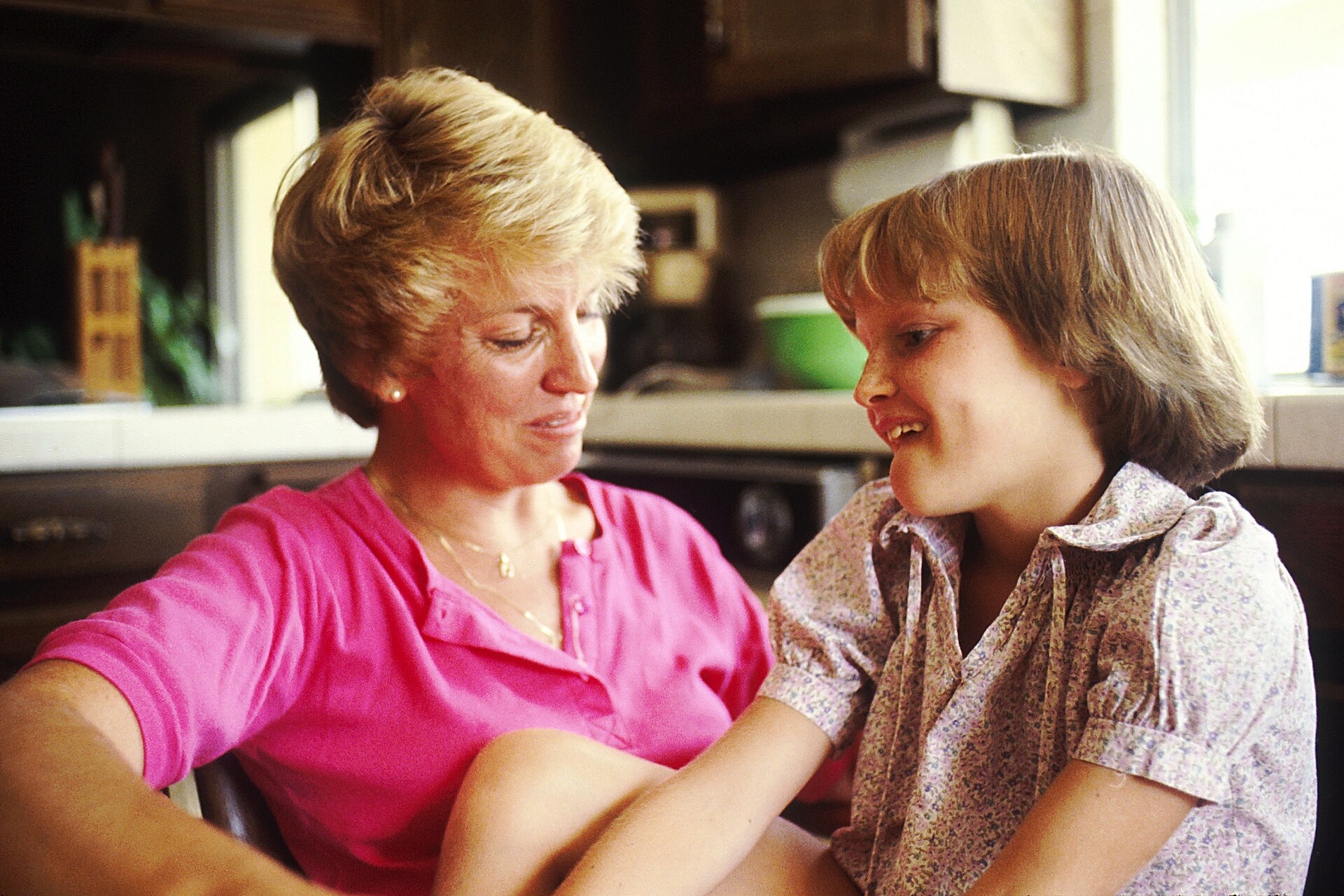
[A mother and daughter talk together at home. Photograph: Wikimedia Commons contributor]
Image Credits: Wikimedia Commons
A lie from a child is a statement the child knows does not match reality. It can be small, like denying a spilled drink, or bigger, like inventing a story about school. The word covers many different acts, and the right response depends on which one a parent is facing.
Children usually start experimenting with lies around ages 3 to 4, according to research published in Child Development and reported by IOL. At that age, lying shows that imagination, self-control, and social awareness are growing. This article explains why children lie, how the reasons change with age, and what parents can say and do instead of relying on punishment alone.
Why lying is part of development
A child cannot lie until the child understands that other people do not know everything the child knows. Psychologists call this theory of mind. Once a child grasps it, the child realises a false statement can change what another person believes.
That skill grows alongside executive function, which covers self-control and holding information in mind. A 2022 review by Victoria Talwar and Angela Crossman, cited in reporting on childhood lying, found that lying is shaped by cognitive development and by the social environment around the child. Parents, siblings, and teachers all influence how a child understands honesty, through direct teaching and everyday behaviour.
Younger children also blur fantasy and reality in play. A four-year-old who insists an invisible friend broke a toy may be testing the boundary between imagination and fact.
That is different from a ten-year-old who hides a bad grade on purpose. Treating both the same way misses the point.
Research by Victoria Talwar and Kang Lee found that many children as young as three could deny a wrongdoing, while older children were better at keeping a lie consistent. The pattern suggests lying is a cognitive skill that matures, not a fixed character trait. A child who lies is often practising a skill badly, not revealing a permanent flaw.
The most common reasons children lie
Fear of punishment sits near the top of the list. If telling the truth has previously led to shouting, a harsh penalty, or visible disappointment, a child may choose the option that feels safer. Dorothy Corkille Briggs, author of Your Child's Self-Esteem, wrote that harsh reprisals often teach children to lie rather than encouraging honesty, a point echoed by Nationwide Children's Hospital in 2022 reporting.
Children also lie to protect feelings, their own or someone else's. A child may praise a gift they dislike, or cover for a friend, because they have learned that blunt truth can hurt.
As empathy grows, so does this kind of social lie. It is not the same as lying to escape trouble, and it calls for a different conversation.
Some lies chase status or attention. A child who feels insecure may claim ten goals at football practice, or invent a dramatic story, to feel valued.
Others lie out of habit, because a false answer once avoided a chore, a homework task, or an awkward question. When a lie works, children repeat it, as Talwar has noted in her research on the subject.
Adults also model dishonesty more often than they admit. Children watch parents tell white lies to avoid awkward moments, break promises, or exaggerate stories.
Sharon Selby, a parenting writer, lists these everyday examples and notes that children learn from them. A household that prizes honesty has to practise it in small moments, not only demand it from children.

[A mother and daughter spend time together outdoors. Photograph: Wikimedia Commons contributor]
Image Credits: Wikimedia Commons
How the reasons change with age
For children under about seven, lies often come from imagination, boundary testing, or a weak grip on what happened. Ynetnews reporting on parenting experts draws a line near age seven, noting that younger children may not fully separate fantasy from fact. Their lies tend to be easy to spot and inconsistent.
Older children lie for more practical reasons. They understand the difference between truth and falsehood, and they weigh consequences.
A twelve-year-old may lie to protect privacy, to fit in with friends, or to avoid a punishment they can now predict. Social standing starts to matter, and so does independence.
Teenagers add another layer. They may lie to assert control over their own lives, to manage friendships, or to hide struggles with school, anxiety, or low mood.
A teenager who says "I'm fine" while sleeping badly may be avoiding attention rather than deceiving for gain. That kind of lie is a signal to listen, not only to correct.
The Child Mind Institute, cited by IOL, lists boundary testing, self-esteem, and emotion management among the common reasons children lie. Those three cover most cases, but the balance shifts as a child grows. A response that works for a five-year-old will sound patronising to a fourteen-year-old.
What to say instead of punishing first
Start by separating the lie from the original act. A child who broke a vase and then denied it has done two things, and both need attention.
Deal with the vase first, calmly, and then return to honesty. Conflating the two teaches the child that truth-telling brings double trouble.
Offer a quiet way back to the truth. Solutions for Resilience, a parenting resource, suggests language like: "I imagine you're not feeling safe to tell the truth.
Let's talk about it." A second chance to correct the story, without an audience, often works better than a direct accusation. Some children correct themselves minutes later once the pressure drops.
Name the behaviour, not the child. Calling a child "a liar" sticks as an identity, and children tend to live up to labels.
Saying "that wasn't true, and I need the true version" keeps the focus on one act. It also leaves room for the child to do better next time.
Make honesty the easier path in practice. If a child admits a mistake and still receives the full punishment, the lesson is that honesty costs more.
Reduce the penalty when a child tells the truth voluntarily, and say so plainly. Then solve the original problem together, whether that means cleaning up, apologising, or redoing homework.
Praise honesty when it happens, especially when it is costly. A child who admits breaking something deserves recognition for the admission before any discussion of consequences. That reinforcement, repeated over time, builds a habit in the opposite direction from punishment-driven lying.
When lying needs a closer look
Most lying is ordinary and fades as self-control and moral understanding grow. A pattern deserves closer attention when it is frequent, covers many situations, and continues despite calm, consistent responses. Persistent lying can point to anxiety, a need for more safety at home, or trouble at school that the child is hiding.
Watch for lies paired with other changes, such as withdrawn behaviour, falling grades, or sudden secrecy about friends and devices. Those combinations are worth a conversation with a teacher or a clinician, not a punishment escalation. The goal is to find what the child is avoiding, because the lie is often a symptom rather than the whole problem.
Parents should also check their own role honestly. Mixed messages, harsh discipline, and exposure to adult lying all raise the odds of deception, according to the Talwar and Crossman review. Changing the household climate is slower than imposing a penalty, but it addresses the cause rather than one incident.
[A mother and daughter talk during a shared activity. Photograph: Wikimedia Commons contributor]
Image Credits: Wikimedia Commons
Frequently asked questions
Why do children start lying at age 3 or 4?
Children start experimenting with lies around ages 3 to 4 because theory of mind, imagination, and self-control are developing at that stage. They are learning that other people hold different knowledge, and that a false statement can change what someone believes.
Should parents punish a child for lying?
Punishment alone often backfires, because fear of punishment is itself a leading reason children lie. A calm response that separates the lie from the original act, plus a reduced penalty for voluntary honesty, teaches more than anger.
What should you say when you catch a child lying?
Offer a quiet way back to the truth, such as asking what really happened without an accusation. Name the act, not the child, and praise honesty when it appears, especially when telling the truth was hard.
Is lying in teenagers different from lying in young children?
Yes. Young children often blur fantasy and reality, while teenagers usually lie deliberately for privacy, independence, or social reasons. Teenage lies about feelings or school may signal anxiety or trouble that deserves listening rather than only correction.
The bottom line
Children lie because their minds are developing, because they fear trouble, and because they copy the adults around them. The response that works best is calm, specific, and split into two parts: fix the original problem, then teach the honesty skill. Over time, that approach gives a child fewer reasons to lie and more practice telling the truth.
Topics: parenting, child development, honesty
Rive News's research desk covers everyday science, family life, money, and technology in plain language, with sources cited for key claims.
Related
- Why Do Kids Start Lying? Ages, Reasons, and What Research Shows
- What to Do When Your Child Lies About Small Things
- Time Out vs Time In: What Each Does and When to Use Them
- How to Handle Sibling Rivalry Without Taking Sides
Subscribe for one plain-language explainer each morning.
Rive News follows a corrections policy: errors are corrected promptly and noted on the article.
Related stories
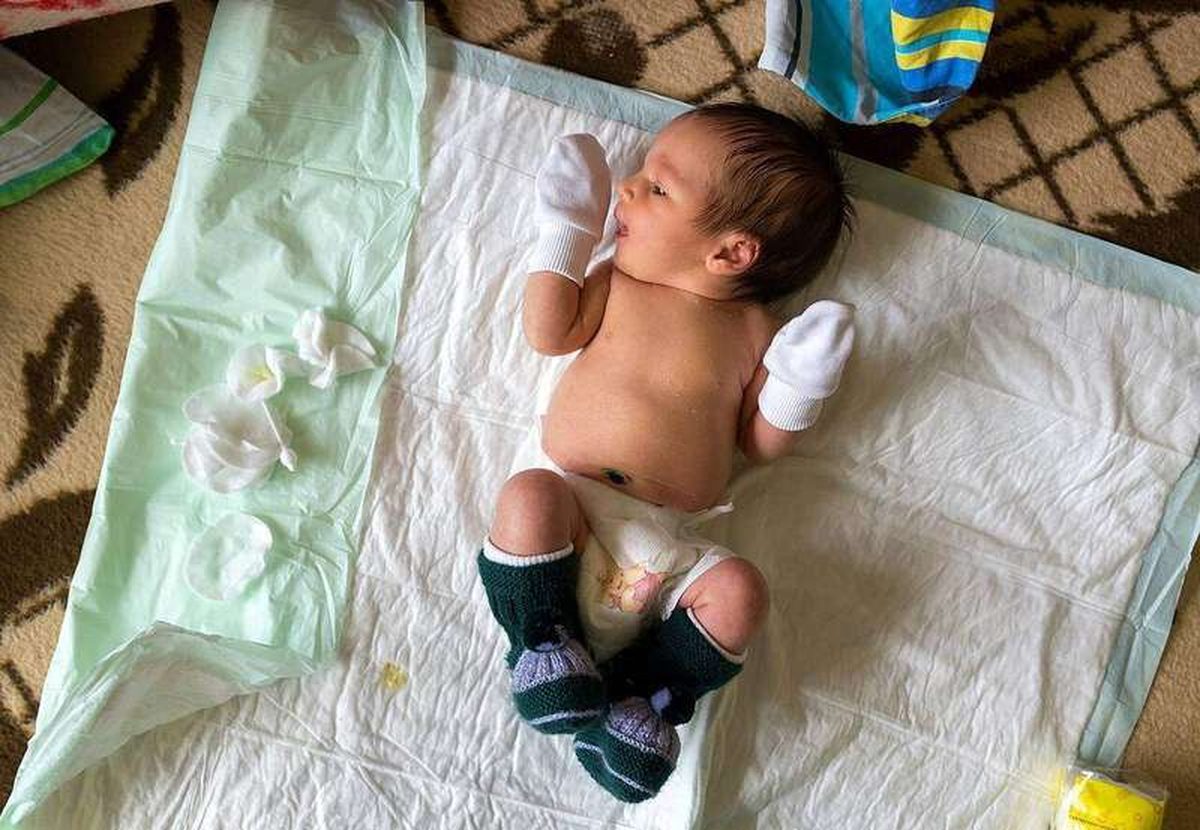
Why babies cry more in the evening: the witching hour explained
The witching hour is the fussy evening stretch most newborns hit daily. Why overtiredness, cluster feeding, and overstimulation stack up
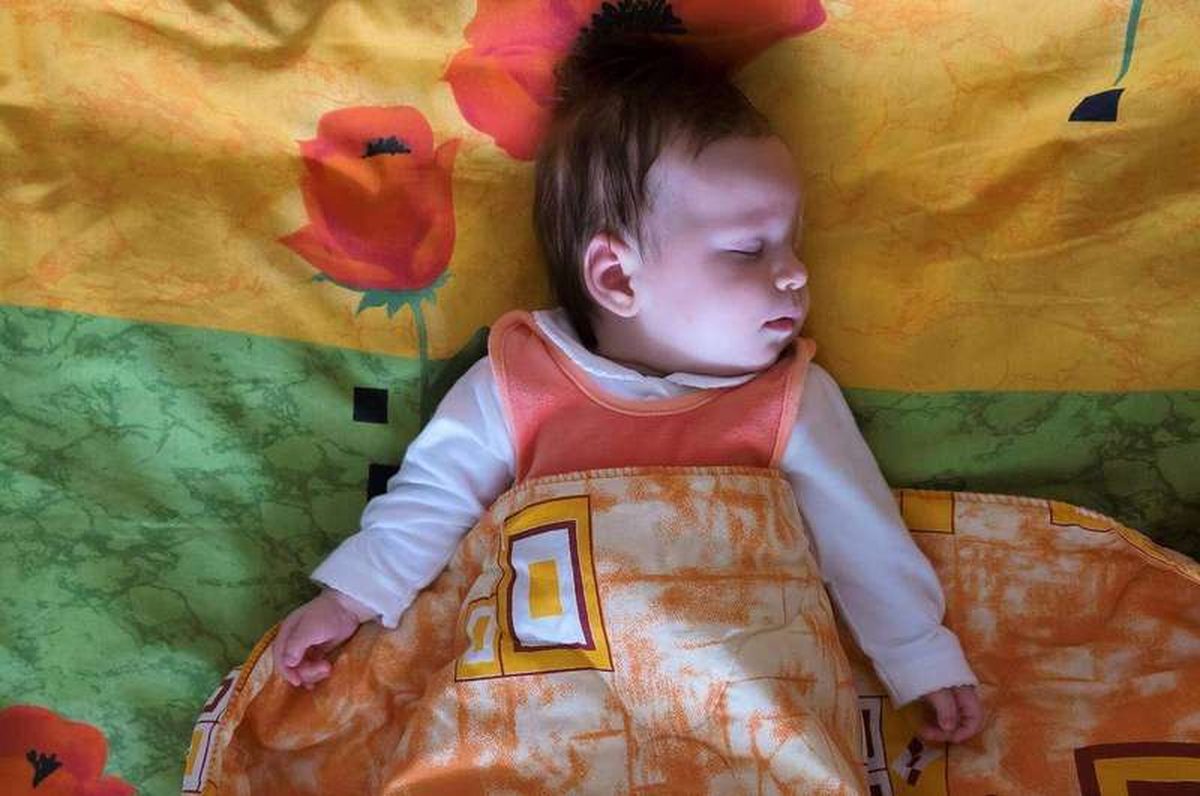
When Do Babies Start Sleeping Through the Night by Month?
Most babies sleep through the night between 3 and 6 months, with regressions at 4 and 8 to 10 months. See the month-by-month table

Why Your Baby Wakes Up the Second You Put Them Down
Newborns wake when put down as the startle reflex, light sleep, and lost warmth hit at once. It is normal and peaks early, fading