
How to Handle Sibling Rivalry Without Taking Sides
Key takeaways
- Staying neutral means judging the process, not the children: each child speaks, each child is heard, and the fix belongs to both.
- Step in fast when anyone is hurt, frightened, or unsafe, and separate the children before you coach them.
- Fair does not mean identical: each child gets what they need, and parents explain the reason in plain words.
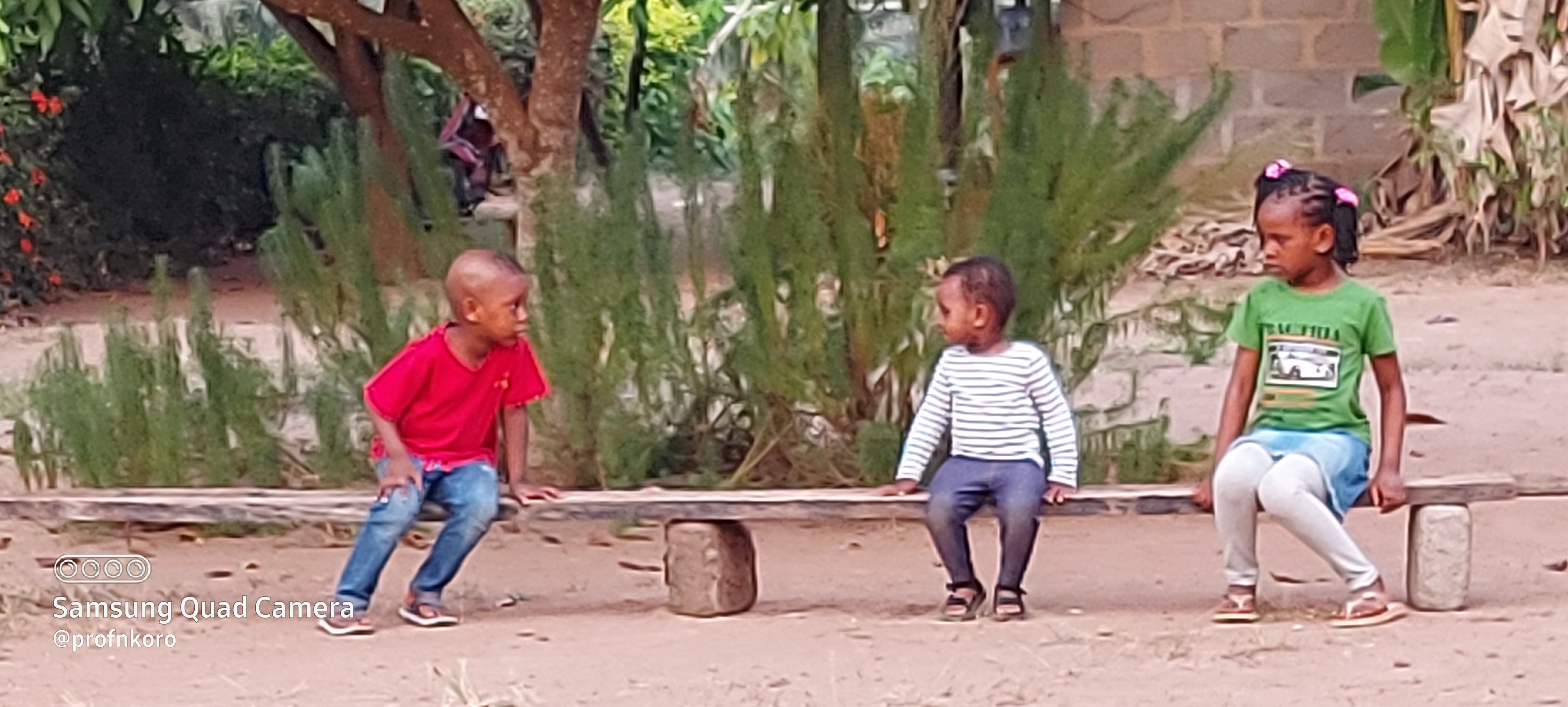
Sibling rivalry is competition between brothers and sisters for attention, space, belongings, and a parent's approval. It shows up as squabbles over toys, protests about fairness, teasing, and the classic cry of "that is not fair." It is a normal part of growing up, and it can even teach children how to negotiate and share.
Handling it without taking sides means refusing the job of judge. You do not declare a winner and a loser. You slow the fight down, describe what happened in neutral words, let each child speak, and coach both of them toward a fix they can accept.
This article explains why taking sides backfires, how to run a neutral mediation in five steps, what fair-not-equal looks like in daily life, when to step in hard, and how to cut future fights at the root.
Why taking sides backfires
When a parent declares one child right and the other wrong, the fight may stop for a minute. The damage lasts longer. The child who "lost" feels rejected and may conclude the parent prefers the sibling.
The child who "won" learns that recruiting a parent is a useful tactic.
The University of Arizona advises parents to avoid playing favorites and warns that even the simple perception of parental favoritism can undermine the sibling connection in a lasting way. Children watch for signs of preference closely. A quick ruling in one child's favour can confirm a suspicion that was already forming.
Taking sides also teaches the wrong skill. Children need practice in naming a problem, listening, and finding a compromise. A parent who hands down a verdict removes that practice.
The next fight then needs a parent again, because the children never learned to solve it themselves.
Neutral does not mean passive. You still set the rules, stop hurtful behaviour, and protect the child who is unsafe. You simply refuse to label one child the villain and the other the victim when the truth is usually messier than that.
The neutral mediation in five steps
Use this sequence when a fight has started but nobody is hurt. Keep your voice low and slow. Children copy the calm they hear.
First, stop the action. Say, "Stop; no hitting, no name-calling." Separate hands from toys if you must.
Do not ask who started it yet, because that question turns you into a judge at once.
Second, describe what you see in neutral words. Pediatrics West suggests this exact move: describe the scene without blame, then help the children name their feelings and find a solution.
For example: "Maya was building with the blocks; Sam took the red car; Maya grabbed it back, and Sam started crying."
Third, give each child a turn. Say, "Maya, tell me what happened; Sam, listen; then Sam, your turn." Keep each turn short.
If one child interrupts, hold the boundary: "Sam gets a turn next." This teaches listening more than any lecture can.
Fourth, name the feelings you hear. Say, "You felt angry because the car was taken; you felt sad because you wanted a turn." Children who can name a feeling are less likely to act it out with fists or insults.
Fifth, hand the problem back. Ask, "What can we do so both of you get a fair turn." If they stall, offer two options and let them pick one.
If they still cannot agree, set a short cooling-off break and try again.
The fix should belong to them, not to you.
Fair does not mean identical
Children often treat "fair" as "the same." Parents know better. One child may need more help with homework while the other needs more comfort at bedtime.
One earns a later bedtime because they are older.
That is fair, even when it is loudly protested.
WebMD draws the same line: being fair and being equal are not the same thing with siblings. Older children may hold different privileges that younger children resent. Parents should aim to be fair in decisions and explain why each decision was made, since children adapt more readily when they see the reason.
Use the needs test out loud. Say, "You need different things, and you both get what you need." This sentence, repeated calmly, breaks the habit of measuring portions and minutes against each other.
It also gives children a fair way to ask for what they need instead of demanding what the sibling got.
Avoid comparisons in the same breath. Saying "Your sister finished her homework already" turns a sibling into a measuring stick. Harvard Health Publishing advises parents to resist comparisons that make one child seem better than the other, and to celebrate each child's own strengths instead.
When to step in hard
Neutral mediation fits ordinary arguments. It does not fit danger. Step in at once if a child is being hurt, is frightened of a sibling, or is being bullied again and again.
Separate the children first, then deal with feelings later.
Kaiser Permanente advises parents to separate siblings when a conflict is not being resolved in a respectful or reasonable way, and notes that children sometimes simply need their own space. A cooling-off break is not a punishment. It is a reset that protects everyone.
Watch for patterns, not single incidents. Occasional teasing and jealousy are normal. Frequent physical fights that cause injury, persistent exclusion, or a child who stops bringing friends home are signs to seek help from a pediatrician or family therapist.
Fear is the line that turns rivalry into something else.
Very young children need closer supervision. Children under three do not yet grasp the dangers of fighting, so a parent of toddlers stays near and steps in early. Older children can handle more independence, with clear rules about no hitting, no damaging property, and no name-calling.
Cut future fights at the root
Prevention is quieter than mediation. The most useful lever is one-on-one time. WebMD notes that even 10 minutes a day of individual attention makes a large difference to a child.
A short walk, a bedtime chat, or a solo baking session tells each child they matter on their own, not only in competition with a sibling.
Build shared rituals that do not involve winning. Baking, building, a weekend walk, or a game the siblings play together gives them a shared history. Rituals produce loyalty over time, and loyalty makes the next fight smaller.
Set family rules that apply to everyone. Post three or four short rules where children can see them: no hitting, use kind words, ask before borrowing. When a fight starts, point to the rule instead of pointing at a child.
Rules shift the focus from blame to shared responsibility.
Coach feelings before fights happen. Teach phrases such as "I feel frustrated when you take my toy," "Can I have a turn after you," and "I need space right now." Children who can say those sentences have less need for shouting.
Bedtime reading and calm daytime talks are good places to practise them.
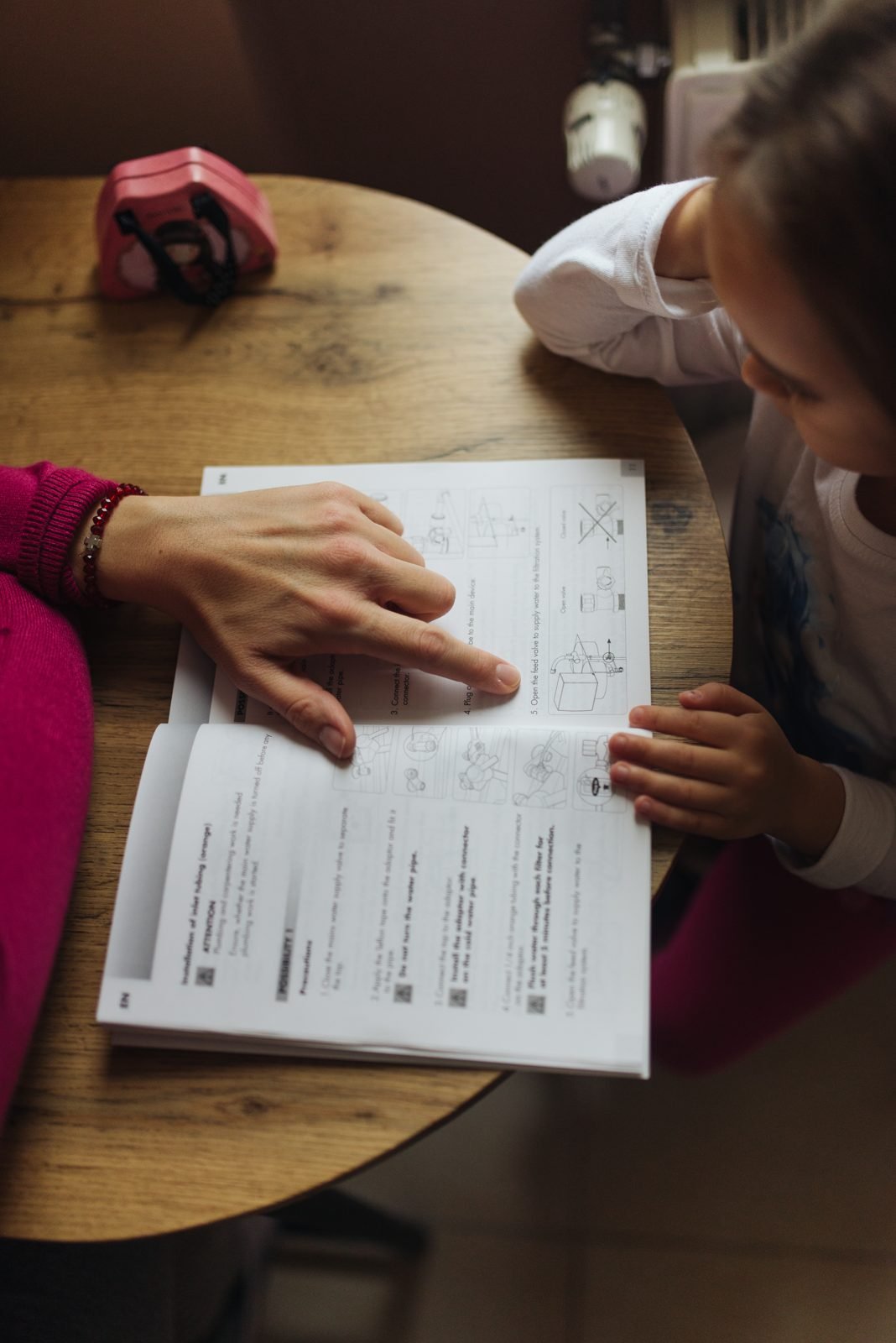
What to say instead of picking a side
Scripts help in the heat of the moment. Memorise two or three, and you will not have to invent words while children shout.
Instead of "Who started it," say, "Tell me what happened, one at a time." Instead of "You always start the fights," say, "Let us talk about what happened and how we can solve it." Instead of "Say sorry," say, "What could make this right.
" An apology that is forced teaches nothing, while a repair that a child chooses teaches a lot.
When both children claim the same toy, offer a structure. Say, "Sam has it for five minutes, then Maya has it for five minutes; I will set the timer." Timers feel impartial to children in a way that a parent's ruling never does.
Rotating turns works for swings, screens, and the front seat too.
When the fight is about attention, name it. Say, "You both want time with me; Maya, you get the next ten minutes; Sam, you get ten minutes after dinner." Children accept a schedule more easily than a verdict, because a schedule promises their turn will come.
Frequently asked questions
Should I let my children sort out fights on their own?
Often yes, as long as the fight stays verbal and nobody is being harmed. Children learn negotiation by arguing with siblings and peers. Step in when the fight turns physical, when one child is being bullied, or when a child is frightened.
What if one child is clearly the aggressor?
Protect the hurt child first, then deal with behaviour, not labels. Say, "Hitting is not allowed," and separate the children. Avoid branding one child the bully in front of the other, since labels stick and feed the next fight.
How do I handle "it is not fair" complaints?
Validate the feeling, then explain the reason. Say, "You wish you could stay up later; when you are your sister's age, you will; right now your body needs more sleep." Fair means each child gets what they need, not identical portions.
Does rivalry mean my children will not get along as adults?
No. Rivalry is normal, and many siblings grow close as adults. Harvard Health Publishing notes that healthy sibling relationships are linked to social skills such as empathy and conflict resolution.
Steady, neutral parenting helps that long-term bond form.
When should I seek professional help?
Seek help if fights cause injury often, if one child shows fear of a sibling, if bullying is persistent, or if one child consistently feels unsafe. A pediatrician or family therapist can check for patterns that mediation alone cannot fix.
The bottom line
Your job is guide, not judge. Stop hurtful behaviour, describe what you see, let each child speak, and hand the fix back to them. Give each child individual time, keep the rules the same for everyone, and explain the reason behind each decision.
Calm, neutral handling today builds siblings who can solve problems together tomorrow. The same patient approach helps with other parenting puzzles, from answering the endless questions of curious children without losing patience in why kids ask the same thing all the time to settling a child who refuses to do homework.
Tags: sibling rivalry, parenting, conflict, children
Latest in Parenting
- Kids Ask All the Time: Answer Without Losing Patience
- Handle a Child Who Refuses Homework
- Talk to Children About Fear of the Dark
Subscribe for one practical parenting guide in your inbox each week.
Related stories

Why babies cry more in the evening: the witching hour explained
The witching hour is the fussy evening stretch most newborns hit daily. Why overtiredness, cluster feeding, and overstimulation stack up

When Do Babies Start Sleeping Through the Night by Month?
Most babies sleep through the night between 3 and 6 months, with regressions at 4 and 8 to 10 months. See the month-by-month table

Why Your Baby Wakes Up the Second You Put Them Down
Newborns wake when put down as the startle reflex, light sleep, and lost warmth hit at once. It is normal and peaks early, fading