
How to Talk to Children About Fear of the Dark
Key takeaways
- Fear of the dark is a normal stage that usually starts around age 2 or 3, when imagination grows faster than the ability to tell fantasy from reality.
- Name the fear, keep your voice calm, and never call it silly, since shame makes the fear harder to face.
- Night-lights, steady routines, and small steps toward independence help more than long debates at bedtime.
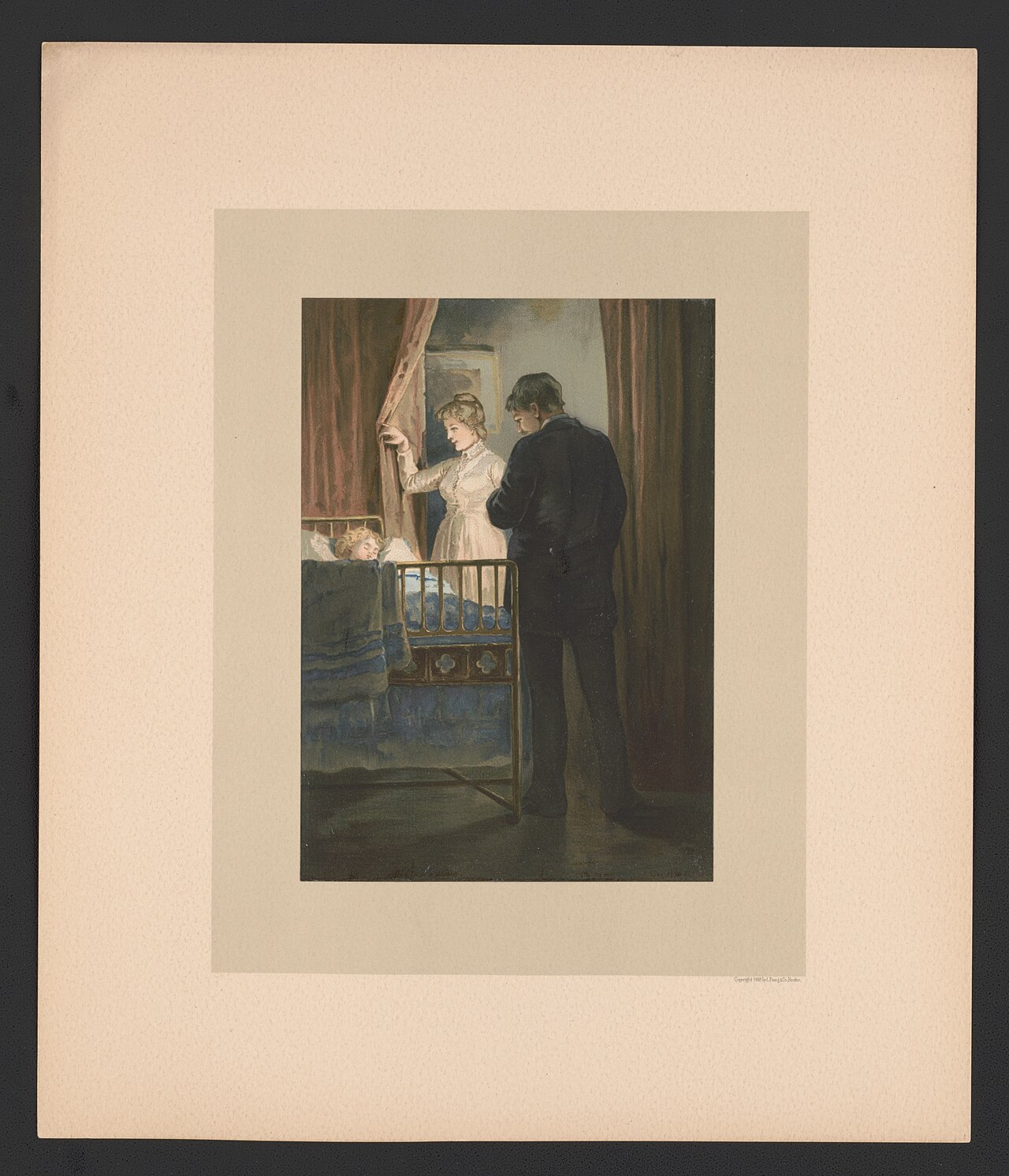
Fear of the dark is one of the most common childhood fears. It shows up at bedtime, when the lights go out and the room turns into a place full of shapes and shadows. A child who copes fine all day can become upset, clingy, or certain that something hides in the corner.
This article explains how to talk to children about fear of the dark, including why the fear starts, what to say, what to avoid, and when to seek extra help.
Why the dark scares children
The fear of the dark usually starts when a child gains a sense of imagination. Family therapist Jenn Berman told WebMD that it tends to arrive around the ages of 2 or 3, when children are old enough to imagine but not yet able to separate fantasy from reality. A shadow in a dark corner can then become a monster in the child's mind.
Night also removes distractions. Pediatrician and child psychiatrist Mary Dobbins told WebMD that fewer distractions occupy a child's mind at night, so imagination runs wild. A child who seems well adjusted during the day may feel more exposed at night.
Screens and stories can feed the fear. Berman told WebMD that television is one of the worst offenders, because young children absorb sights and sounds that adults would brush off. Books with scary pictures can do the same.
Even a throwaway threat such as "the boogeyman will get you" can plant a lasting bedtime fear, Dobbins said.
Educational psychologist Theodora Constantinou adds a wider view. As children develop, they start to imagine risks that have never happened, such as thieves breaking in. That fear shows the child's mind is growing, not that something has gone wrong.
Start by listening, not fixing
The first conversation should happen in daylight, not at bedtime. A tired child at 9 in the evening cannot take in a long explanation. A calm child in the afternoon can.
Ask open questions. Ask what worries the child most when the lights go out, instead of asking whether monsters scare them.
Let the child describe the fear in their own words. Repeat it back: "You worry that something is in the corner where you cannot see it." That shows you heard them.
Name the feeling. Dobbins told WebMD that parents should explain what fear is and help the child understand it is normal. Try: "Fear is your brain's alarm.
It rings even when nothing dangerous is there." Naming the fear gives the child words for it instead of a wordless dread.
Stay calm yourself. Dobbins advised parents to be as calm as possible when talking about the fear, and not to exaggerate or make it worse. Your tone teaches the child whether the dark is a crisis or a problem you can handle together.
What to say, word for word
Short, honest sentences work best. Long reassurances at bedtime can keep a child awake and arguing.
Try these lines:
- "It is normal to feel nervous about the dark. A lot of kids feel the same way." Constantinou suggests this exact framing, since it tells the child the feeling is shared.
- "Your room stays the same in the dark. Your bed, your toys, and your clothes do not change when the light goes off."
- "I am close by. If you need me, call me and I will come."
- "Fear can be there and you can still be safe. Being brave means feeling scared and knowing you are okay."
Give the child a say in the plan. Berman told WebMD to ask the child when they want a check-in, whether in 5 minutes or 2 hours. Letting the child pick builds a sense of control.
A child who chooses the plan follows it more willingly than one who only hears orders.
What to avoid saying
Some well-meant lines backfire. Avoid them, even when you feel tired and tempted.
Do not call the fear silly. Berman told WebMD: "Do not tell them their fear is silly, because not only does it not help and they are still scared, but now they feel guilty and ashamed, too." Shame does not shrink fear.
It teaches the child to hide it.
Do not stage monster hunts. Dobbins told WebMD that parents should not offer to check for monsters under the bed.
Checking tells the child that monsters might exist. If you look in the closet, show the child the clothes and shoes, not an inspection for creatures.
Do not promise what you cannot prove. "Nothing bad will ever happen" sounds hollow to a child who just imagined a break-in. Point to real safety instead: locks on doors, a parent nearby, a working night-light.
Do not use bed as a threat. MadeForMums lists this among its six steps: never send a child to bed as punishment, since it turns the bedroom into an unpleasant place. Bed should stay linked with rest and comfort, not discipline.
Do not let the child move into your bed every night. Berman told WebMD that parents should keep the boundaries that work for them and give the child tools to cope, rather than solving the problem with sleepovers in a sibling's room. A quick comfort visit is fine.
A nightly move is a habit that is hard to undo.
Build a bedtime routine that lowers fear
A steady routine gives the child a sense of security. Constantinou notes that consistent routines help children feel safe, and bedtime is the best place to use one.
Keep the last 30 minutes calm. No scary shows, no rough play, no news on in the background. Read a gentle book, talk through the day, or sing a song.
WebMD reports that both Dobbins and Berman advise keeping television and scary books out of the bedtime window.
Add a night-light if it helps. A dim, warm light makes shapes easier to read and the room less strange. MadeForMums lists a night-light as one of its six steps for beating the fear.
Let the child pick the light or its spot, since choice builds ownership.
Offer a comfort object. A blanket, a stuffed animal, or a "guard" teddy by the bed gives the child something to hold onto. Berman told WebMD to arm the child with comfort items such as a blanket, a stuffed animal, or a night-light to help them sleep soundly.
Park big questions for daytime. If the child asks about burglars at night, answer briefly and set the rest aside.
> "That is an important question. Nighttime is for rest, so let us talk about it tomorrow."
Practice in daylight
Gradual practice works better than one big brave night. The idea is to let the child meet dimness in small, safe doses.
Child psychologist Lyn Fry, quoted by MadeForMums, suggests sitting on the stairs together in dim light. Show the child you are not scared, offer reassurance, and praise them for managing it. Once the child can handle that for five minutes, move to sitting in a dark room together, then build up from there.
Play with light and shadow during the day. A shadow puppet game turns a scary shape into something the child controls.
Let the child practice small steps alone. Staying in bed a little longer, turning off one extra light, or walking to the bathroom in dim light all count. Praise the effort, not just the result: "You stayed in bed and called me instead of running out.
That took guts."
When the fear needs extra help
Most children move past fear of the dark in a few weeks with steady support. Dobbins told WebMD that if the fear lasts longer, parents should talk to their pediatrician about whether the child could use some help.
Watch for these signs:
- Sleep disruption that is severe or goes on for weeks.
- Fear that spreads into daytime activities or school.
- Panic-level distress, such as screaming, shaking, or refusing to enter a room.
- A sudden change after a stressful event, such as a move, a new sibling, or a death in the family.
Dobbins told WebMD that stress in general, like divorce, the death of a pet, or the birth of a baby, can raise the risk of anxiety in children, and that anxiety can show up at night as fear of the dark. In those cases, a pediatrician can advise whether talking to a counselor would help.
This article is for general information, not medical advice. If you worry about your child's sleep or anxiety, speak to your pediatrician.

Frequently asked questions
At what age does fear of the dark start?
It often starts around age 2 or 3, when imagination develops faster than the ability to tell fantasy from reality, according to family therapist Jenn Berman in WebMD. Some children develop it later, especially after a scary show, story, or event.
Should I check under the bed for monsters?
No. Mary Dobbins told WebMD that checking for monsters gives the fear credibility. If you look in the closet, show the child what is really there, such as clothes and shoes.
Child psychologist Lyn Fry, quoted by MadeForMums, advises doing a final check once if the habit already exists, saying firmly there are no monsters, then stopping.
Does a night-light help or make it worse?
A dim night-light helps most children. It makes the room easier to read and less strange. Keep the light dim and warm rather than bright, so it does not keep the child awake.
Should my child sleep in my bed until the fear passes?
Short comfort visits are fine, but a nightly move into your bed builds a habit that is hard to break. Jenn Berman told WebMD to keep the boundaries that work for the family and give the child tools to cope in their own room.
How long does fear of the dark last?
With steady support, most children get past it in a few weeks, Dobbins told WebMD. If it lasts longer or disrupts sleep and daily life, talk to your pediatrician.
The bottom line
Talk about the fear in daylight, keep your voice calm, and name the feeling instead of dismissing it. Use a night-light, a steady routine, and small practice steps to build the child's confidence. Skip monster hunts and shaming lines, since both make the fear stronger.
Most children outgrow fear of the dark with patient support, and a pediatrician can help when the fear lingers.
Tags: parenting, children, sleep, bedtime
Latest in Parenting
- Kids ask why all the time: how to answer without losing patience
- How to handle sibling rivalry without taking sides
- Why babies cry in the evening and what helps colic
- How to handle a child who refuses homework
Subscribe for one practical parenting guide in your inbox each week.
Related stories

Why babies cry more in the evening: the witching hour explained
The witching hour is the fussy evening stretch most newborns hit daily. Why overtiredness, cluster feeding, and overstimulation stack up

When Do Babies Start Sleeping Through the Night by Month?
Most babies sleep through the night between 3 and 6 months, with regressions at 4 and 8 to 10 months. See the month-by-month table

Why Your Baby Wakes Up the Second You Put Them Down
Newborns wake when put down as the startle reflex, light sleep, and lost warmth hit at once. It is normal and peaks early, fading