
Why do kids ask why all the time, and how to answer calmly
Key takeaways
- The why phase usually runs from age 2 to age 5, and it signals curiosity, not defiance.
- Short, honest answers satisfy children better than long lectures or brush-offs.
- A pause, one short answer, and a turn-back question protect your patience across a long day.
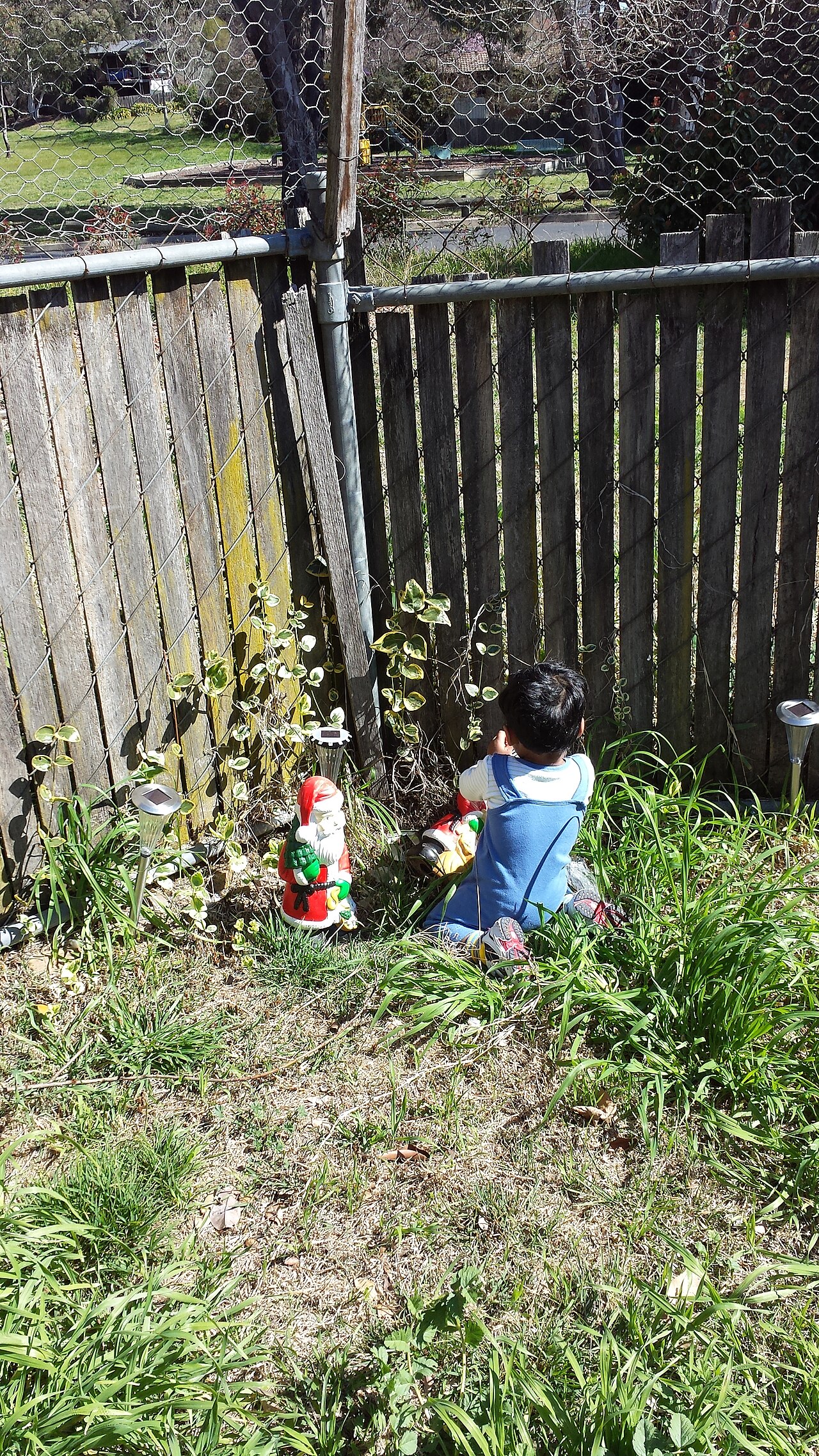
A child who asks why all the time is doing exactly what a growing brain is built to do. The question sounds simple, and it can repeat ten times in a row, but each round is a small request for information about how the world works.
The why phase usually starts around age 2 and runs through age 5, according to Sanford Health. At this age, children have little life experience and fast-developing brains, so they test ideas out loud and check them against the answers adults give.
This article explains why kids ask why all the time, including what they are really asking for, what kind of answer satisfies them, how to answer without losing patience, and what to do when you do not know the answer.
Why kids ask why so often
Curiosity drives most why questions. A child who asks why the sky is blue or why the dog barks at the mail carrier is gathering facts about a world that still feels new.
Language growth plays a part too. Asking why gives children practice forming questions, listening to answers, and building vocabulary. Parenting Hub notes that these question-and-answer exchanges support sentence structure as well as knowledge.
Cause and effect is a third driver. Young children are still learning that one event leads to another, so why is their tool for linking a cause to its result. Each answer helps them connect ideas and predict what will happen next.
Sometimes the question is not about facts at all. A child who asks why a parent has to leave for work may really want reassurance that the parent will come back. Listening for the feeling behind the question matters as much as answering the words.
What kind of answer satisfies them
A 2009 paper published in the journal Child Development explored this question, and Ovia Health reports its central finding. Toddlers who received an informational answer were more likely to feel satisfied or to move on to a new question.
Children who were brushed off or left without an answer were more likely to ask the same question again, and more loudly. A short real answer therefore saves time, even when it feels slower in the moment.
Short beats thorough at this age. Sanford Health gives the example of a child who asks why a blanket is being washed. The suggested answer is simple: to make it smell nice for you.
A young child cannot grasp abstract ideas such as germs they cannot see, so a concrete answer lands better.
The same rule applies to big questions. One clear sentence, tied to something the child can see or touch, does more work than a five-minute explanation. If the child wants more, the next why will ask for it.
How to answer without losing patience
Patience runs out faster when every question feels like a test. It helps to reframe the moment: the child is not trying to wear you down. The child is practising thinking, and you are the safest person to practise with.
Start with a pause. Take one slow breath before answering, and let the question land. That single beat keeps a tired parent from snapping out an answer they will regret.
Then give one short answer in plain words. Keep it to a sentence or two, and stop there. A long answer invites a long chain of follow-up whys, and it drains the adult faster than the child.
Then turn the question back. Sanford Health suggests asking, "What do you think?" This move builds critical thinking, and it gives the adult a short rest.
Children often have an answer ready, and hearing it tells you what they actually wanted to know.
Set a visible limit when you need one. Saying "Two more whys, then we look at the book together" is honest and kind. Children accept limits better when the limit comes with a plan, and a parent who names the limit is less likely to blow past it.
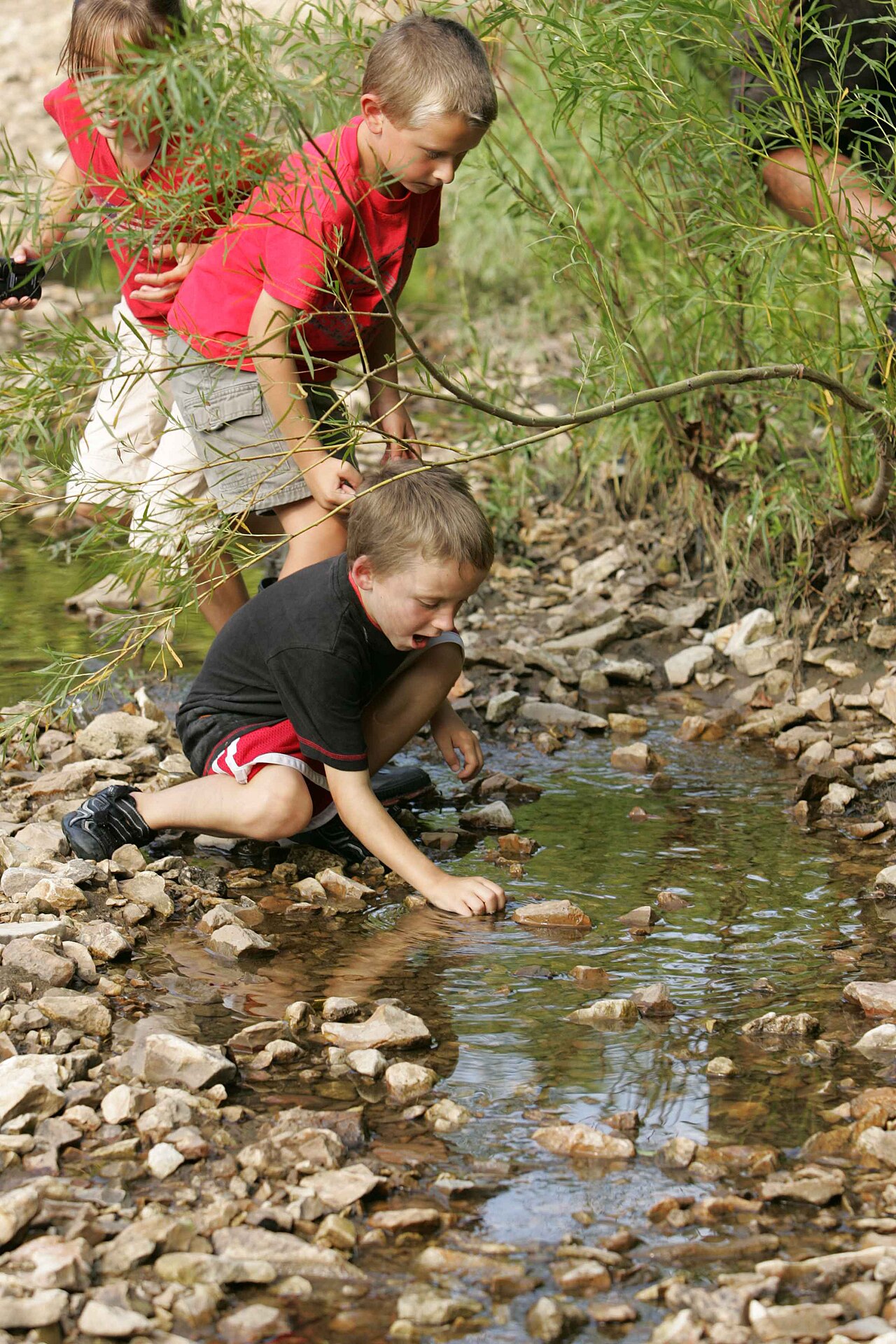
What to do when you do not know
Nobody knows every answer, and children do not expect it. Saying "I do not know, let us find out together" models honest learning better than a made-up answer ever could.
Keep a small system for look-it-up questions. A picture book, a short video, or a quick web search after dinner turns the unknown into a shared project. The child learns that not knowing is a starting point, not a failure.
Watch for the questions that repeat after a full answer. Repetition can mean the child wants attention, or wants to keep the conversation going, rather than wanting new facts.
In that case, name it gently: "You asked that one already. Do you want to keep talking, or do you want a hug?"
Bedtime whys deserve their own rule. A child who asks deep questions at lights-out may be stalling, or may feel worried in the dark. Answer one question warmly, then hold the boundary, since a calm routine helps children settle.
For fears that show up at night, see how to talk to children about fear of the dark.
When why means something else
Some why chains are really about control. A child who asks "Why can't I have that?" ten times may be testing whether repetition changes the answer.
A steady, warm no works better than a new reason each time.
Other chains are about connection. A child who follows a parent around asking why about everything may simply want company. A few minutes of full attention, with the phone down, often ends the chain faster than any answer.
Sibling questions add another layer. A child who asks why a brother or sister got something different is asking about fairness. Naming the rule behind the choice helps: different ages get different things.
For more on keeping those talks even-handed, see how to handle sibling rivalry without taking sides.
Money questions show up early too. A child who asks why the family cannot buy something is ready for a simple, honest answer about choices. Short answers about saving and waiting build a base for later talks, as in how to teach kids about money with pocket money.
Answers that backfire
Long lectures backfire. A child who hears a paragraph of explanation stops listening after the first two sentences, and the parent feels unheard. Short answers keep both sides engaged.
Sarcasm backfires too. A joke answer such as "Because I said so" ends the conversation, but it also teaches the child that questions annoy adults. Sanford Health warns that repeatedly ignoring questions can discourage a child's desire to learn.
Fake answers backfire most of all. A child who later learns the real answer stops trusting the next one. A simple "I do not know" protects trust better than a confident invention.
Shaming the question is the fastest way to end curiosity. Labels such as "stop asking silly questions" teach a child to hide confusion instead of clearing it up. Curiosity that goes underground does not go away, and it becomes harder to help later.
A simple system for busy days
Busy days need a system, not willpower. The same three steps work at breakfast, in the car, and at bedtime, so the parent does not have to invent a new response each time.
Step one is the pause. Breathe, put the phone down if you can, and give the child your eyes for five seconds. Full attention for five seconds often cuts the chain in half.
Step two is the short answer. One sentence, concrete words, no lecture. "The rain falls because clouds get too heavy to hold the water" is enough for most young children.
Step three is the turn-back. "What do you think happens next?" hands the thinking back to the child.
It also shows you whether the child wanted facts, comfort, or company.

Frequently asked questions
At what age do kids start asking why all the time?
The why phase usually starts around age 2 and continues through age 5, according to Sanford Health. Some children start earlier or later, and the timing varies with language development. A child who asks few whys can still be curious in other ways, such as pointing, watching, or taking things apart.
Why does my child ask why after I already answered?
A repeated why can mean the answer did not land, the child wants attention, or the child is testing a boundary. The Child Development finding reported by Ovia Health suggests that a real informational answer satisfies children more often than a brush-off. Try one fresh short answer, then ask what the child thinks.
Is it OK to say I do not know?
Yes, and it helps. Sanford Health suggests saying "I don't know. Let's see if we can find the answer together" and looking it up with the child.
This models honest learning and keeps trust intact. A made-up answer risks that trust when the child learns the truth.
How do I stop losing patience with constant questions?
Use a system instead of willpower: pause, give one short answer, then turn the question back with "What do you think?" Set a clear limit when you need one, such as two more whys before a book or a break. Short answers and real breaks protect patience better than pushing through until you snap.
Should I worry if my child never asks why?
Not on its own. Some children show curiosity through play, building, and watching rather than questions.
If a child also shows delays in speech, play, or social responses, a paediatrician can check development at a routine visit. This article is general information, not medical advice.
The bottom line
Why questions are a sign that a child's mind is growing, not a sign that a parent is failing. Short honest answers, a pause before replying, and a turn-back question keep the conversation going without wearing the adult down. The phase passes, and the habit of asking good questions stays.
Tags: parenting, child development, curiosity, toddler questions
Latest in Parenting
- How to talk to children about fear of the dark
- How to handle sibling rivalry without taking sides
- How to teach kids about money with pocket money
- How to keep kids entertained on long car journeys without screens
Subscribe to the Rive News newsletter for one practical parenting explainer each week.
Related stories

Why babies cry more in the evening: the witching hour explained
The witching hour is the fussy evening stretch most newborns hit daily. Why overtiredness, cluster feeding, and overstimulation stack up

When Do Babies Start Sleeping Through the Night by Month?
Most babies sleep through the night between 3 and 6 months, with regressions at 4 and 8 to 10 months. See the month-by-month table

Why Your Baby Wakes Up the Second You Put Them Down
Newborns wake when put down as the startle reflex, light sleep, and lost warmth hit at once. It is normal and peaks early, fading